

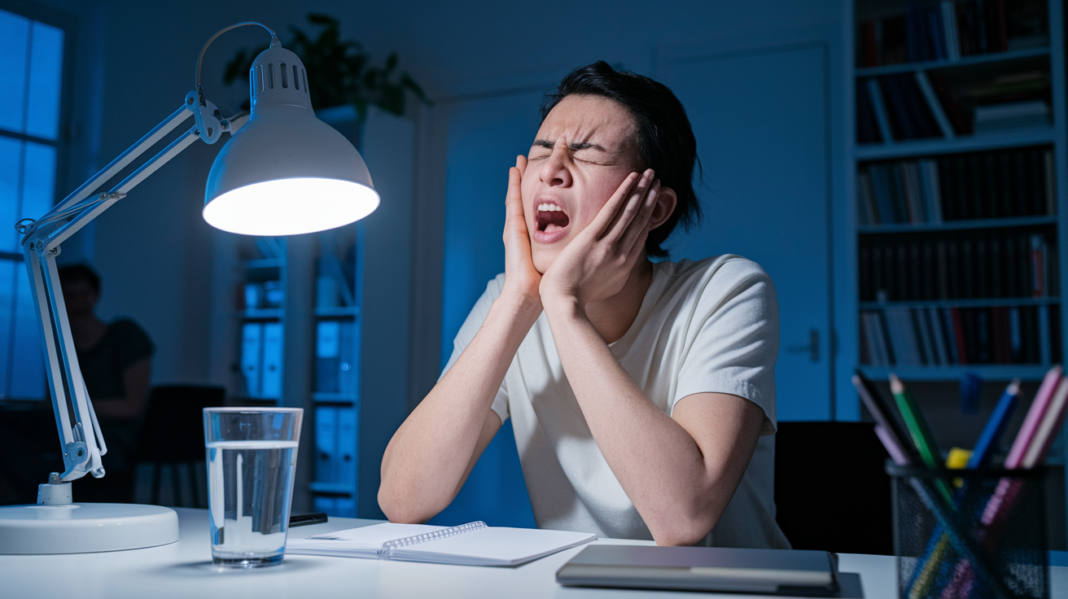

You’re not lazy — your body often schedules an energy slump at the same time every day.
Most people hit a wall around 2 to 4 p.m., and it’s not just poor willpower.
It’s usually a mix of your internal clock, a smaller 12-hour rhythm, meal-driven blood sugar drops, sleep debt, mild dehydration, and caffeine timing — and sometimes hormones or other health issues add to the signal.
This post breaks those biological causes into clear clues and gives small, testable steps you can try to shift or shorten the slump.
Key Biological Reasons Behind Daily Energy Dips
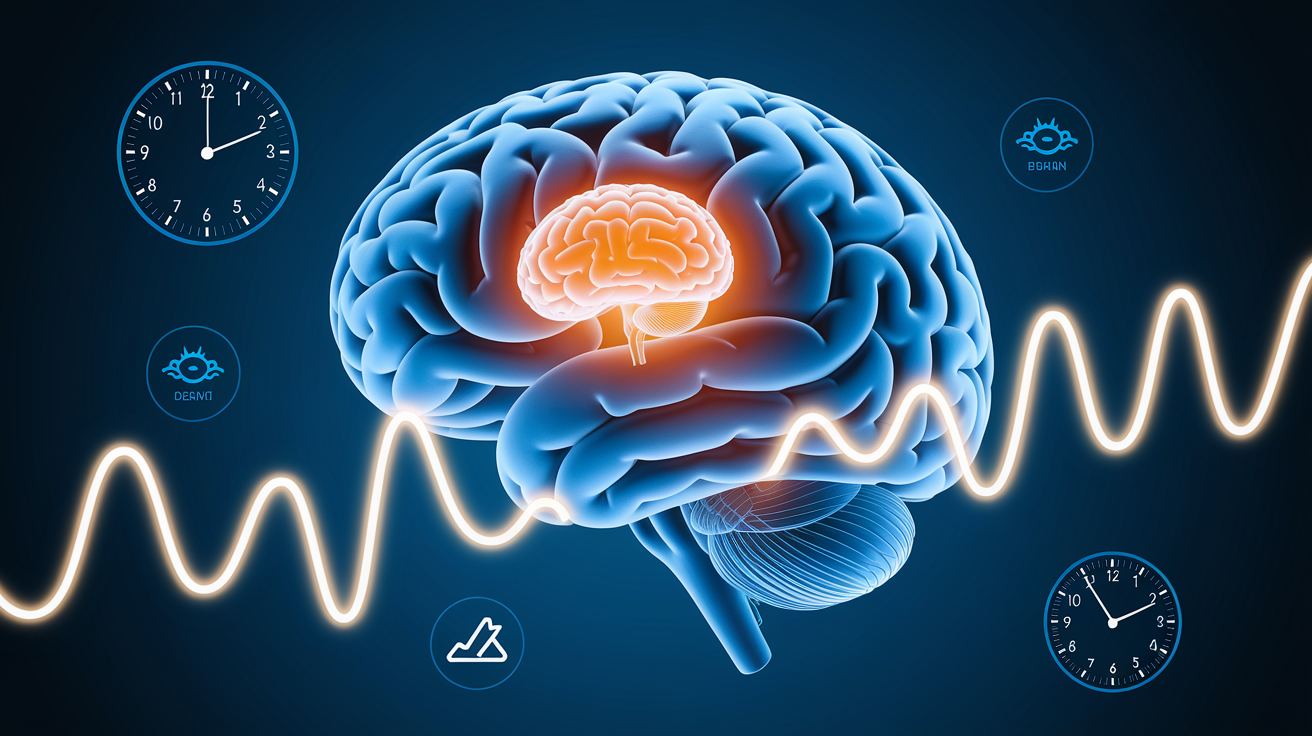
Your body clock lives inside a tiny brain region called the suprachiasmatic nucleus, or SCN. This pea sized cluster of neurons decides when you feel alert and when sleepiness starts to creep in. The SCN runs a predictable 24 hour cycle, but there’s also a secondary rhythm with a roughly 12 hour component. That secondary pattern helps explain why so many people hit a wall at almost the same time every afternoon, usually between 2 and 4 p.m., even when their mornings felt fine.
Glucose swings after meals play a big role in predictable crashes. When you eat a carb heavy lunch, your blood sugar spikes, insulin responds, and within an hour or two your glucose can dip below where it started. That dip triggers fatigue and brain fog. Meanwhile, blood flow shifts toward your digestive system, leaving less oxygen circulating to your brain and muscles. If you skimped on sleep the night before, the dip gets sharper. Dehydration acts as an amplifier. Even mild fluid loss makes it harder for your heart to pump efficiently, and your brain notices the lag immediately.
Five core biological drivers that produce same time daily dips:
Circadian rhythm lull. The SCN naturally lowers body temperature and nudges melatonin upward in the afternoon and evening.
Secondary 12 hour component. A less studied ultradian rhythm adds a mid afternoon trough independent of sleep debt.
Post meal glucose drop. Insulin response and GI blood pooling after lunch create a reproducible energy slump.
Prior night sleep debt. Insufficient or poor quality sleep compounds the afternoon dip severity.
Dehydration. Even a 1 to 2 percent drop in hydration decreases blood volume and cognitive performance.
Circadian Rhythm Patterns That Trigger Same Time Daily Fatigue
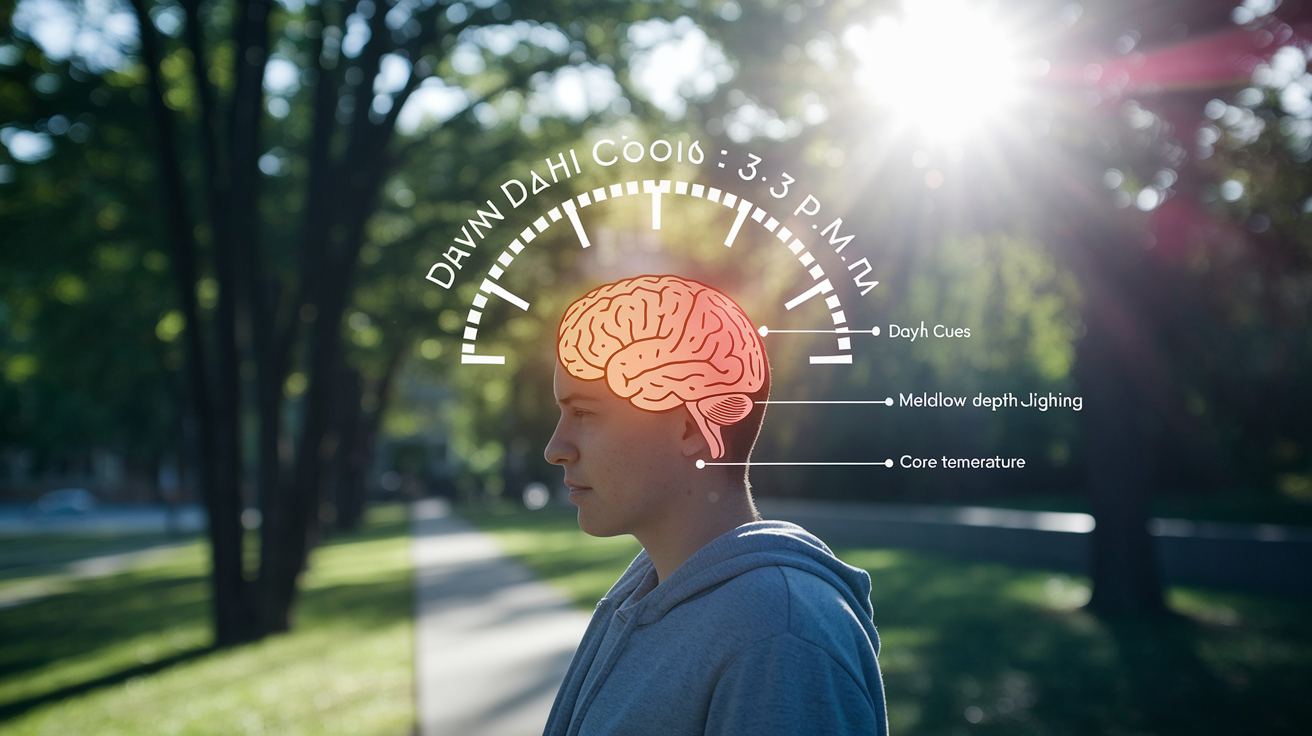
The SCN receives direct light input from your eyes. When bright light hits your retina in the morning, the signal resets your body clock and suppresses melatonin production. As daylight fades, melatonin rises and your core body temperature begins to drop. Both of which prepare you for sleep. This 24 hour cycle doesn’t shut off during the day. Instead, it runs continuously in the background, creating predictable windows when alertness peaks and when it sags.
Most people experience a small dip in the early afternoon, around 1 to 3 p.m., even if they slept well. This dip is partly driven by the circadian system’s natural ebb and flow, not just by what you ate for lunch. The timing is so consistent that shift workers, travelers crossing time zones, and anyone who ignores daylight cues often report confusion and fatigue at unexpected hours. Their SCN is out of sync with the outside world.
How Light Exposure and Daily Timing Reset Your Internal Clock
Natural sunlight is the strongest cue your SCN uses to stay calibrated. A 10 to 15 minute walk outside during lunch can suppress daytime melatonin and sharpen afternoon focus. Bright indoor light helps, but it’s typically 10 to 20 times dimmer than outdoor daylight, so the reset effect is weaker. When you sit in dim offices or stay indoors all day, your SCN may misread the time of day, letting melatonin linger longer and amplifying that mid afternoon slump.
Evening exposure to bright screens can delay your clock, pushing bedtime later and compounding next day fatigue. Temperature cycles matter too. Your body expects warmth during the day and cooler conditions at night. If your environment stays the same temperature around the clock, your circadian rhythm loses a secondary timing cue, and dips become less predictable or more pronounced.
Meal Timing, Blood Sugar Swings, and Predictable Post Lunch Slumps

Carbohydrate rich meals flood your bloodstream with glucose. Your pancreas releases insulin to move that glucose into cells, but the insulin response can overshoot, especially after a big plate of pasta, white bread, or sugary snacks. Within 60 to 90 minutes, your blood sugar drops below baseline, and your brain, which runs almost entirely on glucose, registers the shortage as sluggishness and difficulty concentrating. At the same time, digestion redirects blood flow toward your stomach and intestines. Less blood in your head means less oxygen for your frontal cortex, the part of your brain responsible for planning and staying alert.
Protein and fiber slow glucose absorption. Meals balanced with lean protein, vegetables, and whole grains produce a gentler, longer lasting energy curve. High fat meals delay gastric emptying, which can make you feel heavy and tired for different reasons. Your gut works harder, and energy is diverted from your muscles and brain. If you eat lunch at the same time every day, your body anticipates the meal and begins releasing digestive enzymes and adjusting insulin sensitivity in advance. That learned pattern means your energy dip arrives on schedule, even if the meal size or type varies slightly.
| Meal Pattern | Likely Effect on Energy Stability |
|---|---|
| High refined carbs, low protein | Sharp glucose spike then crash; predictable slump 60–90 min after eating |
| Balanced protein, fiber, whole grains | Gradual glucose rise and fall; sustained energy with minimal dip |
| High fat, moderate carbs | Delayed digestion; prolonged fullness and moderate afternoon heaviness |
| Small frequent snacks | Steady glucose; prevents large swings but requires consistent timing |
Caffeine Timing, Half Life, and Crashes at the Same Time Each Day
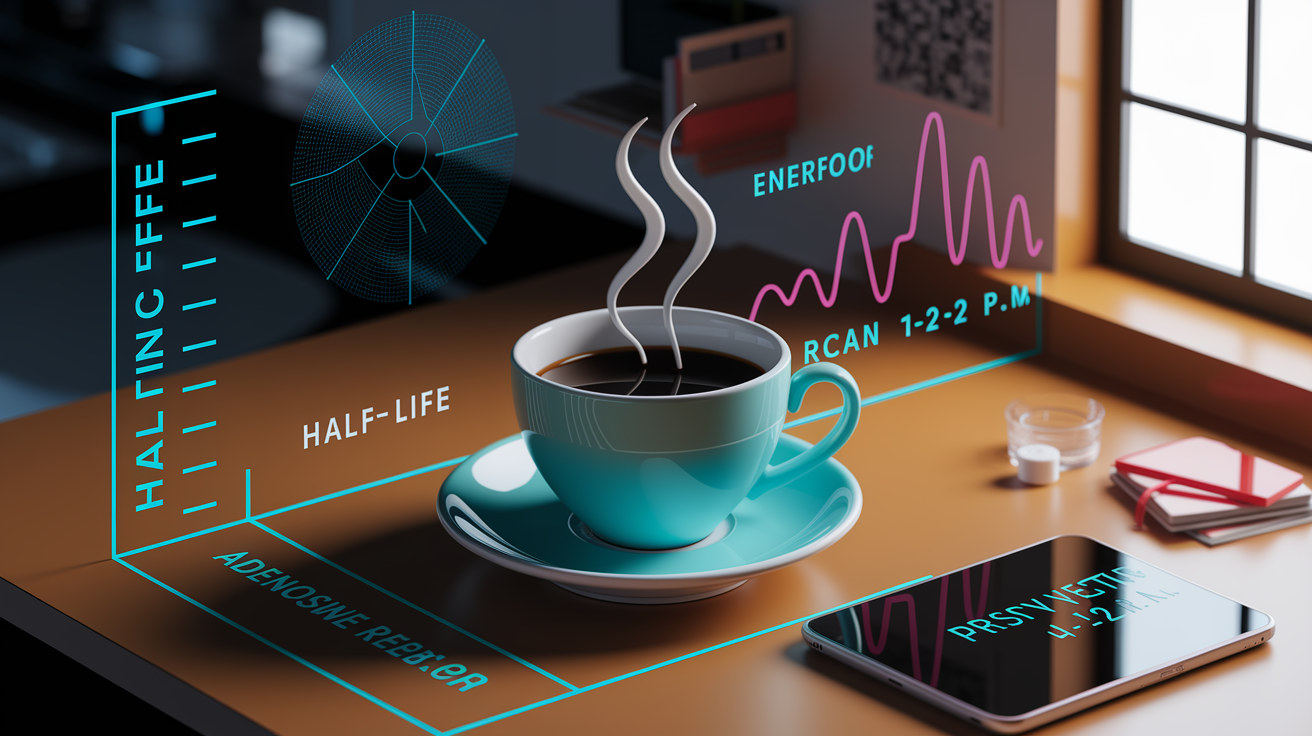
Caffeine blocks adenosine receptors in your brain. Adenosine builds up during waking hours and signals sleepiness, so blocking it makes you feel alert. Caffeine’s half life, the time it takes your body to clear half the dose, ranges from three to five hours in most adults, but it stretches longer as you age or if your liver metabolizes drugs slowly. A cup of coffee at 3 p.m. still has a quarter of its caffeine circulating at 9 p.m., and that residual stimulation can delay sleep onset or lighten sleep quality.
When you drink caffeine at the same time every morning, your body adapts by increasing adenosine receptor density. You need more caffeine to feel the same effect, and when the drug wears off, the rebound adenosine surge hits harder. If you always have your second cup at 10 a.m., the crash often arrives around 1 or 2 p.m., right when the circadian dip also kicks in. The two forces stack, producing a sharp, predictable slump. Skipping your usual dose or drinking it an hour earlier or later can shift the crash timing, confirming that caffeine rhythm contributes to the same time pattern.
Common caffeine timing mistakes that create predictable daily crashes:
Drinking a large coffee on an empty stomach, causing a faster spike and steeper drop.
Consuming caffeine after noon, which disrupts night sleep and worsens next day fatigue.
Using energy drinks with high sugar content, which adds a glucose crash on top of the caffeine rebound.
Relying on caffeine to mask chronic sleep debt instead of addressing the root cause.
Taking inconsistent doses. Your receptors stay sensitized, so missed or extra servings amplify swings.
Sleep Quality, Sleep Debt, and Morning or Afternoon Crashes
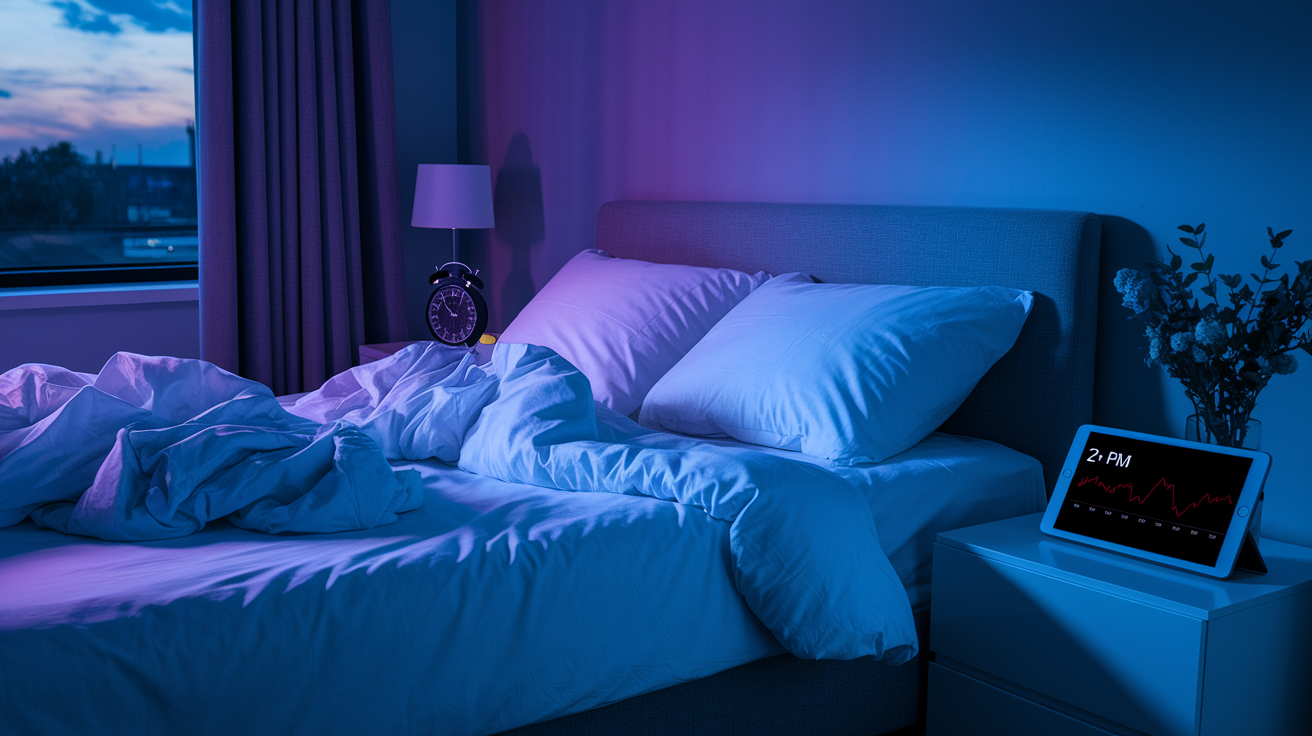
Most adults need seven to nine hours of sleep per night, but roughly one in three adults falls short of that range on a regular basis. Sleep debt accumulates night after night, and even one or two hours of lost sleep can degrade your ability to maintain alertness the following afternoon. The circadian system normally keeps you awake during the day through a process called wake promotion. When you’re sleep deprived, that promotion signal weakens, and the mid afternoon circadian dip becomes a trough instead of a gentle dip.
Poor sleep quality, frequent waking, sleep apnea, restless legs, or GERD, means your brain never cycles properly through light, deep, and REM stages. You might spend eight hours in bed but wake up feeling unrefreshed because your sleep was fragmented. Fragmented sleep disrupts memory consolidation, hormone regulation, and metabolic recovery, all of which contribute to next day energy stability. If your bedtime and wake time shift by more than an hour from day to day, your SCN never locks into a stable rhythm. Social jetlag, staying up late on weekends and waking early on weekdays, creates the same pattern of mistimed circadian signals that travelers experience crossing time zones.
How Poor Sleep Creates a 24 Hour “Debt Loop”
Sleep debt doesn’t just make you tired the next day. It pushes your circadian rhythm later. When you’re exhausted, your body delays melatonin release in an attempt to keep you awake longer, which makes it harder to fall asleep at your usual time. You go to bed late, wake up groggy, rely on caffeine to function, and crash harder in the afternoon. The crash reinforces the need for more caffeine, which delays sleep again that night.
After a few days, your body learns to expect the same pattern at the same hours. You become tired at 2 p.m. because you’ve conditioned your circadian and metabolic systems to anticipate that slump. Breaking the loop requires consistent wake times for at least a week, even on weekends, so your SCN can recalibrate and restore the natural peaks and valleys of your alertness cycle.
Underlying Health and Hormonal Causes That Create Repeating Daily Fatigue
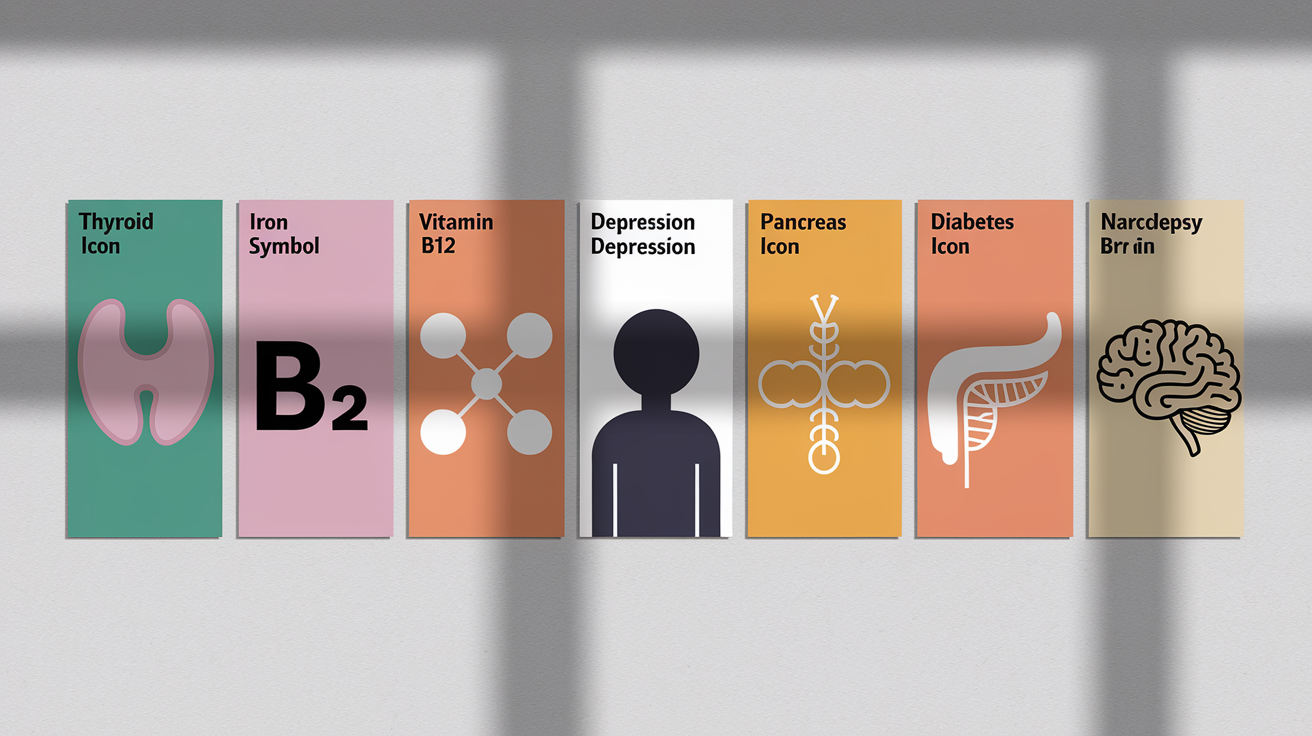
Sometimes the same time slump isn’t about sleep or meals. It’s a signal from your endocrine system or a nutrient deficiency. Hypothyroidism slows your metabolism and reduces the amount of energy your cells can produce. Fatigue is often worst in the morning, but it can persist all day and feel heaviest during the natural circadian dip. Iron deficiency, with or without anemia, limits your red blood cells’ ability to carry oxygen. Without enough oxygen, your muscles and brain struggle, and you hit a wall at predictable times when demand spikes, like after lunch or during late afternoon work tasks.
Vitamin B12 deficiency impairs energy production at the cellular level and can also affect mood and cognition. Depression alters neurotransmitter balance and disrupts circadian rhythms, often causing early morning fatigue and worsening slumps later in the day. Anxiety fuels repetitive thinking that prevents deep sleep, creating a feedback loop of poor rest and predictable exhaustion. Diabetes and prediabetes cause erratic glucose swings that mirror meal timing, and narcolepsy produces sudden, overwhelming sleep attacks that may occur at consistent times if your daily routine is stable.
Six key medical contributors to repeating daily energy dips:
Hypothyroidism. Low thyroid hormone reduces metabolic rate; fatigue often worsens with physical or mental exertion.
Iron deficiency. Inadequate oxygen delivery to tissues; may include leg cramping, shortness of breath, and pale skin.
Vitamin B12 deficiency. Impaired red blood cell formation and nerve function; cognitive fog common.
Depression. Disrupted sleep architecture and neurotransmitter imbalance; fatigue is a core diagnostic symptom.
Diabetes or prediabetes. Blood sugar instability creates sharp peaks and valleys that align with meal times.
Medication side effects. SSRIs, antihistamines like diphenhydramine and hydroxyzine, beta blockers like propranolol and metoprolol, benzodiazepines like lorazepam and alprazolam, muscle relaxants like cyclobenzaprine, and opioids like oxycodone and tramadol all commonly cause daytime drowsiness.
Hydration Patterns, Electrolytes, and Energy Stability Through the Day

Even a 1 to 2 percent drop in hydration, losing about 1.5 to 3 pounds of water weight for a 150 pound person, reduces blood volume enough to make your heart work harder and deliver less oxygen per beat. Your brain is extremely sensitive to those small changes. Mild dehydration shows up as difficulty concentrating, slower reaction times, and a general sense of heaviness or sluggishness. If you drink most of your fluids in the morning and taper off after lunch, dehydration accumulates through the afternoon, amplifying the natural circadian dip.
Electrolytes, sodium, potassium, magnesium, and calcium, help regulate fluid balance, nerve signals, and muscle contractions. When you sweat, skip meals, or drink large amounts of plain water without replacing salts, electrolyte imbalances can trigger fatigue, headaches, and muscle cramps. Energy drinks often contain high levels of caffeine and sugar but may increase net dehydration because caffeine acts as a mild diuretic and sugar can pull water into your gut. Plain water with a pinch of salt or a piece of fruit provides steady hydration without the crash. If you notice your energy dips hardest on days when you’ve had less to drink, dehydration is a likely contributor, and it’s one of the simplest patterns to test and fix.
Lifestyle Timing: Exercise, Stress Load, and Environmental Triggers for Daily Energy Patterns
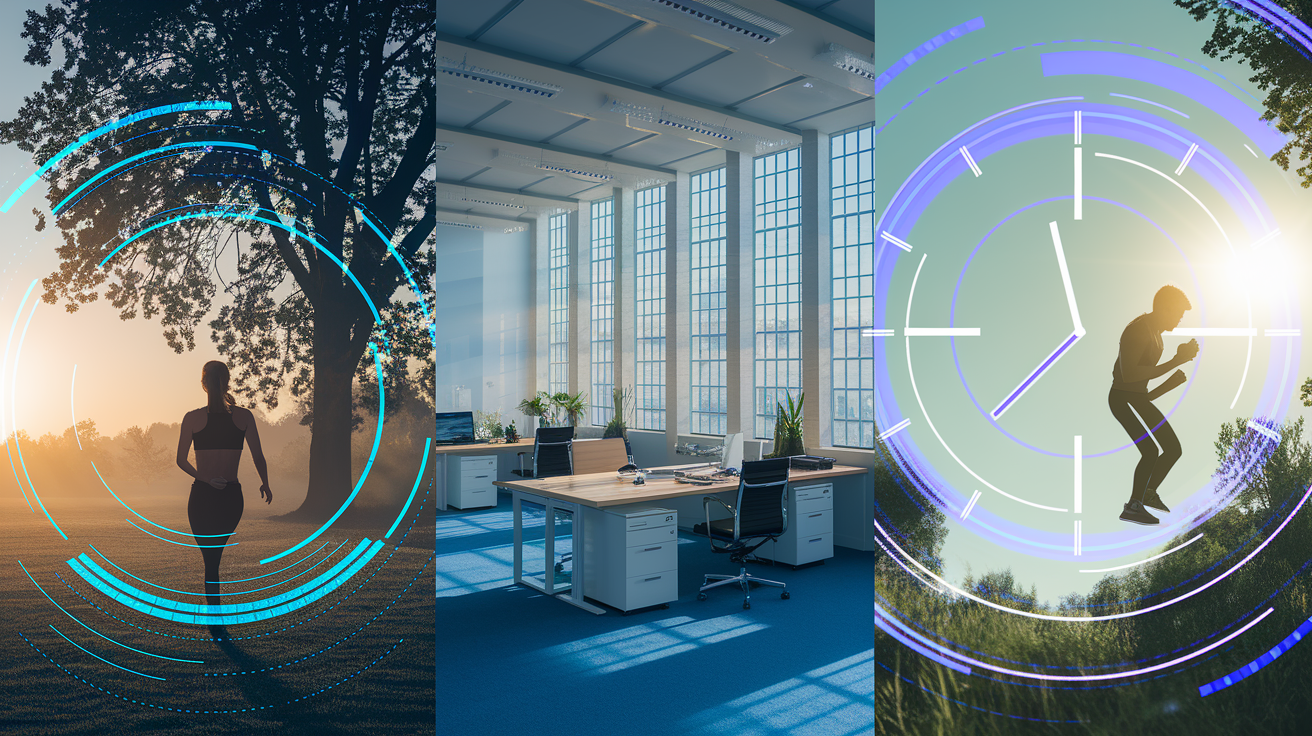
Vigorous exercise raises your core body temperature, heart rate, and cortisol. When you finish a hard workout within an hour of bedtime, your body temperature stays elevated and delays the natural drop that signals sleep readiness. Poor sleep the night after late exercise compounds into a predictable slump the next afternoon. Moderate movement, like a 20 minute walk or light stretching, has the opposite effect. It boosts circulation, clears metabolic waste from muscles, and can reset your SCN if you do it outdoors in natural light.
Chronic stress keeps your hypothalamic pituitary adrenal axis activated. Cortisol, your primary stress hormone, normally peaks in the early morning to help you wake up, then tapers through the day. Under chronic stress, cortisol rhythm flattens or inverts, leaving you wired at night and exhausted during the day. Workplace lighting also plays a role. Dim indoor environments fail to suppress daytime melatonin, and flickering or harsh artificial light can strain your eyes and increase mental fatigue. If your workspace has no windows and you rarely step outside, your circadian rhythm drifts and dips become less predictable or more severe.
Common external triggers that create same time energy dips:
Sedentary work environment. Prolonged sitting reduces circulation and oxygen delivery; fatigue accumulates by mid afternoon.
Bright screens before bed. Blue light delays melatonin release, pushing sleep later and worsening next day alertness.
Noisy or uncomfortable workspace. Constant low level stress keeps cortisol elevated and drains mental energy faster.
Skipping outdoor breaks. No sunlight exposure means your SCN misses key timing cues, and dips can shift or intensify unpredictably.
Tracking Patterns and Identifying Your Personal Causes of Same Time Energy Dips
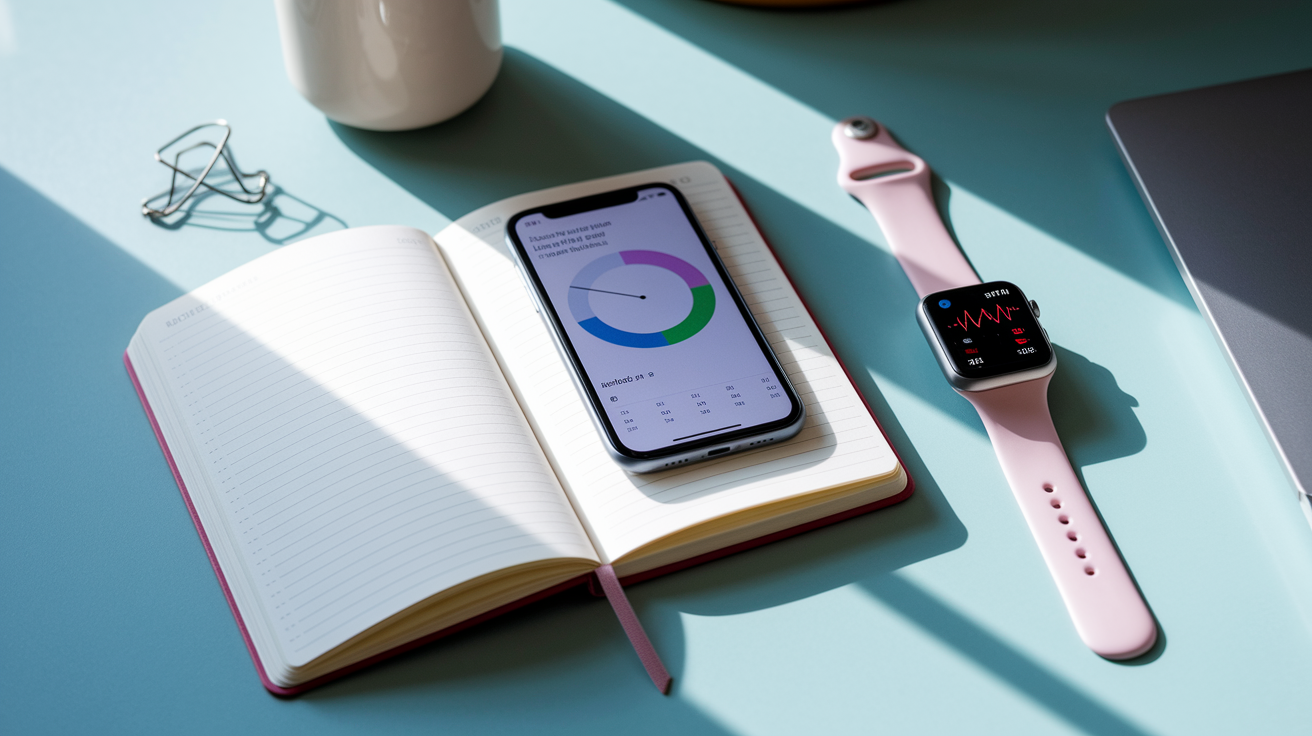
The first step in diagnosing your personal dip triggers is to track sleep, meals, hydration, and energy levels for at least one week. A simple log captures bedtime, wake time, total sleep hours, meal timing and rough composition like high carb, balanced, high fat, fluid intake, caffeine doses, and a 1 to 10 energy rating at consistent times. Morning, midday, mid afternoon, and evening. Patterns emerge quickly. If your dip always follows a carb heavy lunch, the glucose crash is likely. If it hits hardest on days you sleep fewer than seven hours, sleep debt is the main driver.
Food diaries work best when you also note portion sizes and how you feel 60 and 90 minutes after eating. Look for meals that consistently precede a slump. Some people find that even “healthy” smoothies or big salads with dried fruit and sweet dressings trigger crashes because they’re higher in sugar than expected. Continuous glucose monitors can show real time blood sugar swings and reveal hidden spikes and dips tied to specific foods or meal timing. Wearable devices that track heart rate variability, sleep stages, and activity can highlight nights when your sleep quality tanked, correlating with next day fatigue.
Tools to Capture Reliable Patterns
A pen and paper sleep log or a simple spreadsheet is enough for most people. Write down bedtime, wake time, and subjective sleep quality each morning. Add columns for meals, snacks, water intake, and hourly energy ratings. After one week, scan for repeating trends. Same dip time, same meal trigger, same sleep shortfall. Food diaries benefit from photos of your plate and quick notes about portion size and how you felt afterward. Apps that log meals and energy can automate some of this, but manual logs often capture nuance that apps miss.
Wearable devices, smartwatches and fitness trackers, offer objective sleep stage data and resting heart rate trends, which can reveal poor sleep quality even when you thought you slept through the night. Continuous glucose monitors are prescription devices in many regions but are increasingly available over the counter for wellness tracking. They’re most useful if you suspect meal timing or composition is your main issue. Pair any tracking tool with a consistent daily routine for at least five days so you can isolate variables and see what actually moves your energy up or down.
Final Words
You’ve seen the likely drivers of that daily slump: your body clock’s 24- and 12-hour rhythms, post-lunch blood sugar swings, dehydration, caffeine timing, and sleep debt.
Practical next steps: log sleep, meals, and drinks. Try a short walk or bright light at your dip time. Shift carbs or caffeine and add a glass of water before lunch.
Keep tracking for a week and treat changes like mini experiments. That will help answer what causes energy dips at same time daily and point to small fixes that work.
FAQ
Q: Why do I keep getting tired at the same time every day, like a 2–3pm crash?
A: The reason you keep getting tired at the same time every day, like around 2–3pm, is your body clock’s 24‑hour rhythm plus a mid‑afternoon lull, often worsened by post‑meal glucose swings, sleep debt, dehydration, or caffeine timing.
Q: At what age do you start feeling tired and old?
A: Feeling tired or “old” often starts gradually and can appear from your mid‑30s onward, but age, sleep quality, hormones, medical issues, and lifestyle matter most—tracking patterns helps find fixes.