

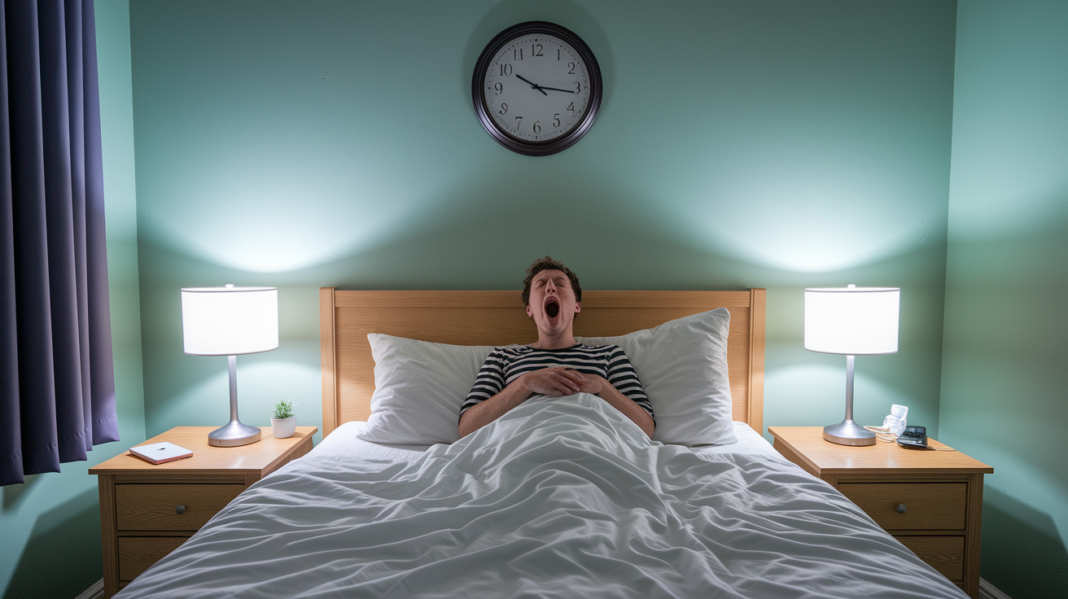

Most people assume “I didn’t get enough sleep,” but the real problem is often hidden interruptions that steal the repair you need.
If you lie awake for 30 minutes, wake up several times, or drag through the afternoon despite seven hours in bed, those are clear warning signs.
This post shows how to spot those signals, overnight clues, daytime symptoms, and simple tracking steps that turn vague worry into testable patterns.
Read on to learn the small, practical checks you can do for 10 days to see what’s actually disrupting your sleep and what to try next.
Key Indicators That Help You Identify Sleep Disruptions
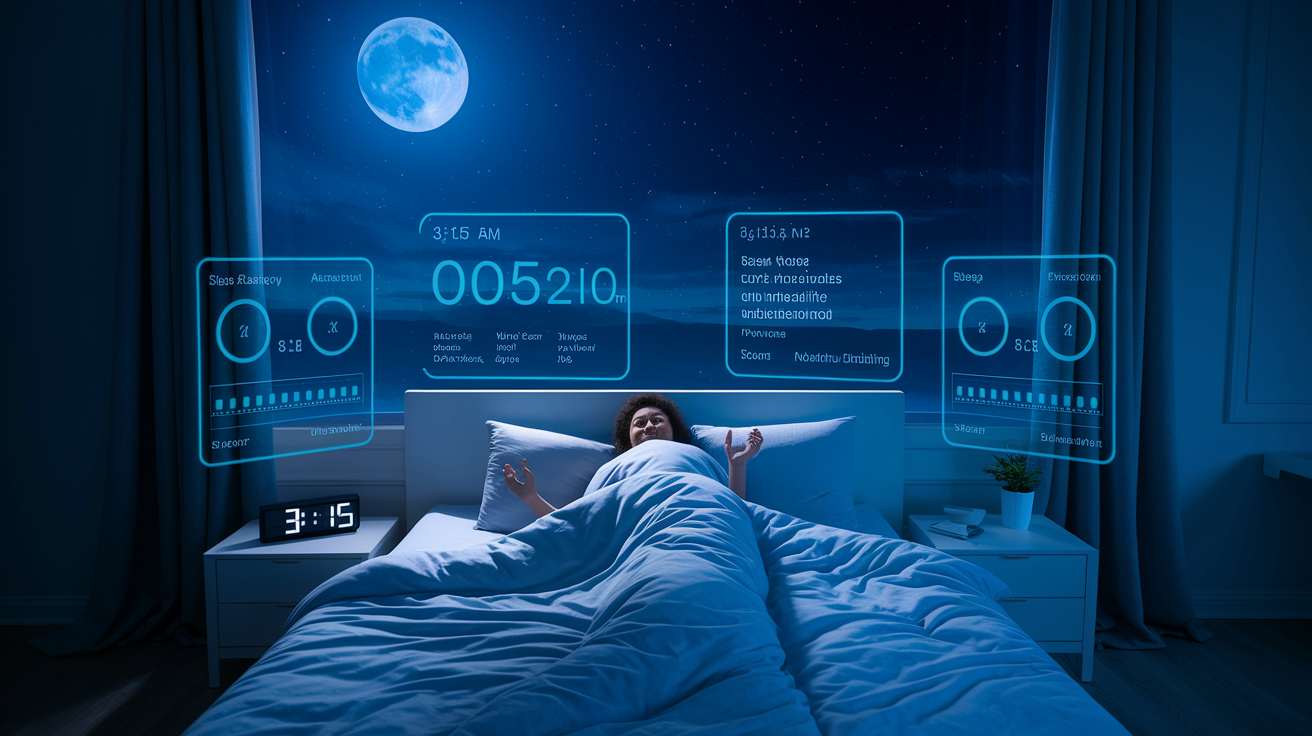
Sleep disruptions range from short, situational rough patches to persistent patterns that leave you unrested for weeks. Plenty of people endure one or two bad nights when stress spikes or schedules shift. What matters is consistency. If you’re noticing three or more nights each week where falling asleep feels like a battle, or you wake multiple times and can’t drift back off, you’re probably dealing with a genuine disruption instead of a temporary dip.
During the night, disruptions show up in ways you can recognize. You might lie awake for stretches after lights out, staring at the ceiling while your mind replays the day. Or you wake at 3 a.m., fully alert, and stay that way until your alarm. Some nights you drift off quickly but surface four or five times, logging enough awakenings that your total deep sleep shrinks. Even when you clock seven or eight hours in bed, you wake feeling like you barely rested. These overnight signs are concrete clues that something’s interrupting your sleep architecture.
Common Overnight and Nighttime Indicators
Taking longer than 30 minutes to fall asleep most nights. Waking three or more times between falling asleep and morning. Tossing, turning, or shifting positions constantly. Waking at least an hour before your alarm without returning to sleep. Loud snoring punctuated by gasping, choking, or sudden silence. Night sweats that soak your shirt or sheets. Needing to urinate two or more times during the night.
Daytime symptoms fill in the picture. You wake tired and stay that way through lunch, reaching for a second or third cup of coffee before noon. Concentration wobbles, names slip your mind, and small frustrations trigger irritability you wouldn’t normally feel. By mid-afternoon your energy bottoms out, and you fight the urge to nap at your desk or while sitting through a meeting. When sleep disruption becomes persistent, it reshapes your mood, focus, and patience in ways that ripple through work, relationships, and how you make decisions.
Common Behavioral and Physical Symptoms Linked to Sleep Disruptions

Poor sleep rewires your emotional baseline. You feel on edge, snapping at people you care about over minor annoyances. Tasks that used to feel routine now require extra mental effort, and your patience runs thin by mid-morning. Anxiety can creep higher, partly because your nervous system never fully recovered overnight. These emotional shifts aren’t personality flaws. They’re signals that your brain didn’t get the restoration it needed.
Cognitive symptoms surface just as clearly. Your working memory falters, so you forget why you opened a browser tab or lose track mid-sentence during a conversation. Decisions that should take seconds stretch into minutes because weighing options feels sluggish. Reading a paragraph twice before it sticks, missing exits on familiar drives, and blanking on coworker names are everyday markers of sleep starved cognition. At school or work, focus drifts, deadlines feel heavier, and creative problem solving stalls. You might find yourself rereading emails or asking colleagues to repeat instructions.
Behavioral clues round out the symptom picture. You rely on caffeine to pull you through the morning, then add an energy drink after lunch. Naps become non-negotiable, sometimes lasting 90 minutes or longer even though you intended a quick 20 minute rest. You cancel evening plans because you’re too drained, or you fall asleep on the couch before dinner. In severe, prolonged cases, sleep deprivation can trigger brief visual or auditory distortions. Fleeting shadows in peripheral vision or muffled sounds that aren’t there.
Sleep Disruption Patterns You Can Detect Through Tracking
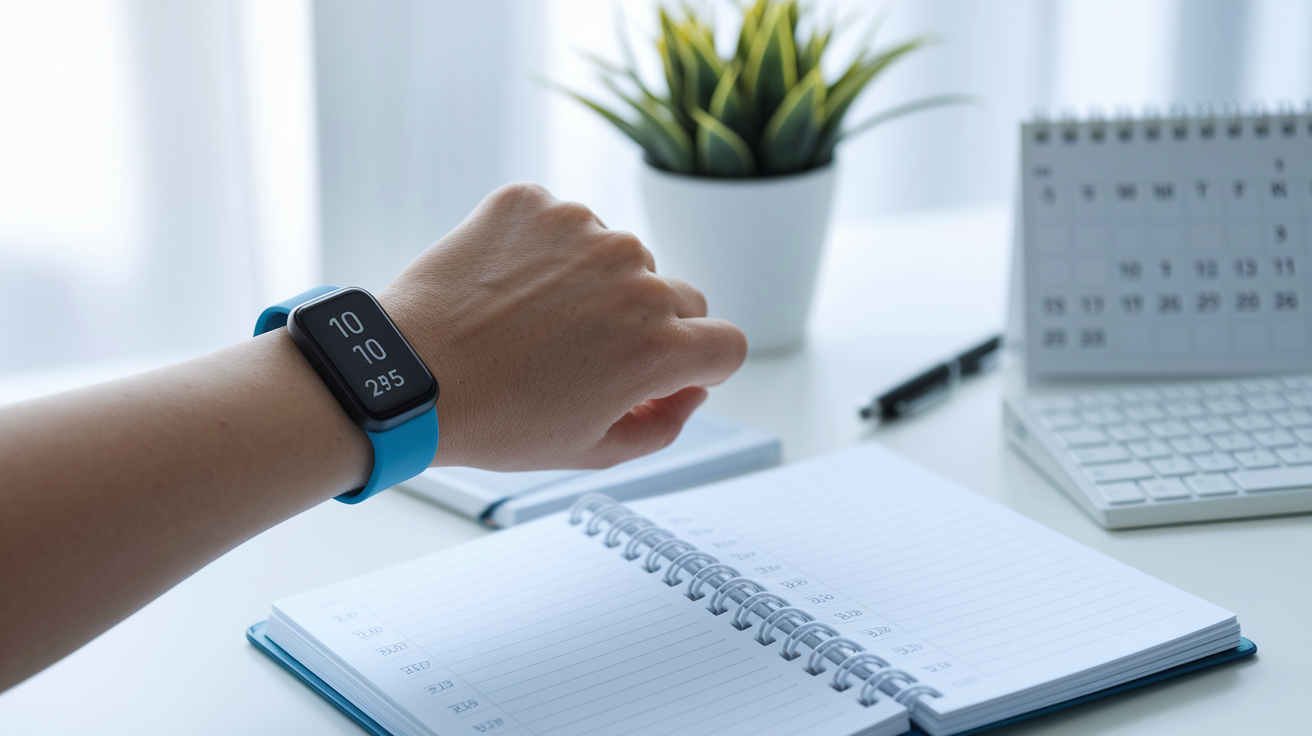
Tracking sleep over consecutive nights turns vague impressions into concrete patterns. One rough night tells you little. Ten nights of data reveal whether your struggles cluster around weekends, follow late meals, spike after high stress days, or appear randomly. The goal is to spot trends you can test and adjust.
Six Core Metrics to Monitor
Total sleep time (TST). How many hours you actually sleep, excluding time spent awake in bed. Compare this to age based ranges to see if you’re consistently short.
Sleep latency. Minutes from lights out to falling asleep. Anything beyond 30 minutes most nights suggests difficulty initiating sleep.
Number of awakenings. How many times you surface during the night. Two or fewer is typical. Four or more indicates fragmented sleep.
Sleep efficiency. Percentage of time in bed spent asleep. Divide total sleep by total time in bed, then multiply by 100. Efficiency above 85 percent is healthy. Below 80 percent flags disruption.
Wake after sleep onset (WASO). Total minutes awake after first falling asleep. High WASO means you’re losing restorative sleep even if bedtime and wake time look reasonable.
Sleep stage distribution. If using a wearable, note how much time you spend in light, deep, and REM sleep. Balanced cycles matter more than hitting a single “perfect” number.
How to Keep an Effective 10 Day Sleep Diary
Plan to track for at least 10 consecutive days, covering two weekends so you capture weekday routine and weekend variation. Each morning, jot down your bedtime, the time you think you fell asleep, how many times you woke, how long each awakening lasted, and your final wake time. Estimate your total sleep. During the day, note any naps (start time and duration), caffeine and alcohol intake (type and timing), medications, mood, energy level, and whether you needed extra downtime. At night, record what you ate or drank within two hours of bed, any snoring or gasping your partner mentions, leg restlessness, and notable physical sensations like night sweats or frequent trips to the bathroom.
After 10 days, compare your best nights against your worst. Look for links. Did you sleep better on nights you skipped the 8 p.m. coffee, exercised earlier in the day, or kept your bedroom cooler? Did awakenings jump on nights you scrolled your phone past 11 p.m. or ate a heavy meal late? These side by side patterns guide which habits to tweak first and provide concrete notes to share with a clinician if problems persist.
Digital wearables and smartphone apps offer convenience and can estimate sleep stages using movement and heart rate. They’re useful for spotting broad trends, whether your sleep efficiency is climbing or your wake time is drifting later each week. Just remember that consumer devices aren’t as precise as clinical polysomnography. They may misclassify light movement as wakefulness or miss brief arousals. Treat wearable data as a helpful sketch, not a diagnostic grade recording, and cross check it with how you actually feel each morning.
Recognizing Sleep Disruptions Caused by Breathing, Movement, and Health Conditions
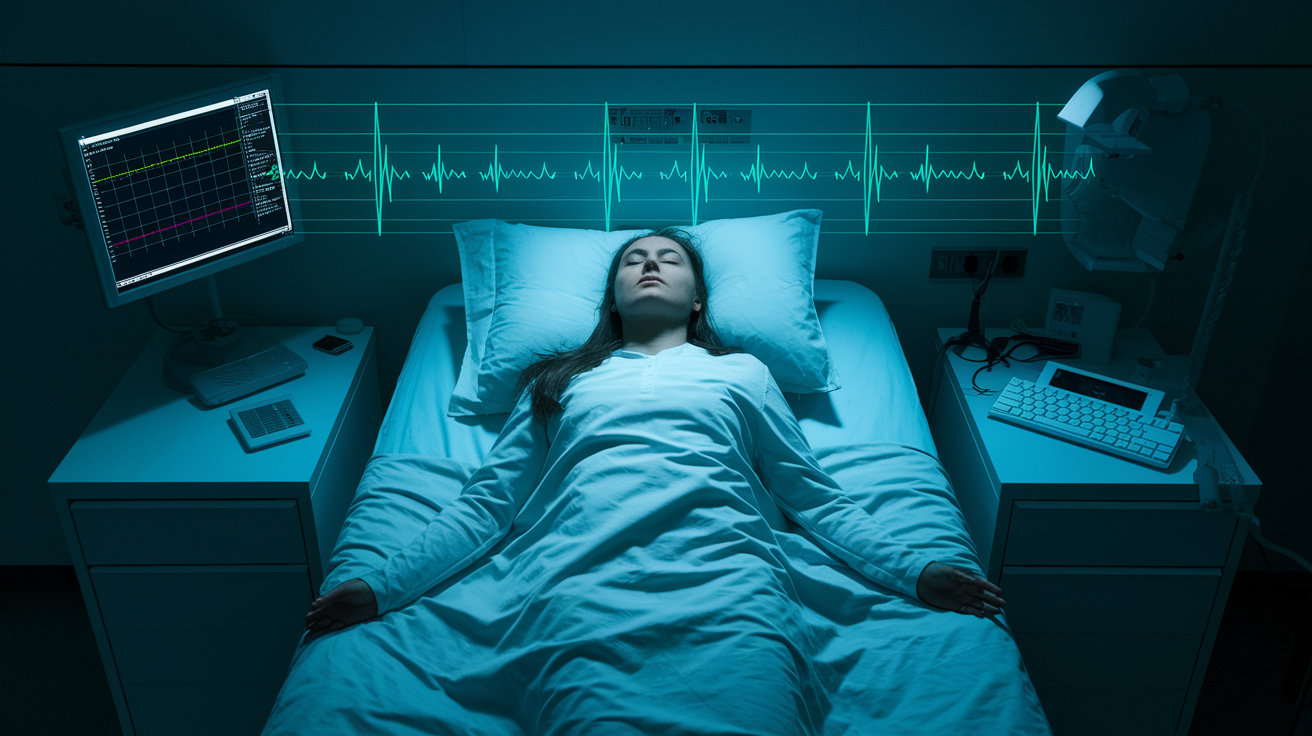
Loud snoring that crescendos into gasping, choking, or sudden silence points toward obstructive sleep apnea. In apnea, the airway narrows or collapses repeatedly during the night, cutting off airflow for seconds at a time. You may not remember these events, but your bed partner often does. You wake with a dry mouth, sore throat, or pounding headache because your oxygen dipped and your body jolted awake to reopen the airway. Over time, untreated apnea raises risks for high blood pressure, heart problems, stroke, and diabetes.
Restless legs syndrome and periodic limb movement disorder disrupt sleep through sensation and motion. Restless legs trigger uncomfortable tingling, crawling, or prickling feelings deep in your calves or thighs, usually worst when you’re lying still. Moving or massaging your legs brings brief relief, but the sensations return, making it hard to fall asleep or stay asleep. Periodic limb movements are sudden, repetitive leg jerks that happen during sleep, often without your awareness. Both conditions fragment your sleep architecture and leave you tired even if you think you slept through the night.
Other medical contributors include chronic pain, nighttime heartburn, sinus congestion, and medication side effects. Pain that flares when you shift position wakes you multiple times. Gastroesophageal reflux sends stomach acid into your throat, triggering coughing or a burning sensation that pulls you out of sleep. Allergies or a deviated septum force you to breathe through your mouth, drying your throat and waking you with congestion. Some medications (stimulants, certain blood pressure drugs, steroids) interfere with sleep timing or quality, and adjusting the dose or schedule may help.
Red Flags That Warrant Medical Review
Observed pauses in breathing, loud gasping, or choking sounds. Tingling, crawling, or aching sensations in legs relieved only by movement. Persistent snoring with a dry mouth or sore throat on waking. Frequent leg jerks or full body twitches noted by a bed partner.
Environmental and Habit Based Clues That Signal Sleep Disruptions
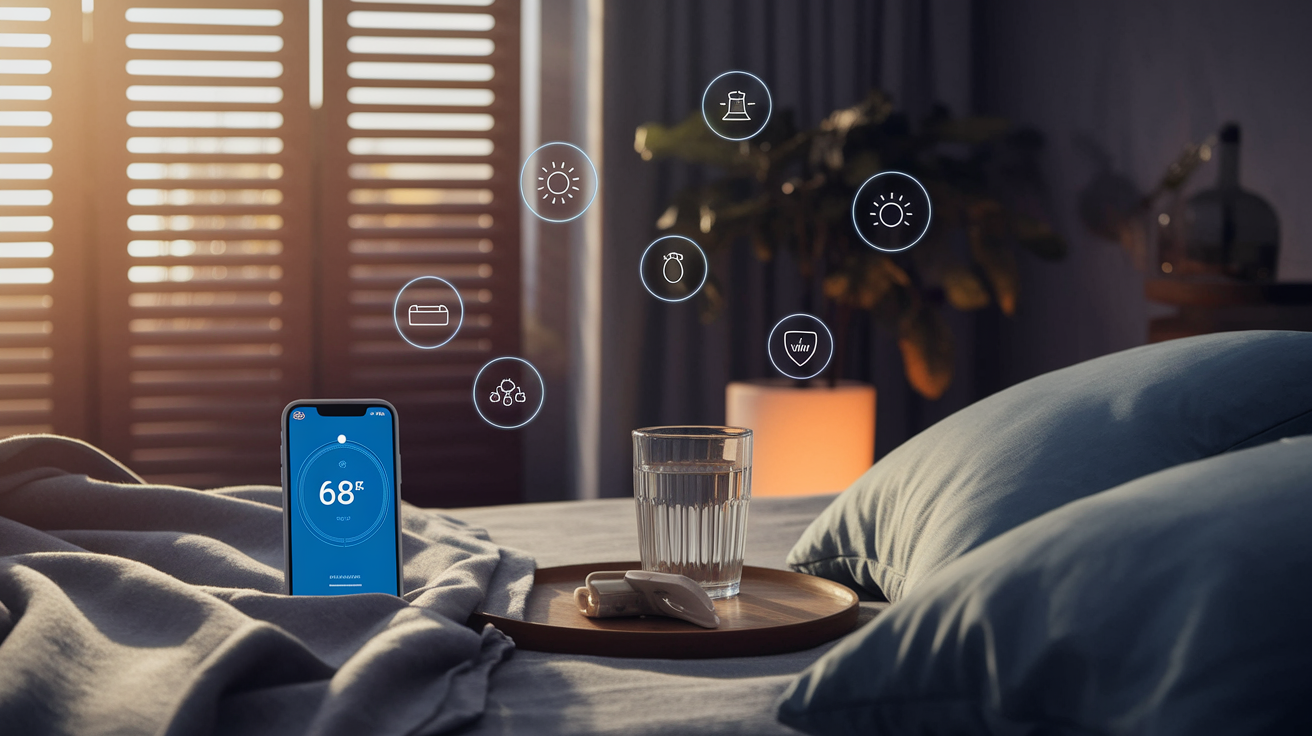
Your bedroom and evening routine shape how quickly you fall asleep and how often you wake. A room that’s too warm keeps your core temperature elevated, delaying the natural drop that signals sleep onset. Light from streetlamps, devices, or a bright alarm clock suppresses melatonin and tricks your brain into staying alert. Noise (traffic, a snoring partner, a neighbor’s TV) fragments sleep even if you don’t fully wake, pulling you out of deeper stages into lighter ones.
Stimulant timing and screen habits are frequent culprits. Caffeine lingers in your system for hours, so an afternoon espresso at 4 p.m. can still interfere with falling asleep at 11 p.m. Alcohol may make you drowsy initially, but it disrupts sleep architecture later in the night, increasing awakenings and reducing REM sleep. Blue light from phones, tablets, and laptops delays melatonin release, so scrolling before bed pushes your sleep window later. An inconsistent schedule (sleeping in on weekends, then trying to crash early Sunday night) creates social jet lag that leaves you groggy all week.
| Factor | Example Trigger | Possible Impact |
|---|---|---|
| Light exposure | Bright overhead lights or screens after 9 p.m. | Delays melatonin release, pushes sleep onset later |
| Noise | Street traffic, loud neighbors, or a snoring partner | Increases brief arousals, reduces deep sleep percentage |
| Caffeine timing | Coffee or energy drink after 2 p.m. | Extends sleep latency, lowers sleep efficiency |
| Room temperature | Bedroom above 70°F (21°C) | Slows core temperature drop, delays sleep onset |
Using Assessment Tools to Identify Sleep Disruptions

Validated screening questionnaires translate subjective experiences into scores that help you and your clinician spot patterns. The Epworth Sleepiness Scale asks how likely you are to doze off in eight common situations (sitting and reading, watching TV, as a passenger in a car, lying down in the afternoon). Each scenario gets a rating from 0 (would never doze) to 3 (high chance of dozing). A total score above 10 suggests excessive daytime sleepiness that warrants further review. The Pittsburgh Sleep Quality Index covers sleep duration, latency, efficiency, disturbances, use of sleep medication, and daytime dysfunction over the past month, generating a global score that flags poor sleep quality when it climbs above 5.
The STOP Bang questionnaire screens for obstructive sleep apnea risk by asking eight yes or no questions. Do you snore loudly? Feel tired or sleepy during the day? Has anyone observed you stop breathing? Do you have high blood pressure? Is your BMI over 35? Are you over 50? Is your neck circumference large? Are you male? Each “yes” adds a point. A score of 3 or higher signals moderate to high apnea risk and supports a referral for a sleep study.
What Your Scores Can Reveal
These tools don’t diagnose on their own, but they quantify what you’ve been noticing and flag which problems deserve priority. A high Epworth score combined with loud snoring points toward apnea. A high Pittsburgh score with normal Epworth and STOP Bang numbers may indicate insomnia or restless legs instead. Bring your completed questionnaires and your 10 day sleep diary to your appointment. Together, they give your doctor a clear snapshot of your sleep patterns, daytime function, and risk factors, making it easier to decide whether you need a sleep study, behavioral therapy, or a trial of habit changes first.
When to Seek Professional Evaluation for Possible Sleep Disruptions
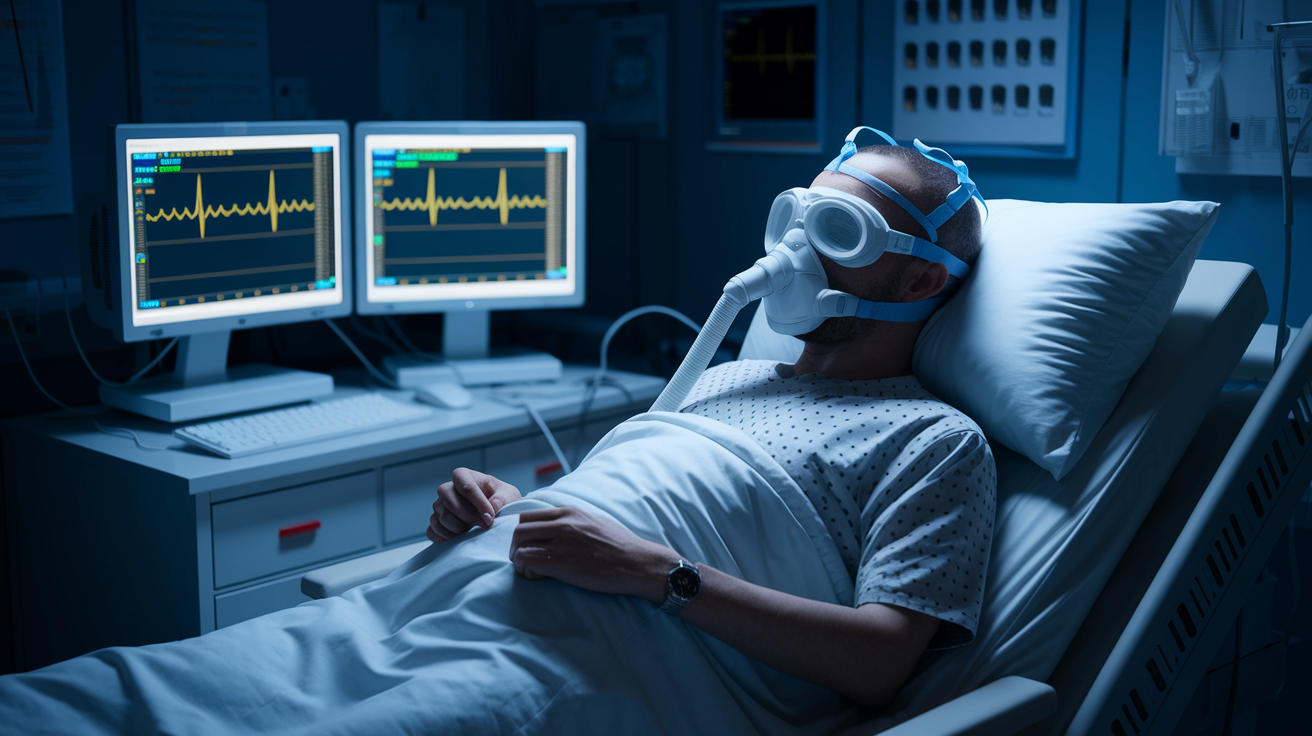
If you’ve adjusted your bedtime routine, dialed back evening caffeine, kept your room cool and dark, and tracked your sleep for two weeks without improvement, it’s time to talk to a healthcare professional. Persistent daytime sleepiness that doesn’t resolve with more time in bed suggests an underlying issue (sleep apnea, restless legs, or a circadian rhythm disorder) that habit tweaks alone won’t fix. Similarly, if your bed partner reports loud gasping, choking sounds, or long pauses in your breathing, those observations warrant a clinical evaluation even if you feel fine during the day.
Sleep studies provide objective data that self tracking can’t capture. An overnight polysomnography in a sleep center monitors brain waves, eye movement, muscle activity, heart rate, breathing effort, airflow, and oxygen levels. It reveals how many times your airway collapses, whether your legs jerk periodically, and how much time you spend in each sleep stage. A home sleep apnea test is a simpler option that records breathing, oxygen, and heart rate overnight in your own bed, though it’s less comprehensive. Results guide treatment, whether you need a CPAP machine, an oral appliance, medication adjustment, or behavioral therapy.
When to Contact a Sleep Specialist or Your Primary Care Provider
You regularly take more than 30 minutes to fall asleep despite consistent routines. You wake multiple times each night and can’t return to sleep. Daytime sleepiness persists even after eight hours in bed. Your partner reports snoring with gasping, choking, or breathing pauses. Uncomfortable leg sensations or sudden limb movements disrupt your sleep more than twice a week.
Final Words
Spotting clear signs like long sleep latency, frequent awakenings, non-restorative sleep, and daytime fog helps you act fast. Track nights and days, noting bedtime, time to fall asleep, number of awakenings, and daytime energy.
Use simple tools and a 10-day diary to spot trends, and watch for breathing or movement red flags that need medical review. Tweak light, caffeine timing, and your routine first.
Practice these steps on how to identify sleep disruptions: track, test small changes, and bring clear notes to a clinician if needed. You’ll likely see steady, useful improvements.
FAQ
Q: What is the 10 5 3 2 1 rule for sleep?
A: The 10-5-3-2-1 rule for sleep is a stepwise evening routine advising timed cutoffs before bed: 10 hours — avoid strong stimulants, 5 — stop intense exercise, 3 — finish big meals, 2 — limit alcohol/work, 1 — no screens.
Q: How do you diagnose sleep disruption?
A: Sleep disruption is diagnosed by noting persistent patterns, using sleep diaries and questionnaires, clinical history, and—if needed—overnight testing like home sleep apnea tests or lab polysomnography for breathing, movement, and sleep-stage data.
Q: What are the 7 types of sleep disorders?
A: Seven common sleep disorders are insomnia, obstructive sleep apnea, restless legs syndrome, periodic limb movement disorder, narcolepsy, circadian rhythm sleep-wake disorders, and parasomnias (like sleepwalking or night terrors).
Q: Which two sleep disorders occur most commonly?
A: The two sleep disorders that occur most commonly are insomnia and obstructive sleep apnea, often causing difficulty falling or staying asleep, daytime tiredness, loud snoring, and pauses in breathing for many people.