


What if the time you go to bed matters more than how many hours you sleep?
For most adults, the sweet spot is between 9:00 and 11:00 PM because that lines up with your natural low point and helps you wake with daylight feeling actually rested.
This post shows how to find your exact bedtime by working backward from your wake time, using 90-minute sleep cycles, and tweaking simple bedroom habits.
Read on to pick a bedtime you can stick with and wake up with more energy, without overhauling your life.
Ideal Bedtime Ranges That Define the Best Time to Sleep
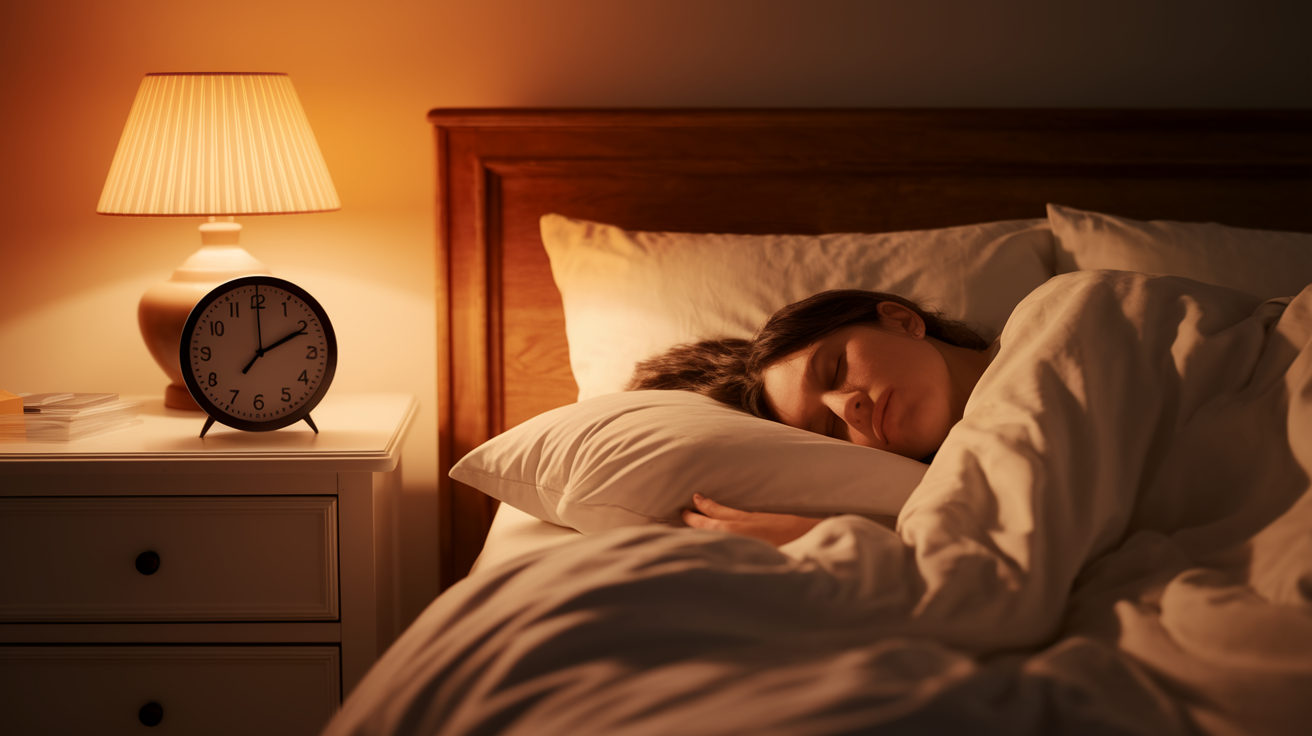
For most adults, the best time to sleep lands somewhere between 9:00 and 11:00 PM. This window lines up with your body’s natural dip in alertness that happens around 2:00 to 4:00 AM and sets you up to wake with daylight feeling actually rested. Your exact bedtime? That depends on when you need to wake up and how many hours you personally need to feel good.
Most adults need 7 to 9 hours per night. Finding your ideal bedtime is straightforward. Start with your required wake time and count backward at least 7 hours. If you’re up at 6:00 AM, you should be winding down before 11:00 PM so you can fall asleep and get a full night. Tack on 15 to 20 minutes to account for how long it takes to drift off once the lights are out.
Here’s how bedtime and wake time line up when you’re aiming for 7 to 9 hours:
- 10:00 PM bedtime with a 6:00 AM wake gives you 8 hours.
- 9:30 PM bedtime with a 5:30 AM wake gives you 8 hours.
- Always add 15 to 20 minutes for sleep onset after you’re in bed. This is normal and helps your brain make the shift.
- Sticking to the same bedtime and wake time every day trains your internal clock, making it easier to fall asleep and wake up naturally, often before your alarm even goes off.
How Circadian Rhythm Shapes the Best Time for Sleep
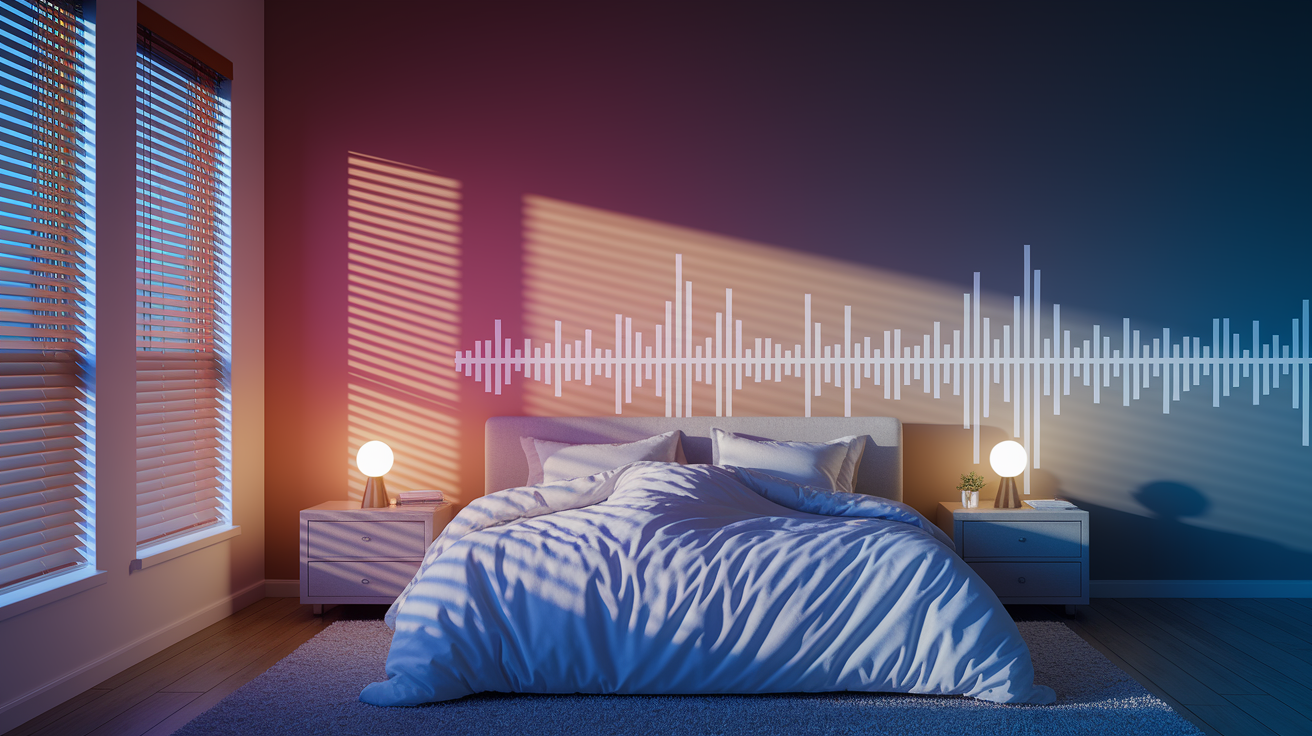
Your circadian rhythm is a 24 hour internal timing system that controls when you feel alert and when you feel sleepy. It’s not habit. It’s biology. Your body follows predictable energy dips twice a day: one around 1:00 to 3:00 PM and a much stronger one between 2:00 and 4:00 AM. That early morning dip is when your brain is primed for deep, restorative sleep, which is why sleeping during those hours matters.
Light is the strongest signal that sets your circadian rhythm. When morning light hits your eyes, it tells your brain to shut down melatonin (the hormone that makes you sleepy) and ramp up cortisol, which helps you feel awake. As evening arrives and light fades, melatonin production climbs, preparing your body for sleep. If you go to bed and wake up at roughly the same times each day, your circadian rhythm locks into a steady pattern. Over time, this consistency makes falling asleep faster and waking up easier. Your body starts to anticipate the schedule.
Biological Night and Melatonin Timing
Melatonin usually begins to rise about 2 hours before your usual bedtime. This window is often called your “biological night.” If you normally go to bed at 10:30 PM, your melatonin levels start climbing around 8:30 PM. Trying to sleep well before this window can feel like fighting your biology. You’ll lie awake. Sleeping well after it means you’re cutting into the hours when your body is chemically ready for deep rest.
Sleep Cycles and How They Determine Your Best Sleep Timing
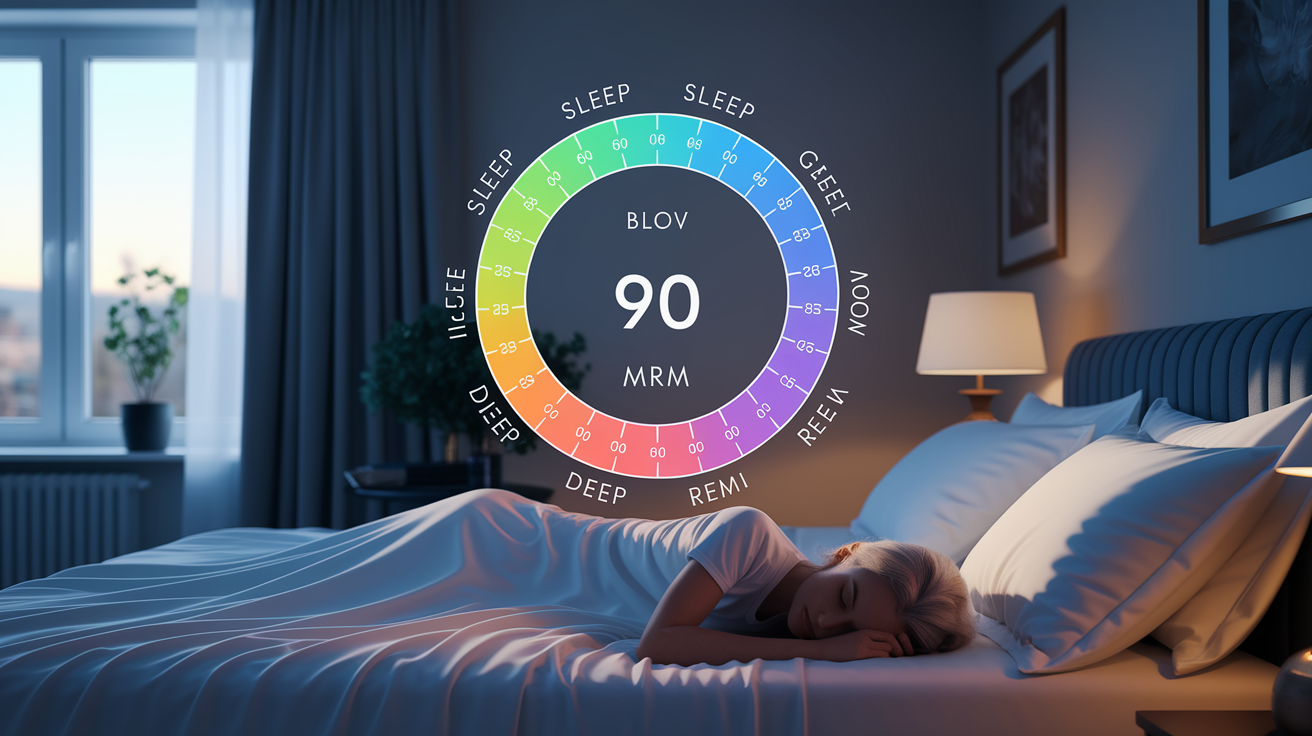
Sleep isn’t one long, flat stretch. It moves through repeating cycles, each lasting roughly 90 minutes. During a single cycle, you pass through light sleep, deep sleep, and REM (rapid eye movement) sleep, which is when most dreaming happens. Deep sleep dominates the first half of the night and supports physical recovery. Muscle repair, immune function, and growth hormone release. REM sleep becomes more prominent in the second half of the night and plays a key role in memory consolidation, emotional regulation, and creative problem solving.
Most people need 4 to 6 complete cycles per night to feel fully rested. Four cycles equal about 6 hours, five cycles hit 7.5 hours, and six cycles reach 9 hours. Waking up in the middle of a cycle, especially during deep sleep, can leave you groggy and disoriented. That heavy, foggy feeling is called sleep inertia. Timing your wake up to land near the end of a cycle helps you feel sharper and more alert right away.
Here’s what you need to know about sleep cycles:
- Each cycle lasts approximately 90 minutes from start to finish.
- Aim for 4 to 6 cycles per night to cover the recommended 6 to 9 hours of total sleep.
- REM sleep increases in duration with each cycle, peaking in the early morning hours before you wake.
- Deep sleep is most concentrated in the first two cycles, typically the first 3 hours after you fall asleep.
- Waking mid cycle, particularly during deep or REM stages, reduces alertness and can make mornings feel harder than they should.
Age Based Sleep Needs and the Best Time to Sleep for Every Stage of Life
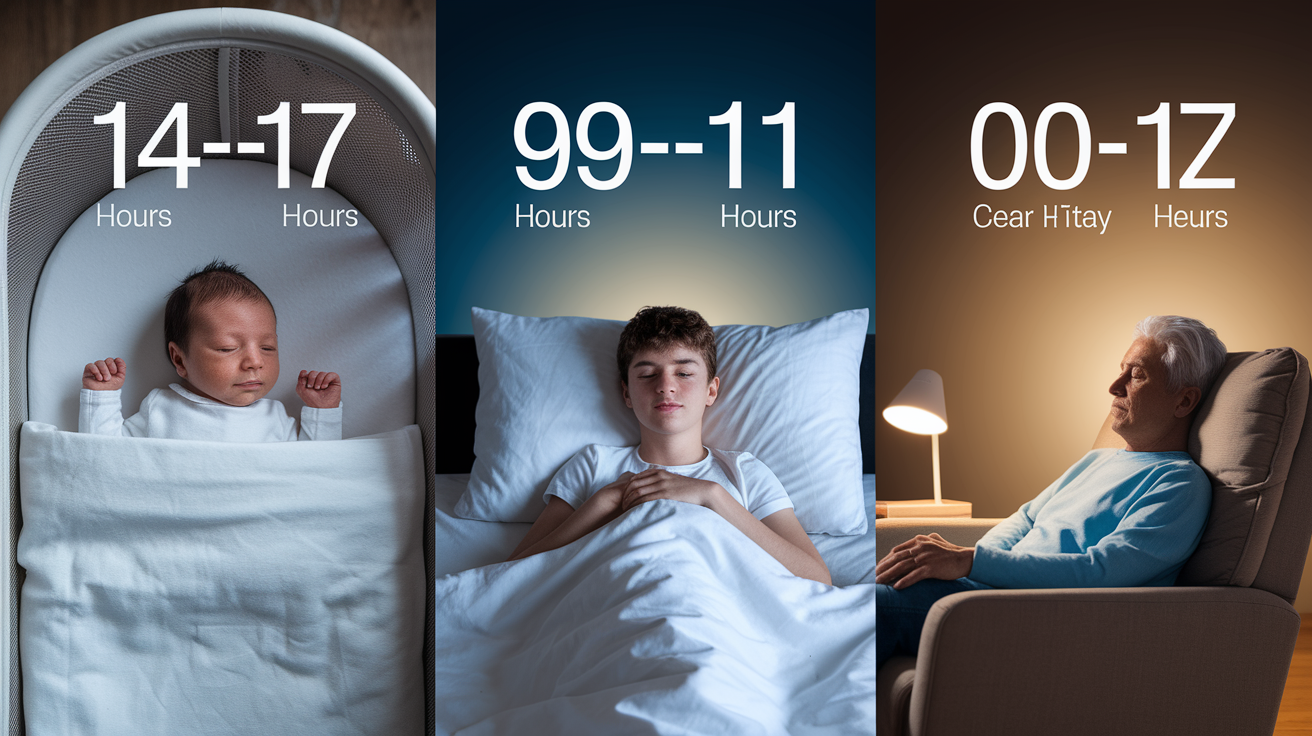
Your sleep needs shift as you move through life. Newborns sleep most of the day and night, while older adults often find they need less total sleep but wake more easily. Understanding where you or your family members fall on this spectrum helps you set realistic bedtimes and avoid the trap of assuming everyone needs the same 8 hours.
| Age Group | Recommended Hours |
|---|---|
| Newborns (0–3 months) | 14–17 hours |
| Infants (4–11 months) | 12–15 hours |
| Toddlers (1–2 years) | 11–14 hours |
| Preschool (3–5 years) | 10–13 hours |
| School age (6–13 years) | 9–11 hours |
| Teenagers (14–17 years) | 8–10 hours |
| Adults (18–64 years) | 7–9 hours |
| Older adults (65+ years) | 7–8 hours |
Teenagers often experience a natural shift toward later bedtimes and wake times. A biological phase delay driven by changes in circadian timing during puberty. A 14 year old may not feel sleepy until 11:00 PM, even if they need to wake at 6:00 AM for school. This mismatch can lead to chronic sleep debt during the week. Older adults tend to shift earlier, often feeling sleepy by 9:00 PM and waking around 5:00 or 6:00 AM without an alarm. Their sleep is lighter and more fragmented, but total nightly need usually settles around 7 to 8 hours.
Chronotypes and Personalizing the Best Time to Sleep

Not everyone’s internal clock runs on the same schedule. Some people (morning larks) wake up naturally before dawn and feel most alert in the early hours. Others (night owls) hit their stride late in the evening and struggle to fall asleep before midnight. Most people fall somewhere in between. About 10 to 30 percent of adults lean strongly toward eveningness, which can make a 9:00 PM bedtime feel impossible.
Your chronotype is partly genetic and partly shaped by age, light exposure, and daily habits. If your natural preference clashes with your work or family schedule, you can shift your timing, but it takes patience and consistency. Trying to jump from a midnight bedtime to 10:00 PM overnight usually backfires. Your body resists the change, and you end up lying awake, frustrated.
Here’s how to gradually shift your sleep schedule:
- Move your bedtime and wake time by 15 to 30 minutes earlier every few days until you reach your target.
- Get 20 to 30 minutes of bright light exposure as soon as possible after waking to anchor your earlier wake time.
- Keep your new wake time consistent every day, even on weekends, to prevent your rhythm from drifting back.
- Build a calming pre bed routine that signals your brain it’s time to wind down, like dimming lights, stretching, or reading.
Calculating Your Best Bedtime Using Wake Time and Sleep Cycle Math
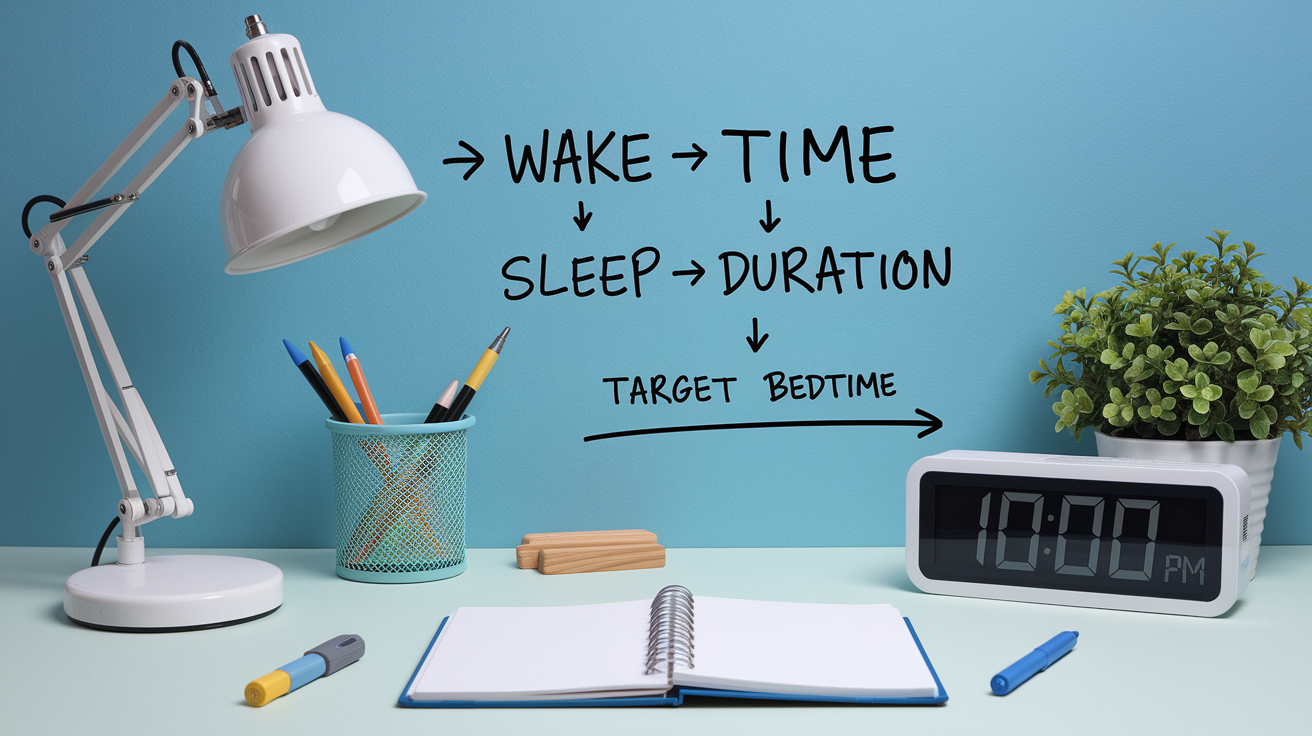
The simplest way to find your ideal bedtime is to work backward from the time you need to wake up. Pick your required wake time, decide how many hours of sleep you need, and subtract. If you need to be up at 6:00 AM and want 8 hours of sleep, your target bedtime is 10:00 PM. Build in an extra 15 to 30 minutes before that to account for the time it takes to fall asleep after you turn off the lights.
| Wake Time | Total Sleep Target | Target Bedtime |
|---|---|---|
| 5:00 AM | 8 hours | 9:00 PM |
| 6:00 AM | 8 hours | 10:00 PM |
| 7:00 AM | 8 hours | 11:00 PM |
| 6:30 AM | 7.5 hours | 11:00 PM |
Use this table as a starting point, then adjust based on how you actually feel in the morning. If you’re waking up groggy or needing multiple alarms, try moving your bedtime 15 to 30 minutes earlier for a week and track the change. If you’re waking up naturally before your alarm and feeling alert, you’ve likely found your sweet spot. The goal is to land on a schedule you can stick to most nights, not just on perfect, distraction free evenings.
Environmental Habits That Support the Best Time to Sleep
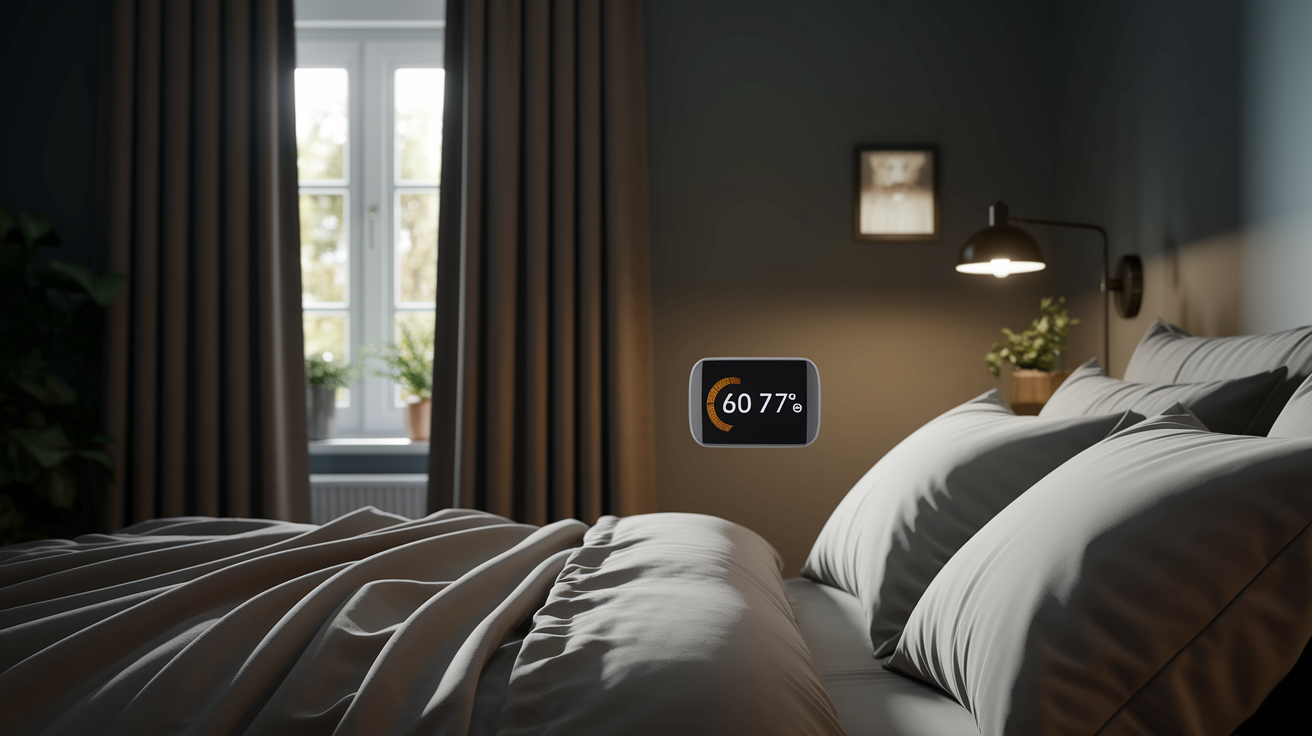
Your bedroom environment can either support or sabotage your ability to fall asleep on time. Temperature, light, and noise all send powerful signals to your brain about whether it’s time to sleep or stay alert. Small adjustments in these areas often make a bigger difference than any sleep app or supplement.
Keep your bedroom cool, somewhere between 60 and 67°F works best for most people. Your core body temperature naturally drops as you fall asleep, and a cooler room helps that process along. If your room is too warm, your body has to work harder to cool down, and falling asleep takes longer. Darkness matters just as much. Even small amounts of light can suppress melatonin and delay sleep onset. Blackout curtains, an eye mask, or simply turning your alarm clock away from your face can help.
Bright light in the evening, especially blue light from screens, shifts your circadian rhythm later and makes it harder to fall asleep on schedule. Aim to limit phone, tablet, and computer use for 60 to 120 minutes before bed. If you need to use screens, dimming them or using a blue light filter reduces some of the impact. Morning light has the opposite effect. Getting 20 to 30 minutes of bright light soon after waking anchors your rhythm earlier and makes evening sleepiness arrive on time.
Here’s a quick list of evidence backed habits that support better sleep timing:
- Set your bedroom temperature between 60 and 67°F before bed.
- Eliminate or block light sources in your bedroom, aiming for near total darkness.
- Limit screen time and bright light exposure for at least 60 minutes before bed.
- Get morning sunlight or bright indoor light within 30 minutes of waking.
- Keep your bedroom quiet. Use earplugs, a white noise machine, or a fan if needed.
- Reserve your bed for sleep only, not work, eating, or scrolling through your phone.
How Lifestyle Timing Affects Your Best Time to Sleep

What you eat, drink, and do in the hours before bed can push your actual sleep time later than you planned, even if you’re in bed on schedule. Caffeine is the most common culprit. It blocks adenosine, a chemical that builds up during the day and makes you feel sleepy. Caffeine has a half life of about 5 to 6 hours, meaning half of it is still in your system hours after your last cup. If you drink coffee at 4:00 PM, a quarter of that caffeine is still active at 10:00 PM.
Alcohol might make you feel drowsy at first, but it disrupts the second half of the night by reducing REM sleep and increasing the number of times you wake up. Avoid drinking alcohol within 3 to 4 hours of bedtime if sleep quality matters to you. Heavy meals close to bedtime can also interfere. Digestion raises your core temperature and can cause discomfort that keeps you awake. Aim to finish large meals at least 2 to 3 hours before you plan to sleep.
Here’s how to time daily habits for better sleep:
- Stop caffeine intake at least 6 hours before bedtime. Earlier if you’re sensitive.
- Avoid alcohol within 3 to 4 hours of your target sleep time to protect REM sleep.
- Finish vigorous exercise at least 2 to 3 hours before bed. Light stretching or walking is fine closer to bedtime.
- Keep naps short, 10 to 30 minutes, and avoid napping after 3:00 PM to prevent interference with nighttime sleep.
- If you eat a late dinner, keep it lighter and give yourself time to digest before lying down.
Best Time to Sleep for Special Circumstances (Shift Work, Jet Lag, Teens, Older Adults)
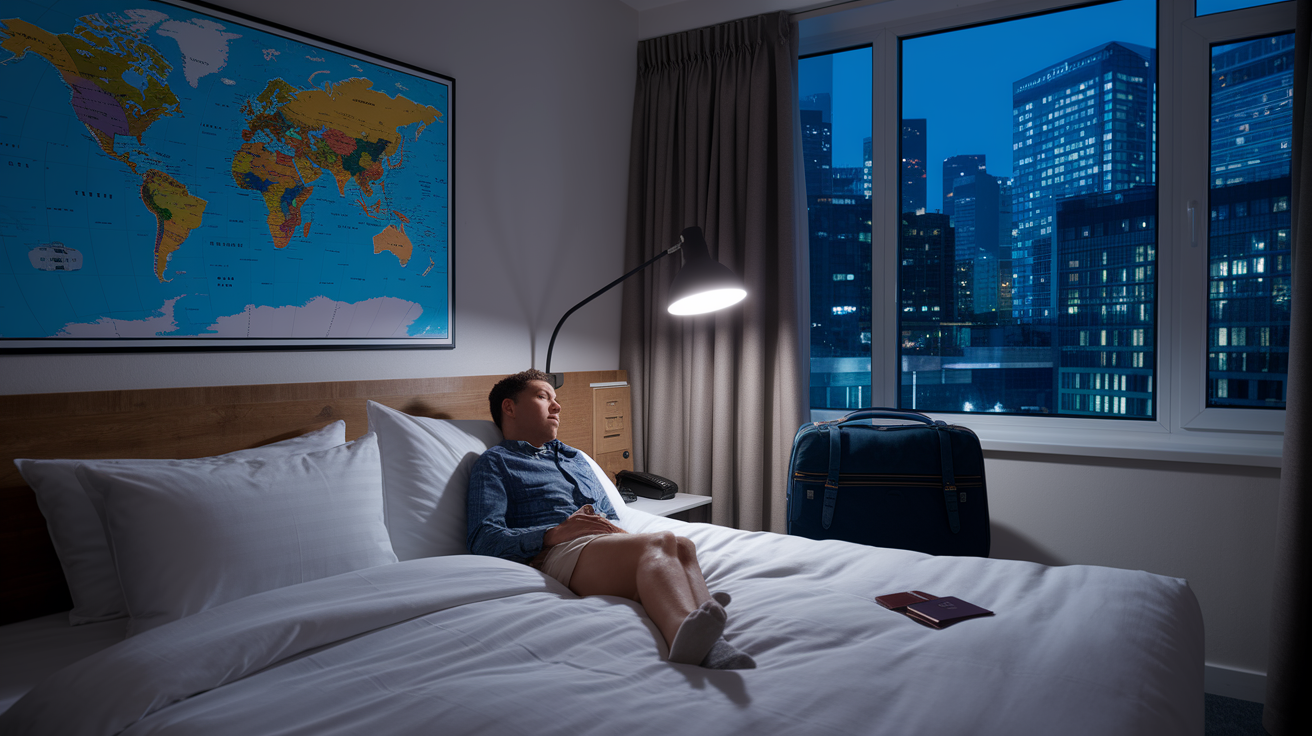
Standard sleep advice assumes a daytime work schedule and stable time zone, but plenty of people operate outside that framework. Shift workers, frequent travelers, teenagers with early school start times, and older adults with fragmented sleep all face unique challenges when trying to sleep at the “best” time.
Shift workers often can’t sleep during the traditional nighttime window. If you work nights, aim for an “anchor sleep” of 4 to 6 hours at the same time each day, even on your days off, then add a 20 to 90 minute nap before your shift starts. Use blackout curtains or an eye mask to block daylight while you sleep, and get bright light exposure during your waking hours to help shift your circadian rhythm. Consistency is harder to maintain on a rotating schedule, but keeping at least one fixed sleep block helps reduce total sleep debt.
Teenagers naturally experience a circadian phase delay during puberty. Melatonin release shifts later, making early bedtimes feel forced. A 15 year old might not feel genuinely sleepy until 11:00 PM, even after a long day. If early school start times are non negotiable, prioritize a consistent wake time and morning light exposure to gradually shift the rhythm earlier. Older adults often shift in the opposite direction, feeling sleepy earlier in the evening and waking earlier in the morning. Sleep becomes lighter and more fragmented with age, but total nightly need usually remains around 7 to 8 hours.
Jet Lag and Time Zone Realignment
Jet lag happens when you cross multiple time zones faster than your circadian rhythm can adjust. Your internal clock still thinks it’s bedtime when the sun is high in your new location. Timed light exposure is the most effective tool for resetting your rhythm. If you’ve traveled east and need to shift earlier, get bright light in the morning at your destination and avoid bright light in the evening. If you’ve traveled west and need to shift later, do the opposite. Seek evening light and dim your environment in the morning. Short term melatonin use can also help, typically 0.5 to 3 mg taken 30 to 90 minutes before your desired bedtime, but check with a healthcare provider before starting, especially if you take other medications.
When Trouble Sleeping Makes It Hard to Follow the Best Time to Sleep
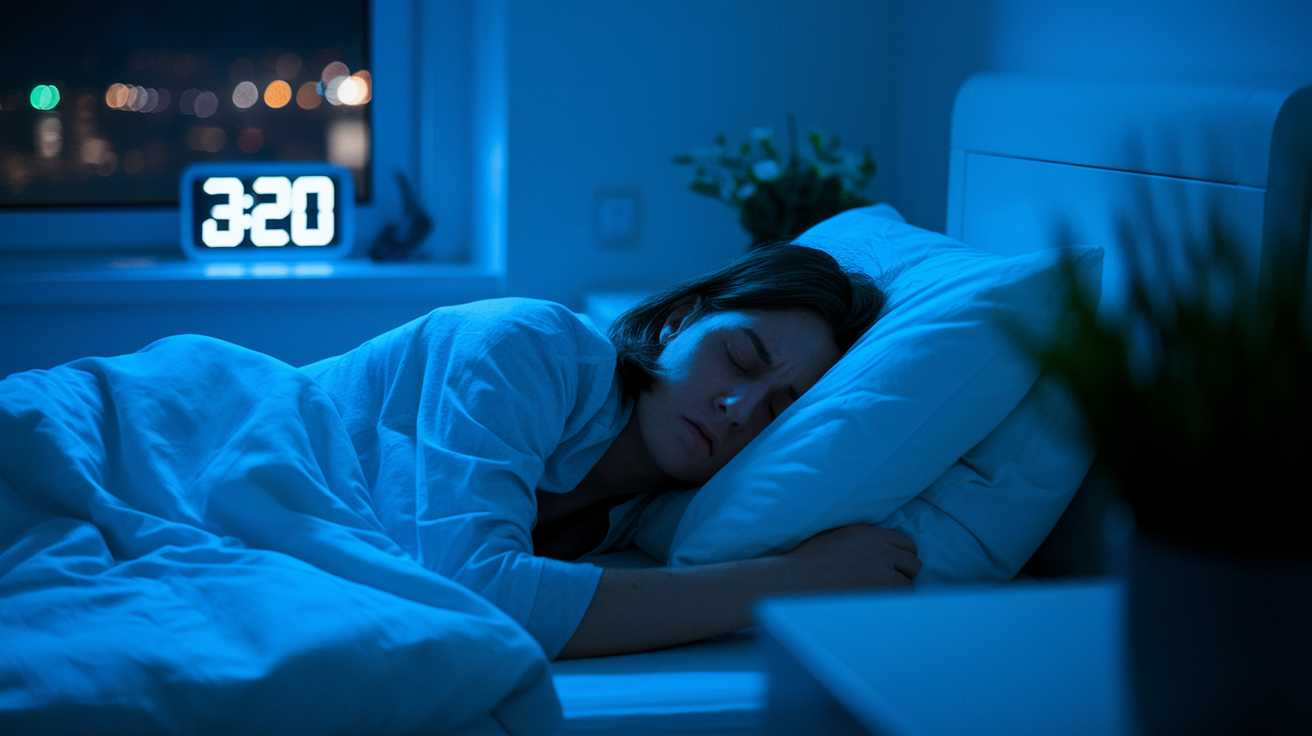
Even when you know the best time to sleep and set up your environment perfectly, sometimes sleep just won’t come. Lying awake night after night, watching the clock, and feeling more anxious with each passing hour is a sign that something deeper may be going on. If sleep problems persist for more than 3 weeks and start affecting your daytime function (your focus, mood, energy, or ability to get through work or family responsibilities), it’s time to talk to a healthcare provider.
Chronic insufficient sleep is linked to a long list of health risks. Over time, getting less than 7 hours regularly increases your chances of developing high blood pressure, type 2 diabetes, depression, obesity, and heart disease. Your immune system weakens, making you more vulnerable to frequent infections. On the other end, regularly sleeping more than 8 to 9 hours per night, especially if you also need long naps during the day, can signal underlying issues like sleep disordered breathing, thyroid problems, or early signs of neurodegenerative disease. Oversleeping is associated with some of the same cardiovascular and metabolic risks as undersleeping.
Here are signs that suggest it’s time to seek professional support:
- You regularly take more than 30 minutes to fall asleep despite feeling tired.
- You wake up multiple times per night and struggle to get back to sleep.
- You feel excessively sleepy during the day even after 7 to 9 hours in bed.
- You snore loudly, gasp, or stop breathing during sleep (noticed by a partner or recorded).
- Sleep problems interfere with your work, relationships, or safety, like falling asleep while driving or making mistakes due to fatigue.
Final Words
Figuring out the best time to sleep starts with a simple backward calculation from your wake-up time, aiming for 7 to 9 hours of sleep within a bedtime window that fits your circadian rhythm and chronotype.
Track how you feel after a week of consistent timing. If you’re waking up refreshed and your energy holds steady through the day, you’ve likely found your sweet spot.
If sleep stays tough or symptoms persist, bring your tracking notes to a healthcare professional. Small adjustments, tested over time, tend to win.
FAQ
Q: Is sleeping from 10pm to 4am good?
A: Sleeping from 10pm to 4am gives about six hours, which is short for most adults who need 7–9 hours; it may work briefly but often leads to sleep debt and daytime tiredness.
Q: What is the 5-3-3 rule?
A: The 5-3-3 rule isn’t a formal medical guideline; people use it as a simple sleep-structure heuristic—often meaning split sleep or extra naps. It’s experimental, and most adults still need 7–9 hours nightly.
Q: Is 10pm to 7am enough sleep?
A: Sleeping from 10pm to 7am gives about nine hours, which falls within the 7–9 hour recommendation for most adults and is generally enough, though personal needs and consistency matter.
Q: What is the perfect sleep schedule?
A: The perfect sleep schedule is one that matches your wake time, provides 7–9 hours, and is consistent; aim for a 9–11pm bedtime window and adjust in small steps for your natural rhythm.