



Your resting heart rate may be the most honest health check you already carry on your wrist.
Resting heart rate is how many times your heart beats in a minute when you’re completely still.
Where that number sits—low, high, or suddenly different—gives real clues about fitness, stress and recovery, and possible health problems.
This post explains what those clues usually mean, how to spot patterns in daily readings, and small tests you can try.
By the end you’ll have one clear next step to test this signal for yourself.
Key Insights Resting Heart Rate Reveals About Your Health

Resting heart rate is how many times your heart beats in a minute when you’re completely still. No movement, no stress, nothing going on. For most adults, that number falls between 60 and 100 beats per minute. That’s considered normal, but where you land in that range (or if you’re outside it) can tell you a lot about your cardiovascular system, your fitness, and your metabolic health overall.
A lower resting heart rate usually means better cardiovascular fitness. When your heart’s strong and efficient, it pumps more blood with each beat. So it doesn’t need to beat as often when you’re resting. Endurance athletes often sit between 40 and 60 beats per minute, and elite athletes can drop into the high 30s. On the flip side, a consistently higher resting heart rate, especially above 80 or 90, can point to lower fitness, higher stress, or increased strain on the heart. Research shows that a persistently elevated resting heart rate is linked to greater cardiovascular disease risk and higher mortality over time.
Your resting heart rate also reflects the balance between your sympathetic nervous system (which speeds things up during stress or activity) and your parasympathetic nervous system (which calms everything down during rest and recovery). When that balance is off because of chronic stress, poor sleep, illness, or an underlying condition, your resting heart rate shifts. Tracking it over days and weeks helps you spot patterns and catch early warnings before they turn into bigger problems.
What your resting heart rate reveals:
- Cardiovascular fitness – Lower rates generally mean a stronger heart and better aerobic conditioning.
- Recovery state – A sudden jump can signal incomplete recovery, illness, or overtraining.
- Autonomic balance – Persistent elevation may reflect chronic stress or poor vagal tone. Low variability can also be a red flag.
- Health risk indicators – Consistently high resting heart rate is associated with roughly an 8 to 20% increase in cardiovascular risk per 10 beats per minute higher, depending on the study.
Primary Factors That Influence Resting Heart Rate
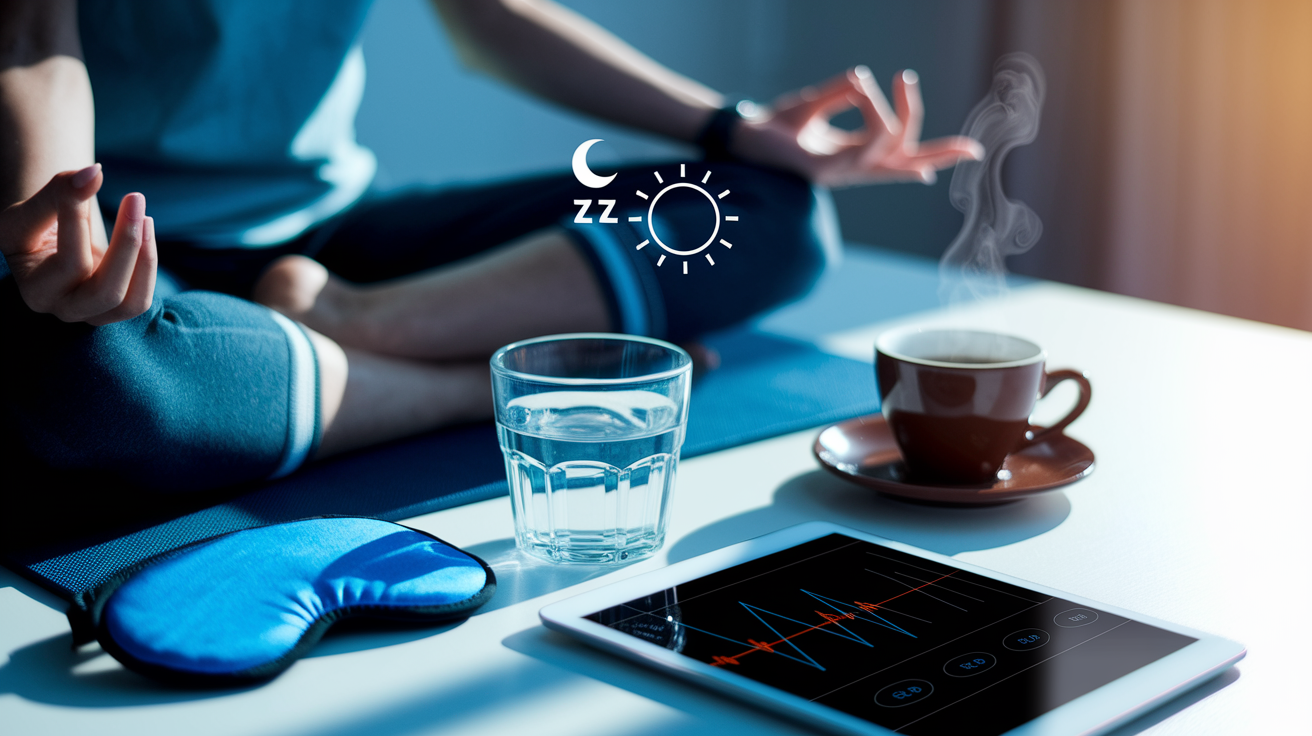
Your resting heart rate isn’t fixed. It shifts based on what’s happening inside your body and around you, some of which you control and some you don’t. Understanding what moves your heart rate up or down helps you interpret day to day changes and decide when a shift is normal versus when it needs attention.
Physical conditioning is one of the strongest modifiers. Regular aerobic exercise like running, cycling, swimming, or brisk walking strengthens your heart and increases stroke volume (the amount of blood pumped per beat). Over weeks and months, that adaptation lowers your resting heart rate. Even modest amounts of exercise can drop your resting rate by about 1 beat per minute per week of consistent training. Total reductions of 10 to 12 beats per minute are common in new exercisers. Sleep quality, stress levels, and hydration also play major roles. Poor sleep and chronic stress keep your sympathetic nervous system active, which raises heart rate. Dehydration reduces blood volume, so your heart has to beat faster to maintain circulation.
Key factors that change resting heart rate:
- Caffeine and stimulants – Coffee, energy drinks, and some cold meds can raise heart rate within 30 to 60 minutes. Effects typically last a few hours.
- Medications – Beta blockers and some calcium channel blockers lower heart rate. Stimulants, certain antidepressants, and decongestants can raise it.
- Alcohol and nicotine – Heavy alcohol use (more than four drinks per day for women, five for men) and smoking both increase resting heart rate.
- Temperature – Heat and fever raise heart rate (often 10 to 30 beats per minute or more). Cold environments can lower it slightly.
- Hormones – Thyroid hormones, adrenaline, cortisol, and menstrual cycle phases all influence autonomic tone and heart rate.
- Illness and infection – Fever, dehydration, pain, and immune activation all push heart rate higher during acute illness.
What High Resting Heart Rate Can Indicate
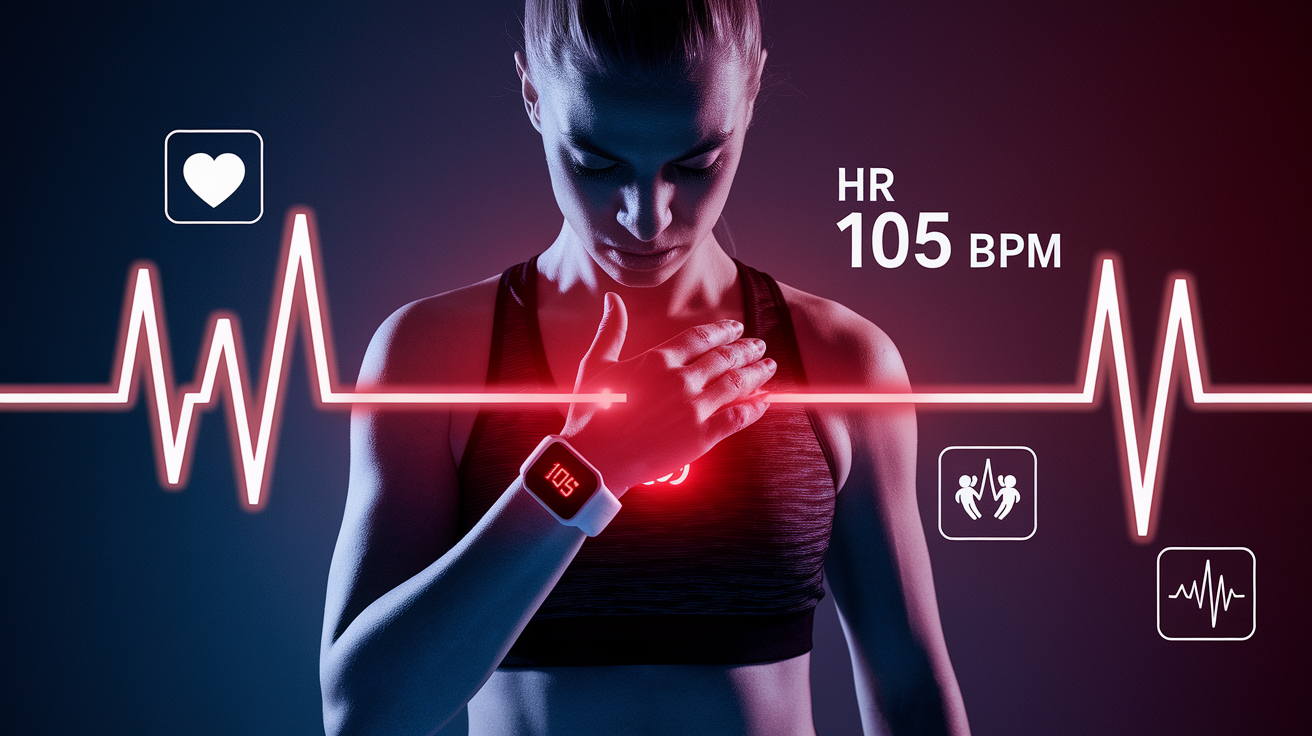
A resting heart rate above 100 beats per minute is medically defined as tachycardia. Even values between 80 and 100 beats per minute, while technically “normal,” are often flagged in cardiovascular risk assessments. Persistently higher resting heart rate has been linked to increased cardiovascular disease risk, metabolic syndrome, and higher all cause mortality. In one large study of about 3,000 men followed for 16 years, those with a resting heart rate of 81 to 90 beats per minute had roughly double the risk of premature death compared to men with lower rates. Those above 90 beats per minute had about triple the risk.
A high resting heart rate usually means your heart is working harder than it should be to maintain circulation at rest. That extra workload can reflect lower cardiovascular fitness, higher body weight, elevated blood pressure, or increased circulating blood fats. It can also signal acute issues like dehydration, fever, infection, anxiety, or pain. Chronic elevation may point to underlying conditions such as anemia (which reduces oxygen carrying capacity, forcing the heart to compensate), hyperthyroidism (which revs up metabolism and heart rate), uncontrolled diabetes, or heart failure.
When resting heart rate climbs suddenly or stays elevated without an obvious short term cause like caffeine, stress, or a recent workout, it’s worth investigating. Persistent tachycardia can indicate arrhythmias (irregular heart rhythms), autonomic dysfunction, or worsening cardiovascular disease. The combination of high resting heart rate and symptoms like chest discomfort, shortness of breath, dizziness, or palpitations is a red flag that needs prompt medical evaluation.
| Possible Cause | Typical BPM Pattern | Notes |
|---|---|---|
| Fever or infection | +10 to +30 bpm or more | Heart rate rises about 10 bpm per degree Celsius of fever. Resolves as infection clears |
| Dehydration | +5 to +15 bpm | Reduced blood volume forces heart to beat faster. Improves with rehydration |
| Hyperthyroidism | Persistently >90 to 100 bpm | Excess thyroid hormone accelerates metabolism and heart rate. Needs medical treatment |
| Chronic stress or anxiety | Persistently 80 to 100+ bpm | Sustained sympathetic activation. Improves with stress management and lifestyle changes |
What Low Resting Heart Rate Can Indicate

A resting heart rate below 60 beats per minute is called bradycardia. In many cases, especially for regular exercisers and endurance athletes, a low resting heart rate is a sign of excellent cardiovascular health. It means your heart has adapted to training by becoming stronger and more efficient, pumping more blood per beat so it doesn’t need to beat as often. Elite endurance athletes commonly have resting heart rates in the high 30s to mid 40s, and that’s completely normal for them.
But a low resting heart rate isn’t always a good thing. If you’re not an athlete and your resting heart rate drops below 50 beats per minute, especially if you experience symptoms like dizziness, fatigue, lightheadedness, near fainting, or breathlessness, it can indicate a problem with your heart’s electrical conduction system. The heart’s natural pacemaker (the sinoatrial node) or the pathways that carry electrical signals through the heart can slow down or fail with age, disease, medication effects, or electrolyte imbalances. Hypothyroidism (underactive thyroid) and certain medications, particularly beta blockers and calcium channel blockers, also lower heart rate and can sometimes drop it too low.
Warning signs that a low resting heart rate needs medical evaluation:
- Resting heart rate consistently below 50 bpm with dizziness, fainting, or near fainting spells.
- New onset of severe fatigue or weakness that limits daily activities.
- Chest discomfort or shortness of breath at rest or with minimal exertion.
- Sudden drop in resting heart rate of 15 or more beats per minute compared to your usual baseline without an obvious cause.
Health Conditions That Affect Resting Heart Rate

Several medical and metabolic conditions can push resting heart rate higher or lower than the normal range. Thyroid disorders are among the most common. Hyperthyroidism (too much thyroid hormone) speeds up metabolism and heart rate, often pushing resting heart rate above 90 or even 100 beats per minute. Hypothyroidism (too little thyroid hormone) slows everything down, including heart rate, and can cause resting heart rate to drop below 60 beats per minute in people who aren’t athletes.
Arrhythmias (irregular heart rhythms) can cause resting heart rate to be too fast, too slow, or erratic. Atrial fibrillation, one of the most common arrhythmias, typically raises resting heart rate and makes it irregular. Heart disease, including heart failure and coronary artery disease, often increases resting heart rate because the heart is working harder to pump blood effectively. Anemia (low red blood cell count) reduces the blood’s oxygen carrying capacity, forcing the heart to beat faster to deliver enough oxygen to tissues. Infections, particularly severe or systemic ones, raise heart rate as part of the body’s immune and metabolic response.
Autonomic dysfunction (problems with the nervous system’s control of heart rate) can cause resting heart rate to be abnormally high, abnormally low, or unstable. This can happen with diabetes (diabetic autonomic neuropathy), certain autoimmune diseases, or after prolonged critical illness. Metabolic syndrome and insulin resistance are also associated with higher resting heart rate, and some research suggests that persistently elevated resting heart rate may be an early marker of cardiometabolic risk.
Common conditions linked to abnormal resting heart rate:
- Hyperthyroidism – Raises resting heart rate, often above 90 to 100 bpm. May cause palpitations, weight loss, and heat intolerance.
- Atrial fibrillation – Irregular and often rapid heart rate. Increases stroke risk and requires medical management.
- Heart failure – Elevated resting heart rate reflects increased cardiac workload. Persistent tachycardia is a poor prognostic sign.
- Anemia – Low hemoglobin forces compensatory increase in heart rate to maintain oxygen delivery.
- Autonomic neuropathy – Can cause abnormally high, low, or unstable resting heart rate. Common in diabetes and autoimmune conditions.
How to Measure Resting Heart Rate Correctly
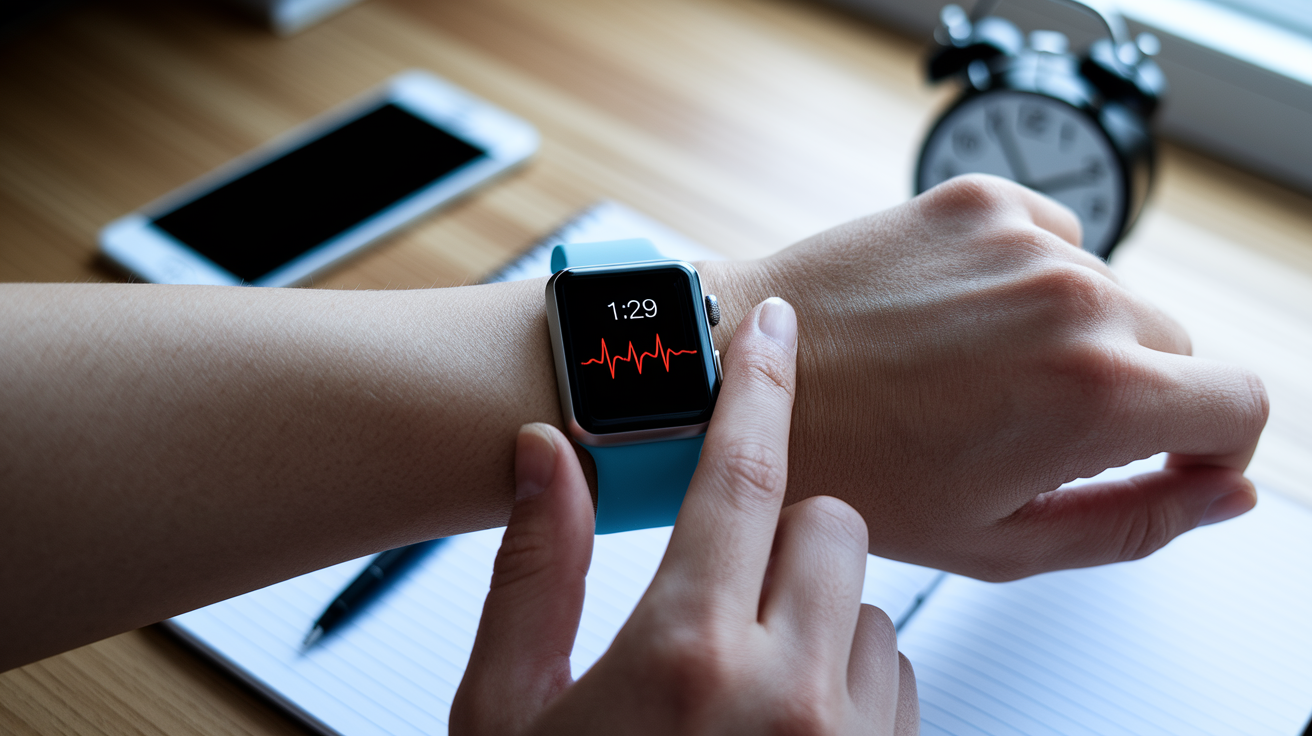
The most accurate way to measure your resting heart rate is first thing in the morning, before you get out of bed. At that moment, your body’s been at rest for hours, you haven’t had caffeine or food, and you’re typically calm. This gives you a true baseline reading that reflects your cardiovascular state without the influence of activity, stress, or stimulants.
How to measure:
- Sit or lie still for at least 5 to 10 minutes before measuring. If measuring in the morning, stay in bed after waking.
- Place your index and middle finger on the inside of your wrist, just below the thumb (radial pulse), or on the side of your neck about one to two inches below your ear (carotid pulse). Don’t use your thumb. It has its own pulse.
- Count the number of beats you feel for 60 seconds. That’s your resting heart rate in beats per minute.
- For a quicker check, count for 30 seconds and multiply by two. Repeat the count once or twice to confirm consistency.
- Record the measurement along with the time of day, your posture (sitting, lying down), and any recent activities or substances (caffeine, medication, stress, exercise).
Common measurement errors include counting too soon after activity, measuring after drinking coffee or tea, taking only one reading and assuming it’s accurate, or pressing too hard on the carotid artery (which can slow the pulse artificially). Wrist worn fitness trackers and chest strap heart rate monitors can also track resting heart rate trends, but absolute accuracy varies by device. Manual pulse checks remain the gold standard for spot measurements. Take readings on multiple days at the same time and under the same conditions to establish your true baseline and catch meaningful changes.
When You Should Seek Medical Advice About Resting Heart Rate

See a doctor if your resting heart rate is consistently above 100 beats per minute without an obvious short term cause like caffeine, stress, or recent exercise. Persistent tachycardia can reflect underlying heart disease, arrhythmias, thyroid problems, or other systemic conditions that need diagnosis and treatment. Also seek evaluation if your resting heart rate is below 50 beats per minute and you’re not a trained athlete, especially if you experience symptoms like dizziness, fainting, severe fatigue, or breathlessness.
Sudden changes in your baseline resting heart rate are another red flag. If your usual resting heart rate is 65 beats per minute and it jumps to 85 or 90 and stays there for several days without an obvious reason, that’s worth investigating. Similarly, a sudden drop of 15 or more beats per minute from your baseline can signal medication effects, a new medical issue, or changes in your autonomic nervous system.
Red flags that require medical evaluation:
- Resting heart rate persistently above 100 bpm, especially if accompanied by palpitations, chest discomfort, or shortness of breath.
- Resting heart rate below 50 bpm with dizziness, near fainting, fainting episodes, or severe fatigue (non athletes).
- New irregular pulse or heart rhythm, particularly if sustained or frequent.
- Sudden unexplained change in baseline resting heart rate of 15 or more beats per minute lasting several days or longer.
Final Words
Start by measuring your pulse first thing in the morning. That single number, your resting heart rate, gives a clue about fitness, recovery, and stress.
We covered the basics: what it is, normal adult ranges roughly 60 to 100 bpm, what high and low values often mean, the main factors that move it, how to measure it properly, and when to see a clinician. Track it for several days and watch for patterns.
If you wonder what does resting heart rate tell you, it’s a useful signal to test small changes and feel better, step by step.
FAQ
Q: What is a good resting heart rate by age?
A: A good resting heart rate by age is: newborns 100–160 bpm, infants 90–150, children 70–110, teens 60–100, adults 60–100. Lower rates often mean better fitness; see a clinician if unusual.
Q: What are the four signs your heart is quietly failing?
A: The four signs your heart is quietly failing are increasing shortness of breath with little activity, swollen legs or belly, persistent low energy or fatigue, and unexplained rapid weight gain from fluid.
Q: Does resting heart rate tell you anything?
A: Resting heart rate tells you about fitness, recovery status, stress levels, and possible illness; tracking it over days or weeks helps you spot patterns that suggest small changes or a clinician check.
Q: What does your resting heart rate tell you about longevity?
A: Your resting heart rate tells you about longevity by indicating cardiovascular strain: a persistently higher rate links to greater long-term mortality risk, while a lower rate often reflects better fitness and possibly longer life.