

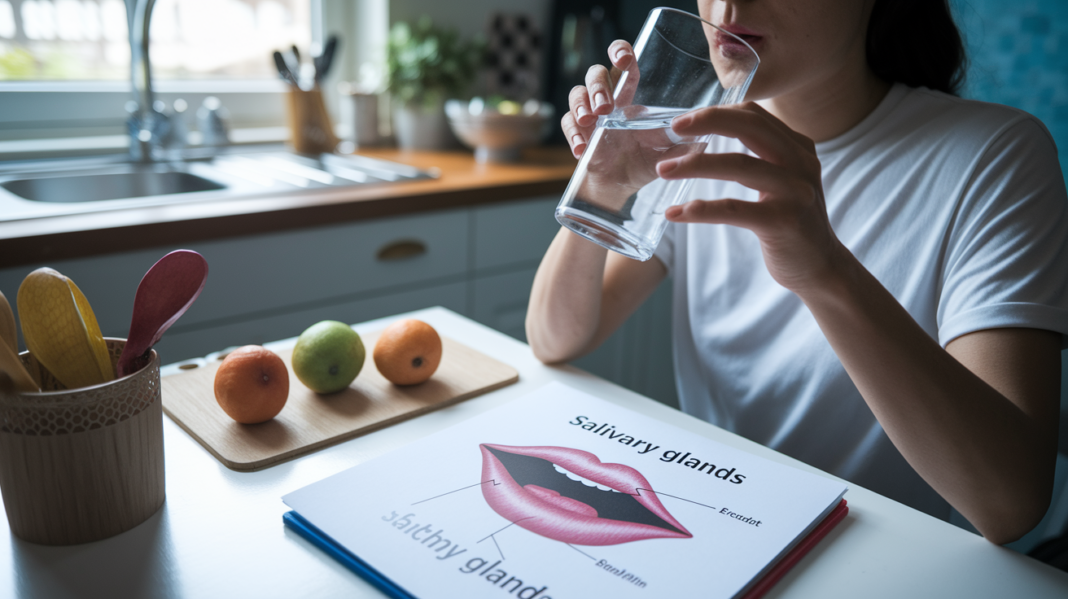

Dry mouth is often dismissed as minor, but it can wreck your sleep, taste, and teeth.
If your tongue feels like sand, lips crack, or you wake at night thirsty, there are clear reasons and fixes.
This post breaks down the most common causes, including meds, dehydration, breathing and gland problems, and gives simple, testable remedies you can try today, like sip schedules, chewing tricks, humidifiers, and what to bring to your doctor.
Read on to stop the constant throat clearing and protect your smile.
Core Overview of Dry Mouth and How It Develops
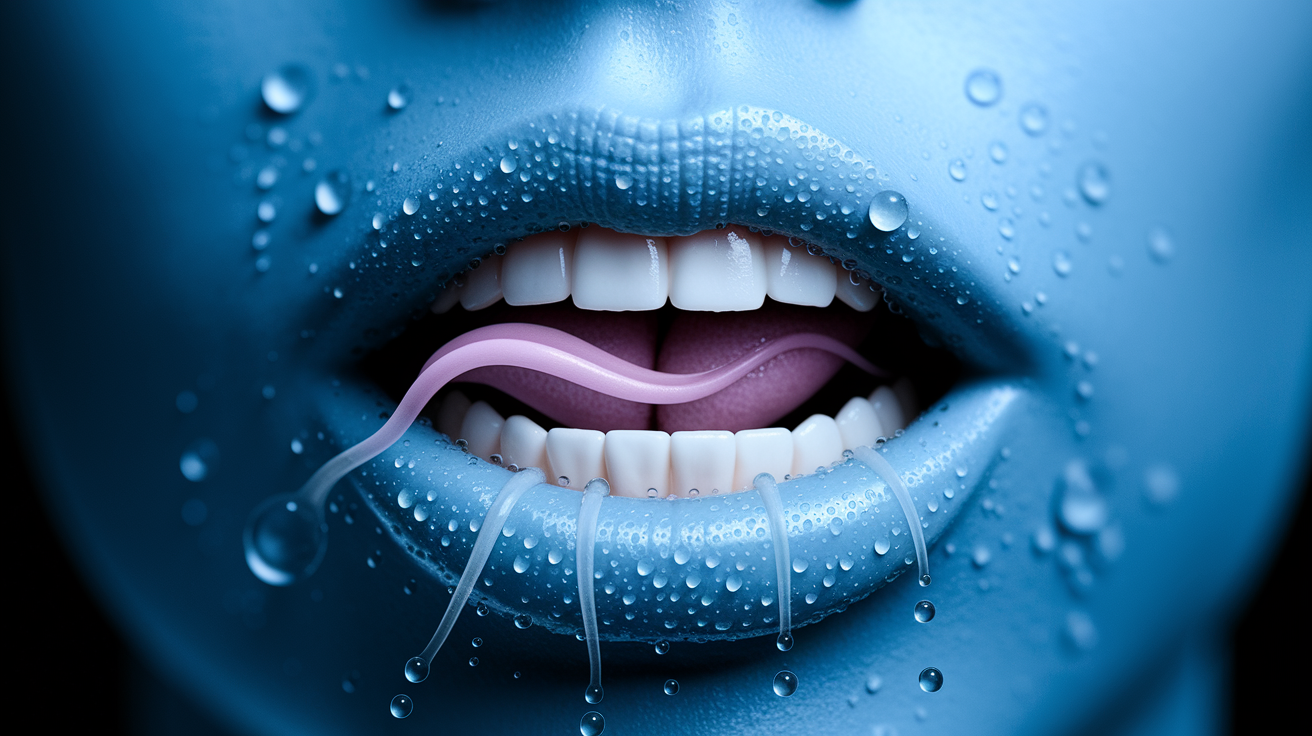
Dry mouth (xerostomia) is the feeling that your mouth doesn’t have enough saliva. And for good reason. Saliva is about 98% water, with the rest made up of electrolytes, enzymes, minerals, and antimicrobial compounds that protect your teeth, support digestion, and keep your mouth comfortable. When production drops or saliva quality changes, you notice it fast. Sticky sensations, trouble swallowing, cracked lips, or a tongue that feels like sandpaper.
Your major salivary glands (parotid in front of your ears, submandibular under your jaw, and sublingual on the floor of your mouth) respond to signals from your autonomic nervous system. When something disrupts those signals, blocks the glands, or drains your body’s water reserves, saliva flow slows or stops. The reasons fall into a few broad categories:
Dehydration and low fluid intake. Medications that reduce gland activity or thicken secretions. Chronic diseases that damage glands or alter fluid balance. Breathing patterns and environmental factors that dry oral tissues.
The fixes also group into practical clusters. Drinking water and maintaining hydration throughout the day. Using saliva stimulating actions like chewing gum or sucking lozenges. Adjusting medications or treating underlying health conditions. Adding moisture to your environment with humidifiers.
Common Dry Mouth Causes Linked to Lifestyle, Medications, and Health Conditions

Medication Related Causes
Medications rank among the most common dry mouth triggers. Drugs don’t set out to dry your mouth. They target other systems and saliva production gets caught in the crossfire. Tricyclic antidepressants reduce nerve signals that tell glands to secrete saliva. Antihistamines block receptors that drive gland activity. Blood pressure medications, especially diuretics, pull water out of your system to lower fluid volume and blood pressure, leaving less water available for saliva. Parkinson’s medications, muscle relaxers, and pain relievers also interfere with the autonomic signals that keep saliva flowing. The effect stacks. If you’re taking three or four of these drugs at once, your mouth dries out fast.
Medical and Chronic Disease Causes
Certain diseases attack the glands directly or alter the conditions saliva needs to flow. Sjögren’s syndrome is an autoimmune disorder that treats your moisture producing glands like invaders, slowly destroying the cells that make saliva and tears. Diabetes causes dry mouth when blood sugar runs high (hyperglycemia), pulling water out of tissues and leaving your mouth parched. Thyroid disorders, HIV, and chronic hepatitis C also disrupt saliva production through hormonal imbalance or immune dysfunction.
Cancer treatments hit hard. Radiation aimed at the head or neck can permanently damage or destroy salivary cells, and chemotherapy can thicken saliva or reduce output. Asthma contributes in two ways: mouth breathing when airways are tight, and inhaler medications that dry tissues on contact. Post stroke patients often struggle with swallowing and saliva control.
Inflammation or infection of the glands themselves (sialadenitis) can flare from bacteria, viruses (including COVID 19), or salivary stones (sialoliths) that form when minerals harden and block ducts. Risk factors for stones include low water intake, smoking, and certain medications.
Lifestyle and Environmental Triggers
Your daily habits shape saliva flow more than you might expect. Tobacco (smoked or chewed) damages gland cells and reduces secretion. Alcohol acts as a diuretic and irritates tissues. Marijuana dries the mouth noticeably. Caffeine, especially in large amounts, pulls water from your system. Stress and anxiety trigger the fight or flight response, which diverts resources away from digestion and saliva production. Think of the dry mouth you get before a big presentation.
Breathing through your mouth, whether from habit, nasal congestion, a deviated septum, or snoring, evaporates moisture from oral tissues faster than glands can replace it. Aging itself doesn’t directly cause dry mouth, but older adults face a higher risk because of polypharmacy (taking multiple medications), blunted thirst signals, and lower sodium and water retention in the body.
Dry Mouth Symptoms and How They Affect Oral Health
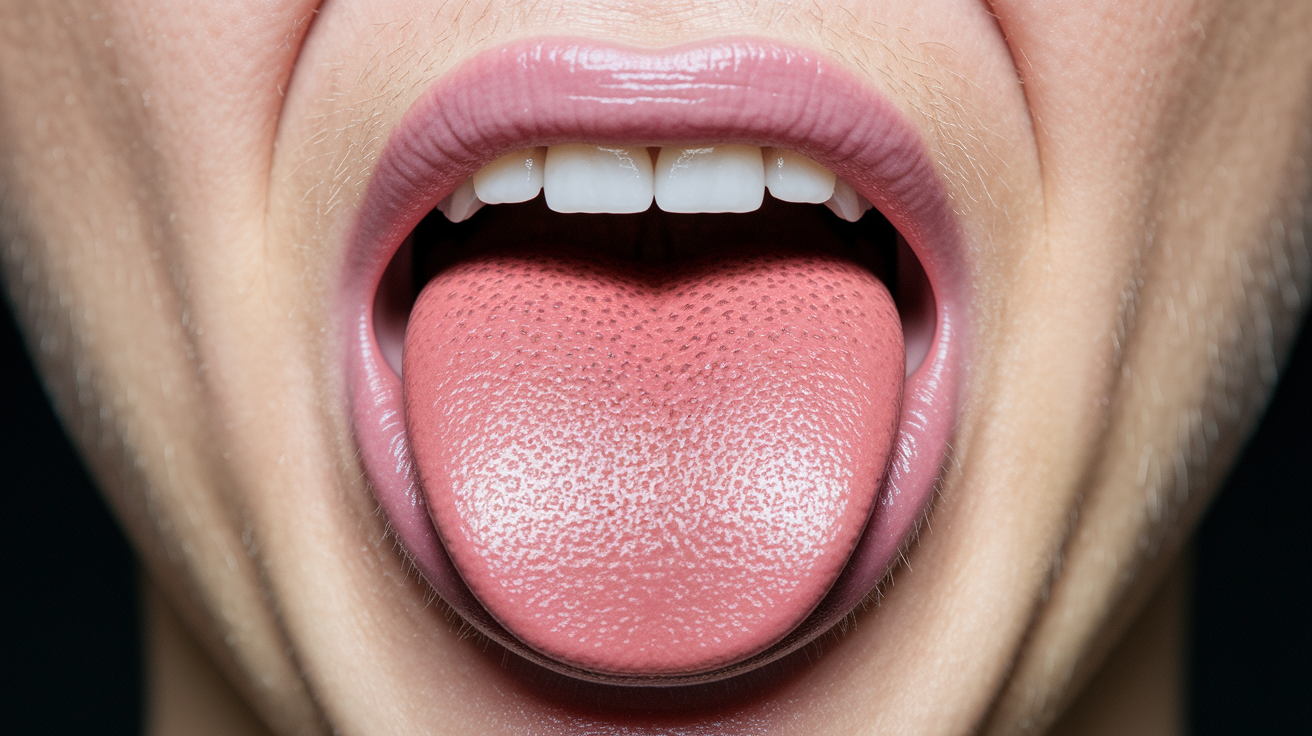
The early signs of dry mouth feel like minor annoyances. Frequent thirst, a sticky sensation, or trouble getting words out smoothly. As saliva production drops further, symptoms intensify and spread. Your sense of taste shifts or dulls because saliva carries flavor molecules to receptors. Lips crack and corners of the mouth develop painful splits called angular cheilitis. Your voice turns hoarse from a dry throat. Swallowing becomes effortful, especially with dry or dense foods. The tongue looks dry and textured instead of moist and smooth. Saliva turns thick, stringy, and hard to clear. Bad breath lingers because saliva isn’t washing away bacteria and food debris.
When dry mouth persists, the complications move beyond discomfort into real oral health damage. Saliva neutralizes acids, clears food particles, and delivers minerals that rebuild enamel. Without it, tooth decay accelerates. Gum disease takes hold faster because bacteria aren’t being rinsed away. Oral thrush (a yeast infection) blooms in the dry environment. Mouth sores appear more frequently and heal slowly. A burning or stinging sensation can develop, especially on the tongue.
Facial swelling or fever signals possible infection. Sialadenitis or a blocked duct. Difficulty eating forces you toward softer, often less nutritious foods. Sleep gets interrupted when you wake up repeatedly to drink water. The most recognizable symptoms to track:
Frequent thirst or a sticky mouth sensation. Cracked lips or painful splits at the mouth corners. Hoarse voice or sore throat. Thick, stringy saliva that’s hard to swallow. Dry, textured tongue instead of smooth and moist. Altered or dulled sense of taste. Bad breath that doesn’t improve with brushing. Difficulty chewing, swallowing, or speaking clearly.
Nighttime Dry Mouth Causes and Effective Sleep Focused Remedies
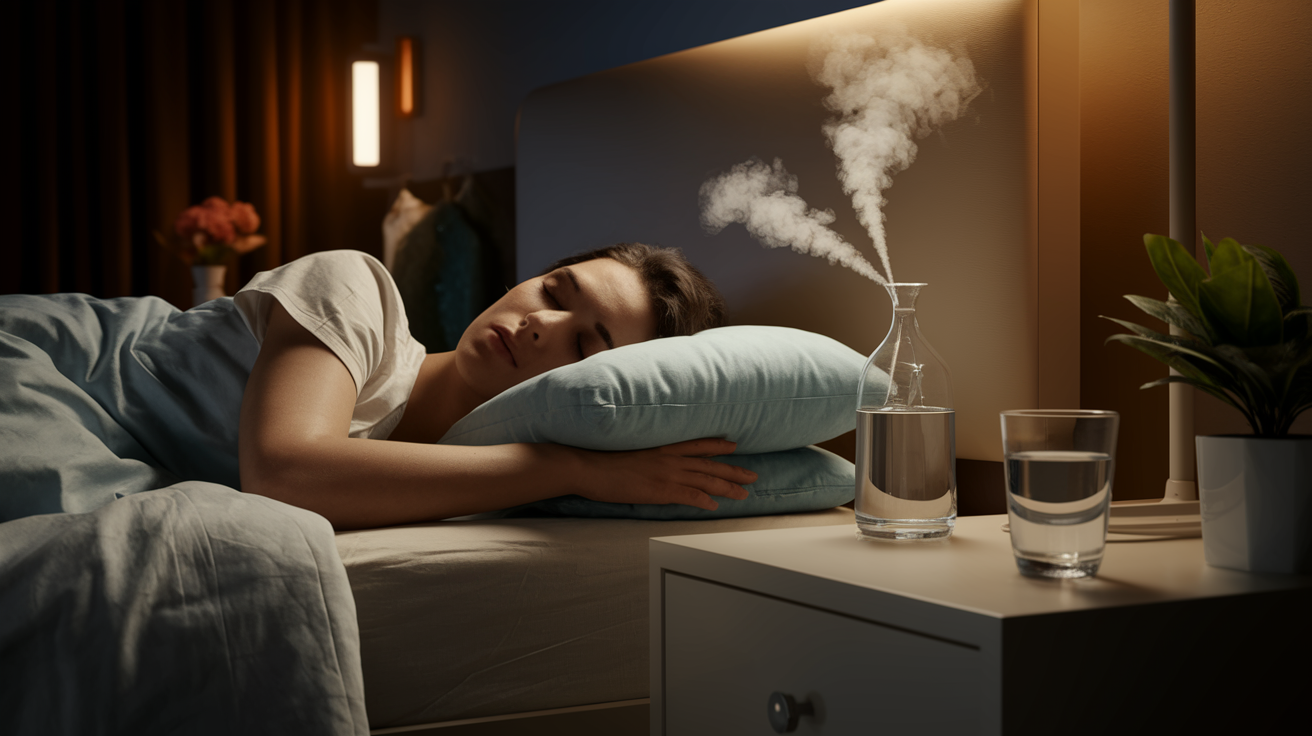
Dry mouth often worsens overnight because your saliva production naturally drops during sleep and your mouth may stay open for hours. Snoring, nasal congestion, a deviated septum, or sleep apnea all push you toward mouth breathing, which evaporates moisture faster than glands can replace it. CPAP machines used for sleep apnea deliver pressurized air that can dry tissues, especially if humidity settings are low. Dental retainers and orthodontic appliances hold your mouth slightly open or block normal saliva distribution. The room itself matters. Central heating and air conditioning strip moisture from the air, leaving ambient humidity below the 30 to 50 percent range your mouth needs.
The fixes target breathing, positioning, and environmental moisture. Try elevating your head with an extra pillow or sleeping on your side to reduce snoring and keep your airway open. If nasal congestion is chronic, talk with your primary care provider or an ENT about a deviated septum or other structural issues that force mouth breathing. Use a humidifier placed near your bed, set to maintain roughly 30 to 50 percent relative humidity. This adds moisture to the air you breathe all night.
If you use a CPAP, check whether your machine has a heated humidifier setting and turn it up. Keep a glass of water on your nightstand and take small sips if you wake up with a dry mouth. These small adjustments can turn interrupted sleep and morning discomfort into a more restful night:
Elevate your head or sleep on your side to reduce snoring and mouth breathing. Use a humidifier near your bed, targeting 30 to 50 percent humidity. Adjust CPAP humidifier settings if you use one for sleep apnea. Address nasal congestion or structural airway issues with a provider. Keep water within reach and sip when you wake.
Home Remedies and Daily Habits That Help Boost Saliva Naturally
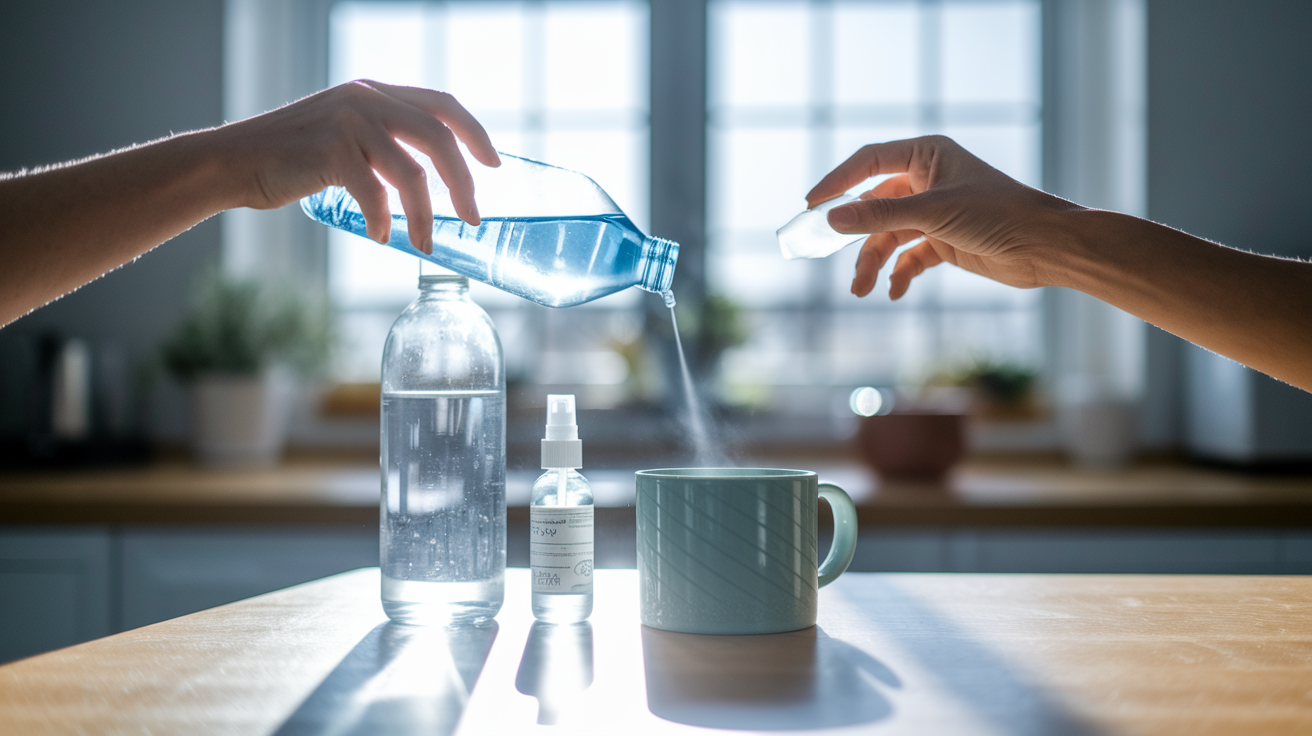
The simplest and most effective remedy is also the most overlooked. Sip water throughout the day. Saliva is 98 percent water, so chronic mild dehydration shows up in your mouth first. Carry a water bottle and take small sips every 15 to 20 minutes instead of waiting until you’re thirsty. Men generally need around 3.7 liters daily, women around 2.7 liters, though activity level, climate, and medications all shift those targets. Ice chips work well when plain water feels boring. Sucking on them slowly stimulates saliva and keeps your mouth cool and moist.
Chewing sugar free gum or sucking sugar free lozenges or popsicles triggers the mechanical reflex that tells your glands to secrete saliva. Look for products with xylitol, a natural sweetener that also lowers cavity risk. Breathe through your nose as much as possible, especially during the day. This keeps moisture in and reduces evaporation. If nasal breathing is hard, investigate whether congestion, allergies, or a structural issue like a deviated septum is blocking airflow.
Avoid foods and drinks that worsen dryness. Spicy, acidic, or very hot items irritate dry tissues. Crunchy, chewy, hard, or dry foods (crackers, toast, dense bread) stick and demand extra saliva you don’t have. Stick with soft, moist options. Soups, stews, yogurt, foods with sauces or gravies. Cut back on coffee, alcohol, tobacco, and marijuana, all of which dry the mouth or act as diuretics.
A simple salivary gland massage can help. Use two fingers and apply gentle pressure starting at the lower front of your ear, then slide along your cheek under the cheekbone. Repeat under your jawbone moving from back to front. Use a spray bottle or atomizer to mist your mouth with water when dryness hits suddenly. Set up a humidifier at home, especially in the bedroom, and aim for 30 to 50 percent relative humidity. Ten small daily actions that make a difference:
- Sip water every 15 to 20 minutes throughout the day
- Chew sugar free gum with xylitol after meals
- Suck on sugar free lozenges, popsicles, or ice chips
- Breathe through your nose instead of your mouth
- Avoid spicy, acidic, hot, crunchy, and dry foods
- Choose soft, moist foods like soups, stews, and sauced dishes
- Reduce or eliminate coffee, alcohol, tobacco, and marijuana
- Massage salivary glands gently with two fingers along the cheek and jaw
- Use a small spray bottle to mist your mouth with water as needed
- Run a humidifier at home, targeting 30 to 50 percent humidity
| Remedy | How It Helps |
|---|---|
| Frequent water sips | Directly replaces the water that makes up 98% of saliva |
| Sugar free gum with xylitol | Stimulates gland activity and lowers cavity risk |
| Humidifier at 30–50% humidity | Reduces moisture evaporation from oral tissues overnight |
OTC Products and Medical Treatments for Dry Mouth Relief

Over the counter artificial saliva products (sprays, lozenges, gels, and mouthwashes) coat and temporarily moisten oral tissues when your own saliva runs low. They provide short term comfort and protection, especially before meals or during long meetings, but they don’t stimulate your glands to produce more saliva and they lack the enzymes, electrolytes, and antimicrobial compounds that natural saliva delivers. Look for alcohol free formulas, since alcohol based mouthwashes worsen dryness. Biotene Dry Mouth Oral Rinse carries the American Dental Association (ADA) seal. ADA testing confirms it’s safe and effective for temporary symptom relief when used as directed.
For chronic or severe cases, prescription medications can help. Pilocarpine and cevimeline are cholinergic drugs that stimulate the nerves controlling your salivary glands, increasing natural saliva flow. They work best when gland tissue is still functional. If radiation or autoimmune disease has destroyed too many cells, the drugs have less to work with. A healthcare provider will evaluate whether you’re a candidate.
Dentists can apply fluoride varnish or provide custom trays for at home fluoride gel application to protect teeth from the accelerated decay that dry mouth causes. They can also review your medication list and work with your prescribers to adjust doses or switch to alternatives that cause less dryness.
Common OTC product categories include:
Artificial saliva sprays for quick moisture between meals or during activities. Dry mouth lozenges that dissolve slowly and coat tissues. Alcohol free mouthwashes formulated to soothe and protect without further drying. Toothpastes designed for sensitive, dry mouths, often with added fluoride. Oral moisturizing gels applied directly to dry areas inside the mouth.
Prevention Strategies to Reduce Chronic Dry Mouth Episodes
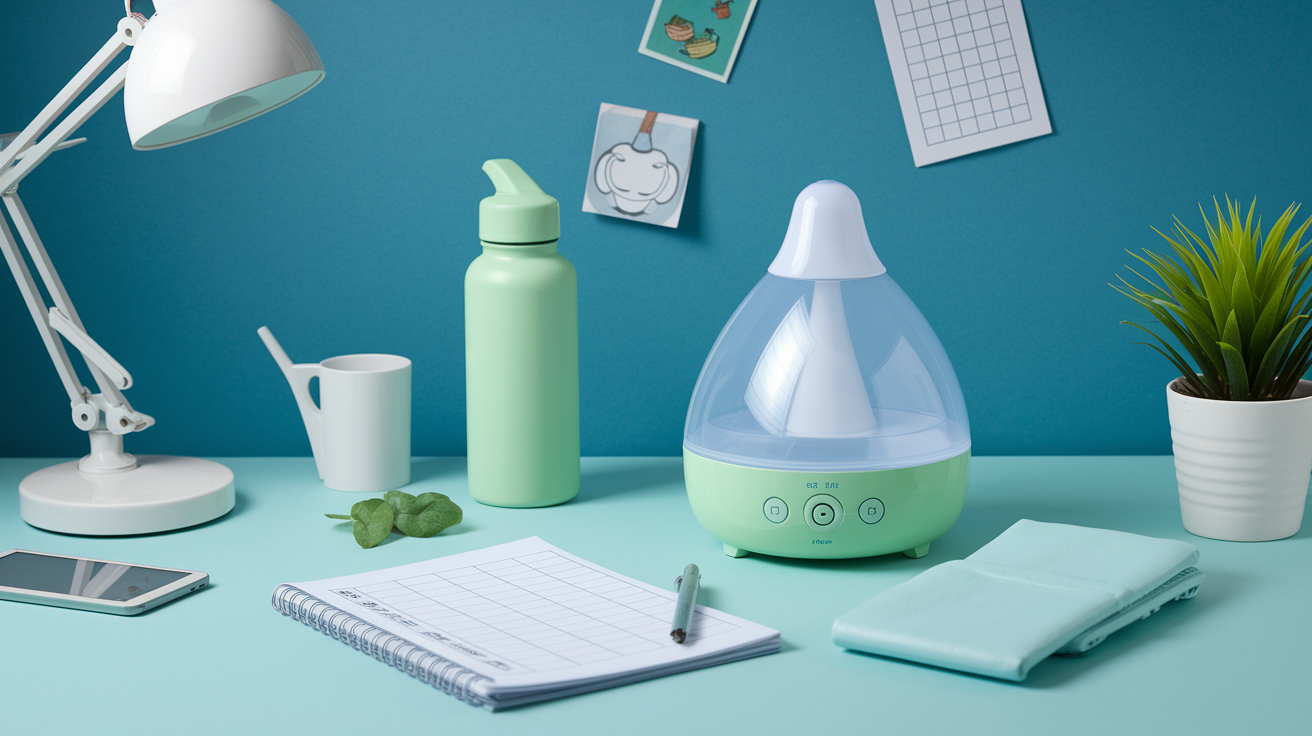
Preventing dry mouth is easier than reversing the damage it causes. Start with hydration. Make water your default drink and track intake to hit the daily targets (around 3.7 liters for men, 2.7 liters for women, adjusted for activity and climate). Practice nasal breathing during the day and address any nasal obstructions that force mouth breathing at night. Avoid or minimize tobacco, alcohol, marijuana, and excessive caffeine, all of which dry tissues or pull water from your system.
Maintain a strong oral hygiene routine to offset the higher decay and gum disease risk that comes with reduced saliva. Brush twice daily with fluoride toothpaste, floss gently once a day, and use an alcohol free antibacterial rinse if your dentist recommends it. Schedule regular dental checkups so problems get caught early. Your dentist can spot early decay, gum changes, or infections before they become painful or expensive.
Use a humidifier at home, especially in winter when indoor air dries out. Review your medications with your healthcare provider annually. Sometimes a small dose adjustment or a switch to a different drug in the same class can reduce dry mouth without compromising treatment. Pay attention to nutrition, since deficiencies in certain vitamins and minerals can worsen oral health and saliva quality. Key prevention strategies:
Drink water consistently throughout the day to meet daily fluid needs. Practice nasal breathing and treat structural or allergy related airway blockages. Avoid tobacco, limit alcohol and caffeine, and skip recreational drugs that dry the mouth. Brush with fluoride toothpaste twice daily and floss gently once a day. Schedule dental checkups every six months to catch complications early. Run a humidifier at home to maintain 30 to 50 percent humidity year round.
When to Seek Professional Evaluation for Persistent Dry Mouth

If dry mouth lasts more than a few days or keeps coming back, see a dentist or your primary care provider. Persistent dryness can signal an underlying condition. Autoimmune disease, poorly controlled diabetes, medication side effects, or gland damage all need targeted treatment. Seek care sooner if you notice burning or stinging sensations in your mouth, white scaly patches that could indicate thrush, or significant difficulty swallowing. Facial swelling, fever, or pain around the salivary glands suggests possible infection (sialadenitis) or a blocked duct from a salivary stone, both of which need prompt evaluation and treatment.
A clinician can investigate the root cause, review your medication list, perform blood tests or imaging if needed, and prescribe medical grade mouthwashes, fluoride treatments, or saliva stimulating drugs. If the cause is complex (Sjögren’s syndrome, radiation damage, or nerve injury), you may be referred to a rheumatologist, ENT specialist, oncologist, or another expert.
Bring notes from your tracking to the appointment. When dryness is worst, what makes it better or worse, other symptoms you’ve noticed, and any recent medication or health changes. Those patterns give your provider a clearer starting point and speed up diagnosis.
Final Words
Try one small change today: sip water, chew sugar-free gum, or run a humidifier at night.
This post covered saliva’s role, common causes, symptoms, night-time triggers, practical home habits, OTC and medical options, prevention, and red flags for care.
Track symptoms for a week and test one change. Bring your notes to a clinician if things don’t improve. These dry mouth causes and remedies are manageable, and small tests often lead to real relief.
FAQ
Q: What is a quick cure for dry mouth?
A: A quick cure for dry mouth is sipping water, sucking ice chips, or chewing sugar-free gum to trigger saliva—these often ease dryness within minutes and make speaking and swallowing easier.
Q: What drinks get rid of dry mouth?
A: Drinks that get rid of dry mouth include plain water, sugar-free electrolyte drinks, and caffeine-free herbal teas; avoid alcohol, sugary sodas, and too much caffeine, which can make dryness worse.
Q: What am I lacking if I have a dry mouth or what illness is dry mouth a symptom of?
A: A dry mouth often means you’re low on fluids or mouth moisture, but it can also come from medication side effects or conditions like diabetes, Sjögren’s syndrome, thyroid problems, or dehydration.