

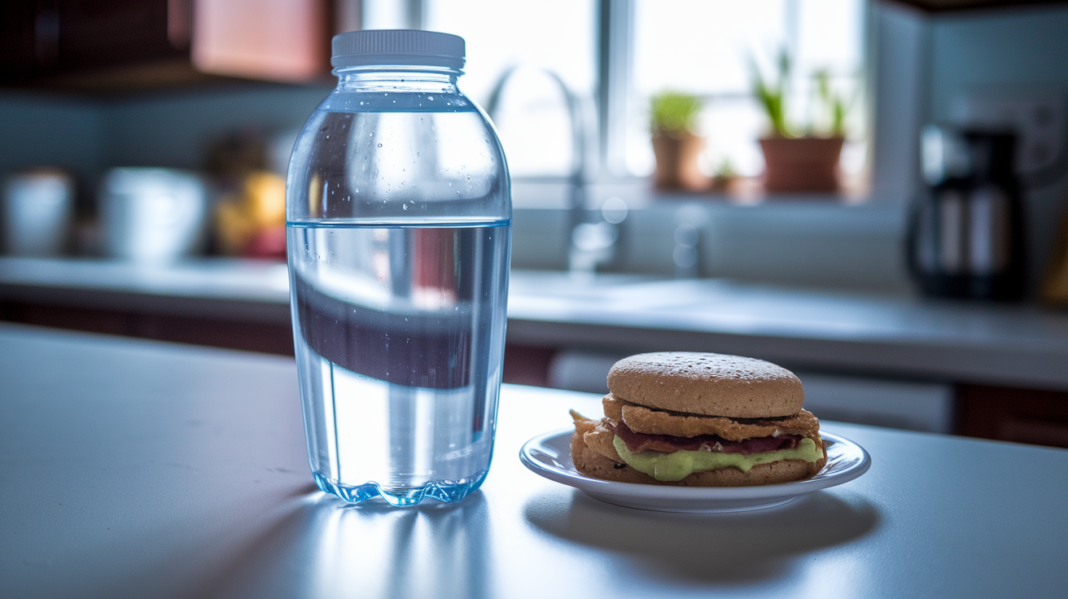

Most people grab a snack when they’re actually thirsty, and that small mistake adds up fast.
Thirst and hunger come from neighboring brain centers, so a dry mouth, hollow stomach, headache, or sudden craving can feel the same.
This quick guide gives clear signs to watch for and a simple 15 to 20 minute water test you can use right away.
You’ll learn which clues point to thirst versus true hunger, so you can stop extra calories, feel more energized, and hydrate smarter.
Key Differences in Thirst vs Hunger Signals You Can Spot Immediately
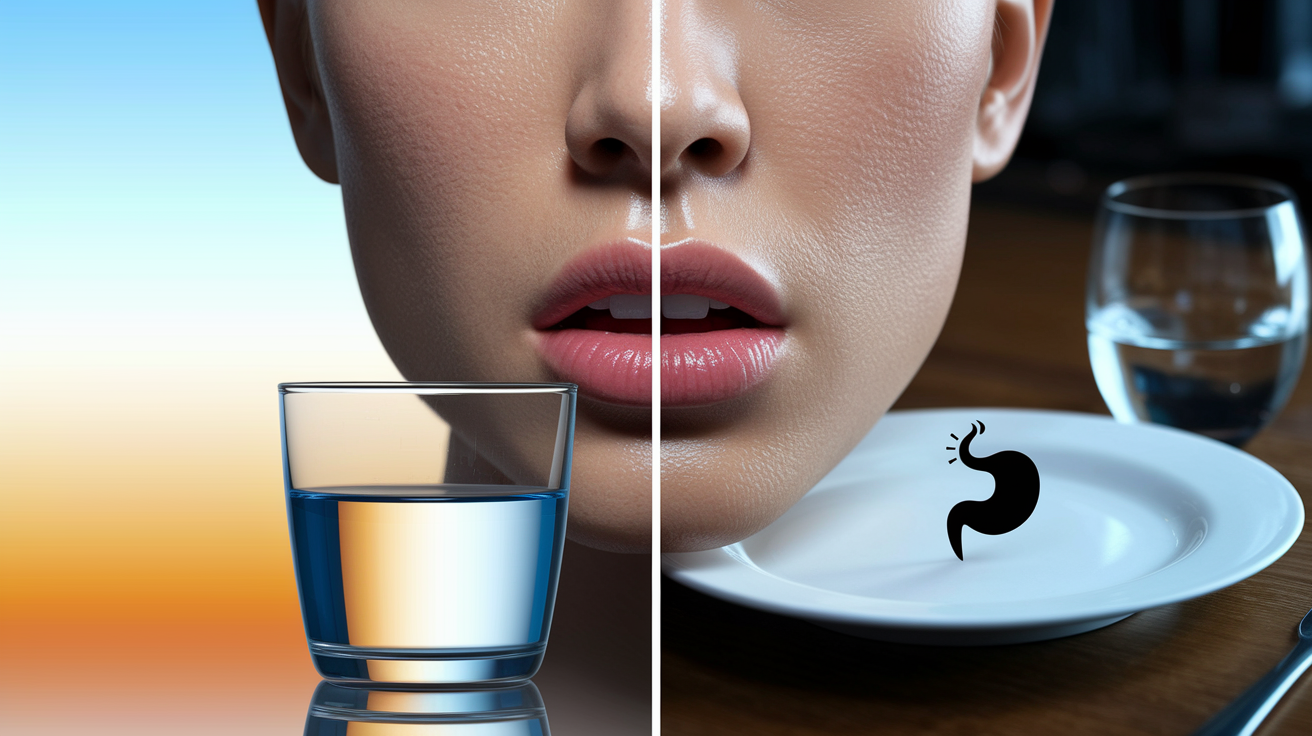
Both thirst and hunger come from the hypothalamus, a tiny region at the base of your brain that handles eating, drinking, temperature, and other survival tasks. These control centers sit close together and share some of the same communication pathways, so your brain can misread one signal as the other. You end up reaching for a snack when your body actually needs water, or grabbing a sugary drink when what you really need is balanced food. Learning to recognize the specific physical cues for each signal helps you respond correctly and skip the extra calories, poor hydration, and that annoying feeling of still being off after you eat or drink.
Thirst cues usually hit more suddenly. You’ll notice dry mouth, less saliva, dark yellow or amber urine, mild headache, lightheadedness, and fatigue. Hunger cues build gradually and include stomach growling (borborygmi), a hollow or tense feeling in your stomach, shakiness, irritability, trouble concentrating, and low energy that typically shows up three to five hours after your last balanced meal. Checking your urine color is one of the fastest ways to check hydration status. Pale straw to light yellow means you’re doing fine, while darker amber means you need fluids.
When you can’t tell which signal you’re feeling, try the 15 to 20 minute water test. Drink 250 mL (about 8 oz) of plain water, set a timer, and see how you feel. If the sensation fades or disappears, it was probably thirst. If it sticks around or gets stronger, it’s likely true hunger and time to eat a balanced snack or meal.
Top Observable Differences:
- Onset pattern – thirst can appear suddenly, hunger usually builds over a few hours.
- Mouth and tongue – dry, sticky, or reduced saliva points to thirst.
- Stomach sensations – growling or a hollow ache points to hunger.
- Urine color – dark yellow or amber suggests dehydration and thirst.
- Response to water – thirst disappears within 15 to 20 minutes of drinking, hunger doesn’t.
Physiological Mechanisms Behind Thirst vs Hunger Signals
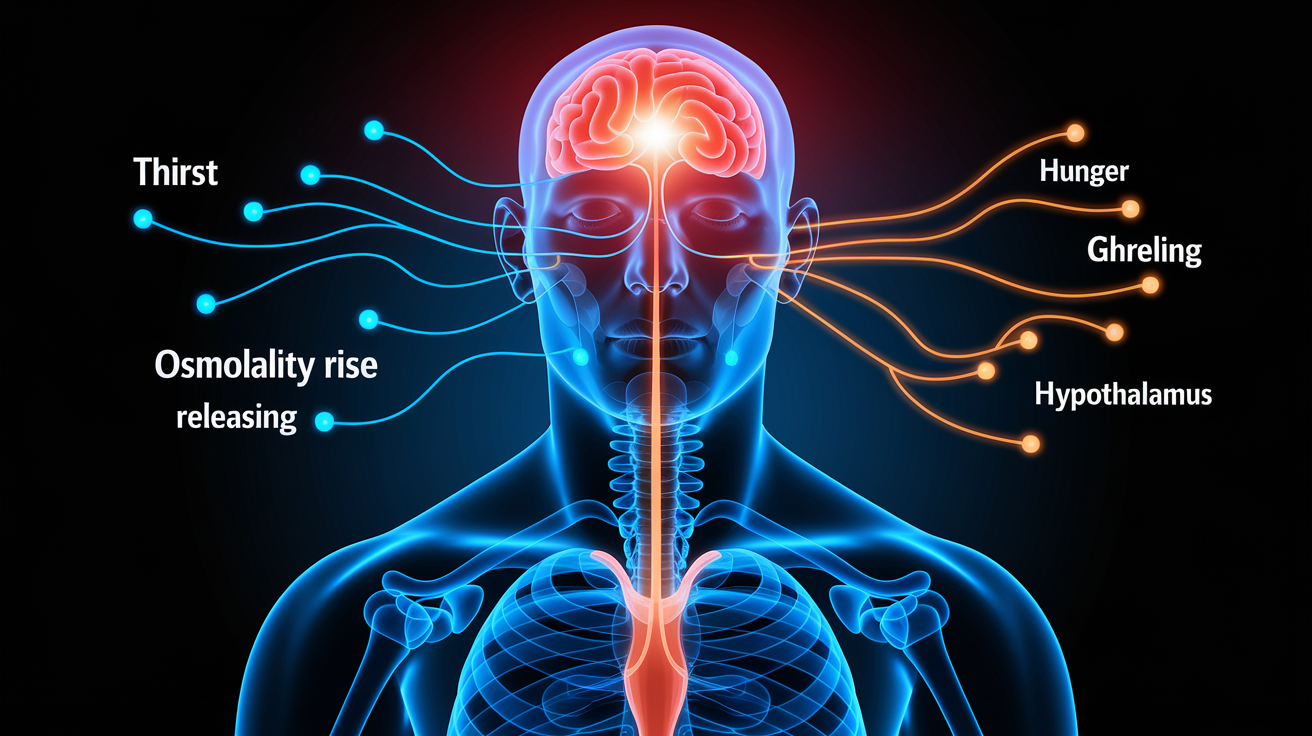
Your body triggers thirst when blood osmolality rises (the concentration of salts and minerals in your blood increases) or when blood volume drops. Specialized osmoreceptors in the hypothalamus detect these changes and send signals that make you feel thirsty, while also prompting the release of antidiuretic hormone (ADH). ADH travels to your kidneys and tells them to reabsorb more water, which produces darker, more concentrated urine. At the same time, you experience the subjective feeling of needing to drink. This dual system protects fluid balance, which is critical for blood pressure, nutrient transport, temperature control, and every chemical reaction in your cells.
Hunger works differently. It begins when your stomach empties and blood glucose levels drop. The stomach lining releases ghrelin, often called the hunger hormone, which travels through your bloodstream to the hypothalamus and triggers appetite. As blood sugar falls, your pancreas reduces insulin secretion, and this hormonal shift signals energy depletion. The hypothalamus interprets these inputs and generates the sensation of hunger, prompting you to seek food. When you eat, your stomach stretches and nutrients enter your blood, triggering the release of leptin and other satiety hormones that tell the hypothalamus you’re full. Because both thirst and hunger pathways meet in the hypothalamus, your brain can mix up the signals, especially when dehydration is mild or hunger isn’t yet strong.
Hormone Interactions in Appetite and Hydration
Ghrelin rises sharply before regular meal times and drops after you eat, which is why hunger often follows a predictable schedule if you eat balanced meals at consistent intervals. Leptin, produced by fat cells, rises after eating and suppresses appetite, helping you stop when you’ve had enough. But chronic sleep deprivation, high stress, or very low calorie diets can disrupt both ghrelin and leptin, making hunger cues less reliable and thirst easier to ignore. When leptin signaling is impaired (a condition called leptin resistance), you may feel hungry even after adequate calories. The confusion with thirst becomes more common because the hypothalamus is already receiving conflicting information about energy status.
Practical Thirst vs Hunger Tests for Real Time Decisions
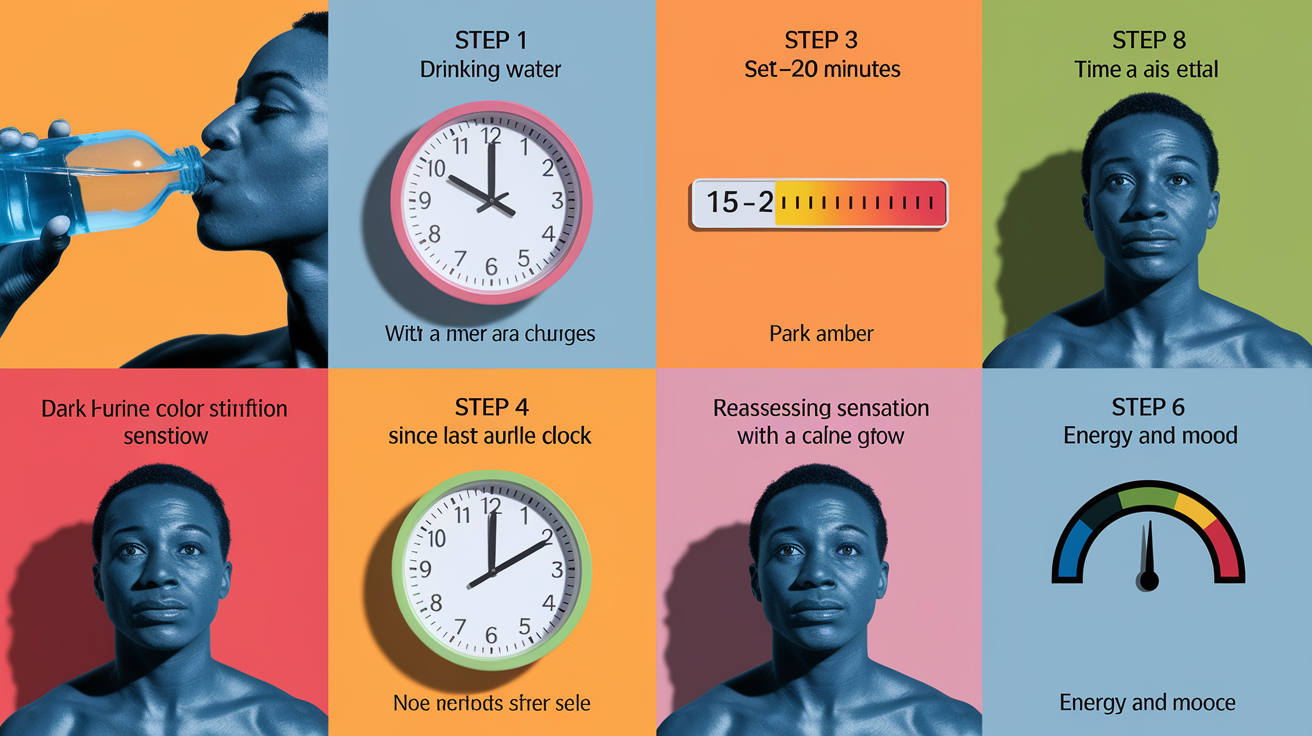
When you feel the urge to eat but aren’t sure if it’s genuine hunger, try this simple six step protocol. It takes less than half an hour and often saves you from unnecessary calories. This test isolates the signal and gives your body time to show you what it really needs.
Six Step Real Time Test:
- Drink 250 to 500 mL (8 to 16 oz) of plain water. Room temperature or cool water works best. Very cold water may briefly numb your stomach and mask sensations.
- Set a timer for 15 to 20 minutes. Use your phone or a kitchen timer so you don’t estimate. This window gives water time to be absorbed from your stomach and small intestine into your bloodstream.
- Check your urine color before and after. If your urine was dark amber before drinking and shifts toward pale yellow after, that’s a strong sign you were dehydrated.
- Reassess the sensation. If the urge to eat has disappeared or decreased significantly, it was likely thirst. If it’s the same or stronger, it’s likely hunger.
- Consider time since your last meal. True physiological hunger usually appears three to five hours after eating a balanced meal. If it’s been only one to two hours and the urge is strong, suspect thirst, boredom, or stress rather than calorie needs.
- Evaluate your energy and mood. Mild dehydration causes fatigue, brain fog, and irritability that feel similar to low blood sugar. If energy improves after water, you were dehydrated. If you still feel shaky or lightheaded, you need food.
After running this test a few times, you’ll recognize your own patterns quickly. Lots of people discover that late afternoon “hunger” is actually thirst, and that morning irritability clears up with 500 mL of water instead of a muffin.
Why Your Body Confuses Thirst vs Hunger Signals
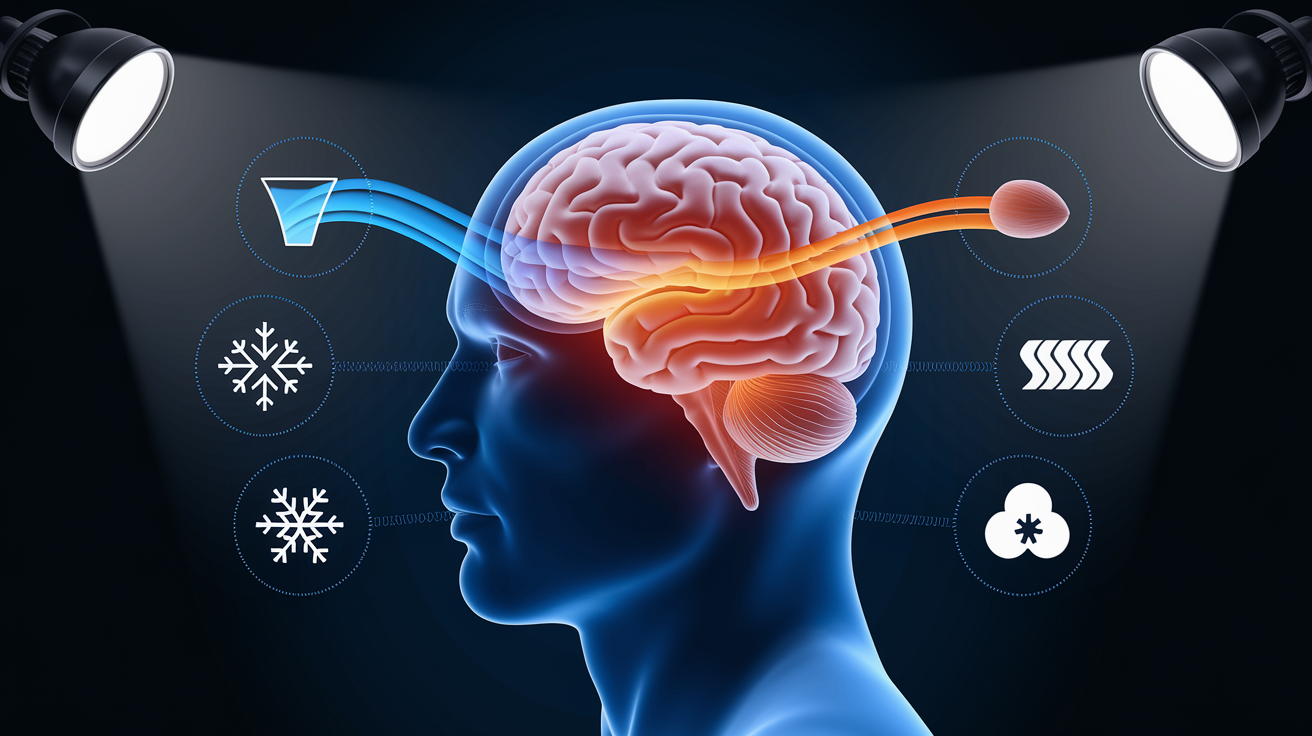
The hypothalamus is only about the size of an almond, yet it manages appetite, fluid balance, temperature, sleep, and stress hormones all at once. When mild dehydration sets in, the drop in blood volume and the rise in osmolality trigger alarm signals that the hypothalamus interprets as a general need for resources. Because eating food also brings in water (most whole foods contain 50 to 90 percent water), the brain sometimes defaults to hunger as the catch all solution. If you’ve been busy, distracted, or drinking only coffee and no plain water, your body may nudge you toward the fridge even though what you need is hydration.
Emotional states add another layer. Boredom, stress, loneliness, and fatigue can all produce restless sensations that mimic hunger. Stress raises cortisol, which increases appetite and cravings for sugar and fat. Fatigue reduces your ability to interpret subtle body signals clearly. When you’re stressed and dehydrated at the same time, the hypothalamus receives overlapping distress signals, and it’s easy to mistake the whole mix for hunger.
Short term dehydration also causes cognitive lapses, headaches, low mood, and reduced motivation. People often reach for a sugary snack or extra coffee when these symptoms appear, looking for an energy boost. The sugar delivers a brief spike, but it doesn’t address the underlying fluid deficit, so the cycle repeats an hour later.
Common Triggers for Signal Confusion:
- Psychological overlap – stress, boredom, and fatigue produce sensations your brain interprets as needing fuel.
- Hormonal noise – disrupted ghrelin or leptin from poor sleep or chronic dieting makes hunger cues unreliable.
- Hydration gaps – relying on coffee, tea, or soda instead of plain water throughout the day.
- Meal timing – skipping meals or eating at irregular times disrupts the natural hunger rhythm and makes thirst feel like emergency hunger.
Hydration and Eating Habits That Reduce Thirst Hunger Mix Ups
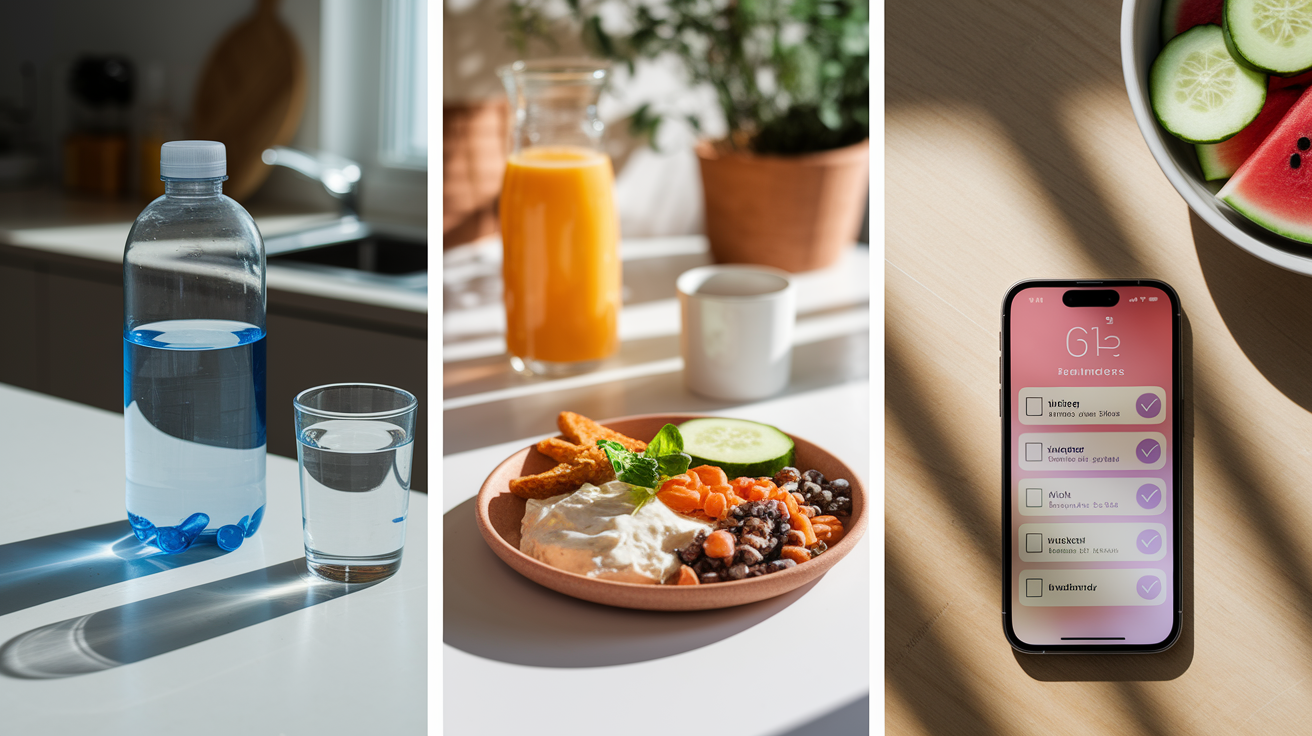
Building daily routines that keep your hydration steady and your meals balanced trains your hypothalamus to send clearer, more distinct signals. When you drink water consistently throughout the day and eat meals at regular intervals with adequate protein and fiber, your body learns the difference between needing fluids and needing calories. Over time, the confusion fades and you respond more accurately.
Start each morning with 500 mL of water before coffee or breakfast. This rehydrates you after the overnight fast and reduces the chance of mistaking early morning thirst for hunger. Drink another 250 to 500 mL about 20 minutes before lunch and dinner. This habit not only prevents dehydration but also slightly fills your stomach, making it easier to eat slowly and stop when satisfied. Between meals, sip water regularly instead of waiting until you feel parched. Thirst is a late stage signal, meaning you’re already mildly dehydrated by the time you notice it.
Six Effective Habits:
- Carry a 500 to 1,000 mL reusable water bottle and refill it at least twice during the day.
- Drink one full glass of water before each meal to separate thirst from hunger.
- Eat water rich foods like cucumbers, watermelon, oranges, tomatoes, and leafy greens to support hydration through food.
- Set hourly reminders on your phone to take a few sips if you’re prone to forgetting.
- Limit sugary drinks and high sodium snacks that mask thirst and increase fluid needs.
- Pair every snack with water so hydration becomes automatic.
| Low Hydration Routine | High Hydration Routine |
|---|---|
| Skip water in the morning, start with coffee only. | Drink 500 mL water upon waking, then coffee. |
| Snack when energy dips, drink soda or juice. | Drink 250 mL water first, wait 15 minutes, reassess. |
| Eat large evening meal, skip water with dinner. | Drink water 20 minutes before dinner, sip during meal. |
| Urine stays dark yellow most of the day. | Urine stays pale straw to light yellow throughout the day. |
Special Situations That Change Thirst vs Hunger Signals

Certain life stages, health conditions, and activity levels shift your baseline hydration and appetite needs, making it harder to rely on standard cues. Understanding these situations helps you adjust your habits proactively instead of waiting for confusion or symptoms to force a change.
Older adults experience a blunted thirst response because aging reduces the sensitivity of osmoreceptors and lowers ADH production. An older person may be significantly dehydrated without feeling thirsty, increasing the risk of urinary tract infections, kidney stones, constipation, and confusion. If you’re caring for an older adult or you’re over 65 yourself, schedule regular fluid intake throughout the day rather than depending on thirst to remind you. Aim for at least 1.5 to 2 L daily unless a doctor advises otherwise.
Pregnant and breastfeeding individuals need substantially more fluids. Pregnancy increases blood volume by up to 50 percent, and lactation requires an additional 700 to 1,000 mL of fluid per day to support milk production. Thirst often increases naturally during these periods, but it’s still easy to fall behind, especially when caring for a newborn disrupts your routine. Drink a full glass of water every time you nurse or pump, and keep a water bottle within arm’s reach at all times.
Athletes and people exercising intensely lose fluids rapidly through sweat. During vigorous activity, you can lose one to two liters per hour, and thirst alone won’t prompt you to replace that volume quickly enough. Check your urine color and weigh yourself before and after workouts. For every kilogram lost, drink at least one liter of fluid. If exercise lasts more than an hour or occurs in heat, add electrolytes to maintain sodium, potassium, and magnesium balance.
Unique Considerations by Group:
- Children show dehydration through irritability, reduced urine output, dry lips, and lethargy. They may not ask for water even when thirsty.
- People on diuretics or blood pressure medications lose more fluid and may need higher daily intake targets.
- Individuals in hot or dry climates require more fluids to offset increased evaporation from skin and lungs.
- Post surgical patients, especially after bariatric surgery, have limited stomach capacity and must prioritize small, frequent sips of water throughout the day.
When Thirst or Hunger Signals Suggest a Medical Issue
Persistent, unexplained changes in thirst or hunger can indicate an underlying medical condition that requires clinical evaluation. While occasional confusion between the two signals is normal, certain patterns are red flags that go beyond simple dehydration or irregular eating.
Uncontrolled diabetes causes both excessive thirst (polydipsia) and excessive hunger (polyphagia) because high blood glucose spills into the urine, pulling water with it and triggering dehydration. At the same time, cells can’t use glucose properly, so your body signals energy shortage even though blood sugar is high. If you’re drinking multiple liters per day, urinating frequently, eating more than usual, and still losing weight, seek medical evaluation immediately.
Diabetes insipidus, a separate condition caused by inadequate ADH production or kidney resistance to ADH, produces extreme, constant thirst and very large volumes of dilute urine (often 5 to 20 liters per day). This isn’t related to blood sugar and requires specific hormone replacement or medication. Certain medications, including diuretics, antihistamines, antidepressants, and blood pressure drugs, can alter thirst perception, dry out your mouth, or increase appetite as a side effect. If new or worsening thirst or hunger starts after beginning a medication, talk with your prescribing clinician.
Signs That Warrant Medical Care:
- Unquenchable thirst despite drinking large amounts of fluid, paired with frequent urination and unexplained weight loss.
- Persistent hunger that doesn’t improve after adequate, balanced meals and is accompanied by fatigue, blurred vision, or slow wound healing.
- Sudden changes in thirst or appetite after starting a new medication, injury, or during a period of high stress or illness.
Final Words
In the action, remember the quick wins: dry mouth, dark urine, and headache often mean thirst, while emptiness, stomach growling, and steady low energy tend to mean hunger. Try the 8 oz sip and wait 15–20 minutes test to see which fades.
Do the test for a few days and jot what changes. Use urine color and time since your last meal to build a pattern.
Keep tracking simple and kind. These small checks make thirst vs hunger signals easier to read, and you’ll feel steadier and more in control.
FAQ
Q: How to tell if you’re hungry or just thirsty?
A: To tell if you’re hungry or just thirsty, drink 8 oz (250 mL) of water and wait 15–20 minutes; if the urge eases, it was likely thirst. Check dry mouth, urine color, and time since your last meal.
Q: What are the 7 signs you’re not drinking enough water?
A: The seven signs you’re not drinking enough water are dry mouth, low saliva, dark or concentrated urine, infrequent urination, headaches, fatigue, and lightheadedness.
Q: How is thirst mistaken for hunger?
A: Thirst is mistaken for hunger because both signals go to the hypothalamus, producing similar cues like tiredness, stomach sensations, and cravings; mild dehydration often feels like hunger until you rehydrate.
Q: What is diabetic thirst like?
A: Diabetic thirst is intense, persistent thirst often paired with frequent urination and increased hunger; high blood sugar pulls fluid from cells, so usual drinking may not fully relieve it.