



Could your dinner be sabotaging your sleep more than late-night stress?
Research shows what you eat and when you eat it shape hormones, the gut, and your internal clock, so food choices change how fast you fall asleep, how deep your sleep is, and whether you wake up at night.
Read on for clear, science-backed links between nutrients, meal timing, and sleep stages, plus three simple experiments you can try this week to see what helps you.
How Food Choices Directly Influence Sleep Quality

Your diet shapes your sleep through multiple biological pathways that operate every single day. The nutrients you eat influence production of sleep hormones, the timing of your internal clock, and how efficiently you cycle through sleep stages. When you eat foods rich in specific amino acids, vitamins, and minerals, your body converts these into compounds that either promote relaxation and deep sleep or keep you wired and awake.
The relationship runs both ways. Poor sleep changes how your body processes nutrients and messes with the hormones controlling hunger and fullness. Studies tracking adults who sleep fewer than six hours per night consistently show they consume roughly 300 more calories daily than people sleeping seven to nine hours. This happens because sleep loss increases ghrelin (the hormone signaling hunger) while simultaneously decreasing leptin (which tells your brain you’ve had enough). The result? Stronger cravings for high sugar and high fat foods, creating a cycle where inadequate sleep drives poor food choices, which then makes quality sleep even harder to achieve.
Research measuring sleep architecture in controlled settings reveals that meal composition matters as much as quantity. In one study of 26 adults with healthy body weight, participants who ate meals higher in fiber spent more time in slow wave sleep, the deepest and most restorative stage. Those who consumed more saturated fat experienced less slow wave sleep, and higher sugar intake was associated with more nighttime awakenings. When participants switched from self selected meals to nutritionist designed meals lower in saturated fat and higher in protein, their average time to fall asleep dropped from 29 minutes to just 17 minutes.
The strongest evidence based dietary factors affecting sleep quality include:
Fiber intake gets linked to more deep sleep and fewer disruptions
Saturated fat in elevated amounts reduces time spent in restorative slow wave sleep
Added sugars (especially close to bedtime) increase sleep fragmentation and arousals
Caffeine timing within six hours of bedtime delays sleep onset and reduces total sleep duration
Meal timing matters too. Eating large or heavy meals within two hours of sleep increases reflux risk and disrupts sleep continuity
Nutrients That Support Restorative Sleep
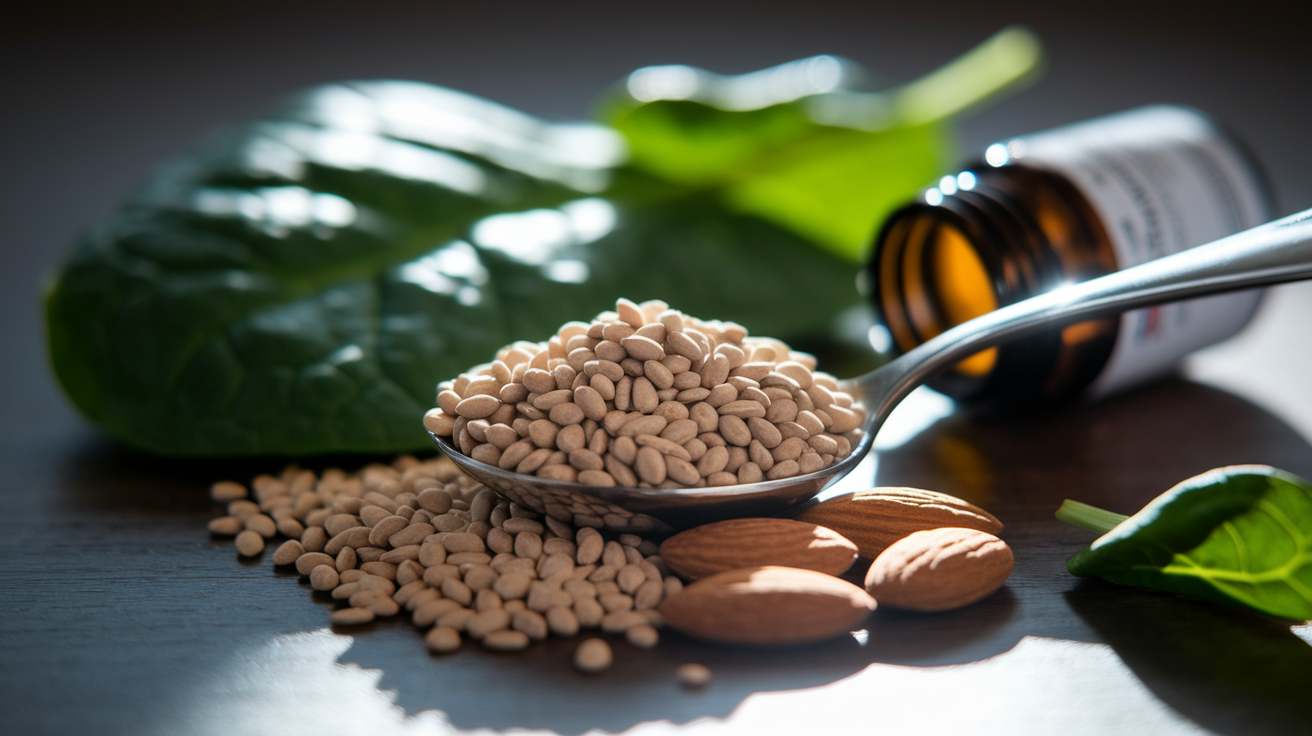
Certain nutrients serve as direct building blocks for the hormones and neurotransmitters regulating your sleep wake cycle. Magnesium plays a central role by regulating gamma aminobutyric acid (GABA), a neurotransmitter that quiets neural activity and promotes relaxation. Adults with consistently low magnesium intake often report difficulty falling asleep and staying asleep. Supplementation studies show measurable improvements in sleep efficiency and reductions in nighttime awakenings. Tryptophan, an essential amino acid your body can’t produce on its own, converts into serotonin and then into melatonin (the hormone signaling your brain when it’s time to sleep).
Melatonin itself occurs naturally in certain foods, though in much smaller amounts than supplemental doses. Tart cherry juice stands out as one of the richest dietary sources. Small studies measuring urinary melatonin levels show increases after regular tart cherry juice consumption, with participants also reporting modest improvements in sleep duration and efficiency. The caveat is sugar content. Many commercial tart cherry juices contain added sugars that can work against sleep quality if consumed in large amounts or too close to bedtime.
Complex carbohydrates facilitate the transport of tryptophan across the blood brain barrier by triggering insulin release, which clears competing amino acids from the bloodstream. This is why meals pairing protein sources rich in tryptophan with whole grains, starchy vegetables, or legumes may support better sleep onset. The combination gives your body both the raw material and the delivery mechanism needed to produce sleep promoting compounds.
| Nutrient | Mechanism | Common Food Sources |
|---|---|---|
| Magnesium | Regulates GABA receptors; promotes muscle relaxation and nervous system calm | Pumpkin seeds, almonds, spinach, black beans, salmon, fortified whole grains |
| Tryptophan | Precursor to serotonin and melatonin; supports mood regulation and sleep timing | Turkey, chicken, eggs, tofu, milk, seeds (pumpkin, sesame), fatty fish |
| Melatonin | Directly signals circadian timing; helps initiate sleep onset | Tart cherry juice, walnuts, tomatoes, peppers, eggs, fatty fish, goji berries |
| Complex Carbohydrates | Facilitate tryptophan transport to the brain; stabilize blood sugar overnight | Oats, quinoa, brown rice, sweet potatoes, whole wheat bread, lentils |
Foods and Substances That Disrupt Sleep

Caffeine blocks adenosine receptors in your brain, preventing the buildup of this sleep promoting compound that naturally accumulates throughout the day. Even moderate caffeine intake six hours before bedtime can reduce total sleep time by more than an hour and significantly decrease the amount of deep sleep you experience. Individual sensitivity varies widely. Some people metabolize caffeine quickly and feel minimal effects by evening, while others remain wired well into the night after an afternoon coffee. The compound has a half life of roughly three to five hours in most adults, meaning half the caffeine from a 2 p.m. espresso is still circulating in your system at 7 p.m., and a quarter remains active at midnight.
High sugar foods and beverages create blood glucose spikes and crashes that fragment sleep. When blood sugar drops rapidly during the night, your body releases cortisol and adrenaline to compensate (hormones that increase alertness and can wake you up). Studies using continuous glucose monitors show that people consuming high glycemic meals before bed experience more sleep disruptions and spend less time in restorative slow wave sleep compared to those eating balanced meals with protein, fiber, and healthy fats.
Alcohol initially acts as a sedative, helping many people fall asleep faster by increasing adenosine levels. But as your liver metabolizes the alcohol a few hours later, it disrupts your sleep architecture by reducing REM sleep and causing early morning awakenings. Even one or two drinks close to bedtime can fragment the second half of your night, leaving you feeling unrested despite adequate time in bed. Spicy foods elevate core body temperature, which runs counter to the natural temperature drop your body needs to initiate and maintain sleep. They can also trigger acid reflux when you lie down, creating discomfort that interrupts sleep continuity.
The most common dietary sleep disruptors:
Caffeine after early afternoon blocks adenosine and delays melatonin release
High sugar snacks or desserts before bed cause glucose fluctuations that trigger stress hormone release
Alcohol within three hours of sleep reduces REM sleep and increases nighttime awakenings
Large, spicy, or acidic meals late in the evening raise body temperature and increase reflux risk
Biological Mechanisms Linking Diet and Sleep
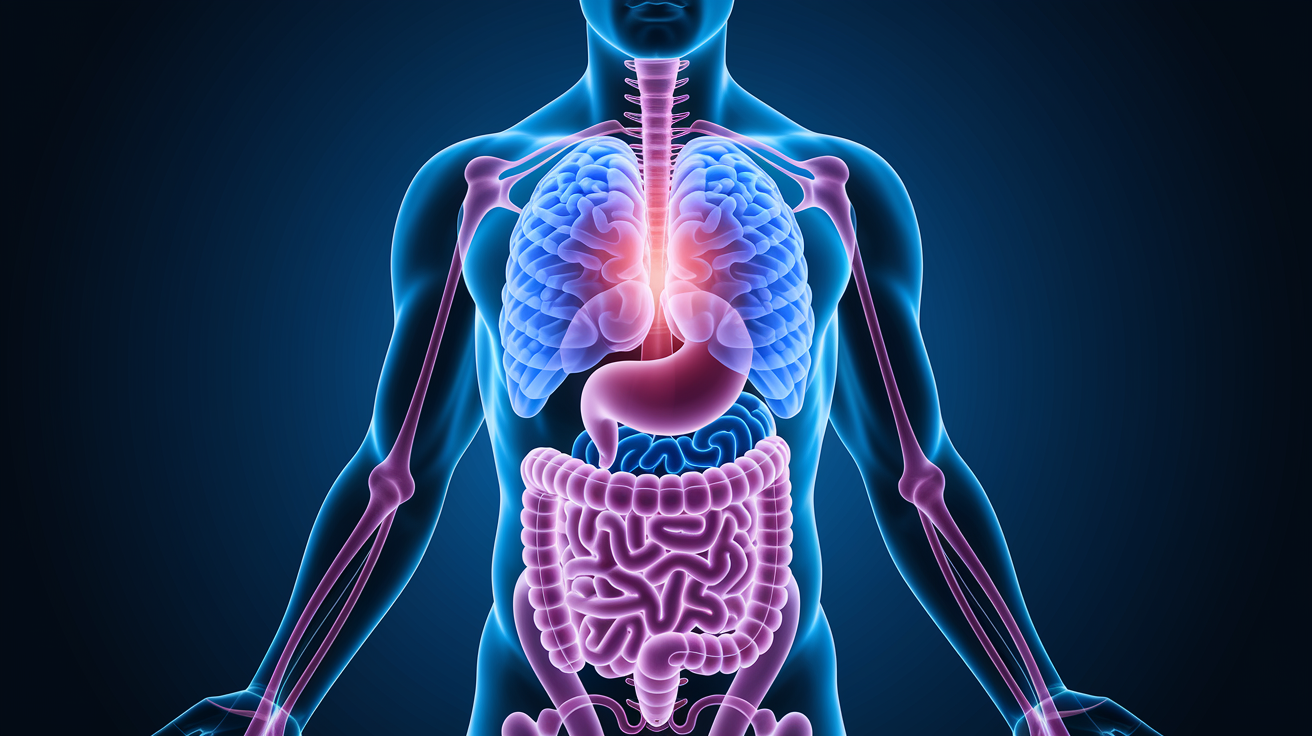
The timing and composition of your meals send powerful signals to the peripheral circadian clocks located in your liver, pancreas, gut, and fat tissue. While your central circadian clock in the brain responds primarily to light, these peripheral clocks take their cues from when and what you eat. When you consume meals at irregular times or eat a large portion of your daily calories late at night, you create a mismatch between your central and peripheral clocks. This internal misalignment delays the natural evening rise in melatonin and disrupts the hormonal cascade that prepares your body for sleep. Research on shift workers and people with erratic eating schedules shows they experience both circadian rhythm disorders and metabolic dysfunction, illustrating how deeply intertwined these systems are.
Late night eating specifically interferes with the natural nighttime surge in melatonin. Your body’s production of this sleep hormone typically begins two to three hours before your usual bedtime, but digesting food (especially carbohydrate rich meals) delays this process. Insulin release from evening meals suppresses melatonin synthesis, and the metabolic work of digestion keeps your core body temperature elevated when it should be dropping to facilitate sleep onset. Studies comparing early dinners (finishing by 7 p.m.) with late dinners (finishing by 10 p.m.) show that late eaters take longer to fall asleep, spend less time in deep sleep, and report lower overall sleep satisfaction.
Gut Brain Communication Pathways
Your gut microbiota produce and regulate many of the same neurotransmitters that influence sleep quality. Beneficial bacteria in your intestines synthesize GABA, serotonin precursors, and short chain fatty acids that communicate with your brain through the vagus nerve and bloodstream. When your diet lacks fiber and diverse plant foods, your microbial community becomes less diverse, and production of these sleep supporting compounds declines. Highly processed diets high in added sugars and low in fiber shift the gut microbiome toward inflammatory bacterial strains, which produce metabolites that can interfere with sleep regulation.
The gut brain axis operates continuously during sleep. During the night, your gut microbiota process dietary fiber into butyrate and other short chain fatty acids that help regulate your circadian rhythm and support the integrity of your intestinal barrier. Disruption of this process through poor diet quality creates a feedback loop where compromised gut health worsens sleep quality, and poor sleep further damages the gut microbiome. This bidirectional relationship explains why both dietary interventions and sleep improvements can positively influence the other.
Optimal Meal Timing for Better Sleep

Finishing your last substantial meal at least two to three hours before bedtime gives your body time to complete the most intensive phase of digestion before you lie down. When you eat a large meal and then recline shortly after, stomach acid and partially digested food are more likely to move back into your esophagus, causing reflux that disrupts sleep. Beyond reflux risk, active digestion keeps your core body temperature elevated and your digestive organs working, both of which interfere with the physiological shift toward sleep that requires a cooler body temperature and reduced metabolic activity.
The timing of your largest meal also matters for circadian alignment. Eating the bulk of your daily calories earlier in the day (typically at breakfast and lunch) aligns better with your body’s natural insulin sensitivity and metabolic capacity. Your body is most efficient at processing glucose and regulating blood sugar during daylight hours. Large evening meals, especially those high in carbohydrates, are processed less efficiently and more likely to cause blood sugar fluctuations that fragment sleep during the night.
Consistency in meal timing may be as important as the timing itself. When you eat meals at roughly the same time each day, you strengthen your circadian rhythm by providing regular, predictable cues to your peripheral body clocks. This regularity helps coordinate the timing of hormone release, including the evening rise in melatonin that promotes sleepiness. People with highly irregular eating schedules (eating breakfast at 7 a.m. one day and noon the next, or dinner at 6 p.m. some nights and 10 p.m. on others) often report more difficulty falling asleep and maintaining consistent sleep quality.
If you need an evening snack, keep it light and choose combinations that support rather than disrupt sleep. A small serving pairing a source of tryptophan with a modest amount of complex carbohydrates (such as a handful of nuts with a piece of fruit, or yogurt with whole grain crackers) can provide the nutrients your body needs for melatonin production without overloading your digestive system. Avoid anything high in sugar, saturated fat, or caffeine within three hours of your target bedtime.
Practical Dietary Guidelines for Better Sleep
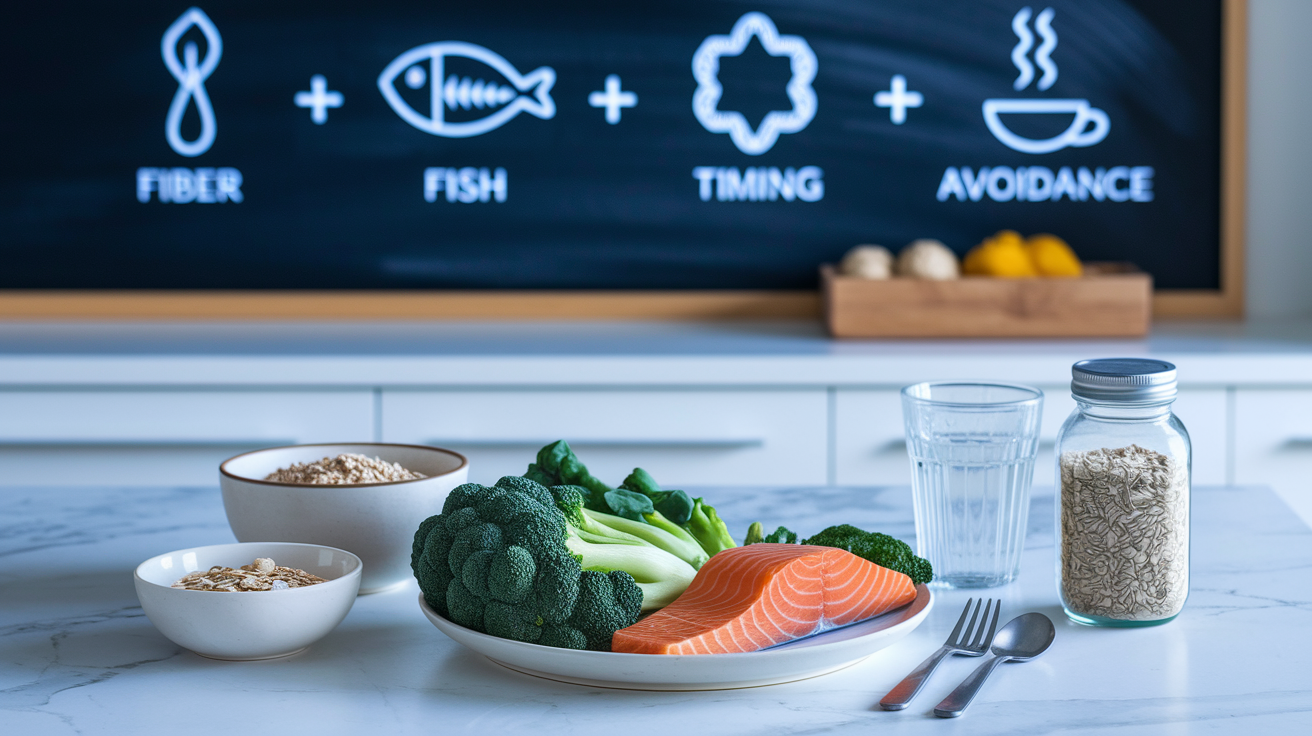
Building a sleep supportive diet starts with emphasizing whole, minimally processed foods throughout the day. A dietary pattern rich in vegetables, fruits, whole grains, legumes, nuts, seeds, and fatty fish provides the fiber, magnesium, omega 3 fatty acids, and tryptophan your body needs to regulate sleep hormones and neurotransmitters. Research on Mediterranean style eating patterns consistently shows associations between this approach and both adequate sleep duration and fewer insomnia symptoms. The pattern naturally limits ultra processed foods, added sugars, and high levels of saturated fat (the same dietary factors that fragment sleep architecture).
Light evening snacks can support sleep when chosen thoughtfully. A small portion containing both protein and complex carbohydrates (such as a slice of whole grain toast with almond butter, a small bowl of oatmeal with milk, or a hard boiled egg with a few whole grain crackers) provides sustained energy through the night without overwhelming your digestive system. These combinations facilitate tryptophan transport across the blood brain barrier and help stabilize blood sugar, reducing the likelihood of nighttime awakenings triggered by glucose drops or hunger.
Hydration timing deserves attention in a sleep focused diet plan. While staying well hydrated throughout the day supports every bodily function (including sleep regulation), drinking large amounts of fluid in the two hours before bed often leads to nighttime bathroom trips that fragment sleep. Front load your fluid intake during daytime hours, tapering off as evening approaches. If you’re thirsty before bed, a few sips of water are fine, but avoid downing a full glass that will interrupt your sleep a few hours later.
Six evidence based dietary recommendations for better sleep quality:
Prioritize fiber rich foods at lunch and dinner. Aim for vegetables, legumes, and whole grains to support deeper, less fragmented sleep.
Include fatty fish (salmon, mackerel, sardines) two to three times per week. The vitamin D and omega 3 content supports serotonin regulation and may improve sleep onset and duration.
Time your largest meals earlier in the day. Finish substantial eating by early evening to allow digestion to complete before bedtime.
Cut off caffeine intake by early afternoon. Give your body at least six hours to metabolize caffeine before your target sleep time.
Keep evening snacks small and balanced. Choose combinations of protein and complex carbohydrates if you need something before bed.
Stay consistent with meal timing. Eat breakfast, lunch, and dinner at roughly the same times each day to strengthen your circadian rhythm.
Final Words
We jumped straight into how food shapes sleep. You saw which nutrients help: magnesium, tryptophan, and melatonin-rich foods. And which common ingredients often make sleep worse, like caffeine, sugar, and alcohol.
We also explained why timing and the gut-brain connection matter, and gave practical steps you can try tonight: a small protein-plus-carb snack, an earlier dinner, and a simple hydration plan.
Track one change for a week, note what shifts, and you’ll start to see the correlation between diet and sleep quality. Small tests, steady tracking, better nights ahead.
FAQ
Q: How do food choices directly influence sleep quality?
A: Food choices directly influence sleep quality by shifting hormones, body temperature, and neurotransmitters; nutrients like tryptophan and magnesium promote sleep, while late heavy meals, caffeine, and sugar often delay or fragment sleep.
Q: Which nutrients support restorative sleep?
A: Key nutrients that support restorative sleep are magnesium (helps GABA and relaxation), tryptophan (turns into serotonin and melatonin), melatonin‑containing foods like tart cherry, and complex carbs (help tryptophan reach the brain).
Q: What foods and substances commonly disrupt sleep?
A: Foods and substances that commonly disrupt sleep include caffeine (blocks sleep pressure), high‑sugar meals (fragment sleep), alcohol (reduces REM and causes early wakings), and spicy or very hot foods (raise core temperature).
Q: How does meal timing affect sleep?
A: Meal timing affects sleep by shifting circadian clocks; late or large meals close to bedtime can delay melatonin and reduce sleep efficiency, while consistent earlier meals tend to support steadier sleep timing.
Q: When should I stop eating before bed for better sleep?
A: You should stop eating large meals about 2–3 hours before bed; lighter, balanced snacks are okay closer to bedtime, and keeping meal times regular helps your internal clock.
Q: Can a bedtime snack help or hurt sleep?
A: A bedtime snack can help when it’s light and includes protein plus complex carbs; it can hurt when it’s heavy, sugary, or spicy, which may raise temperature or disrupt sleep cycles.
Q: How does the gut‑brain axis influence sleep?
A: The gut‑brain axis influences sleep because gut microbes produce metabolites that affect neurotransmitters and inflammation, which in turn shape sleep quality, duration, and timing.
Q: What simple dietary experiments can I try to improve sleep?
A: Simple dietary experiments you can try include skipping caffeine after mid‑afternoon for three days, moving dinner earlier by an hour, adding a magnesium‑rich snack at night, and tracking sleep for a week.
Q: Should I use supplements like magnesium or melatonin to sleep better?
A: Supplements like magnesium or melatonin may help some people—magnesium aids relaxation, melatonin helps sleep onset—but start low, test for a week, and consult a clinician if problems continue.