



Ever wonder why a donut can flip your whole morning?
Food doesn’t just feed your body, it steers your mood and fuels your energy all day.
From quick sugar spikes that leave you jittery then crashed, to protein and fat that slow glucose and keep focus, what you eat changes brain chemicals and gut signals every few hours.
This post shows the main ways food shapes mood and energy, what to watch for during the day, and simple experiments you can try to steady your mood and energy.
Core Ways Food Shapes Mood and Daily Energy

Your brain runs all day, every day. It needs a steady stream of quality nutrients to keep structure intact, regulate your mood, and make energy. The fuel you send it through food determines whether it gets antioxidants, vitamins, and minerals that protect cells and support neurotransmitter production, or whether it has to deal with inflammation and oxidative stress from junk inputs. Eat processed foods loaded with refined sugars and you’ll trigger insulin chaos that crashes your energy and tanks cognitive performance within hours.
About 95 percent of your body’s serotonin gets made in your gut, which has roughly 100 million neurons lining it that shape digestion, appetite, and emotions. This gut to brain link means your diet quality directly affects the chemical signals your brain receives all day long. Studies comparing traditional eating patterns like Mediterranean or traditional Japanese diets against typical Western diets show that people following whole food patterns have a 25 to 35 percent lower risk of depression.
The gap between whole foods and processed foods shows up in real ways from morning to night. Whole foods give you steady glucose, feed beneficial gut bacteria, and provide the raw materials your body uses to make mood regulating neurotransmitters. Refined sugars and highly processed stuff create fast blood sugar spikes followed by sharp drops that leave you irritable, anxious, and foggy.
Diet shapes mood and energy through several connected pathways:
Blood sugar regulation. Refined carbs cause rapid glucose spikes and crashes that mess with mood and focus, while complex carbs paired with protein and fat give you steady fuel.
Neurotransmitter production. Amino acids from protein, plus vitamins and minerals, are the building blocks for serotonin, dopamine, and norepinephrine.
Gut to brain signaling. Your intestinal microbiome produces neurotransmitters, protects the gut lining, and talks to the brain through the vagus nerve.
Inflammation and oxidative stress. Processed foods drive systemic inflammation and free radical damage that hurt brain cell function and worsen mood symptoms.
Nutrient absorption. A healthy gut lining and balanced microbiome improve absorption of vitamins, minerals, and fatty acids you need for energy production.
How Blood Sugar Patterns Influence Mood and Energy Stability
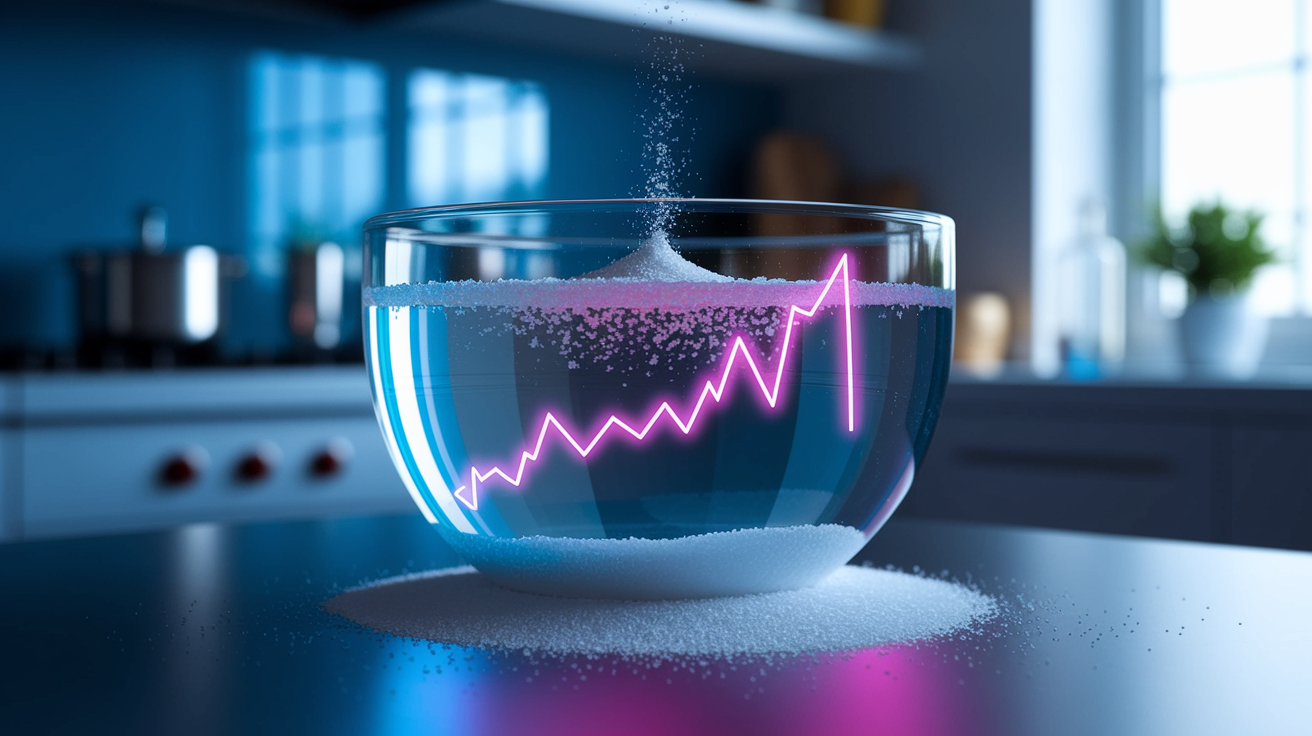
Blood sugar control is one of the fastest ways food affects how you feel. When you eat refined sugars or high glycemic foods without fiber, protein, or fat, glucose floods your bloodstream fast. Your pancreas responds by dumping insulin to move that sugar into cells, but the rapid spike often gets followed by an equally rapid drop. That crash reduces cognitive performance, increases irritability, and can trigger anxiety or low mood within one to three hours of eating.
Complex carbs paired with protein, healthy fats, and fiber slow glucose absorption and keep blood sugar more stable. This steadiness supports consistent energy and emotional balance because your brain gets a reliable fuel supply without the wild peaks and valleys that come from high glycemic meals. Balanced post meal blood sugar links to improved mood, reduced anxiety, and better focus throughout the day.
| Food Type | Mood Effect | Energy Effect |
|---|---|---|
| High GI (white bread, soda, candy) | Initial calm or mood lift, then irritability, anxiety, or low mood | Quick energy surge within 30 minutes, then fatigue and mental fog 1 to 3 hours later |
| Low GI (oats, beans, sweet potato with fat or protein) | Stable mood without spikes or crashes | Steady energy lasting 3 to 4 hours without sudden drops |
| Balanced meal (protein, fiber, healthy fat) | Sustained emotional steadiness and reduced reactivity | Consistent focus and physical energy for 4+ hours |
Key Nutrients and Foods That Support Mood, Brain Chemistry, and Energy
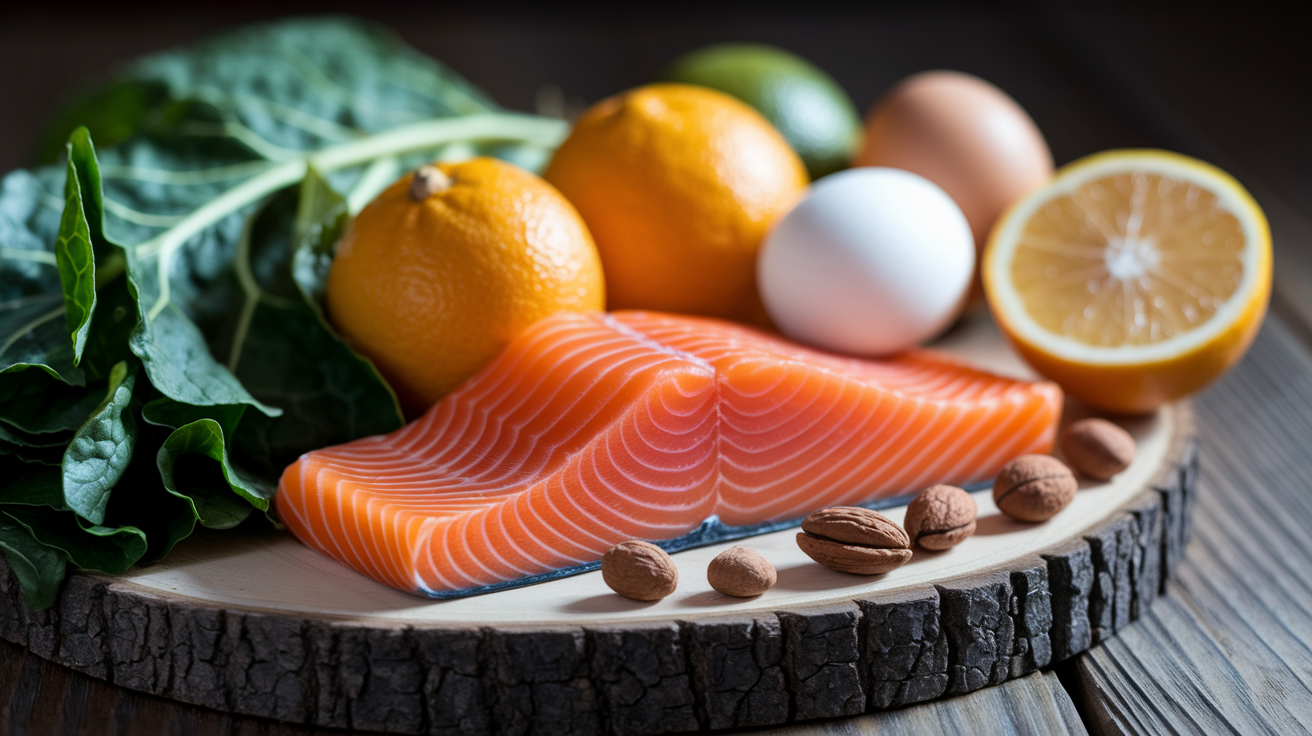
Certain vitamins, minerals, and fatty acids play direct roles in neurotransmitter synthesis and energy production. Complex carbs increase the availability of tryptophan, the amino acid your body converts into serotonin. Protein intake delivers amino acids used to produce dopamine and norepinephrine, which support motivation, focus, and mood stability. Antioxidants from fruits and vegetables protect brain cells from oxidative damage, and research links higher intake of these foods to increased feelings of happiness and life satisfaction.
The Antidepressant Food Scale identifies 12 nutrients tied to preventing and treating depression, including omega 3 fatty acids, B vitamins, vitamin C, vitamin A, iron, magnesium, and zinc. Foods that deliver these nutrients in meaningful amounts include oysters, mussels, salmon, watercress, spinach, romaine lettuce, cauliflower, and strawberries. When your diet consistently lacks these nutrients, you might notice fatigue, poor concentration, low mood, or increased stress vulnerability.
Long chain omega 3 fatty acids like EPA and DHA support brain cell membranes and have anti inflammatory effects that protect mood. B vitamins, especially B6 and B12, are cofactors in the pathways that convert amino acids into neurotransmitters. Iron deficiency can cause serious fatigue and trouble concentrating, while magnesium supports both energy production and stress response regulation. Zinc influences cognitive function and immune regulation, and low levels connect to depressive symptoms.
Here are seven nutrients and the specific foods that deliver them:
Omega 3 fatty acids (EPA and DHA). Salmon, mackerel, sardines, anchovies. They support neurotransmitter function and reduce brain inflammation.
B vitamins (B6, B12, folate). Eggs, poultry, beef, leafy greens, legumes. Needed for dopamine and serotonin production.
Vitamin D. Fatty fish, egg yolks, fortified dairy. Low levels link to seasonal mood changes and fatigue.
Iron. Red meat, poultry, lentils, spinach. Prevents fatigue and supports oxygen transport to tissues.
Magnesium. Pumpkin seeds, almonds, dark chocolate, whole grains. Regulates stress response and energy metabolism.
Zinc. Oysters, beef, chickpeas, cashews. Influences mood regulation and immune health.
Vitamin C. Bell peppers, strawberries, citrus, broccoli. Antioxidant that protects brain cells and supports neurotransmitter synthesis.
The Gut to Brain Connection and Its Role in Emotional Balance
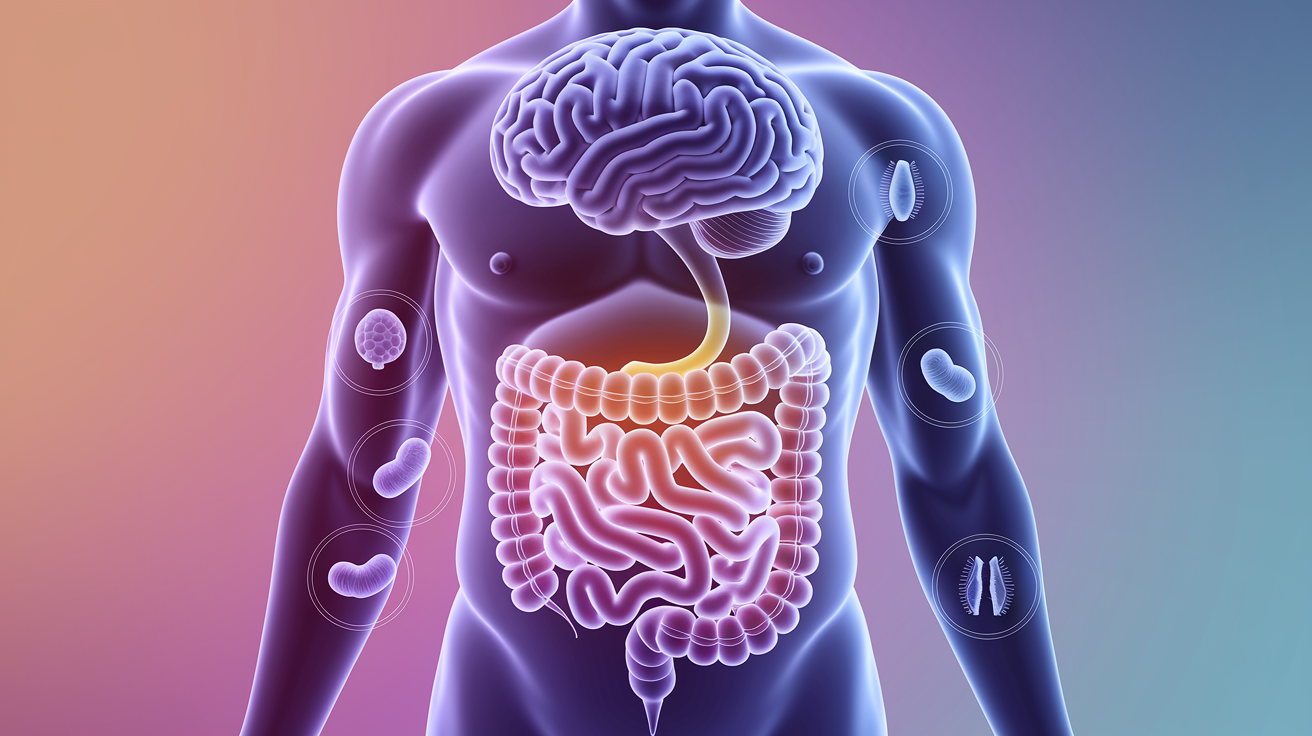
Your gut and brain talk constantly through a network of neurons, immune signals, and microbial metabolites. The gut holds roughly 100 million neurons, and many of your body’s serotonin receptors sit in the intestinal lining. The vagus nerve runs between your gut and brain, carrying signals in both directions. This two way communication means that changes in your gut microbiome can influence mood, anxiety levels, and even cravings.
A person’s unique microbiome gets largely established within the first 1,000 days of life, but it keeps changing based on diet, stress, medications, and other factors. When the balance of gut bacteria gets disrupted (a state called dysbiosis), it can increase intestinal permeability, allow inflammatory compounds into the bloodstream, and reduce production of mood supporting metabolites. Dysbiosis links to conditions including inflammatory bowel disease, obesity, metabolic syndrome, and mood disorders. Common antidepressant medications like SSRIs often cause gut related side effects like nausea and diarrhea, showing how deeply intertwined gut and brain health really are.
Fermented foods provide natural probiotics that support a diverse, balanced microbiome. Plain yogurt without added sugars, unsweetened kefir, sauerkraut, and kimchi introduce beneficial bacteria that help protect the gut lining, limit systemic inflammation, and improve nutrient absorption. Ultra processed foods (items that contain extracted substances like isolated sugars and starches, added hydrogenated fats, or lab made flavor enhancers and colorings) promote dysbiosis and inflammation. Examples include soda, sugary snack foods, packaged breads and pastries, instant noodle soups, and fast foods. Prioritizing whole foods and fermented options supports the microbial balance that props up stable mood and consistent energy.
Food Choices That Support Steady Mood and Energy
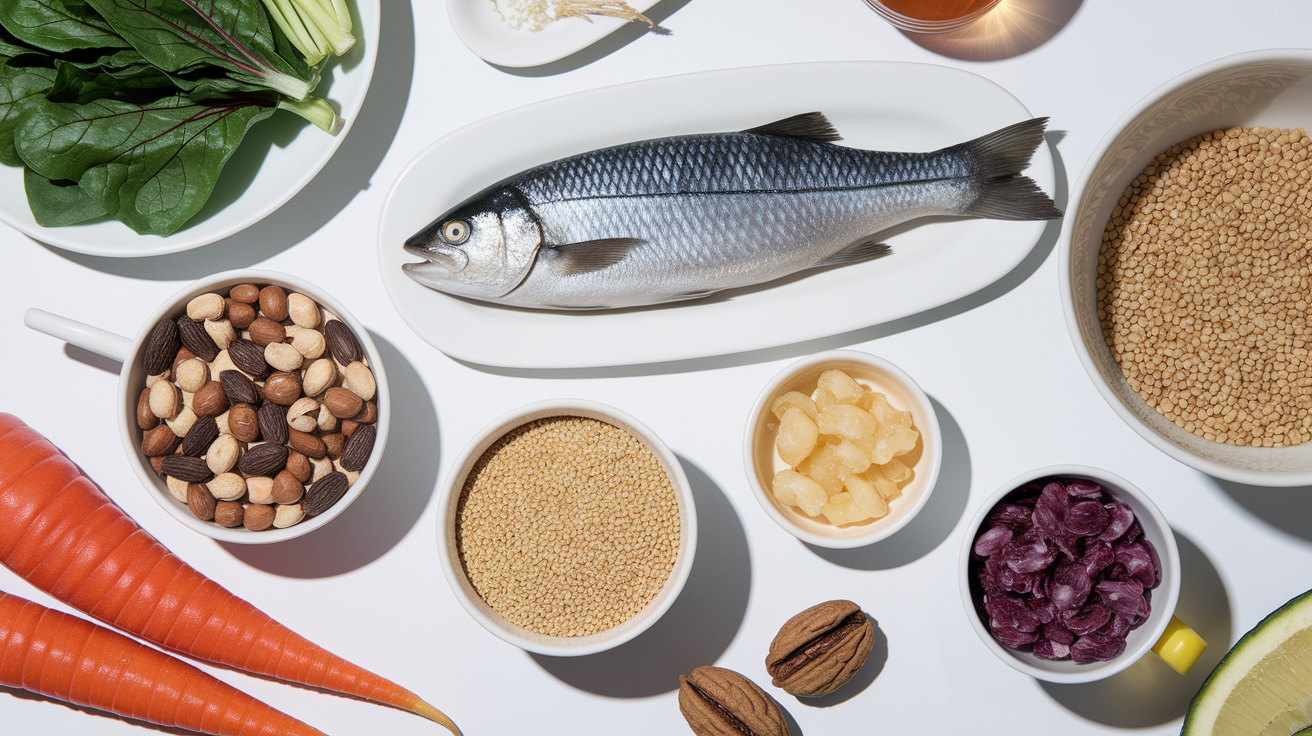
Whole foods deliver vitamins, minerals, fiber, and antioxidants in combinations that support neurotransmitter production and stable blood sugar. Vegetables, fruits, whole grains, legumes, nuts, seeds, and fatty fish provide the raw materials your body needs to manufacture serotonin, dopamine, and norepinephrine. These foods also reduce inflammation and oxidative stress, two processes that damage brain cells and worsen mood symptoms over time.
Ultra processed foods contribute to energy instability and mood swings through multiple paths. They often lack fiber and protein, leading to rapid glucose spikes. Many contain additives that disrupt gut bacteria, and their high levels of refined sugars and unhealthy fats promote systemic inflammation. Quick sugar foods like candy, pastries, and sweetened beverages can produce a short lived energy boost, but the crash that follows leaves you fatigued, irritable, and mentally foggy.
Here are six food categories and their effects on mood and energy:
Vegetables and leafy greens (spinach, kale, broccoli, bell peppers). Provide folate, magnesium, vitamin C, and fiber. Support neurotransmitter synthesis and steady glucose.
Fatty fish and seafood (salmon, mackerel, oysters, mussels). Deliver omega 3s, B12, iron, and zinc. Reduce inflammation and support brain cell function.
Whole grains and legumes (oats, quinoa, beans, lentils). Offer complex carbs, fiber, and B vitamins. Stabilize blood sugar and sustain energy.
Nuts, seeds, and healthy oils (almonds, walnuts, flaxseed, olive oil). Supply vitamin E, magnesium, and healthy fats. Protect against oxidative stress.
Fermented and probiotic rich foods (plain yogurt, kefir, sauerkraut, kimchi). Support gut microbiome balance. Improve nutrient absorption and reduce gut inflammation.
Processed and ultra processed foods (soda, packaged snacks, sugary cereals, fast food, refined breads). Trigger blood sugar crashes, promote dysbiosis, increase inflammation, and deplete mood supporting nutrients.
Meal Timing, Balanced Plates, and Daily Energy Rhythm
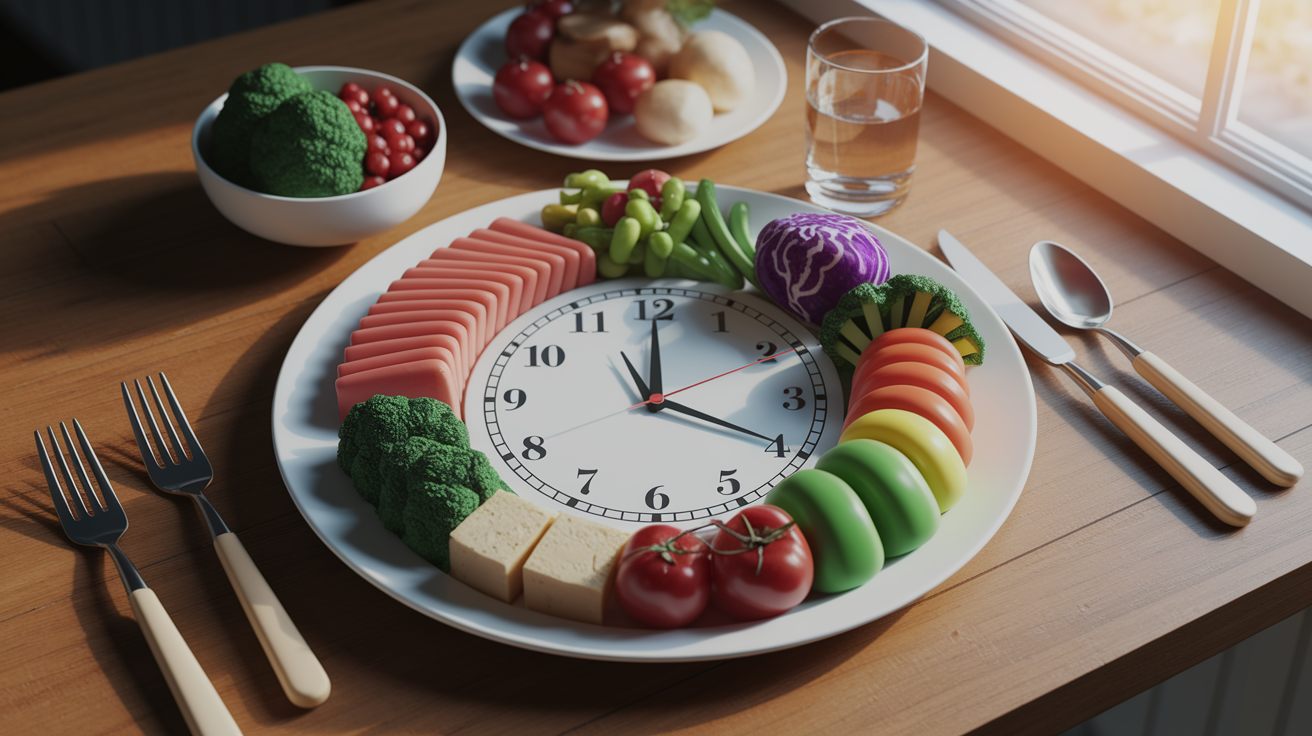
When you eat matters almost as much as what you eat. Your body’s circadian rhythm influences insulin sensitivity, digestive enzyme production, and metabolic rate. Eating a balanced breakfast that includes protein, healthy fats, and fiber helps stabilize blood sugar from the start of the day and supports sustained energy and focus through the morning. Skip breakfast or grab high sugar options like pastries or sweetened cereals and you’re setting up a pattern of crashes and cravings that can drag on all day.
Structuring balanced plates at each meal cuts down the odds of energy dips and mood swings. Try to combine a source of lean protein, a complex carb, colorful vegetables or fruit, and a healthy fat. This combo slows glucose absorption, provides amino acids for neurotransmitter production, and delivers vitamins and minerals that support brain function. An egg quiche with a quinoa crust, olive tapenade, and balsamic marinated tomatoes pairs protein, complex carbs, healthy fats, and antioxidants in one meal.
Smart snacking helps maintain stable energy between meals and prevents the blood sugar drops that trigger irritability and poor concentration. Choose snacks that pair protein or healthy fat with fiber to stretch satiety and keep glucose steady.
Plain yogurt with berries and a sprinkle of chia seeds. A handful of almonds with a small apple. Carrot sticks with hummus. A hard boiled egg with a few whole grain crackers.
Dietary Patterns Associated With Better Mood and Energy
Entire eating patterns influence mood and energy more powerfully than any single nutrient. Mediterranean style diets, which lean heavily on vegetables, fruits, whole grains, legumes, nuts, olive oil, and fatty fish, connect to a 25 to 35 percent lower risk of depression compared to typical Western diets. These patterns deliver high levels of omega 3s, fiber, antioxidants, and polyphenols while minimizing refined sugars and processed foods. A 2018 study suggests that a balanced dietary pattern and avoiding pro inflammatory foods may protect against depression.
Plant forward diets that include generous amounts of vegetables, fruits, legumes, and whole grains support neurotransmitter balance by providing the vitamins, minerals, and amino acids needed for serotonin and dopamine synthesis. These patterns also tend to be higher in fiber, which feeds beneficial gut bacteria and supports the gut to brain axis. Western diets high in refined grains, added sugars, and processed meats increase systemic inflammation, promote dysbiosis, and link to higher rates of mood disorders and chronic fatigue.
| Dietary Pattern | Mood Effect | Energy Effect |
|---|---|---|
| Mediterranean (vegetables, fruits, fish, olive oil, whole grains, legumes) | 25 to 35% lower depression risk, improved emotional resilience | Stable, sustained energy, reduced afternoon fatigue |
| Plant forward (high vegetables, fruits, legumes, nuts, seeds) | Better neurotransmitter balance, reduced anxiety symptoms | Steady glucose and consistent mental clarity |
| Western (processed foods, refined grains, added sugars, red or processed meats) | Increased inflammation, higher rates of depression and mood instability | Frequent energy crashes, reliance on caffeine and sugar for short term boosts |
Practical Eating Strategies for Consistent Mood and Steady Energy

Start by trying a 2 to 3 week clean eating trial. Cut out all processed foods and added sugars, and focus on whole foods like vegetables, fruits, whole grains, lean proteins, nuts, seeds, and fermented foods. Track your mood, energy levels, sleep quality, and any physical symptoms daily. After the initial trial period, reintroduce foods one at a time and monitor your responses for two to three days before adding another item. This approach helps you identify specific triggers that worsen mood or cause energy crashes.
Building balanced meals consistently is one of the most effective long term moves. Each meal should include a source of protein, a complex carb, a healthy fat, and colorful produce. Coconut chicken with purple rice and sautéed kale combines lean protein, whole grains, healthy fats, and antioxidants. Quinoa salad with chicken, grapes, and almonds pairs protein, fiber, and omega 3s in a portable format. Mediterranean bean and veggie soup with pesto delivers legumes, vegetables, and olive oil in one bowl.
Meal prep reduces the chance you’ll lean on convenience foods when you’re busy or tired. Batch cook grains, roast vegetables, and prepare proteins in advance so you can throw together balanced meals quickly. Keep healthy snacks visible and ready, like cut vegetables with hummus, hard boiled eggs, or plain yogurt with berries.
Here are six actionable strategies to support consistent mood and steady energy:
“Fix the food first.” Prioritize whole foods before thinking about supplements or gut modifying therapies. Your diet is the foundation.
Favor whole fruits and vegetables over juices. Whole produce delivers fiber that slows glucose absorption. Frozen fruits without added sugars are a practical alternative.
Increase fiber intake gradually. Add whole grains like oats, quinoa, and brown rice, plus legumes like lentils and black beans, to support blood sugar and gut health.
Include fermented foods daily. Add a serving of plain yogurt, unsweetened kefir, sauerkraut, or kimchi to meals to support microbiome balance.
Balance your protein sources across the week. Aim for more fatty fish and lean poultry, and cut back on red meat to lower inflammation.
Add cinnamon to reduce breakfast sugar. Sprinkle cinnamon on plain yogurt with berries, oatmeal, or chia pudding to boost flavor without added sugar and help moderate blood sugar response.
Final Words
In the action, we looked at how nutrient quality, blood-sugar patterns, the gut‑brain link, meal timing, and whole‑food patterns all shape mood and daily energy. You got clear food examples, plate rules, and a simple trial to test what helps you feel steadier.
If you still wonder how does food affect mood and energy, treat it like a short experiment: swap one processed item for a whole-food option for three days and track how you feel. Keep what helps. Small, steady changes tend to make the biggest difference. You’ll likely notice calmer mornings and steadier energy.
FAQ
Q: How does food affect your mood and energy?
A: Food affects your mood and energy by supplying or depriving the brain of steady nutrients, changing blood sugar, and altering gut signals. Whole foods and balanced meals usually keep mood and focus steadier.
Q: What is the 3-3-3 rule of eating?
A: The 3-3-3 rule of eating is a simple timing guideline: aim for three main meals, include three balanced components (protein, fiber, healthy fat), and space eating roughly every three hours to help steady energy.
Q: What is the 80% rule in eating?
A: The 80% rule in eating means stopping when you’re about 80% full, leaving a little hunger so you avoid overeating; it often reduces calorie intake and eases digestion over time.
Q: What foods trigger bad moods?
A: Foods that trigger bad moods include refined sugars, highly processed items, excess caffeine, and foods that cause inflammation or big blood-sugar crashes, which can raise irritability, brain fog, and low energy.