



Ever wonder why some athletes hit personal bests while others stall, even with the same workouts?
Often the missing link is what they eat, not how hard they train.
Tracking protein, carbs, and fats turns meals into useful data you can compare to energy, sleep, and recovery.
When you log macros alongside training load, clear patterns appear.
Low carbs before hard sessions, not enough protein during tough strength blocks.
Here’s the point: tracking macros lets you test small changes, fix the real gaps, and steadily improve performance without guesswork.
How Macronutrient Tracking Directly Enhances Performance Outcomes

Macronutrient tracking gives athletes a clear lens into what their bodies actually need to train hard, recover fast, and compete at their best. Instead of guessing whether you ate enough protein or carbs yesterday, you know. That knowledge shifts decisions from “I think I’m eating right” to “I can see what’s working and what’s not.” When you track protein, carbohydrates, and fats alongside your training load, mood, energy, and recovery signals, patterns emerge. Patterns that point toward better choices and faster adaptation.
Athletes who track macros consistently report sharper energy levels, faster recovery between sessions, and more reliable performance during high intensity efforts. Tracking reveals gaps you didn’t know existed, like eating half the carbohydrates you need for your training volume, or skimping on protein during a hard phase. It also removes guesswork from meals. You stop wondering “Did I eat enough?” and start asking “What changed on the days I felt strongest?” That shift creates a feedback loop: track, test, adjust, improve.
Here’s what macronutrient tracking supports:
Clearer energy availability during training sessions. You can trace heavy legs or sluggish intervals back to low carbohydrate intake the day before.
Better muscle repair and growth. Consistent protein intake protects lean mass during fat loss and accelerates adaptation during strength blocks.
Stable hormones and metabolic health. Adequate dietary fat supports testosterone, estrogen, vitamin absorption, and cellular repair.
Faster pattern recognition. You spot connections between pre-workout meals, training quality, sleep, and next day soreness.
Sustainable body composition changes. Tracking macros lets you eat enough to support performance while adjusting composition over weeks and months, not days.
Tracking macronutrients turns your food choices into data you can act on. It’s not about perfection or hitting numbers every single day. It’s about building awareness, testing changes, and using real information to guide your next meal, your next training block, and your next step forward.
Understanding Protein, Carbs, and Fats for Performance Tracking
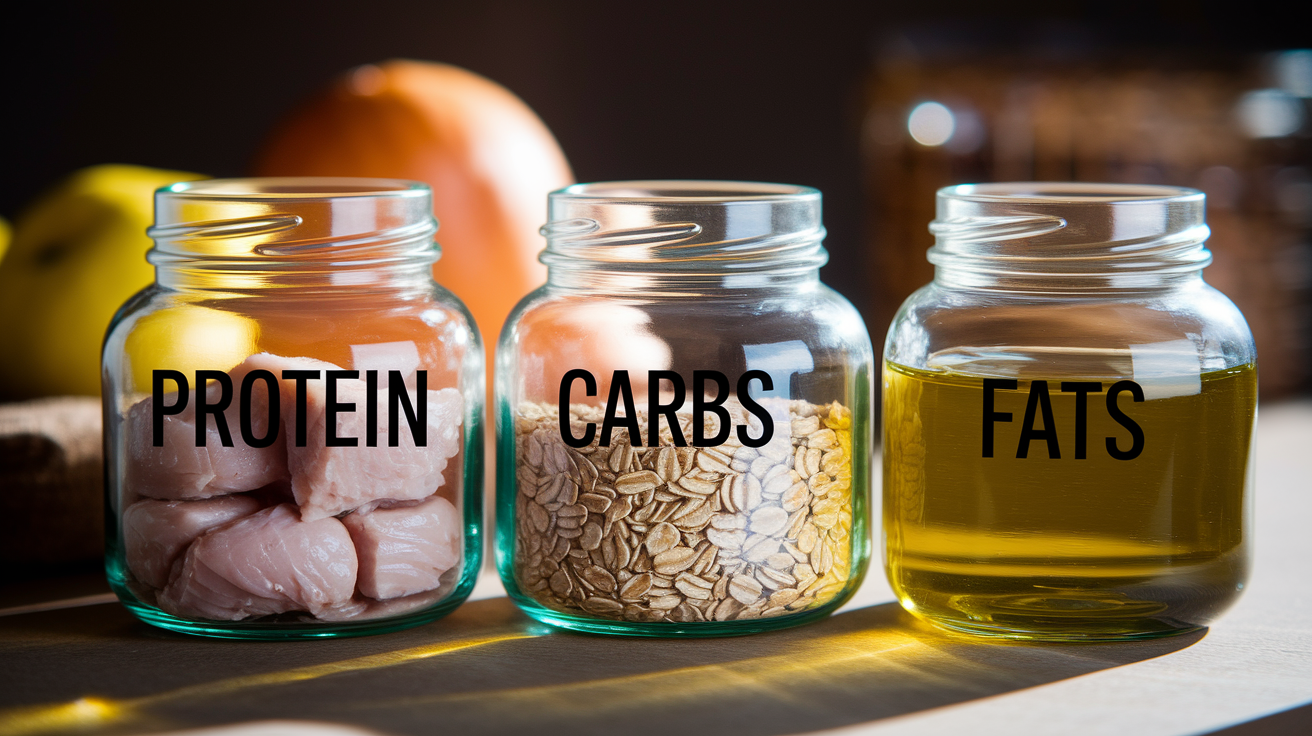
Each macronutrient plays a distinct role in how your body produces energy, repairs tissue, regulates hormones, and adapts to training. Protein supports muscle repair, immune function, and metabolic demand. Carbohydrates replenish glycogen stores in muscle and liver, providing the primary fuel for high intensity efforts like sprints, intervals, and heavy lifting. Fats supply long duration energy, support hormone production (including testosterone and estrogen), and help absorb fat soluble vitamins A, D, E, and K. All three macros matter, but the right balance depends on your training type, volume, intensity, and goals.
When you track macros, you’re monitoring grams of each nutrient, not just total calories. Protein provides 4 calories per gram, carbohydrates also provide 4 calories per gram, and fat provides 9 calories per gram. That difference in caloric density explains why a small portion of fat contributes many calories, while a larger portion of protein or carbs might contribute the same total. Tracking helps you see whether you’re fueling hard sessions with enough carbs or protecting muscle with adequate protein, especially during calorie deficits or recovery heavy weeks.
Here’s what each macronutrient does:
Protein builds and repairs muscle tissue, supports immune cells, and contributes to satiety and metabolic rate.
Carbohydrates restore muscle glycogen, fuel brain function, and provide quick energy for intense or sustained efforts.
Fats regulate hormones, support cell membranes, absorb essential vitamins, and supply energy during lower intensity work.
Caloric values. Protein 4 kcal/g, carbs 4 kcal/g, fat 9 kcal/g.
Calculating Daily Macronutrients for Performance Targets

Calculating macros starts with estimating your total daily energy needs, then breaking that total into grams of protein, carbohydrates, and fat. The most common approach is to multiply your bodyweight by an activity based factor to estimate daily calories, then assign a percentage or gram per kilogram target to each macro. For example, bodyweight multipliers often used are 10 to 12 calories per pound for fat loss, 13 to 15 for maintenance, and 16 or higher for muscle gain. Once you have a calorie target, you convert percentages or gram targets into actual daily intake.
The calculation sequence looks like this:
Estimate total daily calories using bodyweight and activity level (e.g., 170 lb athlete × 14 = 2,380 calories for maintenance).
Set protein first because it’s the priority for muscle repair and metabolic support (common range: 0.7 to 1.0 g per pound, or 1.2 to 2.0 g per kilogram). For a 170 lb athlete, that’s roughly 119 to 170 grams of protein.
Set fat next to ensure adequate hormone support and vitamin absorption (common range: 0.25 to 0.5 g per pound, or about 15 to 30% of total calories). For the same athlete, that’s about 42 to 85 grams of fat.
Fill the remainder with carbohydrates to support training intensity and glycogen replenishment.
Here’s a worked example for a 170 lb athlete targeting maintenance at 2,380 calories per day. Set protein at 0.8 g per pound: 170 × 0.8 = 136 grams of protein, which equals 544 calories (136 g × 4 kcal/g). Set fat at 0.3 g per pound: 170 × 0.3 = 51 grams of fat, which equals 459 calories (51 g × 9 kcal/g). Subtract protein and fat calories from the total: 2,380 − 544 − 459 = 1,377 calories remaining for carbohydrates. Divide by 4 to convert calories to grams: 1,377 ÷ 4 = 344 grams of carbs. Final daily targets: 136 g protein, 51 g fat, 344 g carbs.
Macro Ratios Tailored to Strength, Endurance, and Hybrid Athletes

Strength athletes, endurance athletes, and hybrid or team sport athletes each place different demands on energy systems and muscle tissue. Strength focused training (heavy squats, deadlifts, Olympic lifts) requires adequate protein to repair and build muscle, plus enough carbohydrate to fuel high intensity sets and restore glycogen between sessions. Endurance athletes running long distances or cycling for hours need higher carbohydrate intake to maintain liver and muscle glycogen and delay the point where the body shifts heavily to fat oxidation and performance drops. Hybrid athletes doing interval training, CrossFit style workouts, or team sports need balanced ratios that support both explosive power and sustained effort.
Common macro ranges by athlete type often start around 25 to 35% protein, 40 to 60% carbohydrates, and 15 to 25% fat for high performance training. Strength athletes may push protein toward the higher end of the range (1.6 to 2.0 g/kg bodyweight) and moderate carbohydrate intake to match training volume. Endurance athletes often emphasize carbohydrates at 50 to 60% of total intake to preserve glycogen and avoid “hitting the wall” during long efforts. Hybrid athletes typically balance macros closer to 30% protein, 40 to 50% carbs, and 20 to 30% fat, adjusting carbohydrate timing around high intensity intervals and heavy lifts.
| Athlete Type | Primary Macro Focus | Example Ratio Range |
|---|---|---|
| Strength / Power | Protein (muscle repair) + moderate carbs (glycogen for sets) | Protein 30–35%, Carbs 35–45%, Fat 20–30% |
| Endurance (running, cycling, swimming) | Carbohydrates (glycogen replenishment) + adequate protein | Protein 25–30%, Carbs 50–60%, Fat 15–25% |
| Hybrid / HIIT / Team Sports | Balanced carbs for intervals + protein for recovery | Protein 30%, Carbs 40–50%, Fat 20–30% |
| Recreational / Active Lifestyle | General balance with slight carb emphasis for activity | Protein 25–30%, Carbs 40–45%, Fat 25–30% |
Nutrient Timing: Using Macros Around Workouts for Peak Performance
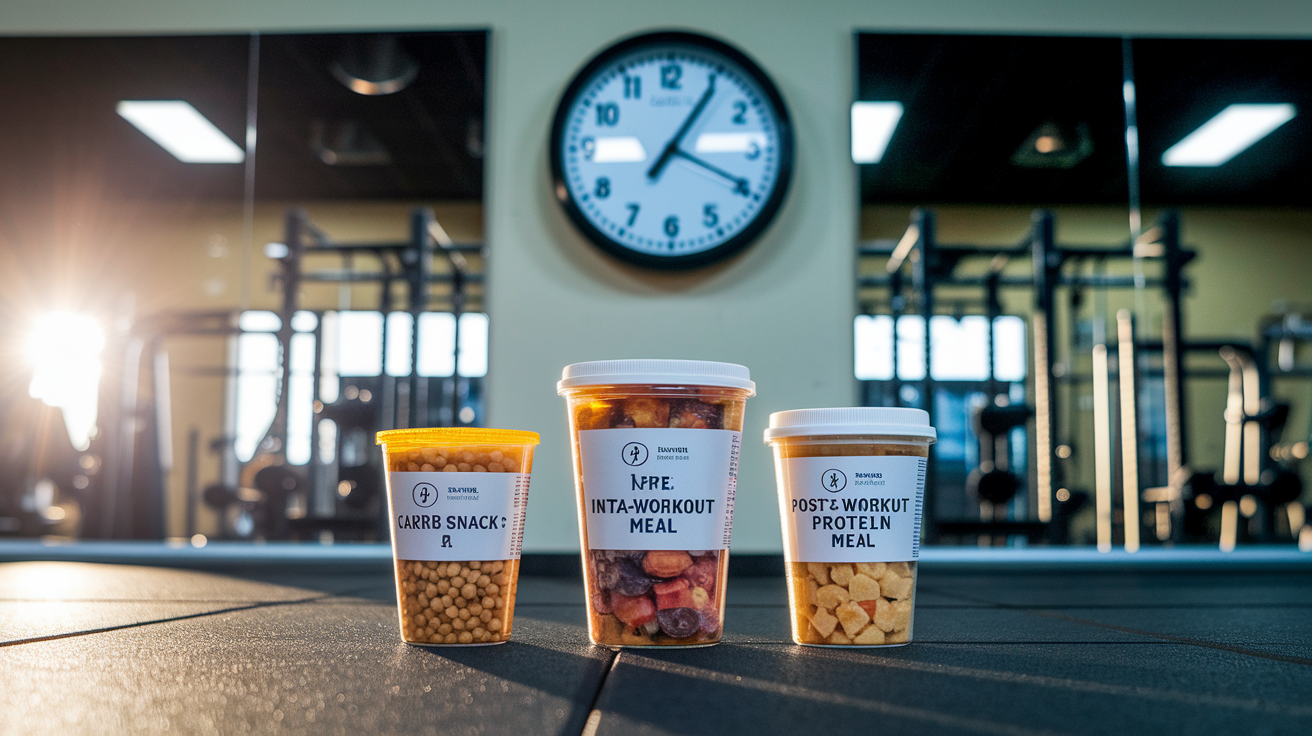
Nutrient timing means strategically placing protein and carbohydrates before, during, and after training to maximize energy availability, performance quality, and recovery speed. Pre-workout meals or snacks emphasize easily digestible carbohydrates to top off muscle glycogen and provide quick fuel for the session ahead. Post-workout intake focuses on protein to kickstart muscle repair and carbohydrates to replenish what was burned during training. Intra-workout nutrition (consuming carbs or protein during a long or intense session) can delay fatigue and maintain output, especially during efforts lasting more than 90 minutes or extremely high intensity intervals.
Timing strategies don’t override total daily intake, but they can sharpen performance on training days and speed recovery afterward. For example, eating a carb rich snack 60 to 90 minutes before a hard interval session gives you accessible energy when intensity spikes. Consuming protein within a few hours after strength training supports the muscle protein synthesis window and reduces next day soreness. Some athletes spread carbohydrate intake evenly across meals, others load carbs around training and eat lighter carbs at other times. Both approaches work if total daily macros align with goals and training load.
Here are five practical timing tactics:
Pre-workout carbs (30–90 minutes before). Aim for 20 to 40 grams of easily digested carbohydrate like a banana, rice cakes, or oatmeal to fuel the session without GI distress.
Intra-workout fueling for long sessions. Consume 30 to 60 grams of carbohydrate per hour during efforts over 90 minutes (sports drinks, gels, or simple snacks).
Post-workout protein within 2 hours. Target 20 to 40 grams of protein (shake, chicken, Greek yogurt) to support muscle repair and adaptation.
Post-workout carbs to restore glycogen. Eat 0.5 to 1.0 g of carbohydrate per kilogram of bodyweight within a few hours of finishing training, especially after high intensity or long duration work.
Daily protein distribution. Spread protein across 3 to 5 meals to maintain steady amino acid availability and maximize muscle protein synthesis throughout the day.
Tracking Tools and Methods for Accurate Macro Monitoring

Tracking macronutrients requires a system for logging what you eat, measuring portion sizes, and calculating totals for protein, carbs, and fat. The most common tools are smartphone apps with barcode scanning and built in nutrition databases. Apps like MyFitnessPal and Cronometer let you scan packaged foods, search for whole foods, and log custom recipes. The convenience of barcode scanning reduces manual entry time and improves consistency. Some athletes prefer spreadsheets or food journals where they can add context: training intensity, meal timing, how they felt, or notes about hunger and cravings. Both digital and paper methods work as long as you weigh portions and log consistently.
Accuracy depends on three things: using a digital food scale to weigh ingredients, choosing reliable database entries (not user submitted guesses), and logging everything you eat, including cooking oils, condiments, and snacks. Eyeballing portions leads to large errors. Studies show people often underestimate calorie dense foods like nuts, oils, and cheese by 50% or more. Weighing food builds portion size awareness over time, so eventually you can estimate more accurately without the scale. Most athletes track strictly for a few weeks to learn portion sizes and macro distribution, then ease into looser tracking or occasional spot checks to maintain awareness.
The tracking workflow typically follows this sequence:
Choose a tracking tool. Download a macro tracking app (MyFitnessPal, Cronometer, or a coaching platform like StrongerU) or set up a simple spreadsheet.
Weigh and log each meal. Use a digital food scale to measure raw or cooked portions, scan barcodes or search the database, and enter quantities in grams or ounces.
Review daily totals. Check protein, carbs, fat, and total calories at the end of each day. Note how close you landed to your targets.
Add context in notes. Log training type, intensity, time of day, energy level, mood, hunger, cravings, or anything that might explain patterns later.
Measuring, Logging, and Weighing Food for Precision in Performance Tracking
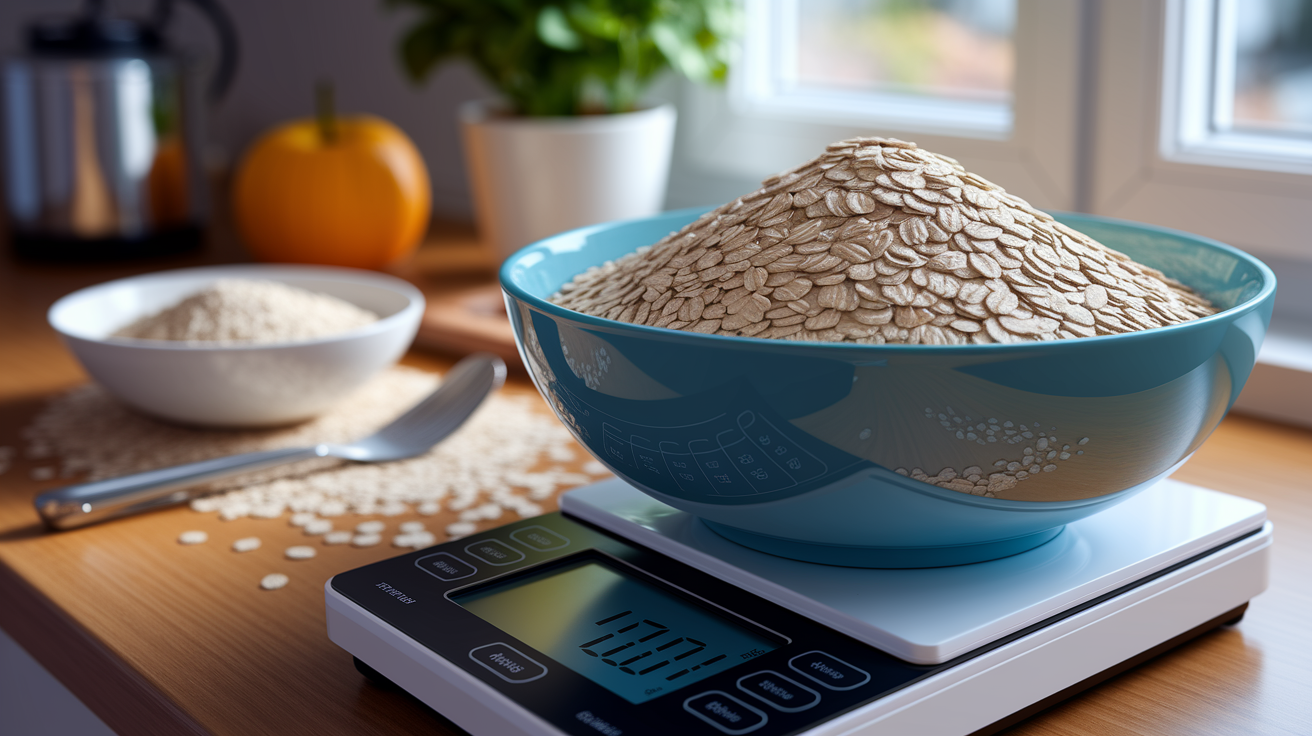
Precision in macro tracking starts with accurate portion sizes. A digital food scale removes guesswork and reveals how much you’re actually eating. Weighing food in grams gives you the most accurate data because nutrition labels and databases use grams as the standard unit. For example, a “medium banana” might weigh anywhere from 90 to 140 grams, and that 50 gram difference equals 20 to 30 grams of carbohydrate. A meaningful gap if you’re trying to hit specific targets. Weighing also teaches you what portion sizes look like over time, so you build visual references that make estimation easier when a scale isn’t available.
Common measurement pitfalls include logging cooked weight when the database expects raw weight (or vice versa), forgetting to account for cooking oils and sauces, and relying on generic database entries instead of verified or USDA entries. Barcode scanning helps with packaged foods, but double check that the app pulled the correct serving size and macro values. Some database entries are user submitted and contain errors. Weighing your food and cross referencing nutrition labels ensures the numbers you’re tracking reflect what you’re actually eating.
Here are four pitfalls to watch:
Estimating portions by eye leads to consistent underestimation of calorie dense foods (oils, nuts, cheese, nut butters) and overestimation of low calorie foods (vegetables, lean protein).
Forgetting cooking fats. A tablespoon of olive oil adds 14 grams of fat and 120 calories. Missing it throws off daily totals.
Using the wrong database entry. Choose verified or USDA entries over user submitted ones to avoid macro errors.
Not weighing ingredients in mixed meals. Track each ingredient separately when making a recipe (rice, chicken, vegetables, sauce) rather than guessing the total.
Adjusting Macros Over Time Based on Performance Data

Macronutrient targets are starting points, not permanent rules. After tracking for a few weeks, you’ll have data on bodyweight trends, training performance, recovery quality, energy levels, and mood. That data tells you whether your current macros support your goals or need adjustment. If your weight stalls during a muscle gain phase despite consistent training, you likely need more total calories and carbohydrates. If fat loss plateaus and you’re recovering well, a small calorie reduction (usually from carbs or fat, not protein) can restart progress. If performance drops, recovery slows, or mood tanks, you may be undereating, especially carbohydrates or overall calories.
Adjust one variable at a time so you can trace cause and effect. For example, if you’re chasing muscle gain and weight hasn’t moved in two weeks, add 100 to 200 calories per day (about 25 to 50 grams of carbs) and track for another two weeks. If fat loss stalls, reduce total intake by 100 to 200 calories while keeping protein constant. Monitor training output, soreness, sleep quality, and hunger alongside the scale. Performance metrics matter more than bodyweight alone. If you’re lifting heavier, recovering faster, and feeling strong, your macros are working even if the scale moves slowly.
Here’s a five step adjustment protocol:
Track for at least two to three weeks before making changes. Weight fluctuates daily due to water, glycogen, digestion, and hormones.
Assess weekly average bodyweight and compare to your goal (gain, loss, or maintenance). Also review training logs, recovery notes, mood, and energy.
Identify the variable to adjust. If the goal is muscle gain and weight is flat, increase total calories (add carbs or fat). If the goal is fat loss and progress stalled, reduce total calories slightly.
Keep protein constant during adjustments. Protein protects lean mass and supports recovery regardless of calorie changes.
Retest for two weeks and repeat the assessment cycle. Small, consistent tweaks over months yield better results than large, reactive swings.
Common Macro Tracking Mistakes That Hurt Athletic Performance

Tracking macros can sharpen nutrition decisions, but common mistakes undermine accuracy and performance. One frequent error is underestimating portion sizes, especially calorie dense foods like oils, nuts, nut butters, and cheese. A tablespoon of peanut butter eyeballed as “about a tablespoon” often turns into two or three, adding 200 extra calories unnoticed. Another mistake is setting dietary fat too low (below 0.25 grams per pound of bodyweight) because fat supports hormone production, vitamin absorption, and cell repair. Cutting fat aggressively can disrupt menstrual cycles, lower testosterone, impair recovery, and reduce performance.
Many athletes also ignore protein intake during calorie deficits, assuming lower total food means lower protein is fine. The opposite is true: protein needs stay high (or increase slightly) during fat loss to protect lean muscle mass. Relying on highly processed foods that “fit your macros” is another trap. Yes, you can technically hit 40% carbs with soda and candy, but nutrient poor choices hurt digestion, immunity, energy stability, and long term health. Finally, not accounting for alcohol throws off tracking. Alcohol provides 7 calories per gram, disrupts sleep and recovery, and often comes with added sugars or mixers that inflate carb totals.
Six critical mistakes to avoid:
Underestimating portions of calorie dense foods (oils, nuts, cheese, nut butters).
Setting dietary fat intake too low (below 0.25 g per pound of bodyweight).
Ignoring or under prioritizing protein, especially during calorie deficits.
Choosing processed “fits my macros” foods instead of nutrient dense whole foods.
Forgetting to log cooking oils, sauces, condiments, and small snacks.
Not accounting for alcohol’s caloric contribution (7 kcal per gram) and its impact on recovery and sleep.
Practical Macro-Based Meal Planning for Athletes
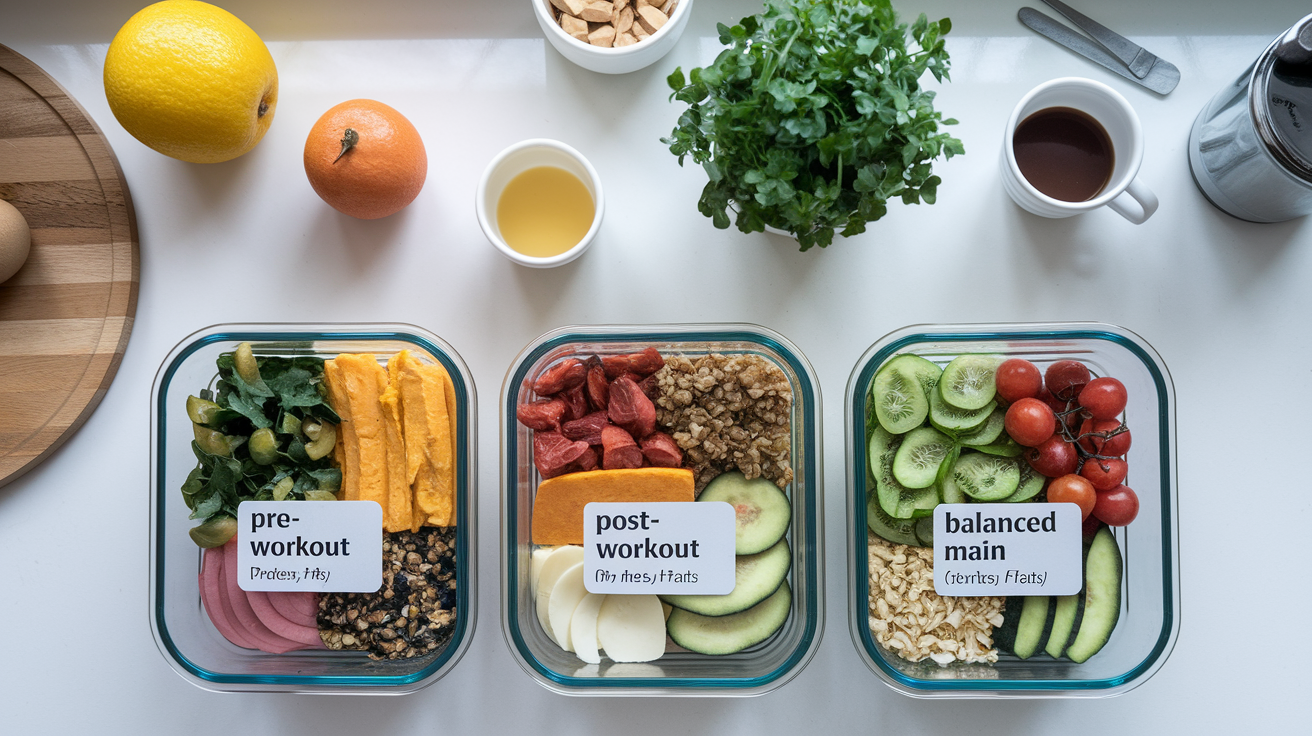
Meal planning aligned to macro targets reduces daily decision fatigue and keeps intake consistent across training weeks. Start by identifying total daily macros, then divide them across three to five meals based on your schedule and preferences. Some athletes prefer larger breakfasts and post-workout meals with smaller snacks, others eat evenly throughout the day. Either approach works if total daily intake matches your targets and meal timing supports training. Prepping ingredients or full meals in advance (cooking rice, grilling chicken, chopping vegetables, portioning snacks) makes hitting macros easier on busy days.
Build each meal around a protein source first, then add carbohydrates and fats to reach your targets for that meal. For example, a post training meal might include grilled chicken (protein), sweet potato (carbs), and a small portion of avocado or olive oil (fat). A pre-training snack might emphasize carbohydrate with minimal fat to avoid GI distress. Think rice cakes with honey or a banana. Tracking apps let you plan meals in advance and adjust portion sizes until the macros align. Over time, you’ll recognize which combinations hit your targets without needing to calculate every meal from scratch.
| Meal Type | Macro Focus | Example Foods |
|---|---|---|
| Pre-Workout Snack | Carbohydrates for quick energy, minimal fat | Banana, rice cakes, oatmeal, applesauce, white rice |
| Post-Workout Meal | Protein + carbohydrates to restore glycogen and repair muscle | Grilled chicken, sweet potato, white rice, Greek yogurt, berries |
| Balanced Main Meal | Protein, carbs, fats for satiety and sustained energy | Salmon, quinoa, roasted vegetables, olive oil, avocado |
Final Words
You’ve moved through the essentials: what each macro does, how to calculate targets, sport-specific ratios, timing strategies, tracking tools, measurement tips, and how to adjust from performance data.
What to do next: pick one metric, like daily carbs or protein, weigh a few meals this week, log workouts and notes, then adjust after two weeks.
Treat it like an experiment. Tracking macronutrients for performance gives clear clues, not endless rules. Keep it simple, test one change, and you’ll likely see sharper energy and faster recovery soon.
FAQ
Q: What is the 4-2-1 rule for athletes?
A: The 4-2-1 rule for athletes is a simple plate guide: 4 parts carbs, 2 parts protein, 1 part fat, helping you pick meals that fuel training and speed post-workout recovery.
Q: What is the 40-40-20 rule for macros?
A: The 40-40-20 rule for macros is a ratio of 40% carbs, 40% protein, 20% fat, often used to support lean mass and steady energy, but you should adjust it by sport and goals.
Q: What is the 4 4 9 rule?
A: The 4 4 9 rule means protein and carbs each provide 4 calories per gram, and fat provides 9 calories per gram, which you use to convert grams into total calories.
Q: Is a 40/30/30 macro split good?
A: A 40/30/30 macro split means 40% carbs, 30% protein, 30% fat; it’s a balanced starting point that fits many athletes, but tweak it based on training type, intensity, and results.