


If you’re not tracking recovery, you’re guessing, and guessing costs time.
Tracking turns that fuzzy “I feel better” into real signals you can act on.
This post explains the three core ways to measure recovery, subjective check-ins, objective body metrics, and standardized scales, and how to combine them so you stop drifting and start improving.
You’ll get simple tests to try, what each one really shows, and how to spot patterns fast.
Bring a basic habit of tracking and you’ll catch problems sooner, make smarter rest and training choices, and actually prove progress.
How to Measure Recovery Progress: The Core Methods Explained

Recovery tracking turns that fuzzy sense of “getting better” into actual data you can work with. Without it, you’re basically guessing. Is that rest day helping? Is the pain really going down, or does it just feel that way today? Is your energy actually improving, or are you just having a good week? When you measure things properly, you get a baseline. You spot trends. And you catch problems early enough to fix them before they snowball.
Recovery measurement breaks down into three main buckets: subjective tools, objective metrics, and validated scales. Subjective tools capture what you notice… your energy, pain, mood, how hard it feels to do normal stuff. Objective metrics pull numbers from your body or performance tests. Heart rate variability. Resting pulse. How far you can reach. How much you can grip. Validated scales land somewhere in the middle, using structured questions or scoring systems to turn what you feel into repeatable data you can compare across days or weeks. Each type has its place, and the best tracking systems use at least two.
Validated scales add consistency because everyone’s answering the same questions with the same anchors. A 0–10 pain scale where “0 = no pain” and “10 = worst pain imaginable” means your Tuesday score of 4 actually compares to your Friday score of 6. Just saying “I feel worse” doesn’t give you that. When you combine subjective logs with hard numbers and standardized assessments, you get a clearer picture that’s tougher to misread.
Structured tracking gives you a few immediate wins:
- Pattern detection — you start seeing connections between sleep quality and next day pain, or between workout intensity and how fast you bounce back
- Early warnings — you catch plateaus or backslides within days instead of losing weeks to drift
- Smarter decisions — you adjust rest, therapy frequency, or training loads based on what’s actually happening, not hunches
- Proof that things work — you confirm that new stretches, medication tweaks, or diet changes are doing something real
Subjective Tracking Techniques

Subjective tracking comes down to honest self assessment of symptoms, feelings, and what you can actually do. A recovery journal is the easiest version. Every day you jot down pain levels, energy, mood, sleep quality, and how hard normal tasks felt. Some people use 1–10 scores, others write short descriptions like “sharp knee pain, okay energy, slept badly.” What matters is consistency. Same time each day. Same questions. That’s how trends show up over weeks.
Perceived recovery works well for athletes and rehab situations. You might rate how recovered you feel before a session, or how sore your muscles are a day after therapy. Energy tracking catches subtle dips that objective tests miss. If you wake up foggy three mornings straight even though your resting heart rate looks fine, that’s worth noting. Mood tracking adds another layer, especially in mental health recovery or stress related setbacks, because anxiety and motivation both affect how well you heal and how consistently you stick to your plan.
These tools cost nothing and don’t need equipment, so anyone can use them. The catch is that subjective data gets influenced by your mindset, recent stress, or comparison bias. You might rate today’s pain a 5 because yesterday was a 7, even if objectively it’s closer to a 6. Regular recording cuts down on that drift because you start building internal calibration. You learn what a real 5 feels like versus what a bad mood 5 feels like.
Common subjective tools include:
- Daily symptom logs (pain, fatigue, sleep quality)
- Mood and motivation ratings
- Perceived effort for standard tasks
- Functional ability checklists (can you climb stairs without pain, focus for 30 minutes, carry groceries)
- Sleep journals with quality and duration notes
Objective Metrics and Physiological Indicators
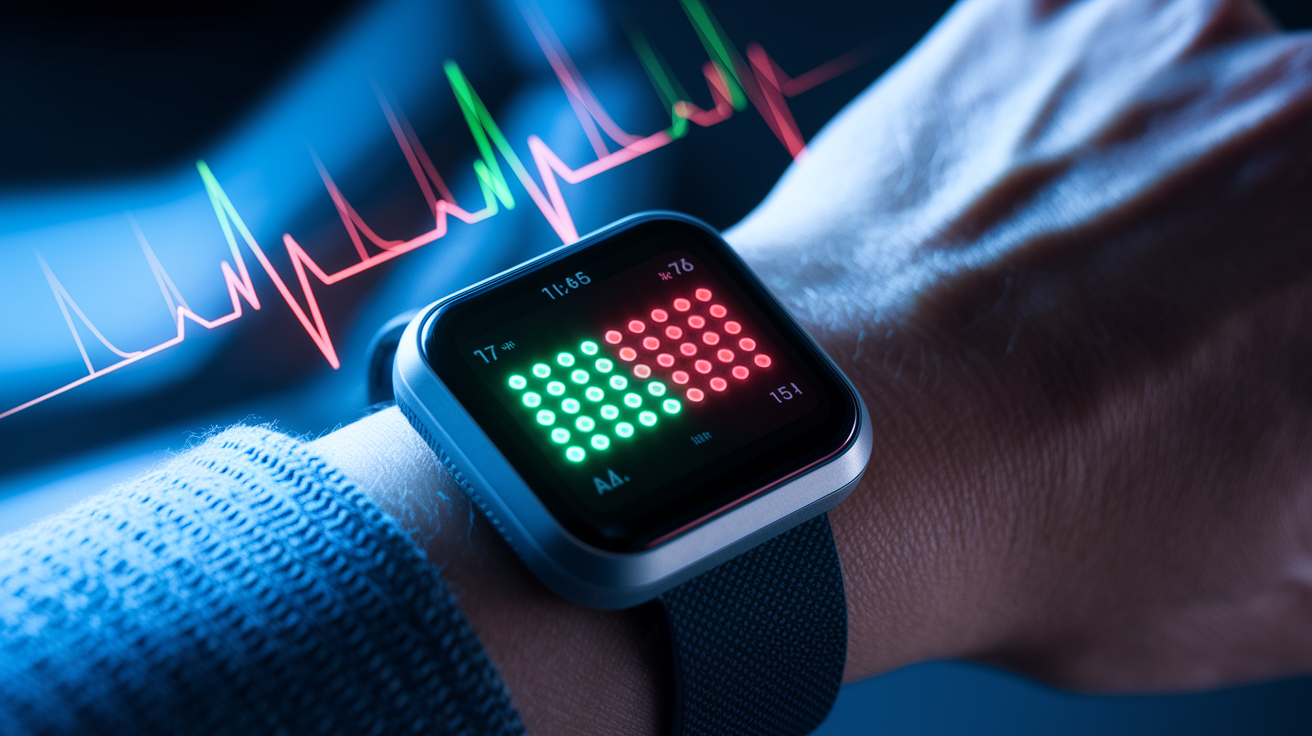
Heart rate variability measures the time variation between heartbeats. It reflects nervous system balance. Higher HRV usually means better recovery and readiness. Lower HRV can signal stress, overtraining, illness, or not enough rest. You measure it first thing in the morning with a chest strap or fingertip sensor, ideally at the same time daily. Trends matter more than single readings. If your 30 day average is 65 milliseconds and you suddenly drop to 45 for three mornings running, that’s a flag to ease up or check for illness. Resting heart rate works the same way. Track it before getting out of bed, and watch for sustained jumps of 5–10 beats per minute above baseline, which often show up before burnout or infection.
Mobility and flexibility tests give you concrete movement data. Range of motion assessments measure how far a joint can move through its normal arc. Physical therapists use goniometers, but you can use simple benchmarks like touching your toes, reaching behind your back, or squatting to parallel. Record these weekly and look for gradual improvements or sudden losses. Strength testing tracks functional capacity. Grip strength with a dynamometer. Push ups in one minute. Whether you can lift a weight that was hard two weeks ago. These tests reveal whether muscle function is returning, plateauing, or declining, regardless of how you feel.
Movement quality assessments focus on how you perform an action, not just whether you can complete it. Can you squat without your knees caving in? Balance on one leg for 30 seconds without wobbling? Step down from a box without compensating with your upper body? Video yourself or work with a coach to spot asymmetries, compensations, or guarding patterns that signal incomplete recovery. Flexibility measurements like sit and reach tests or shoulder rotation checks track tissue mobility, which improves as inflammation drops and scar tissue remodels. These metrics are especially valuable in injury recovery because they catch functional gaps before you load them in real activity.
Validated Scales and Standardized Recovery Assessments
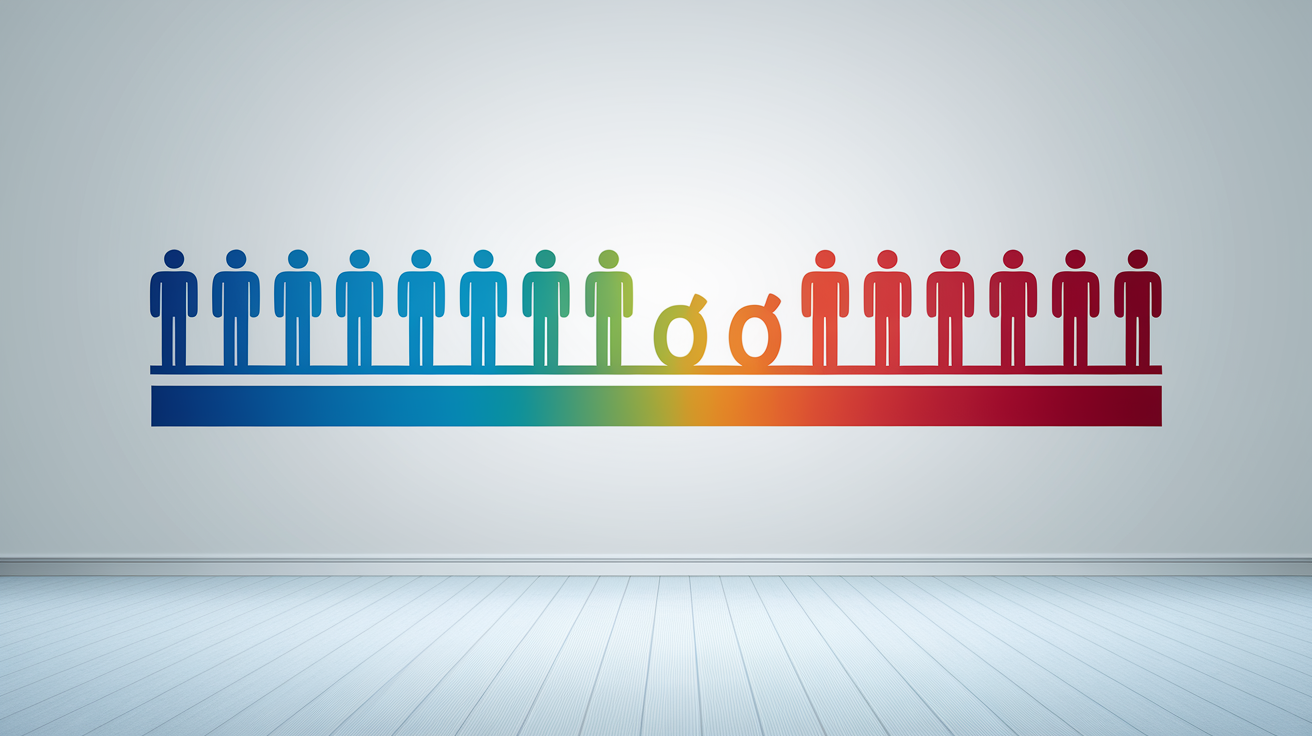
Pain scales structure subjective pain reports into standardized formats that improve consistency and communication. The most common is the 0–10 numeric rating scale where 0 means no pain and 10 means the worst pain imaginable. Clinicians might also use the Wong Baker FACES scale (cartoon faces ranging from smiling to crying) for patients who struggle with numbers, or the visual analog scale (a 10 cm line where you mark your pain level and a ruler converts it to a number). Standardized pain scales let you track trends over days or weeks and give healthcare providers comparable data across visits.
Fatigue scales quantify energy levels and exhaustion using structured questions and rating systems. The Fatigue Severity Scale asks nine questions about how fatigue affects motivation, exercise, physical function, and daily duties, each rated 1–7. The Brief Fatigue Inventory uses a 0–10 scale to rate fatigue intensity and how much it interferes with general activity, mood, walking, work, and relationships. These tools are widely used in chronic illness, post surgical recovery, and mental health contexts because they turn “I’m tired” into measurable data you can track across weeks or months.
Functional ability questionnaires assess how well you perform specific tasks. The Lower Extremity Functional Scale lists 20 activities like walking, running, squatting, and climbing stairs, each rated 0–4 for difficulty. The Disabilities of the Arm, Shoulder, and Hand (DASH) questionnaire covers 30 upper body tasks. Clinician validated recovery scoring systems like the Borg Rate of Perceived Exertion or the Total Quality Recovery scale give athletes and rehab patients a shared language for describing readiness, soreness, and training tolerance. Using these tools improves accuracy because everyone’s answering the same questions with the same anchors, reducing the noise from freeform self reporting.
Digital vs. Manual Tracking Methods

Digital tracking uses apps, wearables, and cloud synced platforms to automate data collection and visualization. Recovery apps let you log symptoms, sleep, and mood with a few taps, then generate graphs and trend reports without manual calculation. Wearable devices like chest straps, smartwatches, and rings capture HRV, resting heart rate, sleep stages, and activity load continuously, feeding data into dashboards that highlight deviations from your baseline. The main benefit is convenience and depth. You can track more variables with less daily effort, and algorithms can spot patterns you might miss in a spreadsheet.
Manual tracking relies on notebooks, printed logs, or simple spreadsheets you fill in by hand. You write down your metrics each day, calculate weekly averages yourself, and look for trends by scanning columns or drawing simple graphs. This method costs almost nothing, works offline, keeps your data private, and builds stronger internal awareness because you actively engage with each entry. The downside is that manual systems require discipline. If you skip a few days, you lose the continuity that makes trends visible.
Hybrid systems combine both. Use a wearable to capture HRV and sleep automatically, then add subjective ratings and notes in a paper journal or spreadsheet. This gives you the reliability of objective sensors plus the context and nuance of written observations. Digital tools excel at long term pattern analysis and sharing data with clinicians. Manual tools excel at simplicity, low friction, and reflective habit building. Choose based on your tech comfort, privacy preferences, and whether you value automated insights or hands on engagement more.
| Method | Primary Benefit | Limitations |
|---|---|---|
| App-based tracking | Automated graphs, reminders, cloud sync | Requires device, privacy concerns, subscription costs |
| Wearable devices | Continuous physiological data, no manual entry | Expensive, battery management, calibration drift |
| Spreadsheets | Flexible, customizable, easy to share with clinicians | Manual entry, no automatic alerts, requires computer |
| Paper journals | Low cost, offline, builds reflective habit | No automated analysis, harder to share, risk of loss |
Implementation Strategies for Effective Recovery Tracking

Start by identifying 2–3 metrics aligned with your recovery goals and current capacity. If you’re rehabbing a knee injury, prioritize pain scores, range of motion measurements, and functional tasks like stair climbing. If you’re tracking athletic recovery, focus on sleep quality, HRV, and perceived exertion during workouts. Don’t track everything at once. Too many variables create noise and make it harder to spot what actually matters. Build the habit with a small, sustainable routine, then expand once daily logging feels automatic.
- Pick your core metrics — choose 2–3 subjective items (pain, energy, mood) and 1–2 objective measures (HRV, resting heart rate, flexibility test)
- Set a consistent time — log at the same time each day, ideally in the morning after waking or before bed, to reduce variability
- Use simple scoring — stick with 0–10 scales or yes/no checklists. Complex rubrics make daily tracking harder to sustain
- Review weekly — every 7 days, scan your entries for patterns, calculate averages, and note any sudden changes
- Adjust based on trends — if pain scores rise for three consecutive days, dial back activity. If energy improves steadily, gradually increase load
- Document context — add brief notes about sleep disruptions, stressful events, diet changes, or missed workouts so you can interpret anomalies later
Domain Specific Recovery Tracking Examples

Athletic recovery tracking focuses on readiness, performance trends, and training load management. Athletes often combine HRV and resting heart rate measurements with subjective ratings of muscle soreness, sleep quality, and motivation. A common setup logs these daily, then uses a weekly average to decide whether to proceed with high intensity sessions or insert an extra rest day. Performance checks like timed sprints, vertical jump height, or strength benchmarks (can you hit 85% of your one rep max without grinding) provide objective confirmation that recovery is complete. Many athletes also track training load using session duration multiplied by rate of perceived exertion, watching for spikes that outpace recovery capacity and often precede injury or burnout.
Injury recovery monitoring emphasizes pain reduction, functional milestones, and movement quality. A person recovering from an ankle sprain might score pain on a 0–10 scale daily, measure ankle dorsiflexion range weekly with a goniometer or wall test, and track whether they can walk, jog, or hop without limping. Physical therapists often assign functional tests like single leg balance, step downs, or calf raises and record reps or hold times to quantify progress. Comparing this week’s pain and function to last week’s data shows whether rest, therapy, or activity modifications are working. If pain plateaus or function regresses, the tracking data signals the need to adjust treatment or investigate complications before returning to full activity.
Post surgery recovery tracking layers clinical assessments with home based logs to catch complications early and guide rehabilitation progressions. Patients might record incision appearance, swelling levels, and pain intensity daily, plus complete validated questionnaires like the SF 36 health survey or disease specific scales at scheduled intervals. Objective markers include range of motion measurements, wound healing photos for remote clinician review, and activity logs showing steps per day or time spent upright. Surgeons and physical therapists use this data to decide when to advance exercises, when to investigate unexpected inflammation, and when clearance for driving, work, or sport is safe. The combination of patient reported outcomes and objective functional tests creates a feedback loop that personalizes recovery timelines instead of relying on generic protocols.
Final Words
Start by picking two simple measures, one subjective (a quick daily journal) and one objective like resting heart rate or a mobility test, and track them for a week.
This post walked through why tracking speeds progress, the difference between subjective logs, objective metrics, and validated scales, plus digital versus manual options and setup tips.
Set a short routine: choose metrics, record them, watch for patterns, and tweak one thing at a time.
Treat these small experiments as practical recovery tracking methods you can test this week, and keep what helps. You’ll likely notice real gains.
FAQ
Q: What are common recovery monitoring techniques and how do I track my recovery?
A: Common recovery monitoring techniques and tracking your recovery use subjective logs (daily symptom, mood, sleep), objective metrics (HRV, resting heart rate, strength, mobility), and validated scales; pick a few measures, record daily, and watch weekly trends.
Q: What are the 4 R’s of recovery?
A: The 4 R’s of recovery are often summarized as rest, refuel, rehydrate, and rebuild, basic steps to let tissues recover, restore energy, and gradually return to activity.
Q: What are the 5 methods to support athletes?
A: The five methods to support athletes are structured load monitoring, targeted nutrition and hydration, sleep optimization, active recovery and mobility work, and personalized strength or rehab plans guided by data.