

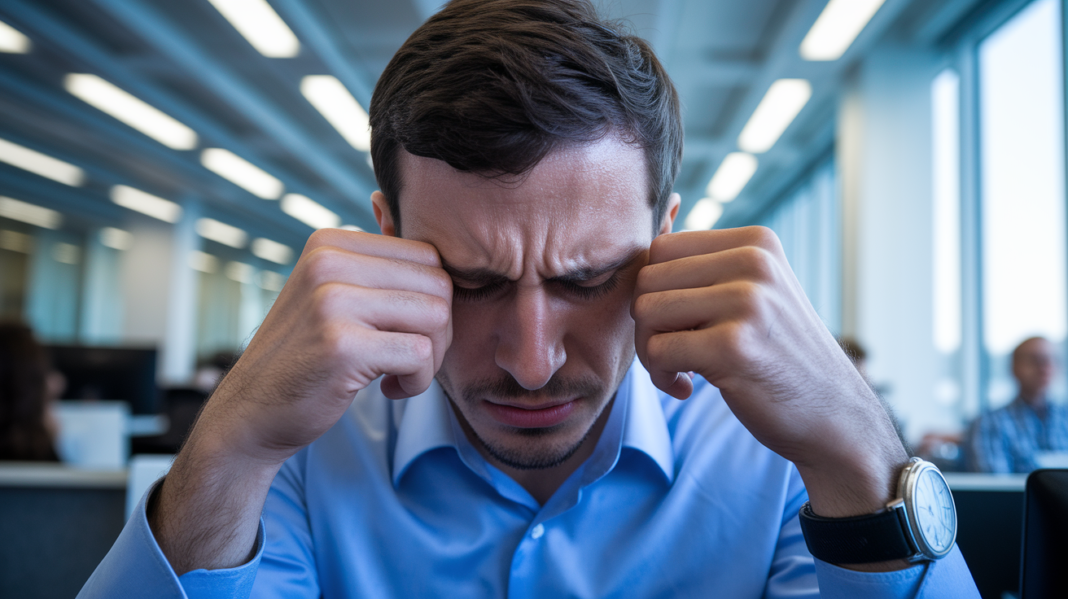

Your body tells you it’s stressed before your brain figures it out, and most people miss the warning signs.
Fast, automatic physical signals like a tight chest, racing heart, or a sudden stomach flip can show up in seconds.
This post lists the core physical signs to watch for, explains how triggers flip your stress response, and gives simple, trackable steps to test so you can spot patterns and act early.
Try one quick check today and see what your body is actually trying to tell you.
Core Physical Warning Signs Your Body Shows When Stress Is Triggered
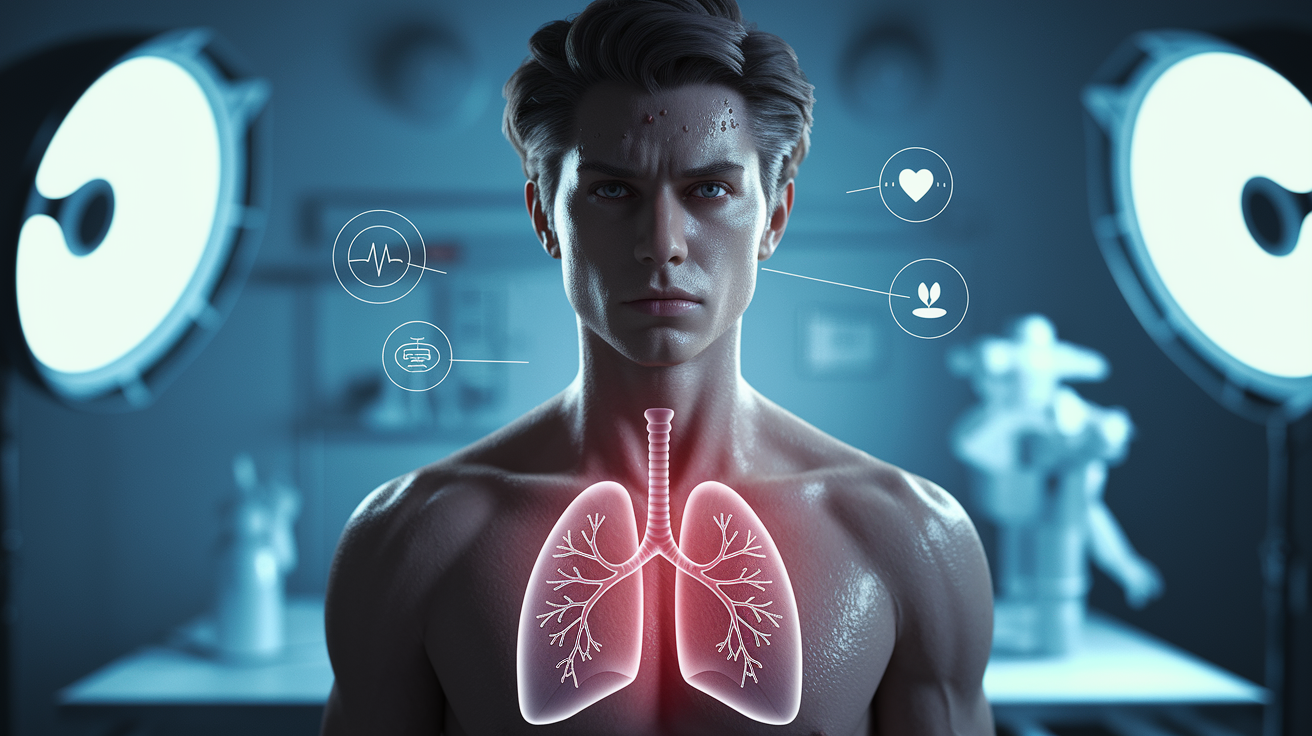
When your body picks up on a stress trigger, it flips a switch. Fast and automatic. The response is chemical and electrical, pushing your heart, lungs, muscles, and digestive system into a state built for action. The changes are meant to help you react, but they also create measurable, uncomfortable physical signals.
These signals show up quickly. Some appear within seconds of the trigger. Others take minutes or hours to develop. You might notice them as a tight chest, a racing pulse, or a sudden wave of nausea. Your body doesn’t wait for you to think about what’s happening. It acts first.
This section gives you a quick list of the most common physical warning signs. Later sections explain the mechanics, timelines, and what to do about each one. For now, here’s what you’re looking for:
- Headaches (tension type or migraine like)
- Muscle tension in the neck, shoulders, jaw, or back
- Rapid heartbeat or palpitations
- Sweating, especially on the palms or forehead
- Shallow or rapid breathing
- Digestive upset. Nausea, cramping, diarrhea, or constipation
- Changes in appetite or cravings
- Sleep disruption or persistent fatigue
- Dizziness or lightheadedness
- Increased frequency of colds or slow wound healing
How Stress Triggers Activate the Body’s Physical Response System
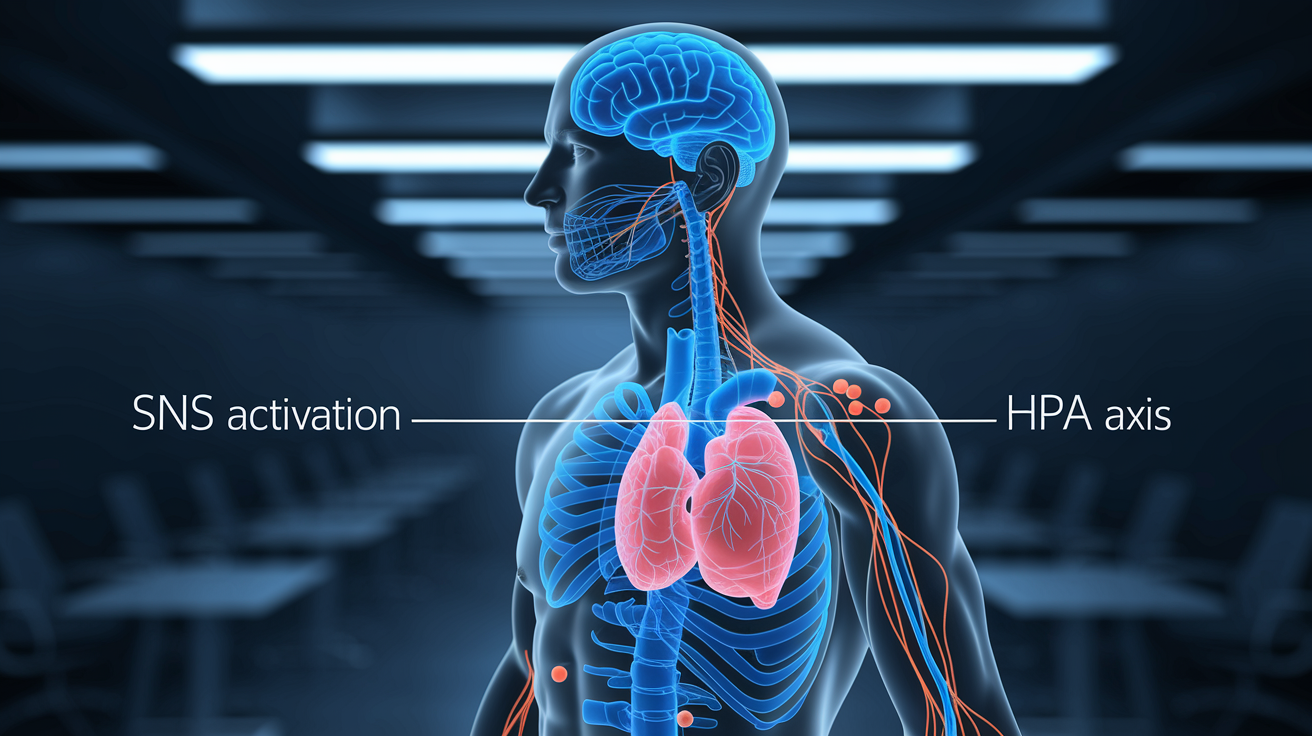
When you encounter a stress trigger, your brain sends an immediate alert. The sympathetic nervous system fires up, releasing adrenaline and norepinephrine into your bloodstream within seconds. Your heart rate climbs. Your breathing quickens. Blood vessels tighten in some areas and widen in others. Your muscles tense. This is the classic fight or flight response.
At the same time, a slower backup system kicks in: the hypothalamic pituitary adrenal axis. The hypothalamus releases corticotropin releasing hormone, which signals the pituitary to release adrenocorticotropic hormone, which then tells the adrenal glands to pump out cortisol. Cortisol sustains the alert state, keeping energy available and dampening nonessential functions like digestion, reproduction, and immune surveillance.
When the trigger passes quickly, adrenaline levels drop, cortisol tapers off, and your body returns to baseline within minutes to a few hours. But when stress lingers or repeats often, cortisol stays elevated for days, weeks, or months. Prolonged cortisol exposure changes sleep architecture, disrupts gut motility, suppresses immune cell activity, and shifts metabolism toward fat storage. That’s when you start to see chronic symptoms. Persistent fatigue, frequent infections, weight changes, and ongoing digestive trouble.
| Phase | Typical Physical Changes |
|---|---|
| Immediate Stress Effects | Heart rate spike, rapid breathing, sweating, muscle tension, dry mouth. Onset within seconds to minutes |
| Short-Term Effects | Digestive upset, headache onset, shallow breathing pattern, transient dizziness. Lasts minutes to hours |
| Chronic Stress Effects | Persistent fatigue, sleep disruption, immune suppression, sustained muscle pain, skin flares. Develops over weeks to months |
Physical Symptoms That Commonly Appear Under Stress Triggers
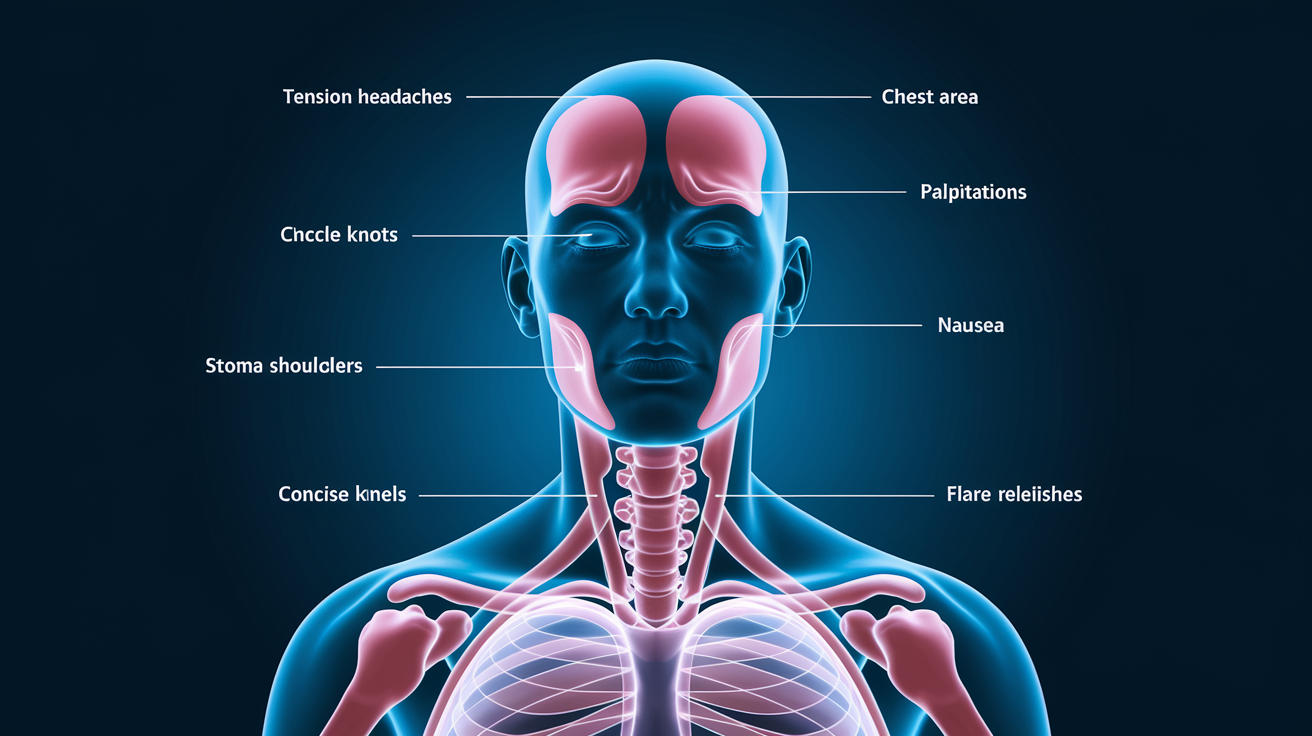
The list of stress related physical symptoms is long, but most fall into a few predictable categories. When you know what to watch for in each area, patterns become easier to spot.
Headaches & Neurological Symptoms
Tension headaches are the most common stress related headache type. They usually feel like a tight band around the forehead or pressure at the base of the skull. Migraine like episodes can also be triggered by stress, especially if you’re already prone to migraines. If you’re having two or three headaches a week, or if your headaches last for hours and interfere with work or sleep, that frequency signals escalation. Dizziness and lightheadedness often accompany acute stress, especially when breathing becomes shallow or rapid.
Muscle & Joint Tension
Stress floods your muscles with signals to tighten and prepare for action. The neck, shoulders, upper back, and jaw take the most load. That tension can last for hours or even days after the trigger passes. Jaw clenching or teeth grinding happens unconsciously, often during sleep, and can lead to morning headaches, tooth pain, ear discomfort, and increased risk of temporomandibular joint dysfunction. Chronic muscle tension creates stiffness, reduces range of motion, and can mimic joint pain.
Cardiovascular & Respiratory Responses
Your heart rate jumps when adrenaline hits. A resting heart rate above 100 beats per minute or sudden palpitations (the feeling that your heart is pounding or skipping) are clear cardiovascular signs. Blood pressure can spike temporarily during acute stress. On the respiratory side, your breathing rate often climbs above 16 to 20 breaths per minute, and breaths become shallow, using only the upper chest instead of the diaphragm. That shallow pattern can make you feel short of breath or like you can’t get enough air, even when oxygen levels are normal.
Digestive Disruptions
The enteric nervous system (the gut’s nervous network) communicates constantly with the central nervous system. When stress signals arrive, digestion slows or becomes erratic. You might feel nausea, cramping, bloating, or a heavy sensation in your stomach. Some people experience diarrhea. Others become constipated. Acid reflux can flare up. If you have irritable bowel syndrome, stress often makes symptoms worse. Appetite can swing either way. Some people lose all interest in food, while others crave high sugar or high fat comfort foods.
Skin, Hair, and Jaw Related Symptoms
Cortisol increases oil production in the skin, which can trigger acne breakouts or worsen existing acne. Stress also disrupts immune regulation in the skin, leading to flares of eczema, psoriasis, or hives. Hair loss typically shows up a few months after a major stress event, a pattern called telogen effluvium. Stress pushes hair follicles into a resting phase, and the shedding becomes noticeable two to three months later. Jaw symptoms (soreness, clicking, tooth wear) stem from the clenching and grinding habits that intensify under stress.
Differences Between Acute vs Chronic Physical Stress Reactions
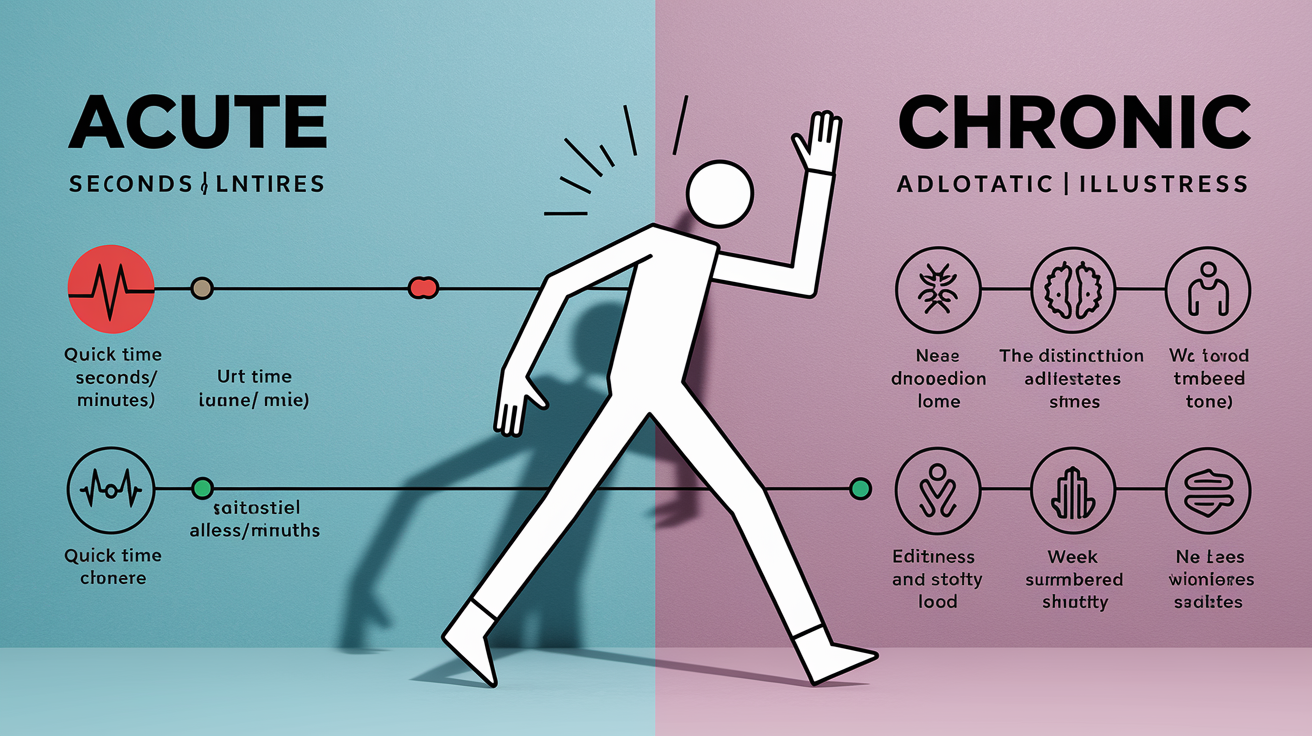
Acute stress reactions are short lived. The sympathetic nervous system fires, adrenaline surges, and your body reacts within seconds. Heart rate climbs, breathing quickens, muscles tense, and you might feel a rush of heat or cold. These changes are designed to resolve once the trigger disappears. For most people, that means symptoms fade within minutes to a few hours. Your body returns to baseline, cortisol drops, and the physical signs disappear.
Chronic stress is different. It means repeated activation or sustained elevation of stress hormones over weeks, months, or longer. The HPA axis stays engaged, cortisol remains elevated, and your body never fully recovers between episodes. Symptoms that would normally resolve in hours now persist for days. New symptoms layer on top of old ones. Sleep becomes consistently disrupted (less than seven hours for multiple nights in a row). Blood pressure readings stay above 130/80 on repeated checks. You catch colds more often because lymphocyte levels drop and immune surveillance weakens. Muscle tension becomes a constant background ache instead of a temporary reaction.
The five key distinctions are:
- Duration: Acute stress lasts seconds to hours. Chronic stress persists for weeks to months or recurs frequently over three or more months.
- Intensity: Acute symptoms are sharp and noticeable but transient. Chronic symptoms may be less dramatic but grind on without clear resolution.
- Physiological Load: Acute stress produces temporary metabolic and cardiovascular spikes. Chronic stress builds allostatic load, the cumulative wear on regulatory systems.
- Risk Markers: Acute stress rarely causes lasting harm. Chronic stress raises long term risk for hypertension, type 2 diabetes, heart disease, and inflammatory disorders.
- When It Becomes Harmful: Symptoms that persist beyond three to six weeks, reduce daily functioning, or produce measurable changes (weight loss or gain over five percent, resting heart rate consistently elevated by ten or more beats per minute) cross into the chronic zone and warrant clinical attention.
How to Recognize Early Physical Signs of Stress Triggers
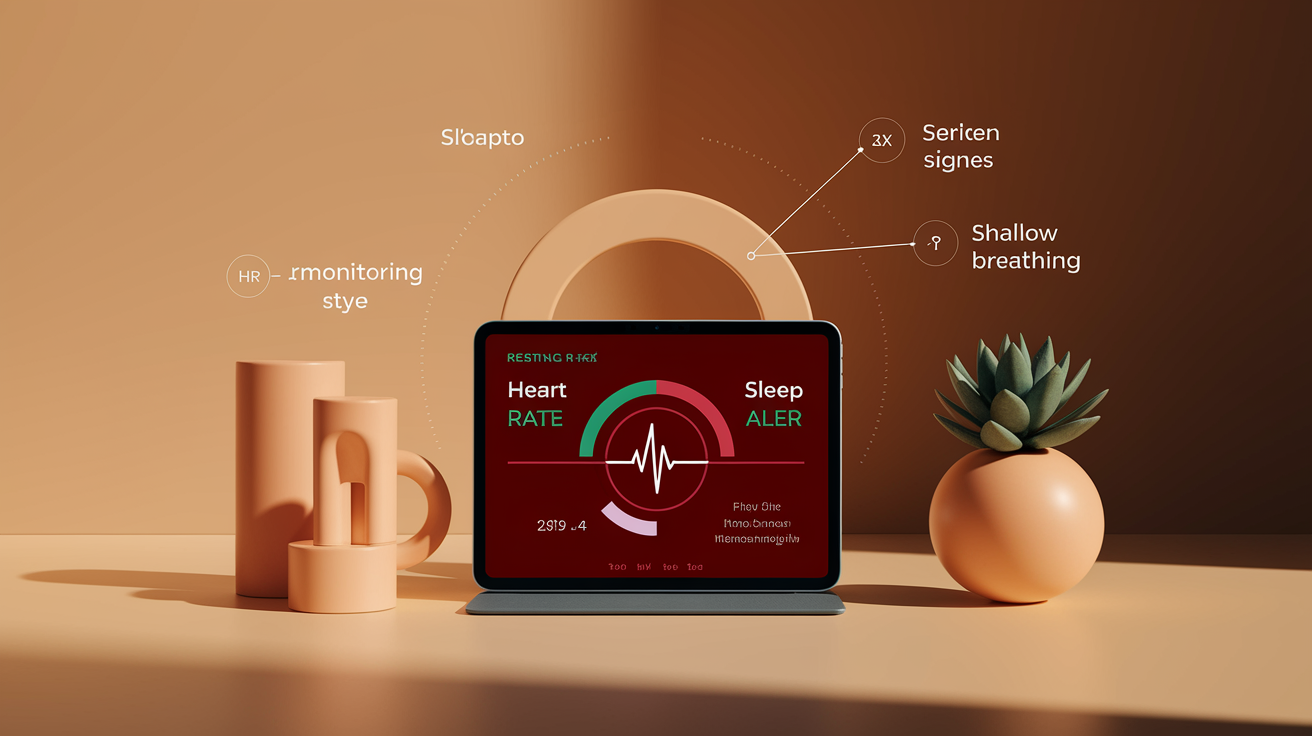
Early detection means catching the signal before it turns into a pattern that lasts for weeks. The body sends cues that are measurable and repeatable. You don’t need lab tests to spot most of them. You need a simple tracking habit and a few quick self checks.
Start by paying attention to your resting heart rate. If your typical baseline is 70 beats per minute and you notice it climbing to 80 or 90 during or right after a stressful event, that’s a ten to twenty beat jump worth noting. Check your breathing. Count breaths for fifteen seconds and multiply by four. If you’re regularly above sixteen to twenty breaths per minute during rest, your breathing pattern has shifted. Notice your jaw in the morning. If you wake up with soreness at the hinge of your jaw, tension headaches, or sore teeth, nighttime clenching is happening. Track sleep. If you’re logging less than seven hours a night for three or more consecutive nights and you feel it during the day, sleep disruption is an early flag.
- Heart rate: Measure resting HR weekly. Look for increases of ten or more beats per minute.
- Breathing rate: Count breaths per minute when calm. Stress often pushes it above twenty.
- Headache frequency: Log how many headaches you get per week. Two or more per week suggests escalation.
- Sleep duration: Aim for seven to nine hours. Falling short for three or more nights in a row is a pattern.
- Digestive changes: Note shifts in bowel habits, appetite, or new gut discomfort that appears with stress.
- Muscle tension hotspots: Check your neck, shoulders, and jaw each morning. Soreness that lasts all day or recurs daily signals chronic tension.
Practical Actions to Reduce Physical Stress Responses
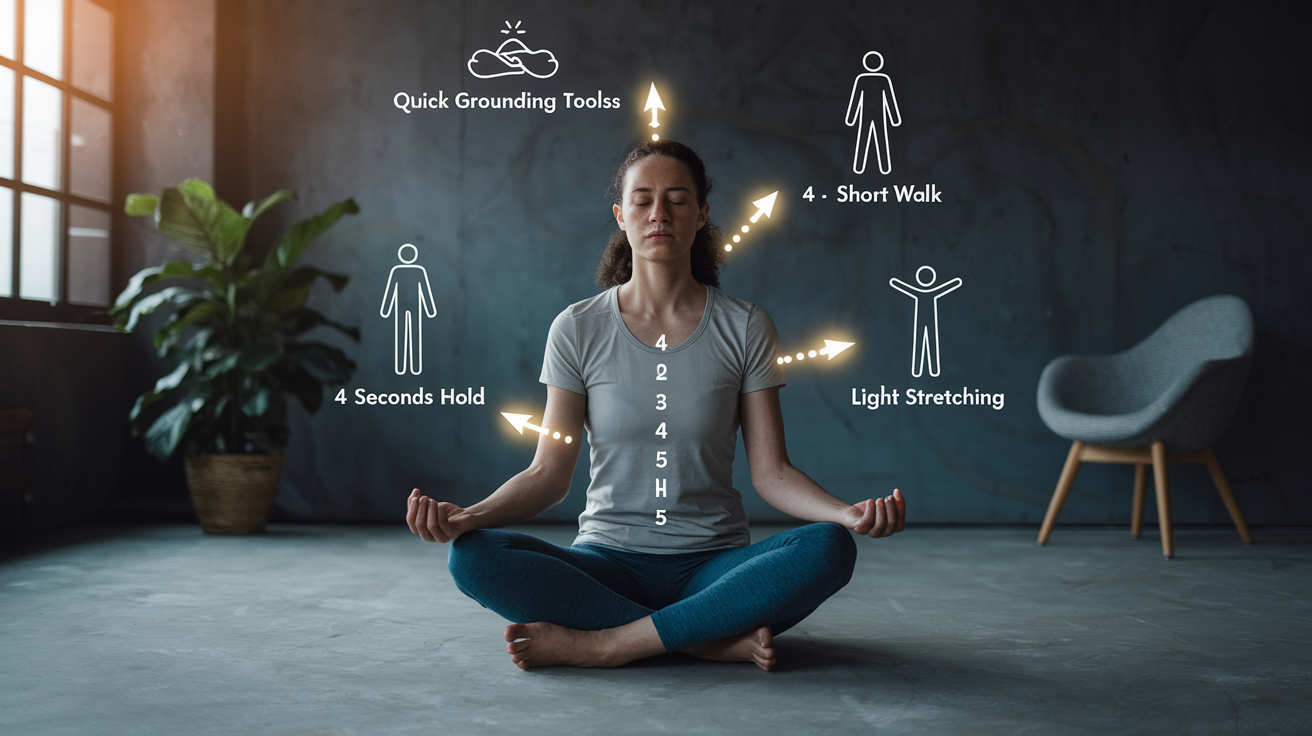
When you feel the first physical signs of a stress trigger, you can interrupt the spiral with immediate, short term tools. These techniques work by engaging the parasympathetic nervous system, which counteracts fight or flight. The goal is to slow your breathing, lower your heart rate, and send a signal to your brain that the threat is manageable.
- Box breathing: Inhale for four seconds, hold for four seconds, exhale for four seconds, hold for four seconds. Repeat four to six rounds (about one to two minutes total). This slows your breathing rate to around six breaths per minute and reduces acute anxiety.
- 4-4-8 breathing: Inhale for four seconds, hold for four seconds, exhale for eight seconds. The long exhale activates the vagus nerve. Four repetitions take about one to two minutes.
- Grounding 5-4-3-2-1: Name five things you see, four things you can touch, three sounds, two smells, one taste. Takes sixty to ninety seconds and pulls attention away from internal panic signals.
- Progressive muscle relaxation: Tense one muscle group for five seconds, then release. Move from feet to head. Full body cycle takes ten to twenty minutes.
- Brief walk: Five to ten minutes of brisk walking shifts blood flow, releases endorphins, and gives the fight or flight response a physical outlet.
- Gentle stretching: Focus on neck rolls, shoulder shrugs, and jaw stretches. Two to five minutes can ease acute muscle tension.
For longer term resilience, build routines that lower baseline stress reactivity. Aim for at least 150 minutes of moderate aerobic exercise per week. That’s thirty minutes five times a week, or you can break it into shorter bouts. Include two resistance training sessions. Sleep seven to nine hours per night and keep your bedtime consistent within a one hour window. Drink two to three liters of water daily, adjusted for heat and activity. If you’re prone to anxiety or palpitations, keep caffeine at or below 200 milligrams per day (roughly one to two cups of coffee). Avoid using alcohol as a primary coping tool. It disrupts sleep architecture and can worsen stress symptoms over time.
When symptoms persist beyond two weeks, intensify, or interfere with daily life, schedule an evaluation with a primary care provider. Seek immediate medical attention for red flags: chest pain or pressure, fainting or loss of consciousness, severe shortness of breath, sudden severe headache, resting heart rate above 100 beats per minute without an obvious cause, or severe dizziness that doesn’t improve within a few minutes. These signs may indicate a medical emergency or a condition that requires diagnosis and treatment beyond stress management.
Final Words
When your heart leaps, your neck tightens, or you wake with a headache, that’s your body going into action.
We defined the stress response, listed quick physical cues, explained acute versus chronic reactions, and showed how to spot early warning signs and practical fixes.
Try a small tracking experiment. Note symptoms, breathing rate, or sleep for a week and test paced breathing for three days.
Spotting and logging physical signs of stress triggers gives you clear next steps. Small changes can make a noticeable difference.
FAQ
Q: Can stress make you physically sick?
A: Stress can make you physically sick by triggering headaches, digestive upset, poor sleep, immune weakness, and higher blood pressure; behaviors like poor eating or less sleep often add to real illness risk.
Q: What happens to your body when you are chronically stressed?
A: When you’re chronically stressed, your body stays in alert mode with higher cortisol and adrenaline, which disrupt sleep, digestion, immunity, raise blood pressure, and leave you tired or more illness-prone.
Q: How to reset after chronic stress?
A: To reset after chronic stress, try short daily steps: paced breathing and grounding, regular sleep and gentle exercise, cut extra caffeine, hydrate, track symptoms for two weeks, and see a clinician if severe.
Q: What are the diseases caused by stress?
A: Diseases linked to long-term stress include high blood pressure, heart disease, irritable bowel flares, anxiety and depression, insomnia, increased infections, autoimmune flares, and metabolic problems like blood sugar dysregulation.