



What if a simple food log could stop random bloating and mystery headaches?
Most of us blame the wrong meal because memory is fuzzy.
Start with a food-and-symptom log that timestamps everything, adds photos, and notes severity and timing.
Some reactions show up in 30 to 90 minutes.
Others hide for 12 to 72 hours.
This post walks you through easy tracking steps, quick elimination tests, and how to read the patterns so you can find likely food triggers without guesswork.
Immediate Methods to Spot Food Triggers Through Tracking and Patterns

Start today with a food and symptom log that captures everything you eat, the exact time you ate it, and every symptom that follows. Food triggers are specific ingredients or foods that reliably cause or worsen digestive symptoms like bloating, stomach ache, gas, diarrhea, nausea, or headaches in people with underlying gut sensitivities. Some reactions show up within 30 to 90 minutes of eating and point to immediate intolerances or allergies. Other reactions hide for 12 to 72 hours after a meal, making them way harder to catch without structured tracking. Delayed reactions can muddy the picture because you might blame the wrong meal or miss patterns entirely if you’re not recording daily.
The clearest tracking system combines four tools: a detailed food diary with timestamps and ingredient lists, a matching symptom calendar that logs severity and timing, photos of every meal and snack, and a tracking app that spots trends over days or weeks. Use one tool or use all four depending on how complex your symptoms are and how many possible triggers you suspect. The photo record works as a backup when you forget an ingredient, and apps can graph your symptom severity over time to show whether patterns are real or random.
Your tracking log needs six specific fields for every entry to be useful. First, record the date and exact time you started eating. Second, write down every food and drink, including sauces, dressings, seasonings, and beverages. Don’t skip coffee creamer or the oil you cooked in. Third, estimate portion sizes using cups, tablespoons, grams, or simple descriptions like “half a plate” or “fist-sized serving.” Fourth, note the time symptoms appeared and describe them clearly. “Bloated stomach and loud gurgling” is more useful than “felt bad.” Fifth, rate severity on a 0 to 10 scale where 0 is no symptom and 10 is the worst you’ve experienced, and track how long symptoms lasted. Sixth, add context like medications, stress level, sleep quality, menstrual cycle day, or alcohol from the night before because these all shift gut sensitivity and can trigger symptoms on their own.
Track consistently for at least two weeks before making any dietary changes. Look for foods that appear within one to three hours of immediate symptoms or 12 to 72 hours before delayed symptoms. Circle repeated offenders and test them through structured elimination to confirm the pattern.
Whole‑Food Reset to Reduce Noise When Identifying Food Triggers

Processed foods stack multiple potential triggers into one meal. Preservatives, emulsifiers, refined sugars, artificial sweeteners, and flavor enhancers can all irritate the gut. Shifting toward whole foods for two weeks creates a quieter baseline that makes real trigger patterns easier to see. When you eat mostly single ingredient foods, each item you track is one variable instead of ten hidden ones. This reset isn’t about perfection or permanent restriction. It’s about giving yourself a clean data set so that when symptoms do appear, you have a short suspect list instead of a chaotic mix.
Focus your meals on these whole food categories: fresh or frozen fruits and vegetables, plain meat and poultry, fish and seafood, eggs, potatoes and sweet potatoes, whole grains like oatmeal and brown rice, and healthy fats such as olive oil, avocado, nuts, and seeds. Avoid or minimize highly processed snacks like chips, crackers, and packaged cookies, foods with long ingredient lists that include words you don’t recognize, refined carbohydrates such as white bread and pastries, added sugars and high fructose corn syrup, alcohol, and sugar alcohols like sorbitol, xylitol, and erythritol often found in “zero calorie” or “sugar free” products.
Many people notice within one week that baseline bloating, gas, or general digestive discomfort drops when they cut out processed foods, even before eliminating specific triggers. That early improvement tells you that food processing itself was contributing noise, and it confirms you’re now working with a cleaner signal. Once you’ve established this baseline, you can move into targeted elimination testing with much better accuracy.
Structured Elimination Diets for Identifying Specific Food Triggers

Elimination diets work by removing suspected foods for a defined window, watching for symptom improvement, then reintroducing one food or food group at a time to confirm which item caused the reaction. The goal is to isolate individual triggers, not to avoid entire food groups forever. Start with the most common suspects like dairy, wheat or gluten, added sugar, and alcohol, and eliminate them one at a time or in small logical groups. Remove each target food completely for two full weeks while continuing your food and symptom log. If symptoms improve within that window, you’ve found a likely trigger. If nothing changes, that food probably isn’t your primary problem.
Reintroduction is where confirmation happens. After the two week elimination, bring back a single food in a normal sized portion and watch for three to seven days. Record every symptom with the same severity scale and timing detail you used during elimination. If symptoms return clearly and consistently, you’ve confirmed a trigger. If nothing happens, that food is safe to keep in your diet. Move to the next suspected food and repeat the cycle. Never reintroduce more than one new food at a time or you’ll lose the ability to pinpoint which one caused the reaction. For people testing FODMAP sensitivity, the elimination phase lasts two to six weeks and covers all high FODMAP foods, followed by a staged reintroduction of one FODMAP category every few days to identify which specific carbohydrate group triggers symptoms.
| Food Group | Elimination Duration | Reintroduction Window | Typical Symptoms |
|---|---|---|---|
| Dairy (lactose) | 2 weeks | 3–7 days | Bloating, gas, diarrhea, stomach cramps |
| Wheat/Gluten | 2 weeks | 3–7 days | Bloating, fatigue, headache, brain fog |
| Added Sugar/Alcohol | 2 weeks | 3–7 days | Gas, bloating, diarrhea, energy crashes |
| High-FODMAP foods | 2–6 weeks | 3–7 days per category | Bloating, excessive gas, abdominal pain, diarrhea or constipation |
Understanding Allergies vs Intolerances When Identifying Food Triggers

Food allergies involve your immune system and can affect your whole body within minutes to hours, while food intolerances involve digestion and usually stay confined to the gut with symptoms appearing anywhere from 30 minutes to 72 hours after eating. Allergies are mediated by immunoglobulin E (IgE) antibodies that trigger rapid histamine release, leading to hives, swelling, difficulty breathing, or even anaphylaxis. Intolerances come from enzyme deficiencies, sensitivity to food chemicals, or poor absorption of certain carbohydrates, and they cause digestive distress like bloating, gas, diarrhea, nausea, stomach cramps. The dose often matters with intolerances. A small amount of lactose might be fine, but a large glass of milk triggers symptoms. Allergies don’t follow that dose response pattern. Even a trace amount can provoke a serious reaction.
When self tracking reveals delayed or dose dependent digestive symptoms without any respiratory, skin, or systemic reactions, you’re likely dealing with an intolerance rather than an allergy. IgG antibody tests are sometimes marketed for food sensitivity, but their clinical reliability is limited and many experts advise against using them as a primary tool because elevated IgG can simply indicate normal immune exposure to food, not intolerance. If you suspect an immune mediated reaction or want confirmation of an intolerance, medical testing offers much clearer answers than unvalidated panels.
When to Suspect Allergy Instead of Intolerance
Suspect an IgE mediated food allergy if symptoms appear rapidly, usually within minutes to two hours, and include itching or tingling in the mouth, hives or red welts on the skin, swelling of lips, tongue, or throat, wheezing or trouble breathing, tightness in the chest, dizziness, or a drop in blood pressure. These reactions require immediate medical evaluation and formal allergy testing through skin prick tests or serum specific IgE blood tests. Never attempt a home food challenge if you’ve had a history of anaphylaxis or severe allergic reactions. Work with an allergist who can conduct medically supervised oral food challenges and prescribe an epinephrine auto injector if needed. Tracking alone can’t diagnose or rule out a true food allergy.
Using Clinical Tests to Confirm Food Triggers

Medical testing narrows guesswork and provides objective confirmation when self tracking points toward specific intolerances or allergies. Hydrogen breath tests measure gas production after consuming lactose, fructose, or other poorly absorbed carbohydrates and confirm malabsorption that causes bloating, gas, and diarrhea. If your food diary shows consistent digestive symptoms after dairy, a lactose hydrogen breath test can confirm whether you lack sufficient lactase enzyme. The test involves drinking a standard lactose dose and measuring breath hydrogen every 15 to 30 minutes for two to three hours. Elevated hydrogen indicates bacterial fermentation of undigested lactose in the colon.
For suspected wheat reactions, celiac disease must be ruled out before starting a gluten elimination diet because avoiding gluten can make celiac blood tests falsely negative. Celiac serology includes tissue transglutaminase IgA (tTG IgA) and sometimes endomysial antibodies or deamidated gliadin peptide tests. If serology is positive, a gastroenterologist will perform an endoscopy with small intestine biopsy to confirm villous atrophy. Non celiac gluten sensitivity is diagnosed by exclusion after celiac disease and wheat allergy are ruled out through testing and symptoms improve with gluten elimination. Skin prick testing and serum specific IgE blood tests identify IgE mediated immediate allergies to foods like peanuts, tree nuts, shellfish, eggs, and soy. Both tests measure immune reactivity, and positive results combined with a clear clinical history confirm the allergy.
Common clinical tests and their applications:
Lactose hydrogen breath test confirms lactose malabsorption and is useful when dairy consistently causes bloating, gas, and diarrhea within hours.
Fructose hydrogen breath test identifies fructose malabsorption and helps if fruits and high fructose foods trigger symptoms.
Celiac serology (tTG IgA, EMA, DGP) screens for celiac disease before eliminating gluten and must be done while still eating gluten.
Skin prick or serum specific IgE testing diagnoses IgE mediated food allergies causing immediate reactions like hives, swelling, or anaphylaxis.
Medically supervised oral food challenge is the gold standard for confirming or ruling out food allergies and some intolerances under controlled conditions with emergency support available.
Common Food Trigger Categories and What Symptoms They Cause
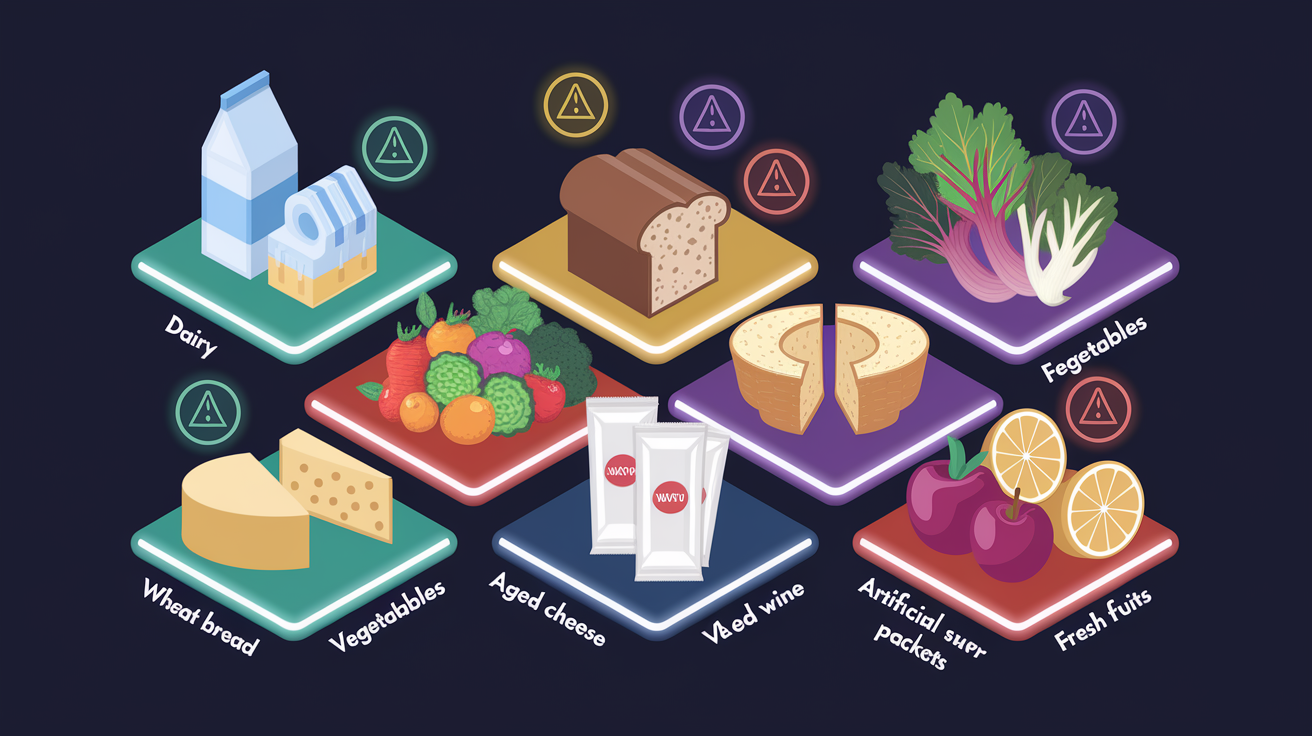
Different food triggers cause different symptom patterns, and recognizing these patterns helps you build a smarter suspect list before you start eliminating foods. Lactose in dairy products causes bloating, gas, stomach cramps, and diarrhea within 30 minutes to two hours because undigested lactose ferments in the colon. Gluten and wheat can trigger bloating, brain fog, fatigue, joint pain, and headaches in people with non celiac gluten sensitivity, while celiac disease adds malabsorption, weight loss, and nutrient deficiencies. Fructose and high FODMAP foods like onions, garlic, apples, pears, beans, and certain grains cause excessive gas, bloating, abdominal pain, and alternating diarrhea and constipation because they ferment rapidly in the gut.
Histamine rich foods like aged cheese, cured meats, fermented foods, alcohol, and certain fish can trigger headaches, hives, flushing, nasal congestion, and rapid heart rate in people with histamine intolerance or low diamine oxidase enzyme activity. Monosodium glutamate (MSG) and sulfites cause headaches, facial flushing, sweating, and chest tightness in sensitive individuals, though true MSG sensitivity is less common than often claimed. Artificial sweeteners such as sorbitol, xylitol, and sucralose are poorly absorbed and frequently cause gas, bloating, and diarrhea because they draw water into the intestines and feed gut bacteria.
Lactose (dairy) causes bloating, gas, cramps, diarrhea within 30 minutes to 2 hours.
Gluten/Wheat triggers bloating, brain fog, fatigue, joint pain, headaches, with delayed onset possible.
FODMAPs (onions, garlic, beans, apples) produce gas, bloating, abdominal pain, loose stools or constipation.
Histamine (aged cheese, wine, cured meats) brings headaches, hives, flushing, rapid heart rate, nasal congestion.
MSG and Sulfites lead to headaches, facial flushing, sweating, chest tightness.
Artificial Sweeteners (sorbitol, xylitol, sucralose) create gas, bloating, diarrhea, often dose dependent.
Fructose (fruits, high fructose corn syrup) causes bloating, gas, diarrhea, especially when consumed in large amounts or without glucose.
Detecting Food Triggers in Special Situations and Life Stages

Food sensitivities and intolerances shift across the lifespan, and tracking methods need to adjust to match developmental stages and physiological changes. Infants and young children often show food reactions through irritability during or after feeding, frequent spitting up, eczema, diarrhea, blood in stool, or slow weight gain. Parents tracking infant reactions should log the time of each feeding, whether breast milk or formula, any new solid foods introduced, and the timing and nature of symptoms. Exclusively breastfed infants can react to foods in the mother’s diet that pass through breast milk, most commonly dairy, soy, eggs, and wheat, so maternal elimination diets are sometimes needed under pediatric or dietitian guidance.
Pregnancy and hormonal fluctuations alter gut motility, enzyme activity, and immune responses, which can make foods you previously tolerated suddenly trigger bloating, nausea, heartburn, or constipation. Pregnant individuals should continue detailed tracking but avoid unsupervised elimination diets that could compromise maternal or fetal nutrition. Older adults experience reduced enzyme production, slower gastric emptying, and shifts in gut microbiota that can create new intolerances to lactose, high fiber foods, or fatty meals. Hormonal cycles in menstruating individuals affect gut sensitivity, with many people reporting worse bloating, diarrhea, or constipation in the days before menstruation due to prostaglandin release and progesterone effects on gut motility.
Four life stage tracking adjustments:
Infants and toddlers need tracking of feeding times, formula or breast milk, new foods introduced, diaper output (frequency, consistency, blood or mucus), skin reactions, and fussiness patterns. Work closely with a pediatrician.
Pregnancy calls for continuing food and symptom logs but noting trimester, prenatal vitamins, and any new cravings or aversions. Consult a dietitian before eliminating major food groups.
Menstrual cycle tracking means adding cycle day to your symptom log to identify whether certain triggers worsen during the luteal phase or around menstruation. This helps separate hormonal effects from true food intolerances.
Older adults should track meal timing and note if large meals or high fat foods worsen symptoms due to slower digestion. Consider smaller, more frequent meals and professional evaluation of enzyme or bile acid deficiencies.
Ingredient Label Skills for Finding Hidden Food Triggers

Packaged and processed foods hide common triggers in ingredient lists under names most people don’t recognize, so learning to decode labels is essential when you’re trying to eliminate dairy, gluten, soy, corn, or specific additives. Lactose and milk proteins appear as whey, casein, milk solids, lactose, cream, butter, and sometimes “natural flavoring” if derived from dairy. Gluten hides in malt, modified food starch (unless labeled gluten free), hydrolyzed vegetable protein, soy sauce, and some thickeners or stabilizers. Corn derivatives show up as corn syrup, high fructose corn syrup, dextrose, maltodextrin, citric acid, and xanthan gum. Soy sneaks in as soy lecithin, textured vegetable protein, soybean oil, and hydrolyzed soy protein.
Food additives frequently trigger symptoms in sensitive individuals even when the base ingredients seem safe. Preservatives like sulfites (sodium sulfite, potassium bisulfite) cause headaches and breathing trouble in asthmatics. Artificial colors like Red 40, Yellow 5, Yellow 6 are linked to hyperactivity and headaches in some children and adults. Emulsifiers such as carrageenan and polysorbate 80 can irritate the gut lining and worsen inflammatory bowel symptoms. Natural flavorings are unregulated catchall terms that can include dozens of chemical compounds, some derived from allergens or trigger foods, so if you react to a product labeled only with “natural flavors,” you may never know the exact cause without contacting the manufacturer.
| Ingredient | Why It’s a Problem | Common Sources |
|---|---|---|
| Whey, Casein, Lactose | Milk proteins and lactose trigger reactions in dairy intolerant individuals | Protein bars, baked goods, processed meats, “non-dairy” creamers |
| Malt, Modified Food Starch | Often contain gluten unless certified gluten-free | Cereals, soups, sauces, candy, beer |
| Sulfites (Sodium Sulfite, Potassium Bisulfite) | Cause headaches, flushing, breathing difficulty in sensitive people | Wine, dried fruit, processed potatoes, shrimp |
| Artificial Colors (Red 40, Yellow 5, Yellow 6) | Linked to headaches and hyperactivity in children and sensitive adults | Candy, sodas, baked goods, processed snacks |
Restaurant and Travel Strategies for Managing Food Triggers

Eating out and traveling make ingredient control much harder, but a few proactive strategies can protect you from accidental exposure and surprise symptoms. Call the restaurant ahead or check the menu online to confirm they can accommodate your needs, then speak directly with the server and kitchen staff when you arrive. Ask specific questions about preparation methods. “Is this grilled with butter or oil?” “Does the salad dressing contain dairy or soy?” “Are the fries cooked in a shared fryer with breaded items?” Servers often don’t know details, so request that the chef or kitchen manager answer if your triggers are serious.
Cross contamination is a major risk in restaurant kitchens where the same cutting boards, grills, fryers, and utensils touch dozens of ingredients every hour. If you have celiac disease or a severe allergy, emphasize the medical importance and ask for fresh gloves, clean cutting boards, and separate cooking surfaces. Avoid buffets, salad bars, and shared condiment containers where utensils mix between items. Choose simple dishes with fewer ingredients. A plain grilled protein with steamed vegetables and a baked potato gives you fewer chances for hidden triggers than a pasta dish with complex sauce. Bring safe snacks and emergency food when traveling so you’re not forced to eat something risky when tired or rushed.
Ask detailed preparation questions. Find out what oils, seasonings, marinades, and cooking methods are used. Request modifications like “no butter” or “sauce on the side.”
Speak with kitchen staff, not just servers. Servers relay messages but may not understand cross contamination or hidden ingredients. Ask to speak with a manager or chef.
Choose simple menu items. Plain grilled meat, steamed vegetables, baked potatoes, and rice reduce the ingredient count and the chance of hidden triggers.
Carry safe backup food. Pack nuts, fruit, protein bars, or other portable options so you’re not forced into risky choices when traveling or delayed.
Avoid high risk settings. Buffets, shared fryers, and fast casual spots with high cross contact risk are harder to navigate safely than restaurants with dedicated allergy protocols.
Long‑Term Management After Identifying Food Triggers

Once you’ve confirmed your food triggers through elimination, reintroduction, and possibly medical testing, the next step is building a sustainable eating plan that avoids those triggers without creating unnecessary restrictions or nutrient deficiencies. Many people over restrict out of fear, cutting entire food groups when only one or two specific items within that group cause problems. A registered dietitian who specializes in food intolerances or gastrointestinal conditions can review your elimination data, confirm that your remaining diet is nutritionally complete, and help you test safe alternatives so your meal variety stays wide. For example, if you react to cow’s milk lactose, you may tolerate lactose free dairy, hard cheeses with minimal lactose, or plant based alternatives fortified with calcium and vitamin D.
Meal planning becomes easier once your trigger list is clear and stable. Build a rotation of safe recipes using ingredients you’ve tested and tolerated, and keep a running grocery list of verified brands and products so shopping is faster and less stressful. Label reading stays important because manufacturers change formulations, so even a product that was safe six months ago might now include a trigger ingredient. Recheck labels periodically and stay in touch with any updates from manufacturers if you have severe allergies or celiac disease.
Long term management also means periodic retesting. Some intolerances improve over time if the gut heals, especially after treating conditions like small intestinal bacterial overgrowth (SIBO), reducing inflammation, or restoring a balanced microbiome. Every six to twelve months, consider retesting a previously confirmed trigger under controlled conditions to see if your tolerance has changed. Work with a dietitian or physician to design these rechallenges safely, and continue logging symptoms so you catch any shifts early before they disrupt your routine.
Final Words
in the action we gave a clear, step-by-step tracking method: log meals, note timing and severity, use photos and apps, and watch for immediate vs delayed reactions.
We also suggested a whole-food reset to lower the noise, then a structured elimination and reintroduction plan to test single foods.
We covered how to tell allergy from intolerance, when clinical tests help, label-reading tricks, and eating-out strategies.
You now have a simple roadmap for how to identify food triggers. Try one small test this week and see what changes.
FAQ
Q: How to figure out food triggers?
A: Figuring out food triggers starts with tracking: keep a simple food-and-symptom log noting time eaten, ingredients, portion, symptom type, severity (0–10), and timing, watching for delayed reactions up to 72 hours.
Q: What are the 5 worst foods that trigger inflammation?
A: The five foods most likely to drive inflammation are processed meats, refined carbs and sugary snacks, fried foods, excessive alcohol, and ultra-processed packaged foods.
Q: What are the most common food intolerance triggers?
A: The most common food intolerance triggers are dairy (lactose), wheat/gluten, FODMAPs (certain fermentable carbs), artificial sweeteners or sugar alcohols, and high‑histamine foods.
Q: How to test for trigger foods?
A: Testing for trigger foods combines careful tracking, an elimination‑reintroduction experiment (one food at a time, 3–7 days), and medical tests like hydrogen breath, skin‑prick, or IgE blood tests when allergy is suspected.