



What if the meals you love are secretly inflating your belly?
That tight, full feeling after eating usually comes from three places: the food itself, how you eat it, or how your gut handles it.
Some bites make extra gas, some habits add swallowed air, and sometimes the gut ferments carbs too fast.
This post lays out the common food triggers that tend to cause post‑meal bloating and gives simple, testable steps you can try to see what helps.
Key Reasons Behind Post‑Meal Bloating
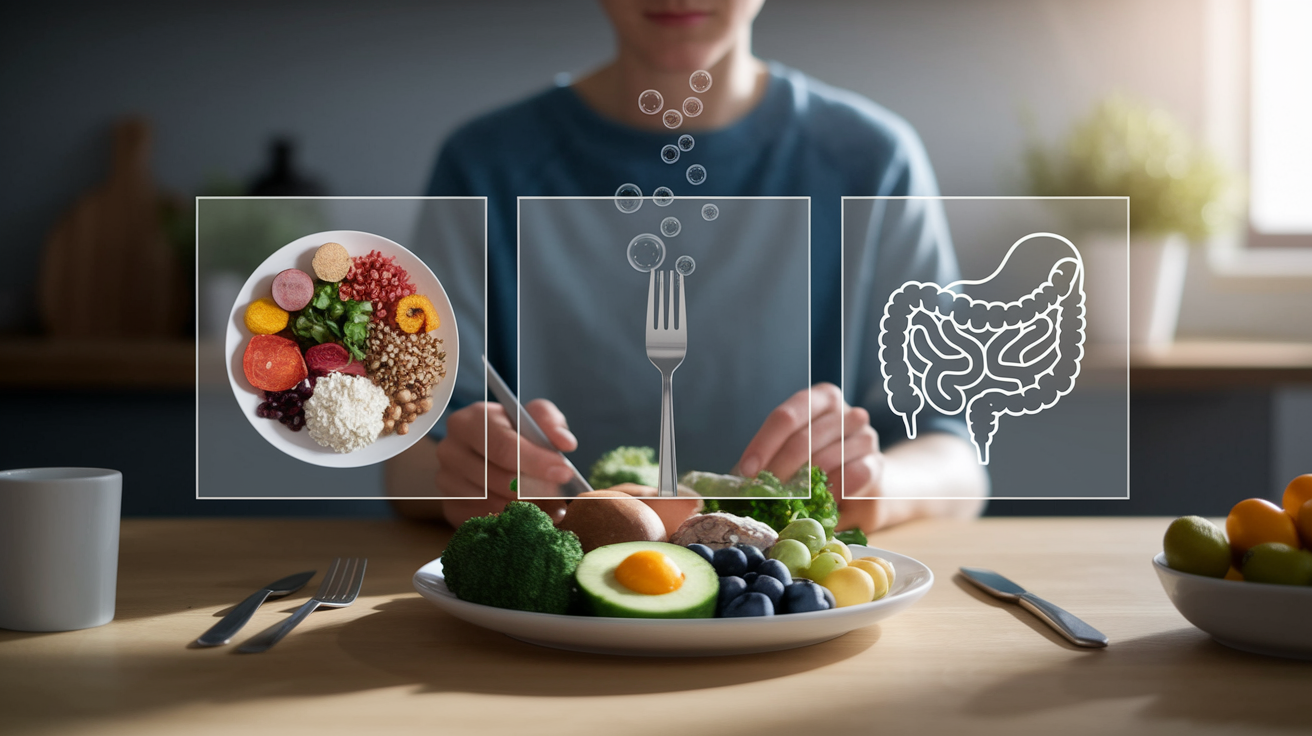
Post‑meal bloating usually comes from one of three big buckets: what you’re eating, how you’re eating it, or what’s happening inside your gut. That tight, full feeling after a meal can be triggered by swallowing too much air when you eat fast or talk while chewing, by foods that naturally produce more gas during digestion, or by functional issues in your digestive tract that slow transit or ramp up fermentation. Lots of people get occasional bloating after large or rich meals. But when it’s happening almost every day or after most meals, the cause often points to a pattern worth investigating.
Some bloating is mechanical. Your stomach’s stretched from too much food or fizzy drinks, or you’ve gulped air along with your lunch. Other times, it’s chemical and bacterial: certain carbohydrates ferment in your intestines, releasing gas that builds pressure and expands your belly. Underlying conditions like IBS or SIBO can amplify these reactions, making even small meals feel uncomfortable.
Common immediate contributors include:
- Eating too quickly or taking large bites
- Drinking carbonated beverages with or right after meals
- Foods high in FODMAPs that ferment easily in the gut
- Lactose or fructose that your body can’t fully digest
- Overeating portions larger than your stomach can comfortably hold
- Swallowing extra air from talking, chewing gum, or sipping through a straw
Dietary Triggers Connected to Bloating After Meals
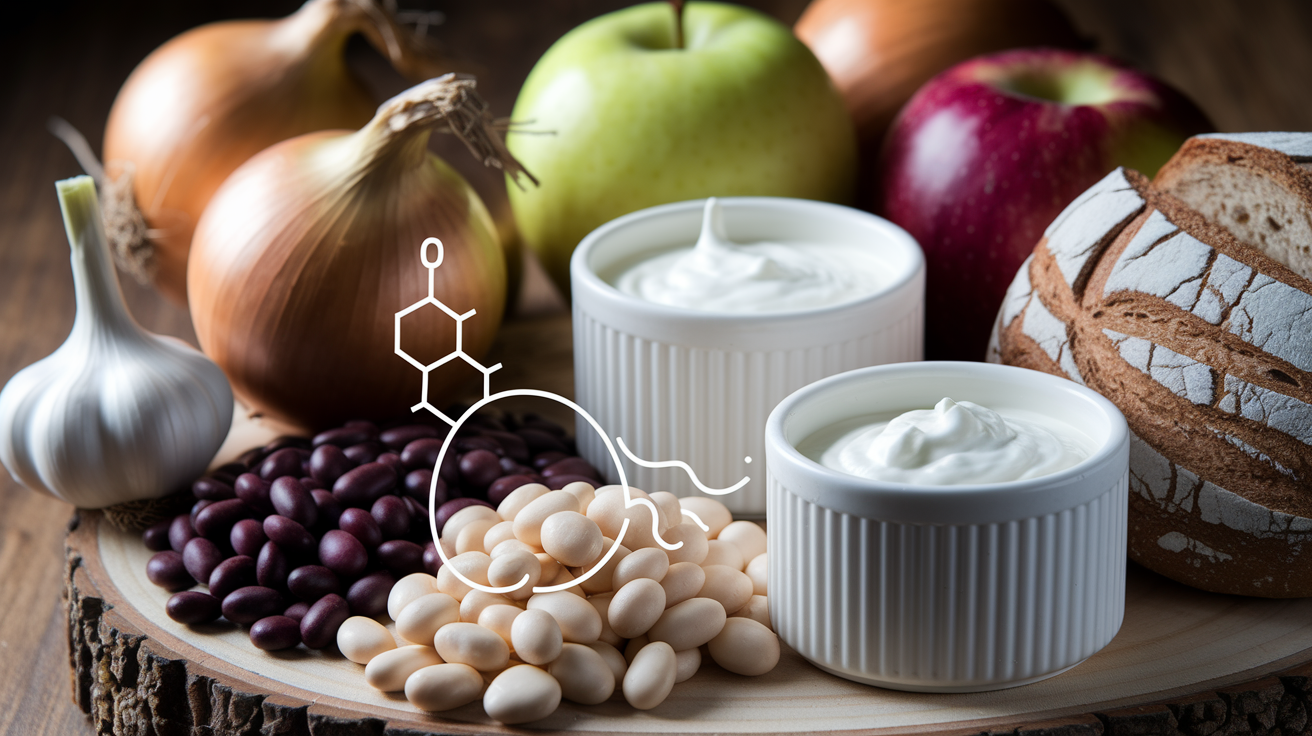
Certain foods are notorious for producing gas during digestion, and they don’t all affect everyone the same way. High‑FODMAP foods (short‑chain carbohydrates that resist breakdown in the small intestine) travel to the colon, where gut bacteria ferment them and release gas. That list includes onions, garlic, beans, lentils, apples, pears, wheat, and dairy products, among others. If your gut bacteria are particularly active or if transit is slow, fermentation ramps up, and bloating follows shortly after eating. Carbonated drinks add a simple mechanical layer: you’re literally swallowing bubbles of carbon dioxide, which either get absorbed or pass through as burps and flatulence.
Lactose intolerance and fructose malabsorption work through similar pathways. When your small intestine lacks the enzyme to break down lactose (milk sugar) or can’t absorb fructose efficiently, those sugars reach the colon undigested, feeding bacteria that produce hydrogen, methane, and other gases. The result? Cramping, distention, and often loose stools within 30 minutes to a few hours of eating. Gluten sensitivity and celiac disease can also cause post‑meal bloating, especially after meals containing bread, pasta, or baked goods, because the immune or inflammatory response disrupts normal digestion and increases gut permeability.
The most common dietary triggers are:
- High‑FODMAP vegetables and fruits (broccoli, cauliflower, Brussels sprouts, apples, watermelon)
- Beans and legumes that contain complex sugars your gut can’t fully digest
- Dairy products when lactose intolerance is present
- Wheat and gluten‑containing grains for people with sensitivity or celiac disease
- Carbonated beverages and sparkling water that introduce extra gas into your system
Gut Disorders That Commonly Cause Bloating After Eating
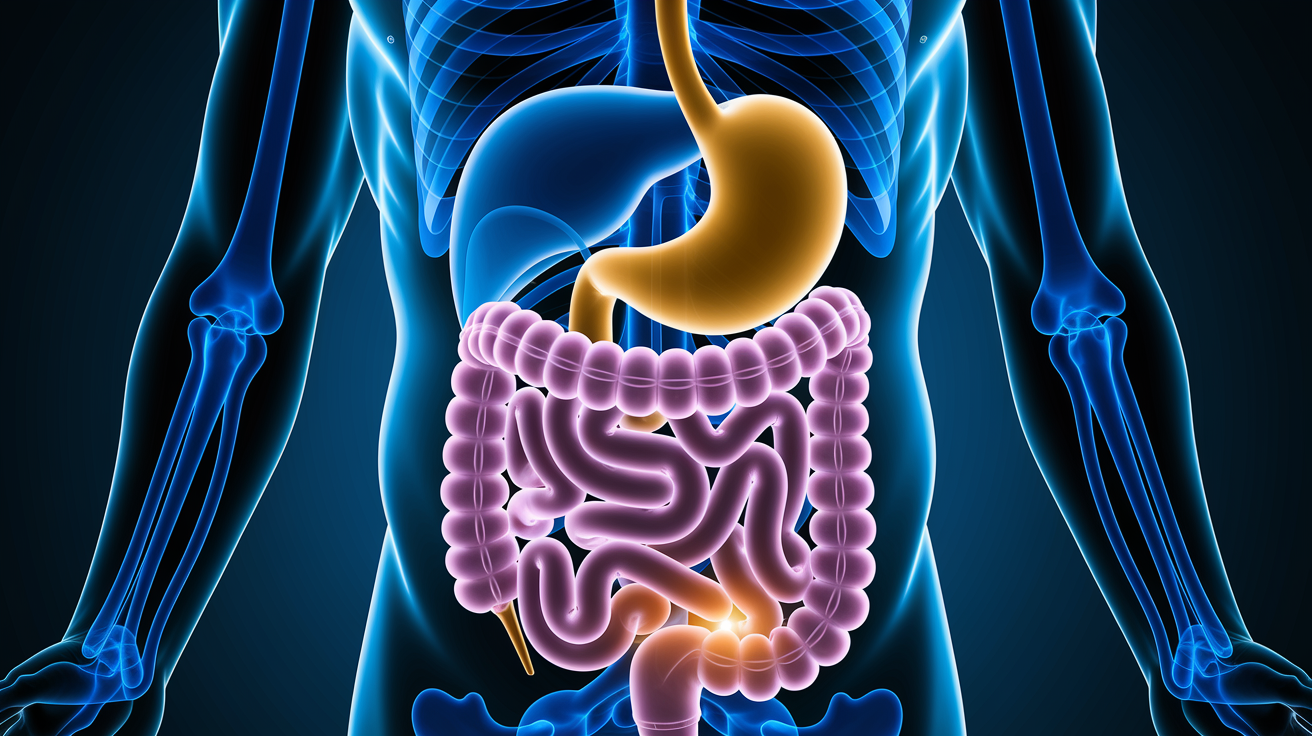
Functional and structural problems in the gut can turn normal meals into uncomfortable episodes. Chronic constipation is one of the simplest examples. When stool sits in the colon longer than it should, bacterial fermentation continues, gas builds up, and the retained stool physically takes up space, increasing abdominal pressure. Bloating often worsens through the day as more food enters a system that hasn’t fully emptied. In many cases, relieving constipation with fiber, fluids, or gentle laxatives also relieves the bloating.
IBS Patterns That Trigger Bloating
Irritable bowel syndrome is a functional disorder where the gut is structurally normal but behaves abnormally. People with IBS often experience bloating that peaks after meals, along with cramping, a sense of incomplete evacuation, and either diarrhea, constipation, or both in alternating cycles. The exact cause isn’t fully understood, but it involves a combination of heightened gut sensitivity (visceral hypersensitivity), altered motility (the gut moves food too fast or too slow), and changes in the gut microbiome that shift fermentation patterns. For many, certain foods (especially high‑FODMAP items) trigger flare‑ups, and stress or hormonal shifts can make symptoms worse. Bloating after eating is one of the most common and bothersome IBS symptoms because it’s visible, uncomfortable, and can linger for hours.
SIBO and Rapid‑Onset Bloating
Small intestinal bacterial overgrowth happens when bacteria that normally live in the colon migrate up into the small intestine, or when motility slows enough that bacteria multiply in the wrong place. These bacteria ferment carbohydrates from your meal before your body has a chance to absorb them, producing gas rapidly and close to the stomach. The result is severe bloating that starts within 30 to 90 minutes of eating, often accompanied by cramping, loud stomach noises, and loose stools. SIBO can also interfere with nutrient absorption, leading to deficiencies in vitamins like B12 and fat‑soluble vitamins over time. Diagnosis usually involves a hydrogen or methane breath test. Treatment typically requires a course of antibiotics combined with dietary changes and, when possible, addressing the underlying motility or structural issue that allowed the overgrowth in the first place.
Eating Habits and Behaviors That Lead to Bloating After Meals
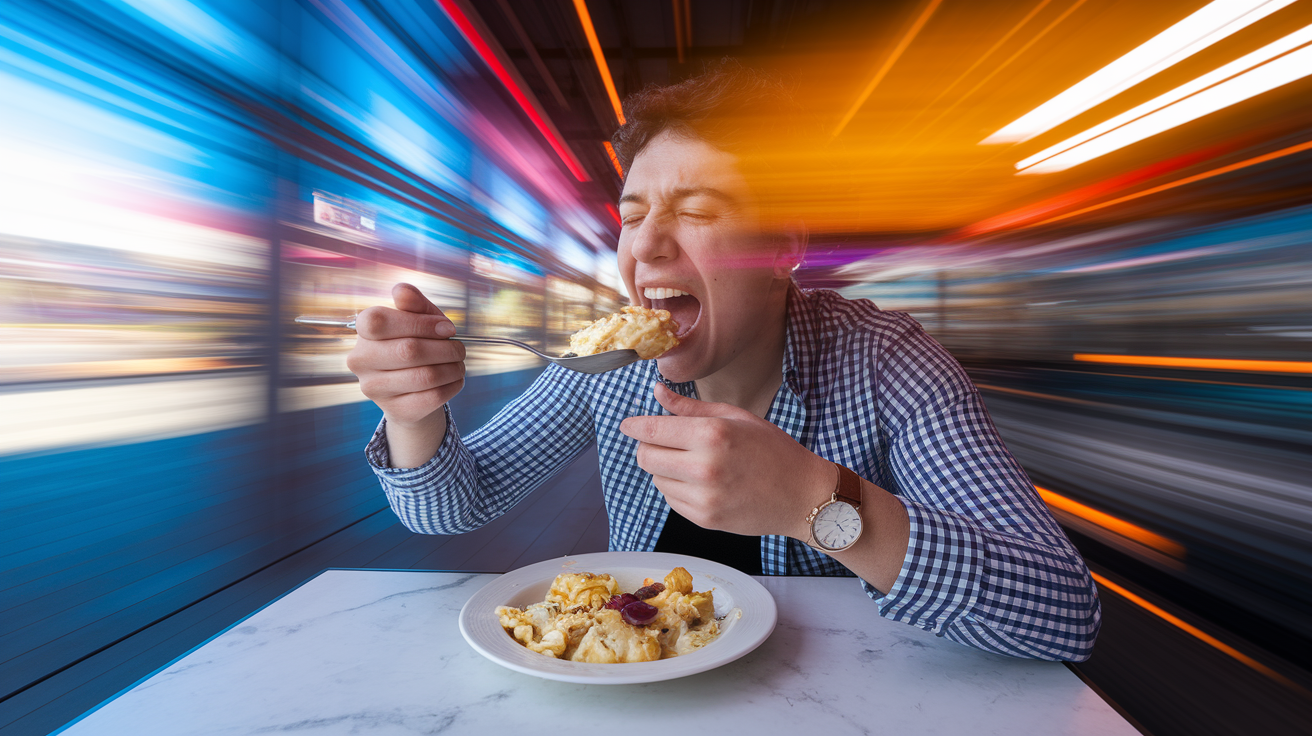
How you eat matters as much as what you eat. Eating too fast is one of the most common behavioral causes of post‑meal bloating. When you rush through a meal, you swallow gulps of air along with your food, and that air has to go somewhere, either up as a burp or down into your intestines, where it adds to the pressure and distention. Talking while chewing, sipping through a straw, and chewing gum all increase the amount of air you take in. Your stomach also needs time to signal your brain that it’s getting full. When you eat quickly, you often overshoot that cue and end up with an uncomfortably stretched stomach before your body catches up.
Portion size plays a direct role. An empty stomach is roughly the size of your fist, and it can stretch to hold more, but large meals (especially those high in fat or protein) slow gastric emptying and sit longer in your stomach, increasing the sensation of fullness and bloating. Fast food and heavily processed meals often combine multiple triggers: high salt (which causes water retention), high fat (which slows digestion), and additives or preservatives that some people’s guts react to poorly.
Simple behavior changes that reduce bloating:
- Slow down and chew each bite thoroughly before swallowing
- Avoid talking while you have food in your mouth
- Put your fork down between bites to pace yourself
- Stop eating when you feel comfortably satisfied, not stuffed
When Bloating After Meals Signals a Medical Issue

Occasional bloating after a big meal or a known trigger food is normal. Daily bloating, bloating that worsens over weeks, or bloating accompanied by other symptoms can indicate a condition that needs medical evaluation. Red flags include persistent abdominal pain or cramping that doesn’t ease after passing gas or having a bowel movement, nausea or loss of appetite, changes in bowel habits (new constipation, diarrhea, or alternating patterns), unexplained weight loss, fatigue that doesn’t improve with rest, and anxiety about eating or avoiding social meals because of symptoms. If you’re afraid to eat out or you find yourself skipping meals to avoid discomfort, that’s a clear signal to talk with a healthcare provider.
Severe or sudden symptoms require urgent evaluation. Vomiting blood or material that looks like coffee grounds, sudden inability to pass stool or gas, severe abdominal swelling or pain that doesn’t ease, chest pain or shortness of breath, or unexplained rapid weight loss all warrant same‑day or emergency assessment. These can indicate bowel obstruction, bleeding, perforation, or even cardiac events that mimic digestive symptoms. In non‑emergency cases, a primary care provider or gastroenterologist will usually start with a detailed history and physical exam, then order tests based on your symptom pattern.
| Test | What It Evaluates |
|---|---|
| Colonoscopy | Examines the colon for inflammation, IBD, polyps, or structural abnormalities |
| Upper Endoscopy (EGD) | Visualizes the esophagus, stomach, and upper small intestine to check for reflux, ulcers, or celiac damage |
| Hydrogen Breath Test | Detects SIBO, lactose intolerance, or fructose malabsorption by measuring gas production after consuming a test sugar |
| Capsule Endoscopy | Uses a swallowed camera pill to view the small intestine when small bowel disease is suspected |
| Stool Testing | Checks for infection, inflammation markers, fat malabsorption, or blood in stool |
Short‑Term Ways to Ease Bloating After Eating
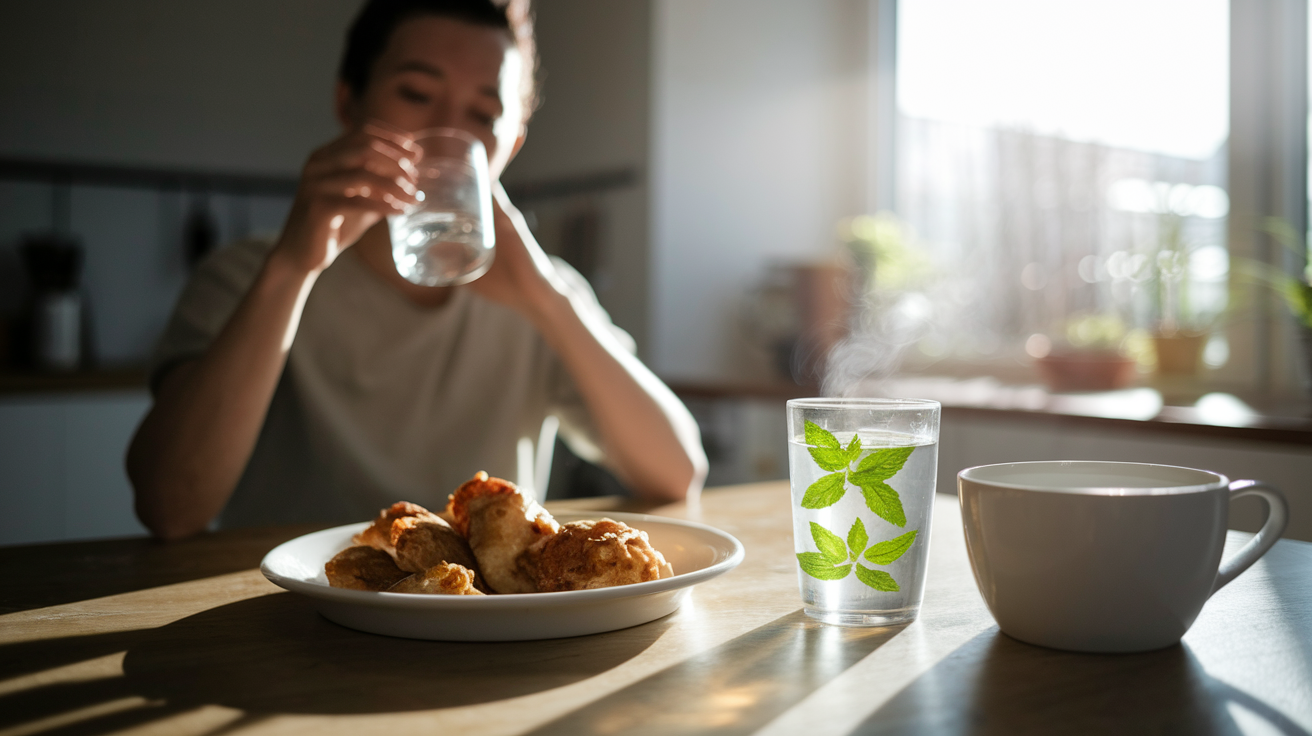
When bloating hits after a meal, a few simple moves can help move gas through your system and ease pressure. Sipping warm water can gently stimulate digestion and help gas bubbles move along. A 10‑ to 15‑minute walk after eating encourages gut motility and can reduce the heavy, tight feeling faster than sitting still. Peppermint tea or peppermint oil capsules have been shown to relax the smooth muscle in the gut, which may help release trapped gas. Ginger tea or fresh ginger works similarly and has a long track record for easing nausea and supporting digestion.
Quick relief techniques to try when bloating starts:
- Drink a glass of warm (not hot) water slowly
- Take a short, easy walk around the block
- Sip peppermint or ginger tea
- Apply a warm compress to your belly for 10 to 15 minutes
- Try gentle yoga poses like child’s pose or a seated spinal twist
- Use over‑the‑counter simethicone (Gas‑X) to break up gas bubbles if needed
Long‑Term Strategies to Reduce Bloating After Meals

Preventing bloating over the long run means identifying your personal triggers and building habits that support steady digestion. A structured elimination diet (like the low‑FODMAP protocol) can help you pinpoint which foods are causing symptoms. The process involves removing high‑FODMAP foods for two to six weeks, then reintroducing them one at a time while tracking symptoms. This isn’t meant to be a permanent diet. The goal is to figure out your specific triggers so you can manage them without unnecessarily restricting your eating.
Hydration and regular movement both support gut motility. Drinking enough water throughout the day helps fiber do its job and keeps stool soft and easier to pass, which reduces the constipation–bloating cycle. Light daily movement (walking, stretching, or gentle yoga) keeps your gut moving and reduces the time food sits fermenting in your intestines. Chronic stress affects gut motility and increases sensitivity, so stress management practices like deep breathing, regular sleep, or short mindfulness breaks can have a real impact on digestive symptoms over time.
Probiotics and prebiotics are worth experimenting with, especially if you’ve had antibiotics recently or suspect your gut microbiome is out of balance. Some strains of probiotics have been shown to reduce bloating and gas in people with IBS, though results vary from person to person. Prebiotics (fiber that feeds beneficial bacteria) can help in the long run, but they can also increase gas temporarily, so start with small amounts and build slowly.
How to Begin a Structured Elimination Diet
Start by keeping a simple food and symptom diary for one to two weeks before making any changes. Write down what you ate, when you ate it, and any bloating, pain, or bowel changes that followed. Look for patterns. Does bloating spike after dairy? After onions or garlic? After large meals? Once you’ve identified likely suspects, remove those foods completely for two to four weeks. Then reintroduce one food at a time, in a normal portion, and track symptoms for two to three days before adding the next one back. This slow, methodical approach helps you isolate true triggers from random flare‑ups and gives you a clear, personalized list of foods to limit or avoid. If the process feels overwhelming or symptoms are severe, work with a registered dietitian who specializes in digestive health to guide the elimination and reintroduction phases.
Tracking Patterns to Understand Your Bloating Triggers
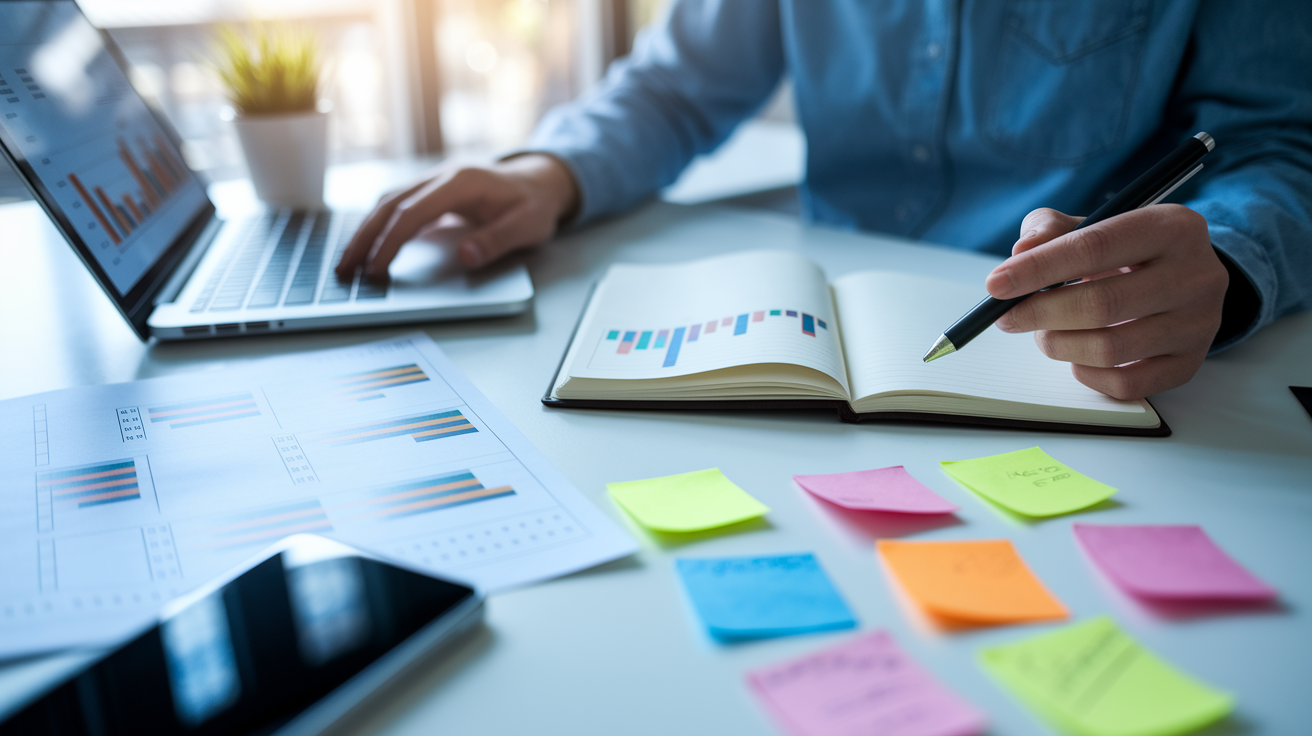
Daily tracking turns vague discomfort into actionable data. When you write down what you ate, how you felt an hour later, and what your bowel movements looked like, patterns start to emerge that you wouldn’t notice otherwise. You might see that bloating always follows meals with wheat, or that it’s worse on days you skip breakfast and eat a huge lunch, or that it flares the week before your period. That kind of insight helps you test specific changes (like swapping regular milk for lactose‑free, or spreading meals into smaller portions) and see whether symptoms actually improve.
You don’t need a fancy app or a complicated system. A simple notebook or notes app on your phone works fine. The key is consistency. Track every day for at least two weeks, ideally four, so you capture enough meals and symptom cycles to spot real trends. If you prefer structure, free apps designed for food and symptom logging can automatically highlight correlations and make it easier to share reports with your doctor or dietitian.
What to track each day:
- What you ate and drank (including portion sizes and timing)
- Symptoms (bloating severity, cramping, gas, bowel changes, nausea)
- Context (stress level, sleep quality, exercise, menstrual cycle day if applicable)
Final Words
You learned the likely culprits: overeating, eating fast, carbonated drinks, gas-making foods, swallowed air, and some gut conditions that make gas worse.
We also covered quick fixes like walking, warm water, and ginger, longer-term steps such as low-FODMAP testing, fiber and stress management, and when to talk with a clinician if symptoms are severe or new.
If you want to test what causes bloating after meals, try one small change for a week and track it. Small experiments often show the clearest patterns, and they add up.
FAQ
Q: Why am I getting extremely bloated after every meal?
A: Getting extremely bloated after every meal typically happens due to eating too quickly, swallowing excess air, consuming gas-producing foods like beans or carbonated drinks, or underlying issues such as IBS, SIBO, or food intolerances like lactose or gluten sensitivity.
Q: What foods cause the most bloating after eating?
A: Foods that cause the most bloating after eating include high-FODMAP items like onions, garlic, beans, and certain fruits, along with carbonated beverages, dairy products if you’re lactose intolerant, wheat-based foods for those with gluten sensitivity, and foods high in fructose.
Q: Can eating too fast cause bloating after meals?
A: Eating too fast can cause bloating after meals because it increases the amount of air you swallow and doesn’t give your stomach time to signal fullness, often leading to overeating, slower digestion, and gas buildup in your digestive tract.
Q: How do I know if my post-meal bloating is serious?
A: Post-meal bloating is serious if you also experience severe abdominal pain, inability to pass stool or gas, vomiting blood, unexplained weight loss, or symptoms that worsen daily despite diet changes. These signs warrant a visit to a gastroenterologist for proper evaluation.
Q: What is SIBO and how does it cause bloating after eating?
A: SIBO (small intestinal bacterial overgrowth) causes bloating after eating when excess bacteria in your small intestine ferment food too early in digestion, producing gas rapidly. This often leads to severe distention within 30 to 60 minutes of finishing a meal.
Q: Does drinking water help reduce bloating after meals?
A: Drinking water helps reduce bloating after meals by supporting regular bowel movements and preventing constipation, which can trap gas. Warm water or herbal tea may also ease digestion, but avoid large amounts during meals as it can slow gastric emptying.
Q: What is a low-FODMAP diet and will it help my bloating?
A: A low-FODMAP diet helps bloating by temporarily removing foods that ferment easily in the gut, then systematically reintroducing them to identify your personal triggers. Many people with IBS or unexplained bloating see improvement within two to four weeks.
Q: Should I track my meals if I bloat after eating?
A: Tracking your meals helps you bloat less by revealing patterns between specific foods, portion sizes, eating speed, and symptoms. Note what you ate, when symptoms started, their severity, and any other signals like stress or sleep quality for clearer connections.
Q: Can stress cause bloating after every meal?
A: Stress can cause bloating after every meal by slowing gut motility, increasing sensitivity to normal gas, and altering gut bacteria balance. Chronic stress often worsens digestive symptoms, making the same meal cause more discomfort on high-stress days than calm ones.
Q: What quick remedies ease bloating right after eating?
A: Quick remedies that ease bloating right after eating include a 10 to 15 minute walk to encourage gas movement, sipping warm ginger or peppermint tea, gentle abdominal massage in a clockwise direction, or taking simethicone to break up gas bubbles.