

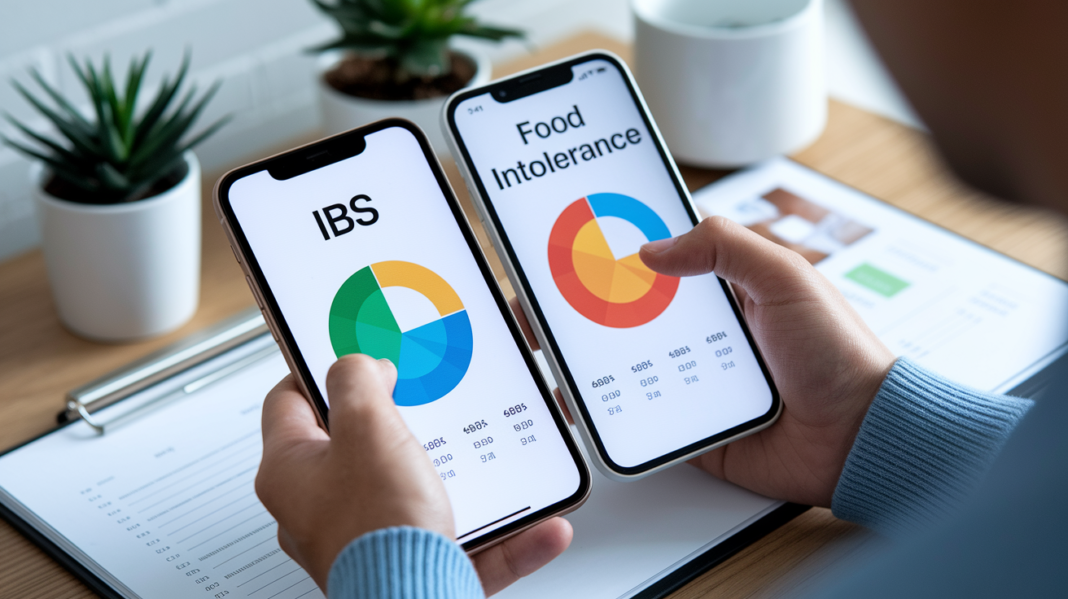

Think it’s always the food?
Sometimes it is. Other times the problem is how your gut and brain talk.
IBS and food intolerance both cause bloating, gas, and diarrhea, but they work differently: IBS is a functional disorder that changes pain and bowel habits over time, while a food intolerance means you can’t digest a specific compound.
This post breaks down the key differences, what to notice, how tests work, and simple next steps you can try to see which one fits you.
Core Distinctions Between IBS and Food Intolerance
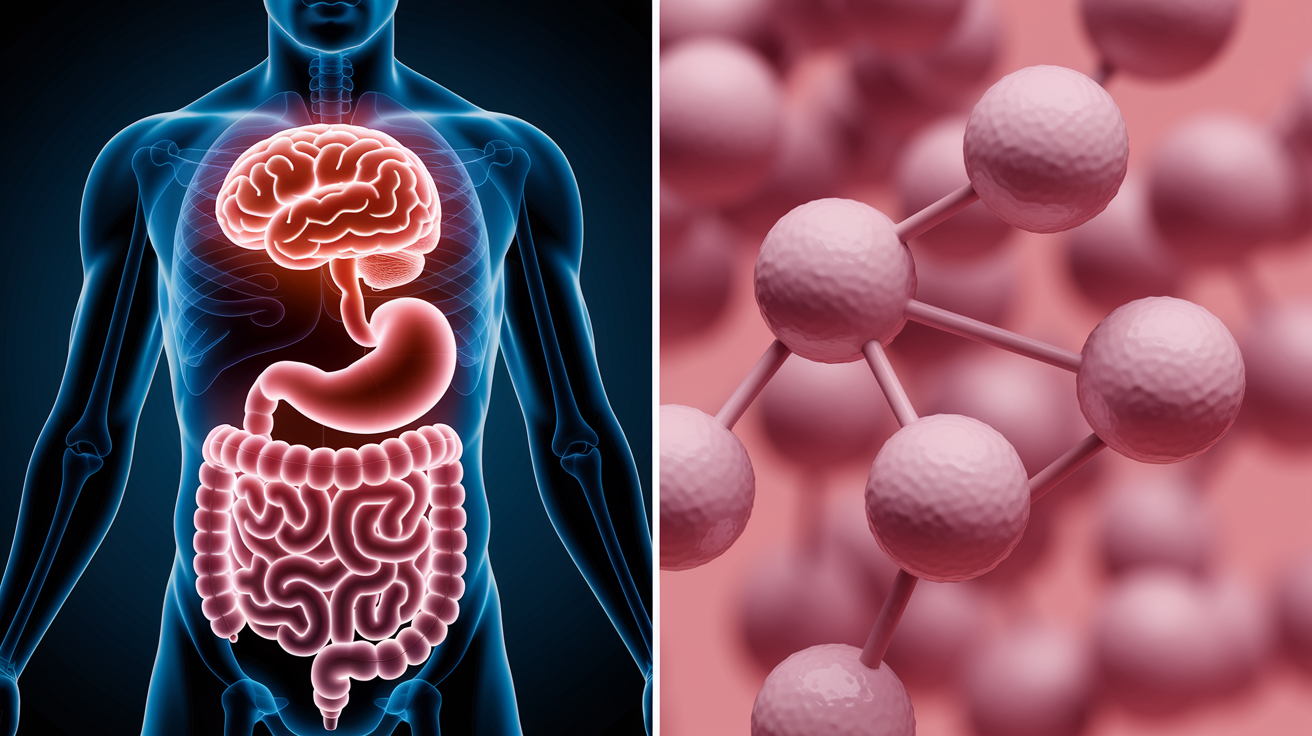
People often blame gut symptoms on “something I ate.” Sometimes that’s exactly right. Other times, the cause runs deeper and gets more complex.
IBS (irritable bowel syndrome) and food intolerance both trigger uncomfortable digestive symptoms, but they’re not the same thing. IBS is a functional disorder where your gut and brain communicate poorly, leading to recurring pain and changes in how your bowels work. Food intolerance happens when your digestive system can’t break down or absorb specific foods because you’re missing certain enzymes or struggling with particular compounds.
It’s easy to see why they get mixed up. Both can cause bloating, gas, and diarrhea. But the patterns, timing, causes, and fixes? Different.
| Condition | What It Is | Key Symptoms | Typical Onset Trigger | Long‑Term Pattern |
|---|---|---|---|---|
| IBS | Functional disorder of gut–brain interaction | Chronic abdominal pain, constipation or diarrhea (or both), bloating related to bowel movement changes | Stress, hormonal shifts, gut motility changes, certain foods | Chronic and fluctuating over months or years |
| Food Intolerance | Enzyme deficiency or poor absorption of specific food compounds | Bloating, gas, diarrhea, discomfort shortly after eating trigger food | Consuming the problem food (lactose, FODMAPs, additives, etc.) | Symptoms tied to intake of specific food; can be stable or intermittent depending on exposure |
Figuring out which one you’re dealing with matters. If you have IBS, cutting one food won’t solve everything because the root problem is how your gut functions overall. If you have a food intolerance, pinpointing and avoiding that trigger can clear symptoms fast. The right label unlocks the right strategy, whether that’s gut directed therapy and stress management for IBS or simply swapping out dairy for a lactose free option.
Underlying Causes of IBS and Food Intolerance
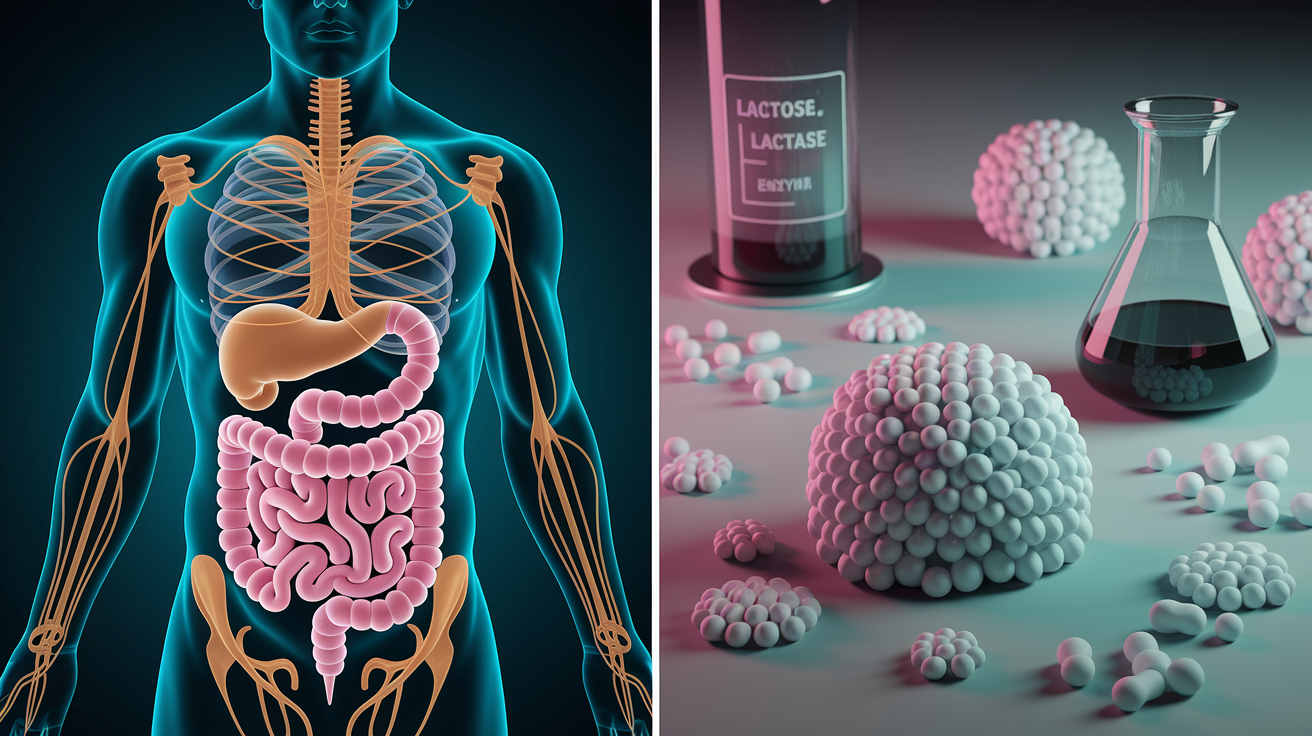
IBS is a disorder of the gut–brain axis. Your gut and brain constantly talk to each other, coordinating digestion, movement, and sensation. In IBS, that conversation gets distorted. The result? Altered motility (your intestines may move food too fast or too slowly), visceral hypersensitivity (normal sensations in your gut feel painful), and sometimes low grade inflammation or shifts in your gut microbiome. Stress, past infections, even genetics can all throw off this system. The triggers are real, but the underlying issue is the way your gut is functioning, not just what you’re eating.
Food intolerance is more of a mechanical problem. You’re missing or low on an enzyme needed to digest a particular compound, or your body simply can’t absorb a certain sugar or chemical. Lactose intolerance is the classic example. You don’t have enough lactase enzyme to break down milk sugar, so undigested lactose ferments in your colon and causes gas, bloating, and diarrhea. Fructose malabsorption, FODMAP sensitivity, and reactions to food additives work in similar ways. The cause is specific to the food. The fix is straightforward: avoid the trigger or replace the missing enzyme.
Understanding the difference between a functional disorder and a digestive capacity problem shapes your next move. IBS often needs broader lifestyle adjustments, gut directed therapies, and sometimes medications to calm an overactive or hypersensitive system. Food intolerance typically responds to targeted dietary changes. No enzyme replacement or stress management needed, just clearer choices about what to eat.
Symptom Patterns and How They Differ

IBS symptoms are chronic and recurrent. You might feel fine for weeks, then hit a stretch of daily abdominal pain that’s tied to bowel movements or stool changes. The pain usually eases after you go, and you may notice that stress, hormones, or certain foods make it worse. Bowel habits shift. You might swing between constipation and diarrhea, or lean heavily toward one. The key pattern is that IBS sticks around and varies over time without a single identifiable meal as the clear culprit every time.
Food intolerance symptoms tend to show up within minutes to a few hours after you eat the problem food. You get bloating, gas, maybe cramping, and often diarrhea, but the pain isn’t always central. The discomfort is dose dependent. Eat a little lactose and you feel mild gas. Eat a big bowl of ice cream and you’re doubled over. Symptoms often settle once the offending food clears your system, and if you avoid the trigger entirely, you feel fine.
Here’s how the patterns split:
IBS pain is usually chronic, tied to bowel movement changes, and relieved by going to the bathroom. Food intolerance symptoms are meal linked and resolve when the trigger is removed. IBS often involves constipation or mixed bowel habits. Food intolerance leans toward diarrhea and gas. Food intolerance symptoms are predictable and proportional to intake. IBS symptoms can flare unpredictably even with identical meals.
Diagnostic Approaches and Testing Methods

Diagnosing IBS and food intolerance requires different strategies because one is a functional disorder and the other is a digestive capacity issue. IBS can’t be confirmed with a single blood test or scan. Instead, clinicians use symptom based criteria and rule out other conditions that might look similar.
Common Diagnostic Tools
For IBS, doctors rely on the Rome IV criteria: recurrent abdominal pain at least once a week over the past three months (with symptom onset at least six months earlier), plus at least two of the following. Pain related to bowel movements, a change in stool frequency, or a change in stool form. Basic tests like stool calprotectin (to exclude inflammatory bowel disease) and celiac serology are often ordered to rule out other causes. If those come back normal and your symptoms fit the Rome pattern, you likely have IBS.
Food intolerance testing is more direct but often requires elimination and rechallenge. Hydrogen breath tests can detect lactose or fructose malabsorption. You drink a test dose, then blow into a device every 15 to 30 minutes to measure fermentation gases. Elimination diets remove suspected triggers for two to six weeks, then reintroduce them one at a time while you track symptoms in a diary. There’s no reliable blood or skin test for most food intolerances (except celiac disease, which is an autoimmune condition, not a simple intolerance).
The goal of diagnosis is to rule out serious conditions like inflammatory bowel disease, celiac disease, colon cancer, and confirm whether your symptoms match a functional pattern (IBS) or a food specific reaction. Red flags like unexplained weight loss, rectal bleeding, persistent fever, or new symptoms after age 50 require urgent workup, often including endoscopy.
Self diagnosis can be tempting, but it’s risky. Cutting entire food groups without proper testing can leave you nutrient deficient and still symptomatic. A structured approach with a clinician or dietitian ensures you get the right diagnosis and the right fix.
Trigger Types and How They Influence Symptoms
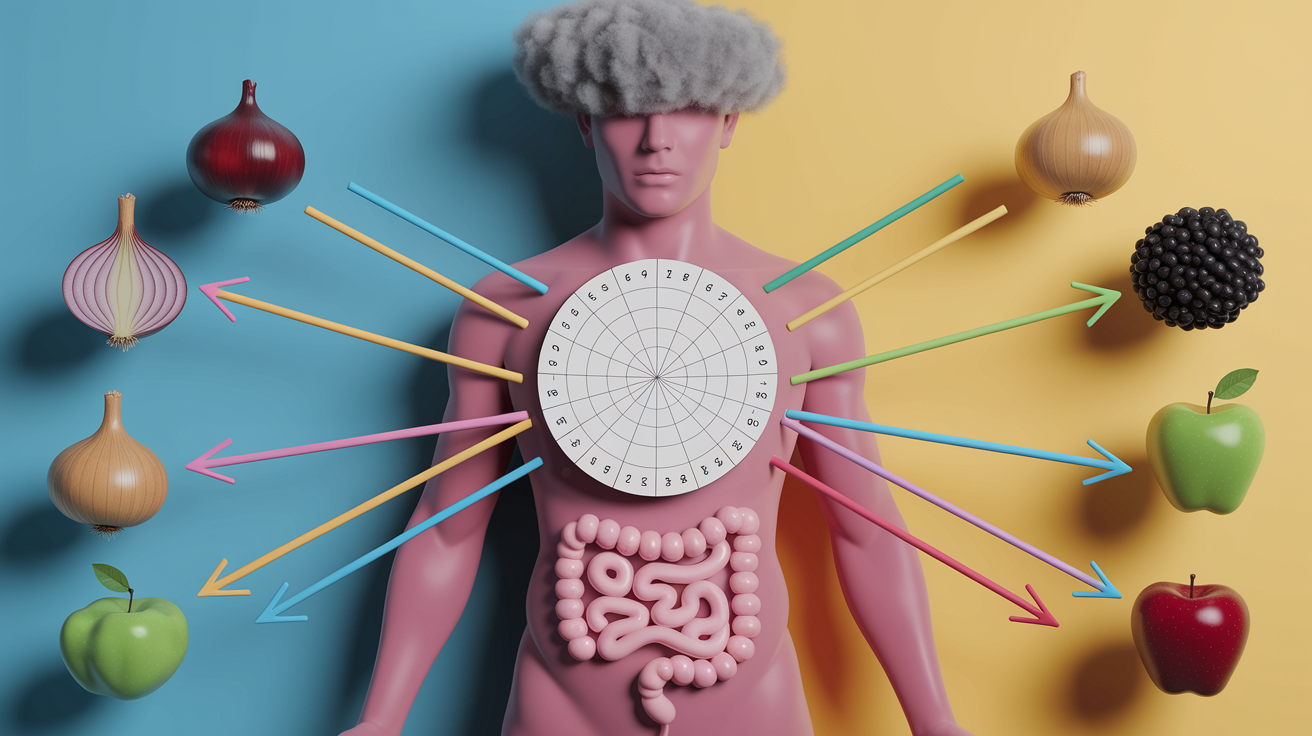
IBS triggers are broad and variable. Stress is a common one. A tough week at work or a life change can set off days of pain and altered bowel habits. Hormonal shifts during menstrual cycles can worsen symptoms for many people. Certain foods can aggravate IBS, but not because you can’t digest them. Instead, they may speed up or slow down motility, increase gas production, or irritate a hypersensitive gut. High FODMAP foods (fermentable short chain carbs like onions, garlic, beans, apples) are frequent IBS triggers because they draw water into the intestines and produce gas when gut bacteria ferment them. The response isn’t about enzyme deficiency. It’s about how your gut reacts to normal digestion byproducts.
Food intolerance triggers are specific compounds you can’t break down or absorb properly. Lactose intolerance means missing lactase enzyme, so any lactose containing dairy causes symptoms. Fructose malabsorption happens when your small intestine can’t absorb fructose efficiently, leading to fermentation and discomfort. Non celiac gluten sensitivity and reactions to food additives like sulfites or MSG follow similar patterns. Your body struggles with the substance itself, not with the broader digestive process. The trigger is predictable, the dose matters, and symptoms are tied directly to intake of that food.
Treatment and Management Differences
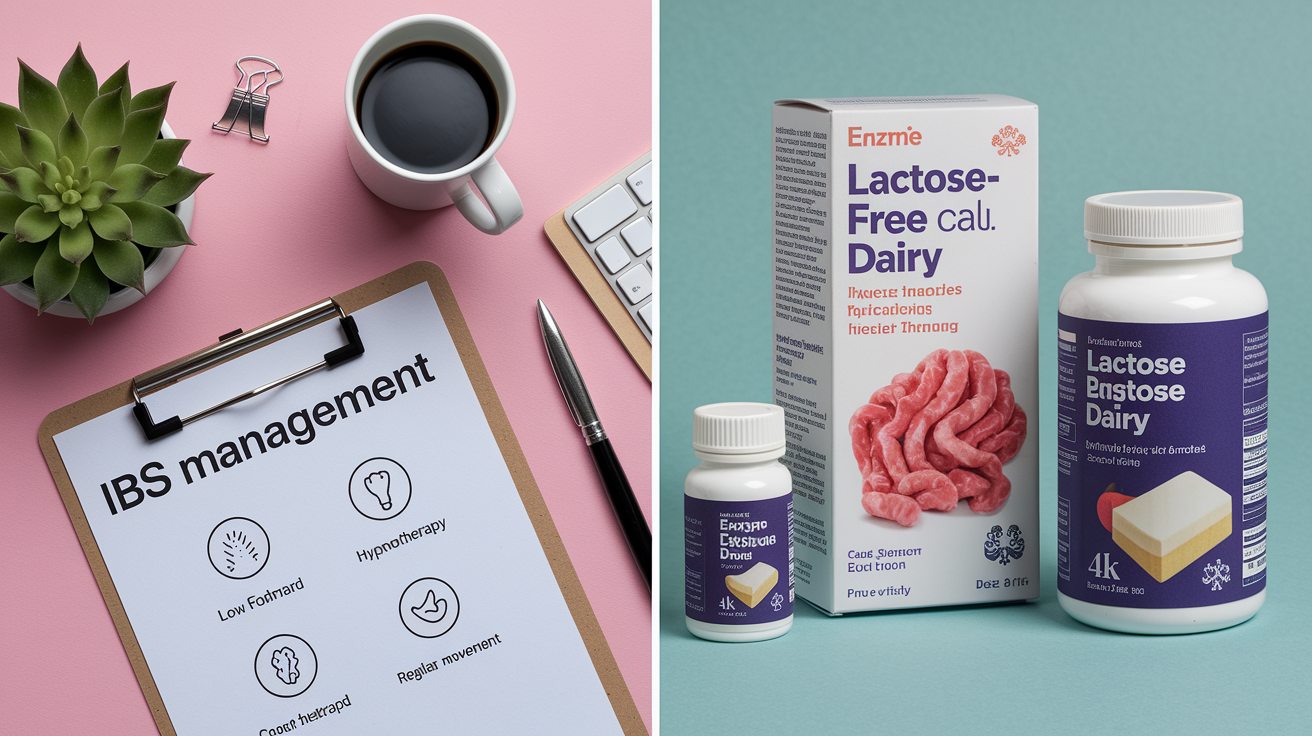
IBS management is multifaceted because the disorder is complex. Dietary strategies like the low FODMAP diet help about 50 to 75 percent of people by reducing fermentable carbs that trigger gas and discomfort. Stress reduction techniques (gut directed hypnotherapy, cognitive behavioral therapy, regular movement) can calm the gut–brain axis and reduce symptom flares. Medications target specific symptom patterns: loperamide for diarrhea, osmotic laxatives for constipation, low dose tricyclic antidepressants for pain, and sometimes antibiotics like rifaximin for bacterial overgrowth. The goal is long term symptom control, not a one time fix.
Food intolerance management is simpler and more targeted. Once you’ve identified the trigger, you avoid it or reduce your intake. Lactase enzyme tablets let you enjoy dairy if you’re lactose intolerant. Cutting high fructose foods or limiting FODMAPs (after a structured elimination and reintroduction) resolves symptoms for most people with those intolerances. There’s no need for ongoing medication or therapy, just clearer food choices and, when needed, enzyme support.
You should consult a healthcare professional if you’ve tried eliminating foods for several weeks without improvement, if symptoms are severe or getting worse, or if you notice red flags like unexplained weight loss, blood in your stool, persistent pain, or new symptoms after age 50. A gastroenterologist can confirm whether you have IBS, order the right tests for intolerance, and guide a treatment plan that actually matches your condition. Self managing is fine for mild, clear cut cases, but persistent or confusing symptoms deserve proper evaluation.
Final Words
You’re comparing symptoms, triggers, and tests to figure out what’s behind your gut trouble. This piece walked you through what IBS is, what food intolerance is, how causes and symptom patterns differ, and what tests and treatments each usually needs.
Try small, practical tests: track timing, note bowel changes, try a brief elimination, and share your notes with a clinician. That will help clarify the difference between ibs and food intolerance and give you simple steps to feel better day to day.
FAQ
Q: How do I know if I have IBS or food intolerance, and what is commonly misdiagnosed as IBS?
A: To tell IBS from food intolerance, look for chronic abdominal pain tied to bowel-pattern change for IBS versus dose-dependent reactions soon after eating for intolerance; celiac disease, IBD, and bile salt issues are often misread as IBS.
Q: What are the 5 most common food intolerances?
A: The five most common food intolerances are lactose, fructose (fructose malabsorption), non-celiac gluten sensitivity, FODMAPs (certain fermentable carbs), and reactions to additives like sulfites.
Q: What is the biggest trigger for IBS?
A: The biggest trigger for IBS is often stress and gut-brain interaction, though certain foods, hormonal changes, and altered gut motility also commonly provoke symptoms, so track personal patterns to find your main trigger.