



Ever felt suddenly wired and wiped out after a meal?
That sudden crash could be a blood sugar energy crash, and it’s not the same as ordinary tiredness.
Think of it like your fuel tank dropping fast.
Your body flashes warning signs you can learn to read.
This post points out the most important signs, like shakiness, sweating, a pounding heart, and sudden confusion, and it gives small, testable steps you can try right away to stop a crash.
Key Physical and Mental Signs of Blood Sugar Energy Crashes

When blood glucose drops quickly, your body sends two types of warning signals. Autonomic symptoms show up first because falling glucose triggers adrenaline release. Your nervous system reacts like you’re under threat, producing shakiness, sweating, a pounding heartbeat, and anxiety. Neuroglycopenic symptoms follow when your brain starts running low on glucose, causing confusion, irritability, blurred vision, weakness, and difficulty concentrating. These signs often surface within minutes to an hour and build fast.
What makes signs of blood sugar energy crashes different from ordinary tiredness is the abruptness and the mix of physical red flags. Hypoglycemia feels sudden. It includes sweating, trembling, or a rapid pulse alongside the fatigue. Normal tiredness creeps up slowly, doesn’t cause shakiness or chills, and won’t improve within minutes of eating a snack. Brain fog from fatigue is steady and fuzzy. Confusion from low glucose feels sharper and more disorienting.
Watch for any combination of these signs:
- Shakiness or tremors in your hands
- Sweating, chills, or clammy skin
- Dizziness or lightheadedness
- Headaches, often sharp or throbbing
- Blurred or double vision
- Irritability or sudden mood shifts
- Confusion or difficulty thinking clearly
- Anxiety or a feeling of dread
- Weakness in your legs or arms
- Rapid or pounding heartbeat
- Hunger pangs or nausea
- Unusual drowsiness or sleepiness
Why Blood Sugar Energy Crashes Happen: The Glucose and Insulin Mechanism

Blood sugar energy crashes follow a predictable chain reaction. When you eat a large serving of high glycemic index carbs or simple sugars, glucose floods your bloodstream fast. Your pancreas responds by releasing a surge of insulin to move that glucose into cells. If the insulin response is large and fast, it can drive glucose levels down below baseline, sometimes within two to four hours of the meal.
This drop triggers your body’s emergency systems. Your adrenal glands release counterregulatory hormones like adrenaline and cortisol to push glucose back up. That hormone release causes the sweating, shaking, and rapid heartbeat you feel during a crash. The dip itself robs your brain of fuel, producing irritability, confusion, and brain fog.
Here’s the step by step sequence:
- You eat a meal high in refined carbs or sugary foods. Large portions of pasta, juice, desserts, or candy.
- Blood glucose spikes quickly because simple sugars and high GI foods are absorbed fast.
- Your pancreas detects the spike and releases a large burst of insulin.
- Insulin moves glucose out of your blood and into cells, sometimes too efficiently.
- Blood glucose drops below your normal baseline, triggering symptoms and a rush of stress hormones.
Distinguishing Low Blood Sugar Crashes From Normal Tiredness

Hypoglycemia and normal tiredness can both make you feel wiped out, but the patterns are different. A blood sugar energy crash hits suddenly, often within an hour or two of eating, and brings a cluster of physical symptoms. Sweating, shaking, a fast heartbeat, or dizziness. If you eat something with quick carbs and feel better within fifteen to twenty minutes, that’s a clear signal the dip was glucose related. Normal tiredness doesn’t include adrenergic symptoms like trembling or chills, and it doesn’t lift quickly after a snack.
Fatigue from poor sleep, stress, or chronic conditions builds slowly over hours or days. It feels steady and doesn’t come with the sharp confusion or irritability that low glucose produces. If your energy drop follows a predictable meal pattern, includes shakiness or sweating, and responds fast to carbs, you’re looking at a crash. If it’s gradual, consistent all day, and unrelated to food timing, the cause is likely something else.
Timing Patterns: When Blood Sugar Energy Crashes Typically Occur
Blood sugar energy crashes follow timing windows tied to meals, fasting, and activity. Reactive hypoglycemia usually appears one to four hours after eating, most commonly two to four hours post meal. That’s when insulin levels peak and glucose dips below baseline. You might notice an afternoon slump a few hours after lunch or feel shaky mid morning if breakfast was carb heavy and low in protein.
Fasting hypoglycemia strikes after longer gaps without food, typically overnight or after more than eight hours without eating. Some people wake up sweaty or shaky in the early morning if their glucose dipped during sleep. Exercise induced crashes happen during or after prolonged activity when your muscles burn through stored glucose and you haven’t refueled.
Common crash scenarios include:
- One to four hours after a high carb or sugary meal
- After skipping a meal or going more than six to eight hours without food
- During or after extended physical activity without extra carbs
Immediate Remedies for Blood Sugar Energy Crashes

The moment you notice signs of a crash, use the “15 15” rule. Eat or drink 15 grams of fast acting carbohydrates, wait 15 minutes, then recheck your blood glucose or reassess your symptoms. If you’re still below 70 mg/dL or symptoms linger, take another 15 grams and repeat the cycle. Most people feel better within 15 to 20 minutes once glucose starts rising.
Choose simple, quick digesting carbs for the fastest fix. Four ounces of fruit juice or regular soda delivers about 15 grams. One tablespoon of sugar, honey, or corn syrup works. Three to four glucose tablets (most brands are 4 grams each) hit the target. Six to seven hard candies or two tablespoons of raisins also give you roughly 15 grams. Avoid high fiber foods like whole grain bread or high fat items like chocolate because fiber and fat slow absorption when you need glucose fast.
Once your symptoms ease and glucose climbs above 70 mg/dL, eat a small balanced meal or snack within 30 to 60 minutes. Pair a source of complex carbs with protein and a little fat to keep glucose stable and prevent another dip. A slice of whole grain toast with peanut butter, a handful of nuts with an apple, or yogurt with berries all work well.
Follow these steps:
- Stop what you’re doing and sit down if you feel dizzy or weak.
- Consume 15 grams of fast acting carbs immediately.
- Set a timer for 15 minutes.
- Recheck blood glucose or reassess symptoms.
- Repeat with another 15 grams if still low or symptomatic.
- Eat a balanced snack or meal once recovered to stabilize levels.
Causes and Risk Factors Behind Blood Sugar Energy Crashes
Blood sugar energy crashes stem from a mix of dietary choices, medications, activity patterns, and metabolic changes. Missing meals or eating too little leaves your glucose supply low. Eating large portions of high glycemic index foods or simple sugars triggers an oversized insulin response that pushes glucose down too far. Alcohol, especially on an empty stomach, interferes with your liver’s ability to release stored glucose and can cause fasting hypoglycemia hours later.
For people with diabetes, insulin and sulfonylurea medications raise crash risk because they directly lower blood glucose. Dosing errors, mistimed injections, or taking medication without food can trigger hypoglycemia. Exercise burns glucose quickly, so prolonged activity without extra carbs often leads to a dip. Increased insulin sensitivity from weight loss or improved fitness, and decreased insulin clearance from kidney disease, also make crashes more likely.
Rare but serious causes include insulinoma (a tumor that secretes excess insulin), adrenal insufficiency, or pituitary disorders. These conditions produce recurrent, unexplained hypoglycemia that requires medical workup.
| Cause | Impact on Glucose |
|---|---|
| Insulin or sulfonylurea medications | Directly lower blood glucose; dosing errors or missed meals amplify the drop |
| Alcohol without food | Blocks liver glucose release, leading to fasting hypoglycemia hours later |
| Large high carb or sugary meals | Trigger exaggerated insulin surge, pushing glucose below baseline |
| Missed or delayed meals | Depletes glucose supply without replenishment |
| Prolonged exercise | Burns muscle and liver glucose stores; crash occurs if carbs aren’t added |
Prevention Strategies to Reduce Blood Sugar Energy Crashes
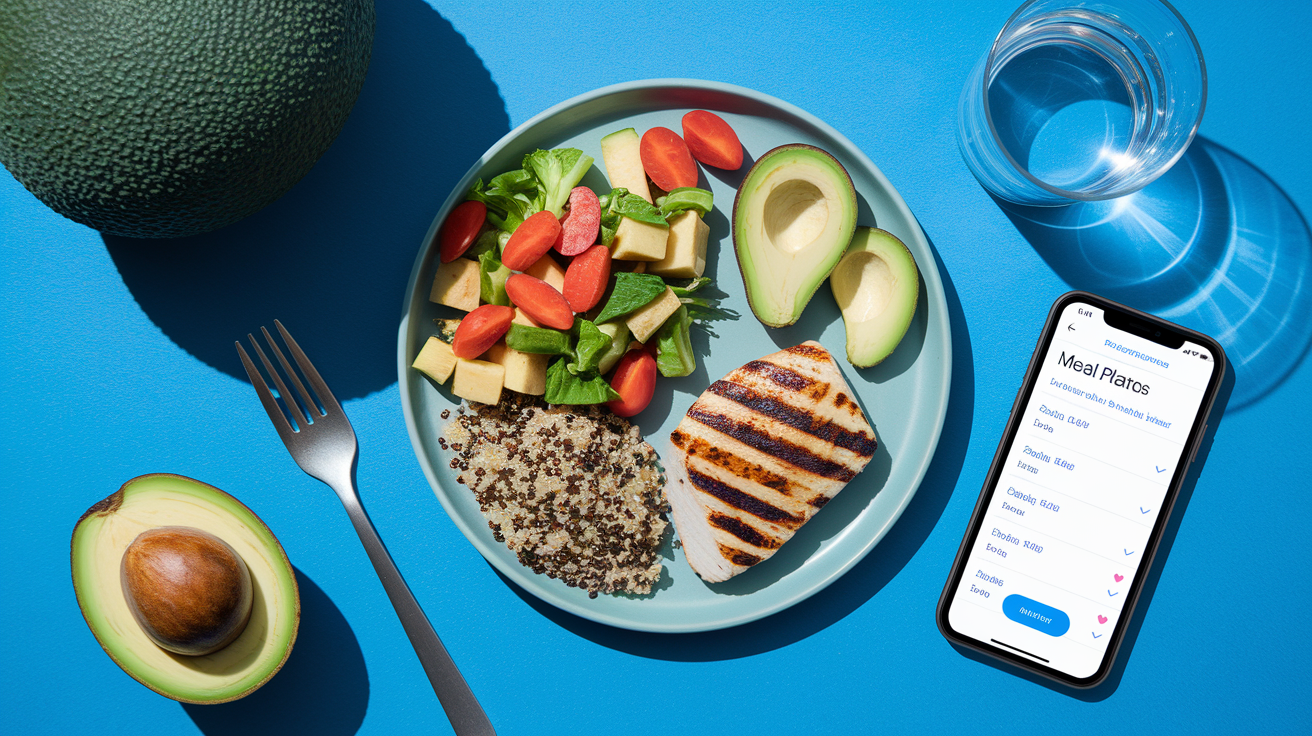
Preventing blood sugar energy crashes starts with consistent meal timing and balanced plates. Eat every three to four hours to keep glucose steady. Each meal and snack should include protein, fiber, and healthy fats alongside carbohydrates. Protein and fat slow digestion and blunt the insulin spike that follows a carb heavy meal. Fiber does the same, helping glucose rise gradually instead of shooting up fast.
Pair sweets with nutrient dense foods whenever you eat them. If you want dessert, have it after a balanced meal that includes protein and vegetables. That combination slows sugar absorption and reduces the chance of a reactive dip. Avoid eating large portions of high glycemic index foods alone. Think juice, white bread, pastries, or candy on an empty stomach.
Plan your meals at least one day ahead so you’re never caught without options. Before prolonged physical activity, eat a snack with 15 to 30 grams of carbs. During extended exercise, consider another 15 to 30 grams per hour. If you tend to wake up with low glucose or nighttime symptoms, try a bedtime snack with 15 to 30 grams of complex carbs and 10 to 20 grams of protein. A small bowl of oatmeal with nuts or whole grain crackers with cheese both work.
Use these tactics to keep crashes at bay:
- Eat breakfast, lunch, and dinner plus two to three snacks daily
- Include 10 to 20 grams of protein with every meal
- Choose lower glycemic index carbs like whole grains, legumes, and non starchy vegetables
- Combine sweets with protein, fiber, or fat to slow absorption
- Drink alcohol only with food, not on an empty stomach
- Add 15 to 30 grams of carbs before and during prolonged exercise
- Test a bedtime snack if you experience morning lows
- Keep emergency fast acting carbs on hand (glucose tablets, juice boxes, or hard candies)
When Blood Sugar Energy Crashes Require Medical Attention

Severe hypoglycemia is a medical emergency. If someone loses consciousness, has a seizure, or can’t swallow safely, they need external help immediately. Administer injectable or nasal glucagon if available (1 milligram for adults and children weighing 25 kilograms or more, 0.5 milligrams for smaller children) and call emergency services. Glucagon raises blood glucose fast by triggering the liver to release stored glucose, but it only works if the person has glycogen reserves.
Frequent or unexplained crashes also deserve medical evaluation, even if they’re not severe. Recurrent episodes can dull your body’s warning signals, a condition called hypoglycemia unawareness, which increases the risk of dangerous lows. New or worsening crashes in someone without diabetes may signal an underlying condition like insulinoma, adrenal insufficiency, or liver disease. If you’re adjusting diabetes medications or noticing nighttime lows, work with your clinician to review dosing and timing.
Seek immediate care if you notice:
- Loss of consciousness or inability to wake someone
- Seizures or convulsions
- Inability to swallow or severe confusion
- No improvement after glucagon administration
- Repeated crashes despite following treatment steps
Tracking Symptoms to Understand Blood Sugar Energy Crashes

Tracking when symptoms appear, what you ate, and your blood glucose readings helps you spot patterns fast. Check glucose before and after meals, before and after exercise, at bedtime, and first thing in the morning. If you notice shakiness or confusion at specific times, test right away to confirm whether glucose is low. Over a week or two, you’ll see whether crashes are reactive (one to four hours post meal) or fasting (overnight or after long gaps).
Continuous glucose monitors make pattern spotting easier because they track glucose every few minutes and send alerts when levels drop near 70 mg/dL. You can review daily graphs to see how meals, activity, and medication timing affect your glucose curve. Pair CGM data with symptom notes. Write down when you felt shaky, sweaty, or confused and share the log with your clinician. That combination helps adjust meal plans, medication doses, or exercise routines to prevent future crashes.
Final Words
In the action, you learned how to spot the common physical and mental signals — shakiness, sweating, dizziness, confusion — and why they happen: a fast insulin response or low brain glucose.
We walked through timing, quick fixes like the 15-15 rule, prevention tips, and when to seek help. Small tracking experiments — test meals, time-of-day notes, or using a CGM — make patterns clearer.
Keep logging the signs of blood sugar energy crashes and try one small change this week, like carrying a quick carb or adjusting a meal. You’ll likely feel steadier soon.
FAQ
Q: What does it feel like when your blood sugar crashes?
A: When your blood sugar crashes you often feel sudden shakiness, sweating, fast heartbeat, lightheadedness, then confusion, weakness, and foggy thinking, usually starting within minutes to an hour and eased by quick carbs.
Q: What are the 11 silent signs of high blood sugar?
A: The 11 silent signs of high blood sugar are increased thirst, frequent urination, fatigue, blurred vision, slow-healing cuts, dry mouth, recurrent infections, unexplained weight loss, numbness or tingling, headaches, and irritability.
Q: What is the 15 15 rule for diabetes?
A: The 15 15 rule for diabetes is to eat 15 grams of fast-acting carbs, wait 15 minutes, recheck your glucose, and repeat if still low, then eat a small snack to prevent another drop.
Q: Why is my blood sugar spiking and crashing?
A: Your blood sugar spikes and crashes when high-carb or sugary meals cause a big insulin surge that overshoots, dropping glucose within 1 to 4 hours; alcohol, certain meds, or missed meals can make swings worse.