



If you think midday crashes mean you’re lazy, think again—your energy follows a timetable, not your willpower.
Internal clocks, sleep quality, blood sugar swings, stress hormones, hydration, and nutrient levels all tug on your alertness throughout the day.
They interact, so one weak link can cause a cascade: a bad night raises cortisol at the wrong time, a sugary lunch triggers a crash, or mild dehydration makes everything feel heavier.
This post explains those key drivers, shows how to spot your patterns, and gives small tests you can try to smooth peaks and crashes.
Key Physiological Reasons Behind Daily Energy Fluctuations
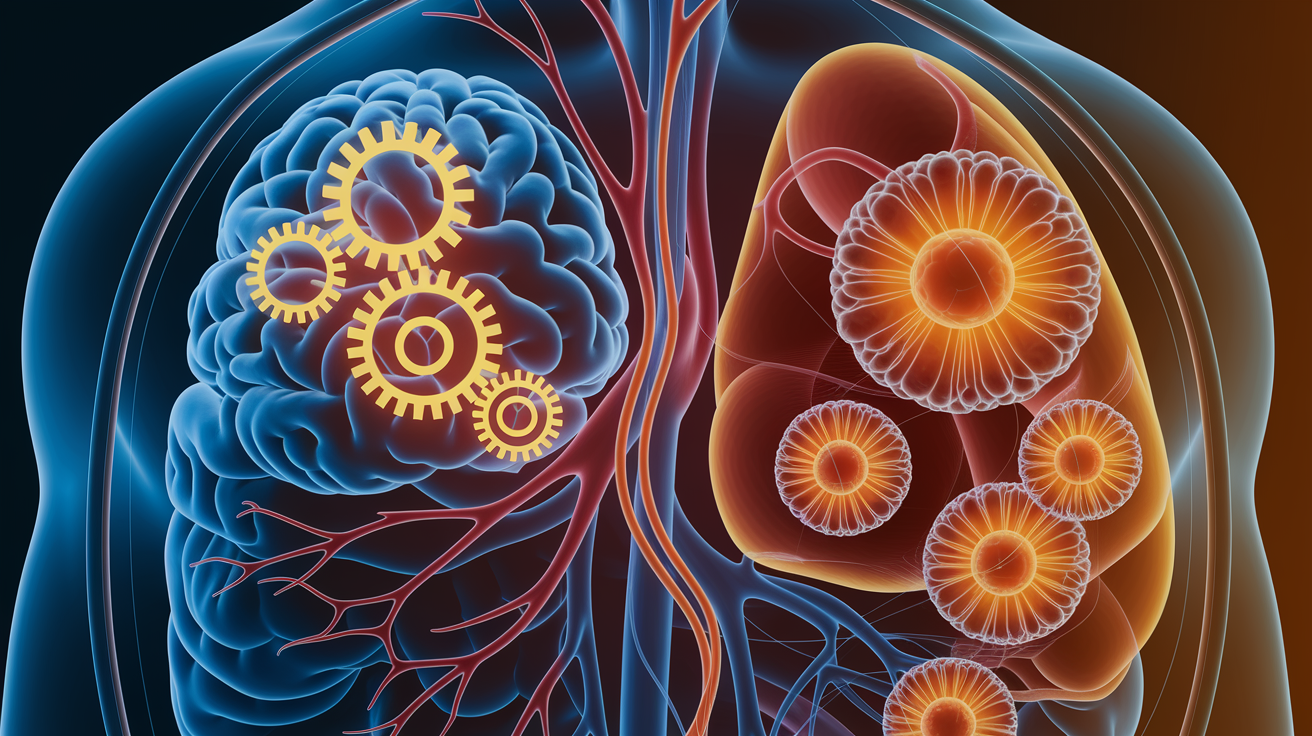
Your energy doesn’t stay flat all day, and that’s not some kind of design flaw. What causes energy to fluctuate during the day comes down to internal biological rhythms, sleep quality, blood sugar regulation, stress hormones, hydration status, and nutrient availability. These systems interact constantly. When one falters, the others often follow.
A lot of people assume they’re just “lazy” or “getting old” when daytime energy levels dip unpredictably. But in reality, your body operates on timed cycles, most notably the circadian rhythm, that govern cortisol release, body temperature, and alertness. Poor sleep throws these cycles off. Anything less than seven hours per night can actually raise cortisol at the wrong times, creating a “tired but wired” feeling in the morning followed by a sharp crash later. Blood sugar swings also play a huge role. Reactive hypoglycemia, the drop in glucose that happens after a high-sugar meal, typically strikes within four hours and leaves you foggy, irritable, and craving more sugar. Chronic stress overactivates your HPA axis (the stress response network in your brain and adrenal glands), which can steal an hour of sleep per night and disrupt the natural rise and fall of cortisol throughout the day.
Hydration issues and nutrient deficiencies round out the core drivers. Even mild dehydration triggers fatigue, dizziness, and headaches, yet most people don’t realize how much water they actually need. It varies by body weight, age, sex, and activity level. Meanwhile, low levels of iron, B vitamins (especially B12 and folate), vitamin D, or magnesium quietly drain your cellular energy production and leave you exhausted no matter how much you rest. Sleep fragmentation, waking repeatedly during the night, also degrades sleep architecture, the structured progression through light, deep, and REM stages that restores your brain and body. When any of these six factors go sideways, your energy becomes unpredictable.
The primary physiological drivers behind daily energy fluctuations include:
Circadian rhythm and cortisol patterns. Natural peaks in the morning and predictable dips around midafternoon, often near 2 p.m.
Sleep quality and duration. Fragmented or insufficient sleep (under seven hours) disrupts restoration and hormone regulation.
Blood sugar regulation. Rapid glucose spikes from high-glycemic foods followed by insulin-driven crashes within a few hours.
Stress and HPA-axis activation. Chronic stress raises baseline cortisol, reduces sleep, and creates erratic energy swings.
Hydration levels. Dehydration reduces blood volume, oxygen delivery, and cognitive performance.
Nutritional status. Deficiencies in iron, B vitamins, vitamin D, or magnesium impair mitochondrial energy production and oxygen transport.
How Circadian Rhythm Shapes Energy Levels Throughout the Day
Your circadian rhythm is a roughly 24-hour internal clock that dictates when you feel awake and when you feel sleepy. This clock is primarily driven by light exposure and controls the release of hormones like cortisol and melatonin. Cortisol naturally peaks in the early morning, usually within 30 to 60 minutes after waking, to boost alertness, blood sugar, and blood pressure. After midday, cortisol begins to taper. Many people experience a noticeable energy dip around 2 p.m. This isn’t random. It’s a predictable circadian trough that aligns with a temporary drop in core body temperature and reduced cortisol signaling. Research shows that up to 45% of people report feeling particularly tired in the afternoon, and this timing reflects hardwired biology, not poor discipline.
Poor sleep disrupts this rhythm in multiple ways. When you don’t get enough high-quality rest, your body may produce cortisol at the wrong times. Elevated at night when you should be winding down, or blunted in the morning when you need it most. This creates the “tired but wired” pattern: you lie awake at night with a racing mind, then wake up groggy and reach for caffeine, which can perpetuate the cycle. Waking up during the wrong sleep stage also matters. If an alarm pulls you out of deep sleep or REM, you may experience sleep inertia, a grogginess that can last up to 60 minutes and makes it nearly impossible to feel alert even after a full night in bed.
Individual chronotype also plays a role in how circadian rhythm affects your energy distribution.
Morning types (larks) tend to feel most alert and productive in the early hours and naturally wind down earlier in the evening.
Evening types (owls) hit peak alertness later in the day and often struggle with early schedules, leading to chronic sleep debt and morning fatigue.
Intermediate types fall somewhere in between and usually adapt more easily to standard work schedules.
Circadian misalignment happens when your work or social schedule forces you to wake or sleep at times that conflict with your internal clock, causing persistent fatigue and reduced performance.
Shift workers face the most severe circadian disruption, as rotating or overnight schedules force the body to function during biological low points and sleep during times designed for wakefulness.
The Role of Sleep Quality and Sleep Disorders in Daily Energy Fluctuations

Adults need at least seven hours of sleep per night for optimal health, but duration alone doesn’t guarantee restorative rest. Sleep quality, how deeply you sleep, how often you wake, and whether you cycle properly through light, deep, and REM stages, has a bigger impact on daytime energy than total time in bed. Sleep fragmentation, where you wake repeatedly even for brief moments, degrades sleep architecture and prevents your brain from consolidating memories, clearing metabolic waste, and regulating hormones. People with fragmented sleep often report feeling unrefreshed in the morning and experience unpredictable energy dips throughout the day.
Many common sleep disorders directly sabotage energy stability. Insomnia, characterized by difficulty falling asleep or staying asleep, can stem from menopause, chronic pain, psychological stress, excessive mental stimulation before bed, or an uncomfortable sleep environment. Even if you eventually fall asleep, the delay and frequent awakenings reduce restorative sleep stages. Sleep apnea, restless legs syndrome, and narcolepsy each disrupt energy in distinct ways. Chronic fatigue syndrome blurs the line between sleep disorders and broader metabolic dysfunction.
Sleep Apnea Effects
Obstructive sleep apnea causes repeated pauses in breathing during sleep, often dozens or even hundreds of times per night. Each pause triggers a brief arousal. Your brain partially wakes to restart breathing, but you rarely remember these events. The result is severe sleep fragmentation and chronically low oxygen levels. People with untreated sleep apnea wake up exhausted, struggle with focus and memory during the day, and face a much higher risk of daytime sleepiness, accidents, and cardiovascular disease. Obesity significantly raises the risk of sleep apnea, and weight loss often improves symptoms. If you snore loudly, wake gasping, or feel tired despite spending eight or nine hours in bed, sleep apnea is a likely culprit.
Insomnia Mechanisms
Insomnia involves difficulty initiating or maintaining sleep, and it often coexists with anxiety, depression, or chronic stress. The longer you lie awake at night, the more your brain associates the bed with frustration rather than rest, creating a vicious cycle. Environmental factors, too much light, a bedroom that’s too warm, a heavy late-night meal, or evening caffeine and alcohol, can all trigger or worsen insomnia. Menopause is a particularly common driver in women, as fluctuating estrogen and progesterone disrupt sleep regulation. Even after you do fall asleep, insomnia often leads to lighter, less restorative sleep, leaving you fatigued and irritable the next day.
Restless Legs & Fragmented Sleep
Restless legs syndrome (RLS) causes uncomfortable sensations in the legs, often described as tingling, crawling, or aching, that create an irresistible urge to move. Symptoms worsen in the evening and at night, making it difficult to fall asleep. The constant movement disrupts sleep continuity, and people with RLS frequently wake feeling unrefreshed. Iron deficiency is a known contributor, and correcting low ferritin levels often improves symptoms. RLS is also associated with kidney disease, pregnancy, and certain medications.
Narcolepsy & Sudden Sleep Attacks
Narcolepsy is a neurological disorder that disrupts the brain’s ability to regulate sleep-wake cycles. People with narcolepsy experience overwhelming daytime sleepiness and may fall asleep suddenly, even during conversations or activities. They may also have cataplexy (sudden muscle weakness triggered by emotion), sleep paralysis, or vivid hallucinations when falling asleep or waking. Narcolepsy severely destabilizes daytime energy and requires medical diagnosis and management, often with stimulant medications and scheduled naps.
Blood Sugar Swings, Carbohydrate Crashes, and the Post‑Lunch Dip

Blood sugar regulation is one of the most immediate and powerful drivers of energy fluctuations. When you eat a meal high in sugar or refined carbohydrates, think fruit juice, pastries, white bread, or pasta, your blood glucose spikes rapidly. Your pancreas responds by releasing a large surge of insulin to pull that glucose into cells. For some people, especially those with insulin resistance or prediabetes, this insulin response overshoots, driving blood sugar down too far and too fast. The result is reactive hypoglycemia, a state of low blood glucose that typically occurs within four hours after eating. You feel exhausted, irritable, shaky, and intensely hungry, often craving more sugar to “fix” the crash. This creates a cycle of spikes and crashes that leaves your energy bouncing unpredictably all day.
The post-lunch dip is a common example. Many people eat a lunch heavy in simple carbs, a sandwich on white bread, a side of chips, and a soda, then find themselves fighting to stay awake by 2 or 3 p.m. Part of this is circadian timing. But a significant piece is the blood sugar roller coaster. High-glycemic meals flood your system with glucose, trigger a big insulin release, and then leave you in a trough. Meanwhile, digestion itself requires blood flow and energy, so a large, carb-heavy meal compounds the slump by diverting resources away from your brain and muscles.
| Meal Type | Typical Blood Sugar Response | Energy Impact |
|---|---|---|
| High-sugar breakfast (juice, pastry, cereal) | Rapid spike within 30–60 minutes, sharp drop within 2–4 hours | Mid-morning crash, brain fog, irritability, cravings |
| Balanced meal (protein, healthy fats, whole grains) | Gradual, moderate rise; sustained plateau for 3–5 hours | Stable energy, sustained focus, reduced hunger |
| Carb-heavy lunch (white pasta, bread, soda) | Large spike, large insulin response, reactive drop | Post-lunch slump, difficulty concentrating, sleepiness |
| Light, nutrient-dense lunch (salad, fish, vegetables) | Minimal spike, steady glucose level | Reduced afternoon fatigue, better alertness |
Hydration, Electrolytes, and Their Impact on Daily Energy

Even mild dehydration reduces blood volume, which makes your heart work harder to deliver oxygen and nutrients to your brain and muscles. The result is fatigue, difficulty concentrating, dizziness, and headaches. All of which can masquerade as low energy when the real problem is simply not drinking enough water. The old rule of “eight 8-ounce glasses per day” is a rough guideline, not a universal prescription. Your actual hydration needs depend on your body weight, age, sex, activity level, climate, and diet. Someone who’s larger, more active, or living in a hot environment will need significantly more fluid than someone who’s smaller and sedentary.
Electrolytes (sodium, potassium, magnesium, and calcium) help regulate fluid balance, nerve signaling, and muscle contraction. If you sweat heavily during exercise or work, or if you follow a very low-sodium diet, you can become depleted even if you’re drinking plenty of water. Low electrolytes contribute to muscle cramps, weakness, and a general sense of fatigue. Sports drinks or electrolyte powders can help during intense activity, but most people get enough from food if they eat a varied, whole-foods diet with adequate fruits, vegetables, and a reasonable amount of salt.
The most common signs that dehydration is draining your energy include:
Persistent fatigue that doesn’t improve with rest or caffeine.
Thirst that you may not notice until dehydration is already affecting performance.
Dizziness or lightheadedness, especially when standing up quickly.
Headaches that develop mid-morning or afternoon and often improve after drinking water.
Nutrient Deficiencies and Medical Conditions That Disrupt Energy Stability

Your cells produce energy in tiny structures called mitochondria, and this process depends on a steady supply of vitamins, minerals, and oxygen. When key nutrients run low, energy production stalls, and you feel chronically tired no matter how much you sleep. Iron deficiency is one of the most common culprits, especially in women with heavy menstrual periods, vegetarians, and people with gastrointestinal conditions that impair absorption. B vitamins (particularly B12, folate, niacin, riboflavin, and pantothenic acid) are essential cofactors in the biochemical pathways that convert food into ATP, the energy currency of your cells. Vitamin D and magnesium also play critical roles in muscle function, mood regulation, and energy metabolism. Even vitamin C, often associated only with immune health, supports mitochondrial function and iron absorption.
Medical conditions can mimic or amplify the effects of nutrient deficiencies. Thyroid disorders, diabetes, depression, kidney disease, and autoimmune diseases like multiple sclerosis all disrupt energy regulation in different ways. If fatigue persists despite good sleep, balanced meals, and adequate hydration, a medical evaluation and blood work are essential to rule out underlying disease.
Iron & Anemia
Iron is required to produce hemoglobin, the protein in red blood cells that carries oxygen from your lungs to every tissue in your body. Without enough iron, your cells become starved for oxygen, and you feel weak, fatigued, and short of breath, even during light activity. Iron-deficiency anemia is especially common in menstruating women, pregnant women, and people who avoid red meat. Symptoms develop gradually, so many people adapt to feeling tired and assume it’s normal. A simple blood test can measure ferritin (stored iron) and hemoglobin, and supplementation often restores energy within weeks once levels normalize.
B Vitamins & Mitochondrial Energy
B vitamins are a group of water-soluble nutrients that work together to extract energy from carbohydrates, fats, and proteins. Vitamin B12 and folate are particularly important for red blood cell production and nervous system function. Deficiency in either can cause fatigue, brain fog, weakness, and even neurological symptoms if left untreated. B12 deficiency is common in older adults (due to reduced stomach acid), vegetarians and vegans (since B12 is found almost exclusively in animal products), and people with digestive disorders like celiac disease or Crohn’s disease. Riboflavin (B2), niacin (B3), and pantothenic acid (B5) are also critical for cellular respiration, and low levels can contribute to persistent low energy.
Thyroid Disorders
Your thyroid gland produces hormones that regulate your metabolism, the rate at which your cells burn fuel and produce energy. Hypothyroidism (underactive thyroid) slows everything down. You feel cold, sluggish, mentally foggy, and exhausted, even after a full night of sleep. Weight gain, constipation, and dry skin are common. Hyperthyroidism (overactive thyroid) speeds everything up, often causing anxiety, rapid heartbeat, weight loss, and paradoxically, fatigue from the constant overdrive. Both conditions destabilize energy and require medical diagnosis and treatment, usually with hormone replacement (for hypothyroidism) or medication to reduce hormone production (for hyperthyroidism).
Lifestyle Contributors: Stress, Caffeine, Movement, and Environmental Factors

Daily habits shape energy as powerfully as biology. Chronic stress activates your HPA axis, the network of signals between your hypothalamus, pituitary gland, and adrenal glands, triggering a steady release of cortisol and adrenaline. In the short term, this response helps you handle threats. Over weeks and months, though, it wears you down. Research shows that people under chronic stress sleep about one hour less per night, and their cortisol rhythms flatten, leaving them “tired but wired” during the day and unable to wind down at night. Prolonged stress also drives inflammation, impairs immune function, and increases your risk of illness and injury.
Caffeine timing matters more than most people realize. Caffeine has a half-life of roughly five to seven hours, which means that a cup of coffee at 4 p.m. still has half its stimulant effect at 9 or 10 p.m., right when you need to wind down. Late caffeine reduces light sleep by about 2%, and even that small reduction can chip away at next-day alertness. Caffeine also triggers a temporary spike in glucose and adrenaline, which feels like energy in the moment but often leads to a crash an hour or two later. If you rely on multiple cups of coffee or energy drinks to get through the day, you may be stuck in a cycle where caffeine is simultaneously masking fatigue and preventing the deep sleep you need to recover.
Sedentary behavior reduces blood flow to your brain, lowers serotonin production, and blunts insulin sensitivity. All of which contribute to low energy and poor mood. Even short movement breaks, standing, stretching, or walking for a few minutes, can restore alertness and improve glucose regulation. Environmental factors like light exposure, noise, temperature, and air quality also influence how you feel. Blue light from screens in the evening suppresses melatonin and delays sleep onset, while dim lighting during the day can leave you feeling sluggish. A hot, stuffy workspace or a noisy environment can drain focus and make you feel more tired than the work itself.
Five lifestyle factors that commonly disrupt energy stability:
Chronic stress. Overactivates cortisol, reduces sleep quality, increases inflammation, and creates a constant state of low-grade exhaustion.
Caffeine overuse or late-day caffeine. Masks fatigue, impairs sleep architecture, and creates dependence that worsens baseline energy.
Excessive screen time and blue light exposure. Suppresses evening melatonin, delays sleep, and reduces next-day alertness.
Prolonged inactivity. Lowers cerebral blood flow, reduces serotonin, and impairs glucose metabolism, leading to sluggishness and brain fog.
Poor environmental conditions. Hot rooms, dim lighting, noise, or poor air quality increase cognitive load and accelerate fatigue.
Diet, Meal Timing, and Nutrition Strategies to Maintain Stable Energy

What you eat and when you eat it directly shapes how your blood sugar, insulin, and energy levels behave throughout the day. Diets high in ultra-processed foods (packaged snacks, sugary drinks, fast food, and refined grains) impair both sleep quality and glucose control. These foods are engineered to be hyper-palatable, so they’re easy to overeat, but they provide little in the way of vitamins, minerals, fiber, or protein. The result is blood sugar spikes, insulin resistance, and a cascade of inflammation that leaves you feeling sluggish and craving more of the same foods.
Balanced meals that include protein, healthy fats, and whole grains slow glucose absorption, reduce insulin spikes, and provide a steady supply of energy over several hours. For example, a breakfast of eggs, avocado, and whole-grain toast will keep you full and focused far longer than a bowl of sugary cereal or a pastry. Skipping meals, especially breakfast, sets you up for a blood sugar crash later in the day, along with poor decision-making and intense cravings. Even if you’re not hungry first thing in the morning, eating something small and protein-rich within an hour or two of waking helps stabilize your metabolism and prevents mid-morning fatigue.
Six practical meal strategies to maintain stable energy throughout the day:
Distribute protein across meals. Aim for 20 to 30 grams of protein at breakfast, lunch, and dinner to support muscle, satiety, and steady glucose levels.
Choose whole grains over refined grains. Oats, quinoa, brown rice, and whole-wheat bread release glucose more slowly than white bread, pasta, or pastries.
Include healthy fats. Nuts, seeds, avocado, olive oil, and fatty fish slow digestion and help you feel satisfied longer.
Time snacks strategically. A small snack with protein and fat (like an apple with almond butter or Greek yogurt) between meals prevents crashes without spiking blood sugar.
Eat a light, nutrient-dense lunch. Soups, salads, fish, and vegetables reduce the post-lunch slump by avoiding the digestive burden and glucose spike of heavy, carb-loaded meals.
Limit high-glycemic foods. Reduce intake of sugary drinks, candy, white bread, and processed snacks, especially when eaten alone without protein or fat to buffer the glucose response.
Exercise Timing, Movement Patterns, and Their Effect on Energy Stability

Physical activity is one of the most reliable ways to boost energy, but timing, intensity, and recovery all matter. A brisk walk, even just 10 to 15 minutes, increases blood flow to your brain, raises alertness, and improves mood. Morning exercise can help reset your circadian rhythm and increase cortisol at the right time, making you feel more awake throughout the day. Afternoon movement, especially around the 2 to 3 p.m. slump, can counteract the natural circadian dip and prevent you from reaching for sugar or caffeine. Even standing up and stretching every hour helps maintain circulation and reduces the mental fatigue that comes from sitting still.
Intense exercise depletes ATP and glycogen, your muscles’ immediate and short-term energy stores. If you don’t allow time for recovery (rest days, lighter workouts, adequate sleep, and proper nutrition), you’ll start each session in an energy deficit. Over time, this leads to chronic fatigue, poor performance, increased injury risk, and even disrupted sleep. Exercise should energize you over the long term, but if you consistently feel wiped out for hours or days after a workout, you may be overtraining or under-recovering.
Power Naps & Recovery Windows
A short nap of about 20 minutes can restore alertness and cognitive performance without causing sleep inertia, the grogginess that comes from waking out of deep sleep. The best time for a nap is usually in the early afternoon, ideally between 1 and 3 p.m., which aligns with the natural circadian dip and doesn’t interfere with nighttime sleep. Naps longer than 30 minutes risk entering deep sleep, which can leave you feeling foggy for up to an hour afterward. If you’re consistently exhausted enough to need long naps, it’s a signal that your nighttime sleep quality or duration needs attention. Recovery windows after intense exercise are just as important. Your body repairs muscle, replenishes glycogen, and rebalances hormones during rest, so scheduling at least one or two full recovery days per week helps maintain stable energy and performance.
How Tracking Patterns Helps Identify Personal Energy Triggers
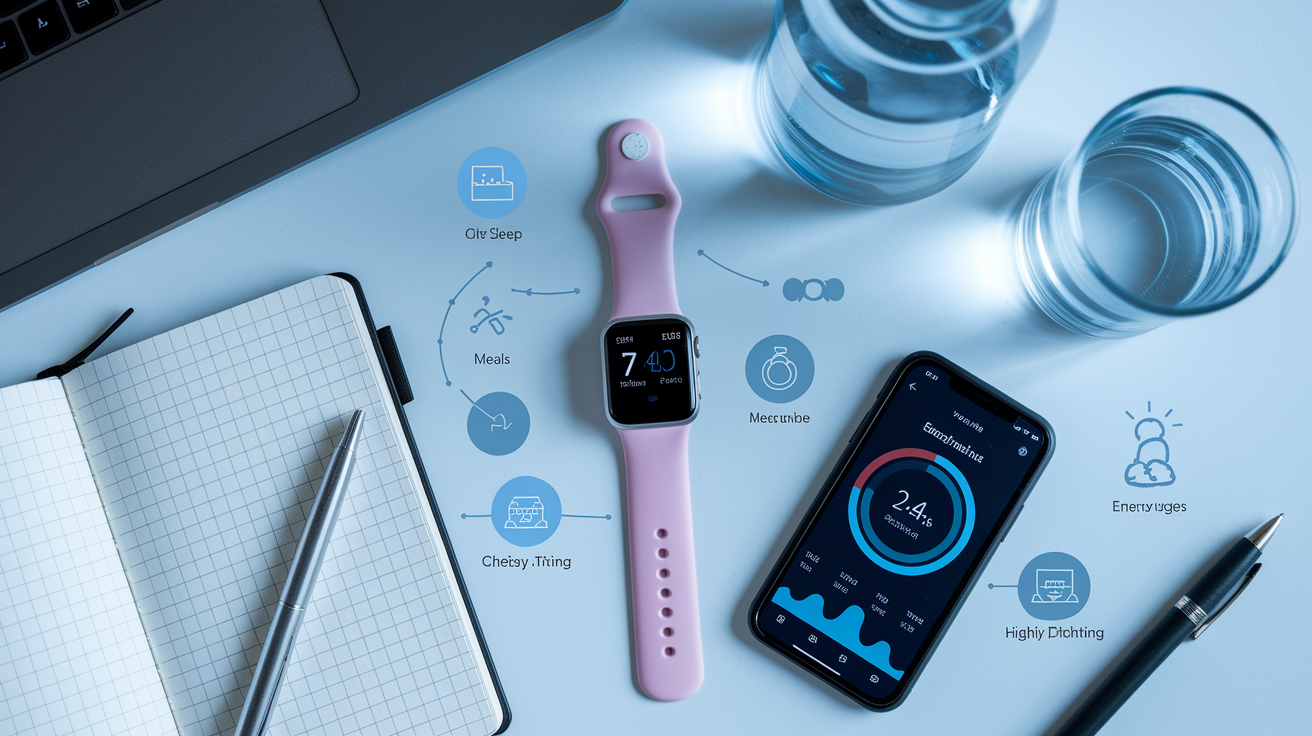
Energy fluctuations rarely have a single cause. More often, they’re the result of interactions among sleep quality, meal timing, caffeine intake, stress levels, hydration, and activity patterns. Tracking these variables over time reveals cause-and-effect relationships that are easy to miss when you’re in the middle of a busy day. For example, you might notice that late-afternoon caffeine correlates with poor sleep and next-day fatigue, or that skipping breakfast leads to a sharp energy crash by 11 a.m. Wearable devices and sleep trackers can quantify these patterns, showing links like late caffeine reducing light sleep by about 2%, or high stress reducing total sleep time by 30 to 60 minutes.
You don’t need expensive technology to start tracking. A simple notebook or smartphone app where you log bedtime, wake time, meal timing, caffeine intake, stress level, and how you felt at different times of day can surface patterns within a week or two. The goal isn’t perfection. It’s noticing trends and testing small changes. If you see that your energy crashes every day around 3 p.m. after a carb-heavy lunch, try a lighter, protein-rich meal for a few days and see if the pattern shifts. If you consistently wake up groggy despite eight hours in bed, consider whether late caffeine, a hot bedroom, or a heavy evening meal might be disrupting your sleep architecture.
| Signal Tracked | Possible Trigger | Common Impact on Energy |
|---|---|---|
| Consistent 3 p.m. fatigue | High-carb lunch, circadian dip, dehydration | Brain fog, difficulty focusing, craving sugar or caffeine |
| Morning grogginess despite 7–8 hours in bed | Late caffeine, sleep fragmentation, waking during deep sleep | Slow to wake, need multiple alarms, low motivation |
| Mid-morning energy crash (10–11 a.m.) | Skipped breakfast, high-sugar breakfast, insufficient sleep | Irritability, hunger, difficulty concentrating |
| Low energy after intense workout | Inadequate recovery, insufficient nutrition, overtraining | Prolonged fatigue, poor performance, increased soreness |
Final Words
in the action we traced the main drivers of daytime ups and downs: circadian rhythm, sleep quality, blood sugar swings, hydration, nutrients, and habitual stress or caffeine timing.
Pick two signals to track for a week and try one small test—like a protein-rich lunch or a 20-minute walk after eating.
If you’re wondering what causes energy to fluctuate during the day, this simple tracking-and-test approach often reveals the patterns that matter. Small fixes tend to add up fast.
FAQ
Q: Why does my energy fluctuate so much during the day?
A: Your energy fluctuates during the day because your body’s circadian rhythm, sleep quality, blood sugar swings, stress hormone cycles, hydration, and nutrient gaps change alertness. Track patterns and test sleep, meals, and short movement breaks.
Q: At what age do you start feeling tired and old?
A: You may start feeling tired and old in your 30s or 40s, but timing varies with sleep, stress, hormones, and medical issues. Track changes, improve sleep and activity, and see a clinician if concerns persist.
Q: Why do I feel tired, lazy, and unmotivated all the time?
A: Feeling tired, lazy, and unmotivated all the time often points to poor sleep, blood sugar swings, low activity, mood issues, or nutrient gaps. Start tracking sleep, meals, and mood, try small changes, and seek help if severe.
Q: Why does my energy plummet in the afternoon?
A: Your energy plummets in the afternoon because of the mid-day cortisol dip, post-lunch blood sugar drops, dehydration, or long sitting. Try a protein-led lunch, hydrate, take a 10-20 minute walk, or a short nap.