



Most food symptom diaries die within three days because people try to track everything at once.
That’s not your fault, and you don’t need a perfect system.
A simple, timed diary you can actually keep is the difference between guessing and finding real triggers.
This post shows a clear, low-effort approach: log what you ate and drank, note the time, and record any symptoms right after they happen.
Do that for a week, and you’ll often spot patterns worth testing next.
Core Steps for Starting a Food Symptom Diary

A food symptom diary only works if you start logging right away and keep things simple at first. Most people give up within three days because they’re trying to capture too much detail or they’ve overwhelmed themselves with complicated templates. The truth is, you really just need a few basic data points that connect what you ate to what you felt, and when both happened.
Timing matters way more than perfection. Recording entries during meals or right after gives you accurate portion estimates and timing details before your memory gets fuzzy. Waiting until bedtime to piece together your entire day usually produces vague notes and missed triggers. Consistency also means writing something every single day, even when nothing’s bothering you. Those symptom-free days are just as valuable as flare-up days because they show which meals worked fine.
You don’t need to log mood, sleep scores, or exercise intensity in week one. Start with only the essential fields that connect food to symptoms, and keep every entry uniform. Adding complexity later becomes easier once you’ve built the daily recording habit.
-
Write down everything you ate and drank, including snacks, condiments, and brands when possible. Use concrete portion sizes like “one fist” or “half a plate.”
-
Log the exact time you finished eating, using a 24 hour clock or simple AM/PM format to avoid confusion.
-
Record any symptoms you notice, the time they started after eating, and how long they lasted. Even mild sensations count.
-
Rate symptom severity using a consistent scale. 1 to 3, 1 to 10, or simple emojis like 🙂 neutral ☹. Pick one system and stick with it.
-
Keep entries going throughout the entire day, including water intake and any midnight snacks. Don’t skip weekends or busy days.
-
Update your diary immediately after each meal or symptom event. Take a quick photo if you’re rushed and fill in details within the hour.
Recommended Formats for a Practical Food & Symptom Diary
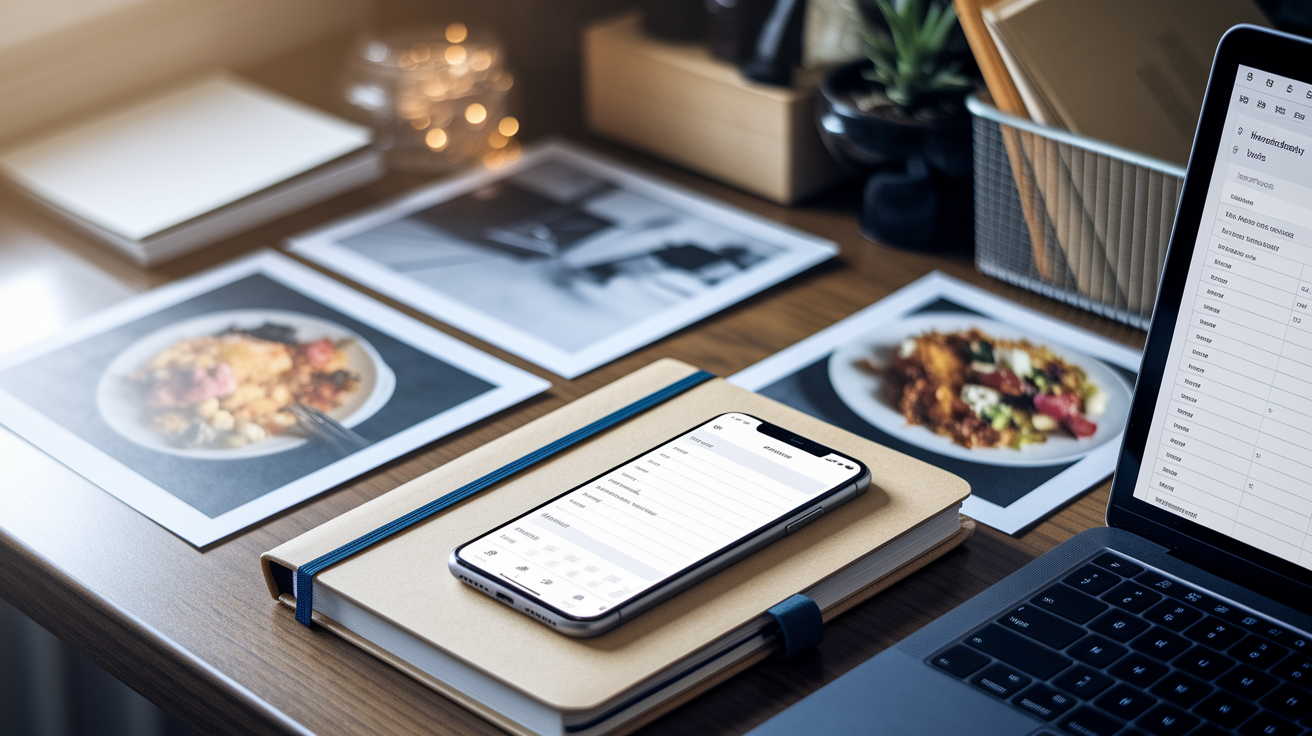
Choose a format you’ll actually open every day. Pen and paper work well if you already carry a notebook or prefer writing by hand. Smartphone apps win when you want automatic timestamps, searchable records, or the ability to share entries electronically with a dietitian or doctor. Many apps are free, and some sync with fitness trackers to pull in sleep or activity data without extra typing.
Templates and printable sheets offer structure without requiring tech. The American Academy of Family Physicians provides free symptom diary templates designed for clinical review, and simple spreadsheet files let you customize columns while keeping data organized for pattern analysis later.
-
Paper notebook or journal – low tech, private, easy to carry, works anywhere, but harder to search or share with clinicians.
-
Smartphone apps – auto timestamps, cloud backup, shareable exports, often include barcode scanning and photo uploads, but may cost money or require subscription.
-
Printable templates – standardized fields that clinicians recognize, free downloads available, good for people who prefer structured forms over blank pages.
-
Quick meal photos – capture restaurant dishes or ingredient labels fast, helpful when dining out, but require follow up notes to add symptom details and timing.
-
Spreadsheets or digital tables – flexible columns, sortable data, easy weekly summaries, useful for longer tracking periods or elimination diet phases.
What to Record in a Food Symptom Diary for Clearer Patterns
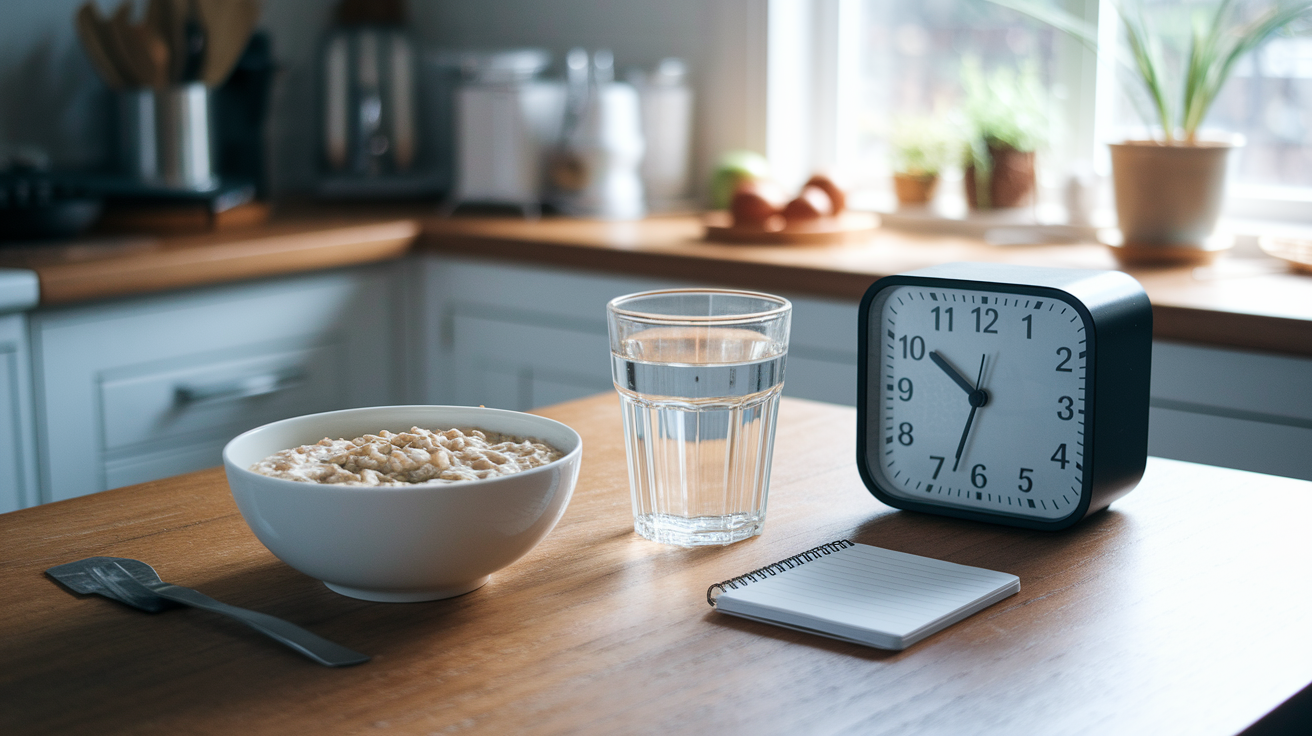
Adding richer detail improves pattern detection because food reactions rarely happen in isolation. A bowl of oatmeal might cause bloating only when you ate it on three hours of sleep, skipped water all morning, and ate standing up while stressed. Recording context around each meal helps you separate true food triggers from situational flare ups caused by rushed eating, dehydration, or poor sleep.
Lifestyle factors interact with digestion constantly. Low water intake can worsen constipation even when your food choices look fine. High stress before a meal can trigger symptoms regardless of ingredients. Poor sleep changes how your gut processes fiber and fat. Tracking these variables alongside meals reveals whether symptoms come from the food itself or from how your body was functioning when you ate.
As you build the habit, expand your entries to include ingredient brands, cooking methods, and mood before and after eating. Note whether meals happened at home or in a restaurant, and whether you felt calm or rushed. Bowel movement patterns, hydration levels, and even menstrual cycle phase for women all influence gut behavior and symptom severity.
| Category | Information to Record | Why It Matters |
|---|---|---|
| Food & Drink | Ingredients, brands, portion sizes, cooking method (fried, steamed, raw), any sauces or condiments | Specific ingredients or preparation styles often trigger symptoms more than general food groups |
| Symptom Details | Description (bloating, cramping, nausea), onset time after eating, duration, severity rating | Timing and intensity patterns help distinguish immediate reactions from delayed triggers |
| Lifestyle Context | Sleep quality the night before, water intake that day, exercise timing and intensity | Poor sleep, dehydration, and intense workouts can all mimic or worsen food related symptoms |
| Mood & Stress | Emotional state before and after eating, stress level rating, type of stress (work, family, health) | Stress activates gut nerves and can cause symptoms independent of food choices |
| Digestion Output | Bowel movement frequency, consistency, and timing relative to meals | Changes in stool patterns often reveal food intolerances or digestive speed issues |
Tracking Duration and How Long to Keep a Food Symptom Diary

Most people start seeing useful patterns after one full week of consistent logging. That first week establishes your baseline. What you normally eat, how often symptoms appear, and which meals tend to go smoothly. A single week won’t catch everything, but it gives you enough data points to spot obvious culprits and decide whether deeper tracking makes sense.
For structured investigations like elimination diets or diagnostic work with a clinician, plan to keep detailed records for two to six weeks. The longer timeline accounts for delayed reactions, hormonal cycle effects in women, and the time needed to test suspected triggers. IBS focused symptom tracking typically recommends two to three weeks before attempting pattern analysis or food reintroductions.
-
Baseline week – Track everything for seven consecutive days without changing your normal eating habits. This week shows your starting point and highlights immediate triggers.
-
Extended tracking (2–6 weeks) – Continue daily logging if patterns remain unclear after week one, or if you’re working with a dietitian to identify subtle intolerances.
-
Elimination period – Remove suspected trigger foods completely and keep logging to confirm symptoms improve. Most elimination phases last two to four weeks.
-
Reintroduction phase – Add one eliminated food back every three to five days while continuing detailed symptom records. This phase can take several weeks depending on how many foods you’re testing.
Pattern Recognition Techniques for Food & Symptom Logs

Weekly reflection turns raw diary entries into actionable insights. Set aside fifteen minutes every Sunday or Monday to read through the past seven days and look for repeated pairings. Specific foods that consistently show up a few hours before the same symptom. Highlight or circle entries where severity ratings hit 6 or higher, then scan backward to see what you ate in the previous four to six hours.
Visual tools make hidden patterns easier to spot. Some people transfer their paper diary into a simple spreadsheet and color code symptom severity or sort entries by food type. Others print their week and use a highlighter to mark every instance of dairy, gluten, or high fat meals, then check whether those highlighted rows cluster near symptom flare ups. Charts or graphs aren’t required, but if you’re a visual thinker, plotting severity scores over time can reveal whether symptoms spike on certain days of the week or after specific meal types.
Common Questions to Ask When Reviewing Your Diary
- Which specific foods or ingredients appear in the 2–6 hours before your worst symptom days?
- Do symptoms consistently follow meals containing lactose, wheat, or certain vegetables like broccoli or beans?
- Are high sugar meals, artificial sweeteners, or alcohol linked to flare ups?
- Do symptoms worsen after large portions or when you eat fewer than three hours after the previous meal?
- Is there a connection between stress ratings above 2 and digestive discomfort, even when food choices look fine?
- Do symptoms occur more often when eating out, eating quickly, or skipping water throughout the day?
When to Seek Professional Support Using Your Food Symptom Diary

Bring your completed diary to a healthcare provider if symptoms persist after three weeks of tracking, if you’ve identified multiple trigger foods and aren’t sure how to build a balanced diet around them, or if symptoms are severe enough to disrupt daily life. Dietitians and doctors prefer structured logs with consistent fields because they can quickly scan for diagnostic clues without guessing what your notes mean.
If you’re using an app, check whether it supports electronic sharing or PDF export. Printed copies work fine, but make sure entries are legible and organized by date. Highlight the worst symptom days and any clear food symptom pairings you’ve noticed so your clinician can start from your observations rather than re reading every entry from scratch.
- Symptoms continue or worsen despite removing suspected trigger foods for two full weeks.
- You’ve lost weight unintentionally or started avoiding entire food groups out of fear.
- Severe pain, blood in stools, or sudden changes in bowel habits appear in your diary entries.
- Anxiety around food or meal planning has increased to the point where logging feels obsessive or distressing.
Sample Entries to Model Your Own Food Symptom Diary

Concrete examples make it easier to see what “enough detail” actually looks like without overdoing it. The goal is clarity and consistency, not perfection. Use these samples as templates, then adjust the format to match whichever tracking method you chose.
Entry 1 (Standard meal with mild reaction)
Date: 2025-04-12 | Time: 12:30 PM | Food: Turkey sandwich (2 slices whole wheat bread, 3 oz deli turkey, 1 tbsp mayo, lettuce, tomato) + small bag plain chips + 16 oz water | Portion: two fists total | Mood before eating: neutral, slightly rushed | Symptom: mild bloating starting around 2:00 PM, lasted about 90 minutes | Severity: 3/10 (🙂) | Notes: ate at desk while working, finished meal in under 10 minutes.
Entry 2 (Restaurant meal with stronger reaction)
Date: 2025-04-15 | Time: 7:00 PM | Food: pasta with creamy tomato sauce, garlic bread, side salad with ranch dressing (unknown brands/ingredients, photo taken) | Portion: large plate, about three fists | Mood before eating: relaxed, dining with friends | Symptom: abdominal cramping and loose stools starting around 9:30 PM, lasted approximately 5 hours into the night | Severity: 7/10 (☹) | Notes: felt fine during meal, symptoms began suddenly two and a half hours later, made it hard to sleep.
Final Words
Start by jotting down the basics: time, what you ate, symptom onset, duration, and a simple severity rating.
Use a format you’ll keep—paper, app, or quick photos—and review weekly to spot patterns, try short elimination steps, and bring clear notes to a clinician if needed.
This short routine shows how to keep a food symptom diary as a simple, testable tool: track, spot a pattern, try one small change, and reassess. You’ll learn fast and feel more in control.
FAQ
Q: How to keep a food and symptom diary?
A: Keeping a food and symptom diary means logging date/time, foods and portions, symptom onset and duration, and a simple severity score. Record right after meals, stay consistent, and note days with no symptoms.
Q: What is the 70/30 rule in food?
A: The 70/30 rule in food is eating roughly 70% whole, minimally processed foods and leaving 30% for flexible choices or treats, which helps balance nutrition and enjoyment without strict dieting.
Q: What 8 foods are 90% of allergies?
A: The eight foods that cause about 90% of allergies are milk, eggs, peanuts, tree nuts, soy, wheat, fish, and shellfish. Track reactions and see a clinician for severe or sudden symptoms.