



What if “overwhelmed” isn’t a personality trait but a list of repeat moments you can fix?
Start a simple daily log: rate stress 1 to 10, note when it spikes, who was there, and how it felt (tight chest, foggy head).
Track for four weeks and you’ll see which meetings, emails, deadlines, or people keep hitting your limit.
Once you can name those breaking points, you can test small fixes and watch what changes.
That’s the promise of a work stress trigger analysis.
A Framework to Start Your Work Stress Trigger Analysis

Work stress trigger analysis is about spotting the specific moments that spike your stress before they pile up into burnout. You’re not just tracking vague overwhelm. You’re tracing it back to real sources: that particular meeting, the Monday morning inbox flood, the interaction with one specific colleague, the pattern around monthly deadlines. Once you can name the trigger, you can actually do something about it.
The setup is pretty straightforward. You need a daily log that captures your stress level on a 1 to 10 scale, notes about what caused each spike (when it happened, where you were, who was involved, what you were doing), and a quick description of how it felt physically or mentally. Four weeks is enough to see patterns without making tracking feel like another job. Recording severity and immediate effects (tight chest, brain fog, irritability, decision paralysis) shows which triggers hit hardest and how often they show up.
This is your diagnostic foundation. Without capturing the raw data, deeper analysis stays guesswork. The log gives you something real to review, chart, and compare week to week.
Here’s how to start:
- Open a 4 week daily stress log with a 1 to 10 rating and brief notes on each day’s highs and lows.
- Record each trigger’s time, location, and who or what was involved (a meeting, an email thread, a handoff).
- Note severity on the 1 to 10 scale and immediate physical or emotional effects (racing heart, dread, muscle tension).
- Look for recurrent patterns. Do the same meetings, deadlines, people, or times of day appear multiple times?
- Use brief check ins or end of day journaling to add context about what made the trigger worse or better.
- Summarize findings in a weekly chart or heatmap that shows when and where stress concentrates.
Categorizing Workplace Stress Triggers for Clearer Analysis
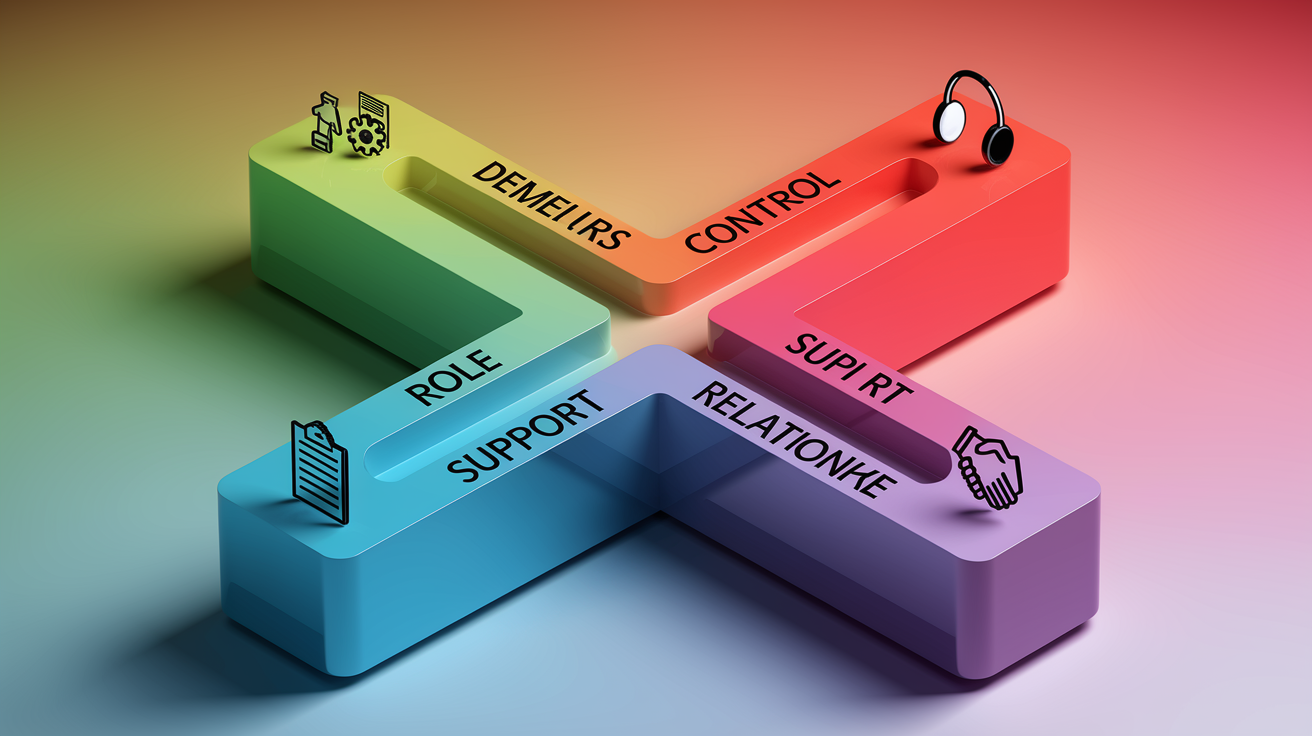
Workplace stress triggers tend to fall into five domains: Demand (workload volume, task variety, time pressure), Control (autonomy and influence over how work gets done), Role (clarity about responsibilities and expectations), Support (access to help, information, and encouragement), and Relationships (quality of interactions and communication). Think of these as diagnostic buckets. When you know which domain a trigger belongs to, you can target the right fix. Adding resources for demand problems. Increasing autonomy for control issues. Clarifying role boundaries. Improving support systems. Repairing communication.
Categorizing speeds up analysis because it stops you from trying the wrong solution. If stress comes from unclear role expectations, no amount of time management or breathing exercises will solve the root problem. You need role clarification. Sorting triggers this way also reveals whether your stress concentrates in one or two areas, which simplifies action planning.
Common workplace stress triggers worth watching:
- Workload overload (too many tasks, tight timelines, no buffer)
- Monotonous or under stimulating work (boredom, repetition without meaning)
- Rigid schedules and inflexible deadlines that ignore life outside work
- Unclear job responsibilities and shifting expectations without communication
- Withheld information or delayed feedback that blocks progress
- Interpersonal conflict with managers, peers, or clients
- Poor communication styles (combative tone, criticism without support, dismissiveness)
- Disrespect or lack of recognition for contributions
- Limited autonomy (micromanagement, no input on methods or priorities)
- Lack of managerial or peer support when problems arise
Mapping Work Stress Hotspots for Actionable Insights

Stress hotspots are recurring times, locations, tasks, or interactions that reliably spike your stress rating. Maybe it’s Monday mornings when the inbox floods. Month end reporting cycles. A weekly one on one with a particular manager. The hour before a recurring team meeting. Hotspots emerge because work isn’t evenly distributed. Certain moments concentrate pressure, ambiguity, conflict, or cognitive load. Time based mapping reveals these cycles and lets you anticipate and prepare instead of reacting in the moment.
Heatmaps that plot stress severity by hour and day of the week show the rhythm of your stress. A calendar tagged with high stress events highlights whether hotspots follow a predictable schedule (every Thursday afternoon) or appear around specific triggers (performance reviews, budget reviews, understaffed shifts). Once you know where stress intensifies, you can test small changes. Scheduling prep time before stressful meetings. Blocking focus time before deadline days. Shifting non urgent tasks away from known hotspots.
| Time/Location | Common Trigger | Severity Pattern |
|---|---|---|
| Monday morning, 9–11 a.m. | Email backlog and urgent requests from the weekend | Spikes to 7 or 8; lasts until mid-afternoon |
| Recurring team meeting, Thursdays 3 p.m. | Conflict over priorities and vague action items | Steady 6 to 7 during and immediately after |
| Month-end reporting period (last 3 days of month) | Deadline pressure, incomplete data, unclear expectations | Climbs to 8 or 9; often extends into evenings |
| Open-plan workspace, afternoons | Noise, interruptions, lack of focus time | Moderate baseline of 5 to 6; accumulates over hours |
Tracking Methods and Metrics for Work Stress Trigger Analysis

Measurement combines what you can count and what you notice in mood, energy, and behavior. Quantitative data includes absenteeism, the frequency of sick days or no shows, missed deadlines, productivity changes (slower output, more errors), turnover signals (colleagues leaving, internal transfers), and conflict incidents. Qualitative indicators show up as irritability, withdrawal from team interactions, impaired decision making, self censoring in meetings, and a drop in enthusiasm or initiative. Together, these paint a fuller picture than either alone.
A 4 to 12 week measurement window is recommended because it captures enough cycles to reveal patterns without waiting so long that the data gets stale. Acute stress reactions (the physiological spike when a trigger hits) typically last about 90 seconds, but the effects compound across hours and days if triggers repeat without recovery time. Tracking over weeks shows whether stress is episodic (spiking around known events) or chronic (elevated baseline with no clear relief).
Physiological and behavioral data deepen understanding. Heart rate variability drops under sustained stress. Sleep quality declines. Small physical signs (tension headaches, tight shoulders, stomach issues) often precede visible performance problems. Behavioral shifts like skipping lunch, staying late repeatedly, or avoiding certain conversations are early signals worth noting in your log.
Eight measurable indicators to track during your analysis:
- Absenteeism (sick days, personal days, unplanned time off)
- Productivity shifts (slower task completion, lower output volume, increased errors)
- Missed deadlines (frequency and which types of tasks or projects)
- Sick day frequency and clustering (do they spike after certain events?)
- Conflict incidents (disagreements, tense emails, complaints)
- Turnover markers (team departures, internal moves, exit reasons if known)
- Withdrawal signs (less participation in meetings, shorter responses, avoiding collaboration)
- Decision making declines (hesitation, second guessing, paralysis on routine choices)
Analytical Techniques to Understand Work Stress Triggers
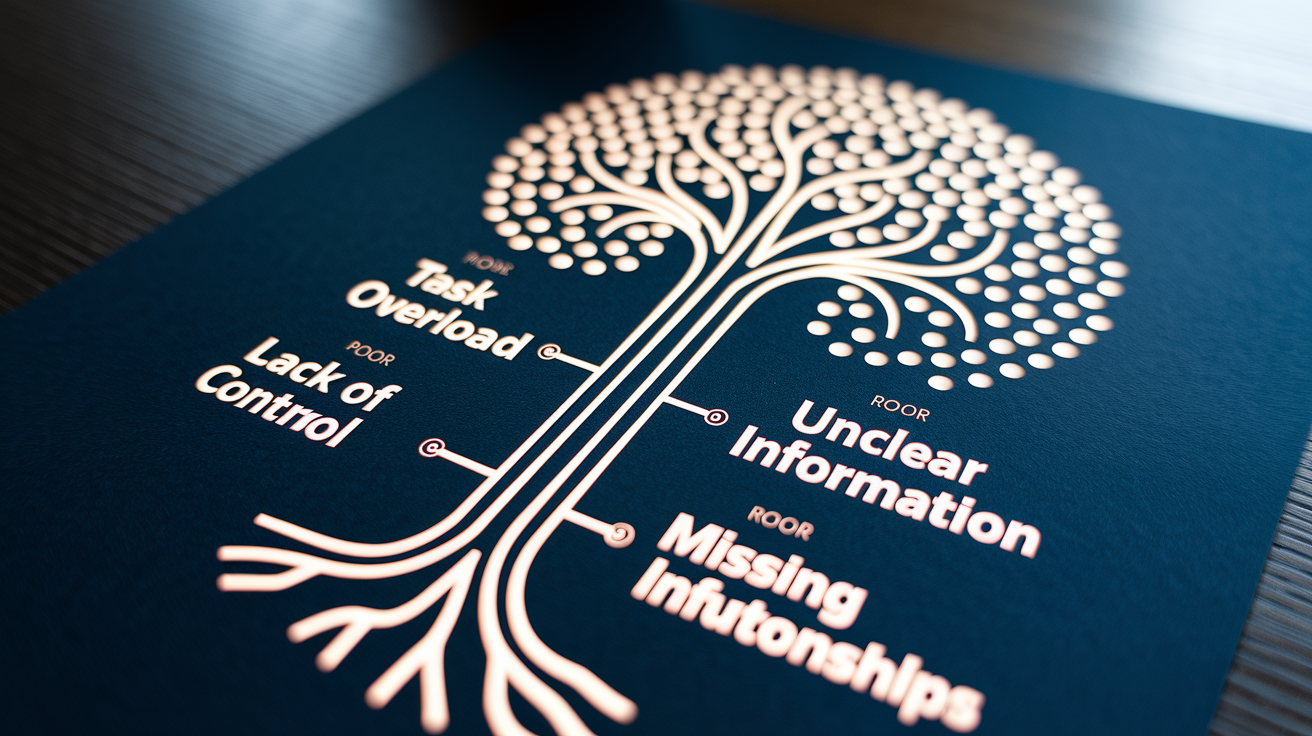
Raw data becomes insight when you apply structure. Frequency counts show how often each trigger appears per week. Time series mapping plots your daily stress rating alongside workload volume or deadline proximity to reveal correlations. Capacity versus load comparisons highlight whether stress comes from too much work for the available time and resources. Hotspot heatmaps visualize where stress clusters by day, time, or task type. Correlation matrices link specific events (a manager email, a project kickoff, a shift change) to immediate stress spikes and longer term patterns.
Pattern detection works best with 4 to 12 weeks of consistent data. Shorter windows miss recurring cycles. Longer windows risk stale insights if conditions change. Look for triggers that repeat on a schedule (weekly meetings, monthly reporting), triggers tied to specific people or interactions, and triggers that escalate when combined (tight deadline plus unclear expectations plus no support).
Applying Root Cause Techniques
Root cause analysis moves from symptoms to underlying drivers. Start by interviewing yourself or affected team members with open questions: “What makes you feel stressed or drained?” “When do you notice stress rising?” “What support or change would reduce this stress?” These questions uncover whether the problem is task overload, lack of control, unclear role boundaries, missing information, or strained relationships. Pair interview insights with your tracked data to validate patterns and rule out one off events.
Five analysis steps to apply after data collection:
- Map all recorded stress events on a timeline or calendar to see clustering.
- Count frequency for each trigger category (demand, control, role, support, relationships).
- Compare your workload or task volume to available capacity (hours, energy, skill fit).
- Run root cause conversations using structured questions to explore why the trigger creates stress.
- Validate findings by checking whether patterns hold across multiple weeks and whether interventions reduce the trigger’s impact.
Personal and Organizational Action Planning After Trigger Analysis

Individual coping strategies reduce the intensity and duration of acute stress cycles. Time blocking protects focus by scheduling 90 to 120 minute deep work sessions without interruptions. Daily priority lists (three to five items maximum) prevent overcommitment and decision fatigue. Ten to 20 minute relaxation breaks (walking, breathing exercises, stretching) reset your nervous system between high demand tasks. Boundary setting includes saying no to non urgent requests and leaving work at a predictable time. Delegation and task offloading move items off your plate when capacity is full. Conflict resolution strategies (pause before responding, ask clarifying questions, focus on shared goals) lower relationship stress.
Organizational levers address systemic causes. Managers can rebalance workloads by redistributing tasks, adjusting deadlines, hiring, or automating repetitive work. Job redesign shifts responsibilities to better match skill and capacity. Reasonable performance targets prevent chronic overload. Feedback channels that feel psychologically safe let employees raise concerns early. Training managers to spot stress signals and hold supportive one on ones reduces avoidable friction.
Balancing boundaries with flexible scheduling gives employees control over when and where work happens, which reduces rigid deadline stress and supports life outside work. Flexibility isn’t about working more. It’s about working when energy and focus are highest.
Six actionable steps to include in your plan:
- Redistribute tasks across the team when one person’s load spikes above sustainable levels.
- Protect deep work blocks by scheduling them on the calendar and silencing notifications.
- Set communication norms (response time expectations, meeting free mornings, email free evenings).
- Increase autonomy by trusting team members to choose methods and manage their own schedules where possible.
- Establish conflict protocols (how disagreements get resolved, who mediates, what timelines apply).
- Schedule rest and recovery time the same way you schedule meetings. Non negotiable and visible.
Using Technology to Support Your Work Stress Trigger Analysis
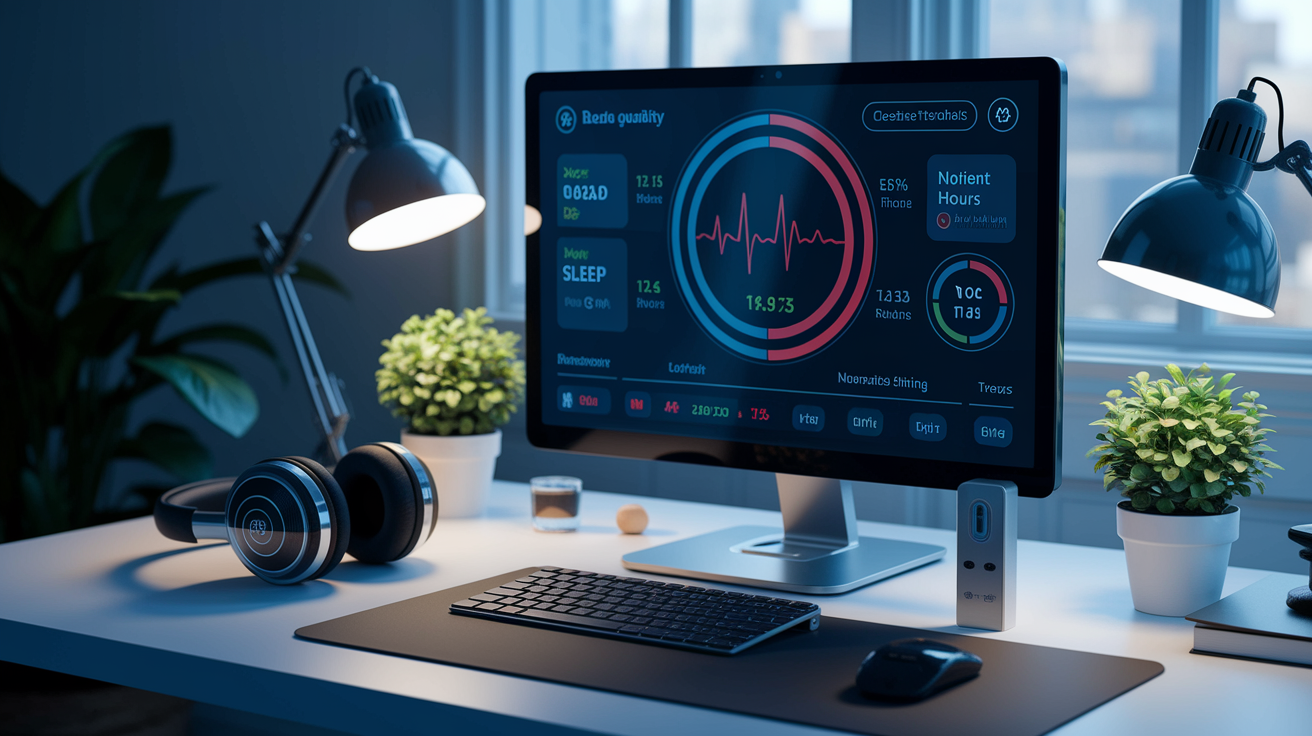
Technology creates stress when it enables “always on” work cultures. Constant notifications, after hours emails, video calls that overflow the calendar, and the expectation of instant replies. Digital overload fragments attention and prevents deep work. But technology can also support stress analysis when used intentionally. Airplane mode or phone away rules during focus blocks reduce distractions. Productivity apps structure time and tasks. Soundscapes or focus music improve concentration and lower ambient anxiety. Mental health platforms guide breathing exercises, mindfulness, and journaling.
Wearable devices track heart rate variability, sleep quality, and activity patterns, giving you objective data on how your body responds to stress. Dashboards and analytics platforms aggregate workplace metrics (meeting hours, email volume, task completion rates) and highlight patterns you might miss in day to day experience. Predictive analytics can flag early warning signs (rising absenteeism, declining engagement scores) before stress becomes crisis.
Five types of technology that support work stress trigger analysis:
- HRV trackers and wearables (monitor physiological stress responses and recovery patterns)
- Stress dashboards (visualize trends in workload, deadlines, absenteeism, and productivity)
- Focus apps (block distracting sites, structure work sessions, enforce break timers)
- Noise reduction tools (noise canceling headphones, white noise generators, focus soundscapes)
- Analytical platforms (HR systems that track engagement, turnover, and performance alongside stress indicators)
Final Words
Start by running a simple 4-week daily stress log: note time, place, interaction, and rate each episode 1–10. Map recurring hotspots and use quick visuals like weekly charts or heatmaps.
Then sort triggers into categories (demands, control, role, support, relationships), track metrics such as absenteeism and productivity, and run a few root-cause checks to see what really matters.
This work stress trigger analysis turns messy feelings into small experiments. Try one change, track it, and you’ll likely find clearer, doable steps to ease the load.
FAQ
What is work stress trigger analysis and why does it matter?
Work stress trigger analysis is a structured method of cataloguing specific events, times, people, and tasks that spike your stress at work, then looking for patterns so you can address root causes instead of just reacting. It matters because pinpointing repeating triggers turns vague overwhelm into clear, testable problems you can actually solve or manage differently.
How do I start analyzing my work stress triggers?
You start analyzing your work stress triggers by keeping a simple 4-week daily log where you rate stress (1 to 10), write down what happened right before stress spiked, note the time and place, and track who was involved. After a few weeks, patterns like Monday morning meetings or end-of-month deadlines will start showing up clearly.
What are the main categories of workplace stress triggers?
The main categories of workplace stress triggers include job demands (workload, deadlines), control (autonomy, decision-making), role clarity (expectations, responsibilities), support (resources, help from others), and relationships (conflict, communication, respect). Breaking triggers into these buckets makes it easier to spot which area needs the most attention.
How long should I track work stress before analyzing patterns?
You should track work stress for at least 4 weeks to catch repeating patterns, though a 12-week window gives you a fuller picture across different project cycles, reporting periods, and seasonal workload shifts. Shorter tracking windows often miss the bigger cycles that drive chronic stress.
What are stress hotspots and how do I find them?
Stress hotspots are recurring times, places, tasks, or interactions where your stress consistently spikes, like specific meeting times, deadline days, or interactions with certain colleagues. You find them by tagging each stress event in your log with time and location, then mapping those tags onto a weekly calendar or heatmap to see where clusters form.
Which metrics help measure work stress triggers most effectively?
The metrics that help measure work stress triggers most effectively include absenteeism, missed deadlines, productivity dips, conflict incidents, sick day frequency, turnover signs, irritability patterns, and decision-making slowdowns. Tracking both numbers (absence rates) and behaviors (withdrawal, snapping at others) gives you a fuller stress picture.
What analytical techniques turn stress data into useful insights?
The analytical techniques that turn stress data into useful insights include frequency counts (how often each trigger appears), time-series mapping (when stress peaks), capacity versus load comparisons, root-cause interviews with open questions, and correlation checks between triggers and outcomes. Four to twelve weeks of data makes patterns reliable enough to act on.
How do I create an action plan after identifying stress triggers?
You create an action plan after identifying stress triggers by matching each repeating trigger to a small, testable change like time-blocking deep work, setting email boundaries, delegating one task per week, protecting 90-minute focus blocks, or scheduling 10-minute midday breaks. Test one change at a time and track if stress scores drop over the next two weeks.
Can technology help with work stress trigger analysis?
Technology can help with work stress trigger analysis by using wearables to track heart rate variability during work hours, apps to log stress events quickly, dashboards to visualize hotspots, focus timers to block distractions, and noise tools to reduce sensory overload. The key is using tech to support tracking and pattern-spotting, not adding more notifications or always-on pressure.
What should I track daily to build a solid stress trigger baseline?
You should track your daily stress rating (1 to 10), the specific moment stress spiked, what you were doing, where you were, who was involved, and any immediate physical or mental reactions like tight shoulders or racing thoughts. Adding a quick note about context (running late, surprise request, conflict) makes patterns easier to spot later.
How do I know if a pattern is a real trigger or just a bad day?
You know a pattern is a real trigger when the same event, time, task, or interaction causes stress spikes at least three times across different weeks, and the stress level stays high (6 or above) each time. One-off bad days bounce around randomly, while real triggers show up on repeat in your log.
What workplace factors commonly trigger chronic stress?
Workplace factors that commonly trigger chronic stress include excessive workload, rigid schedules with no flexibility, unclear job roles, withheld information, lack of decision-making power, interpersonal conflict, disrespectful communication, monotonous tasks, understaffing during peak times, and missing support from managers or teammates.
How can managers use stress trigger analysis for their teams?
Managers can use stress trigger analysis for their teams by running anonymous surveys or check-ins, reviewing absenteeism and productivity trends, mapping hotspot times like reporting deadlines or understaffed shifts, conducting one-on-one root-cause conversations, and testing small changes like redistributing tasks, protecting focus time, or adjusting meeting frequency based on what the data reveals.