

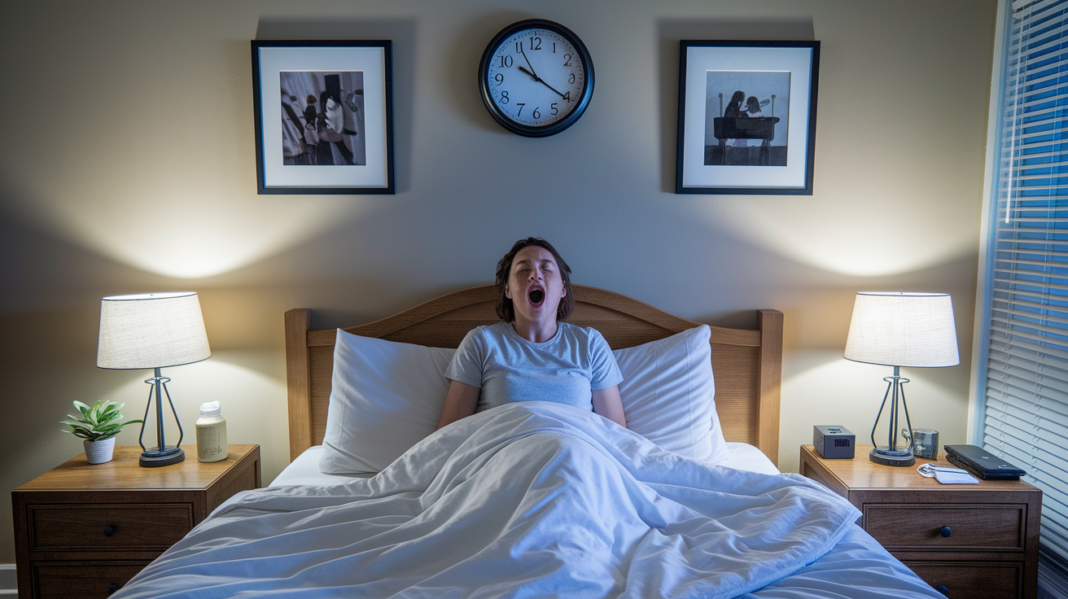

Think eight hours always wins? Not so.
Two people can both sleep eight hours. One wakes often and stays in light sleep. The other sleeps straight through. They feel very different.
Quality (how deep and continuous your sleep is) often predicts mood, focus, and health more than just the clock.
That said, hours still matter. You need enough time to cycle through deep and REM sleep (dream stage).
This post explains the difference, why quality often matters more, and what simple tracking steps to try first.
Understanding the Core Difference Between Sleep Quality and Sleep Duration

Sleep duration is just the hours you’re asleep. It’s what people mean when they ask, “Did you get enough?” Sleep quality? That’s how well you actually slept during those hours. How restorative it was.
Quality gets measured through several things: how fast you fall asleep (onset latency), whether you stay asleep or keep waking up (continuity), the percentage of time in bed you’re actually sleeping (efficiency), whether your sleep timing lines up with your circadian rhythm, how alert you feel during the day, and whether you’re cycling through all four sleep stages multiple times. Adults typically need 7 to 9 hours per night. Most people cycle through four distinct sleep stages about 4 to 6 times each night. The depth and continuity of those cycles determine how much physical repair, memory consolidation, and emotional regulation actually happens.
Sleep quality gives you the complete picture. It includes the hours you slept plus everything that makes those hours restorative or not. Two people can both sleep 8 hours. But if one wakes up five times and spends half the night in light sleep, while the other sleeps straight through and cycles properly into deep and REM stages? Completely different outcomes. Research shows that sleep quality often predicts daytime performance, mood stability, and long term health more accurately than raw hours in bed.
Six key differences between sleep quality and sleep duration:
Duration counts hours. Quality measures how restorative those hours were.
Duration can be tracked with a clock. Quality requires looking at sleep stages, awakenings, and daytime function.
You can meet the 7 to 9 hour target and still have poor quality sleep if you wake often or never reach deep stages.
Quality includes efficiency (time asleep divided by time in bed), while duration doesn’t.
Duration guidelines vary by age. Quality benchmarks (like falling asleep within 30 minutes) are more consistent across adults.
Poor quality often explains why someone sleeping “enough” hours still feels tired, wired, foggy, or irritable the next day.
Measuring Sleep Quality: Signals, Metrics, and What They Mean
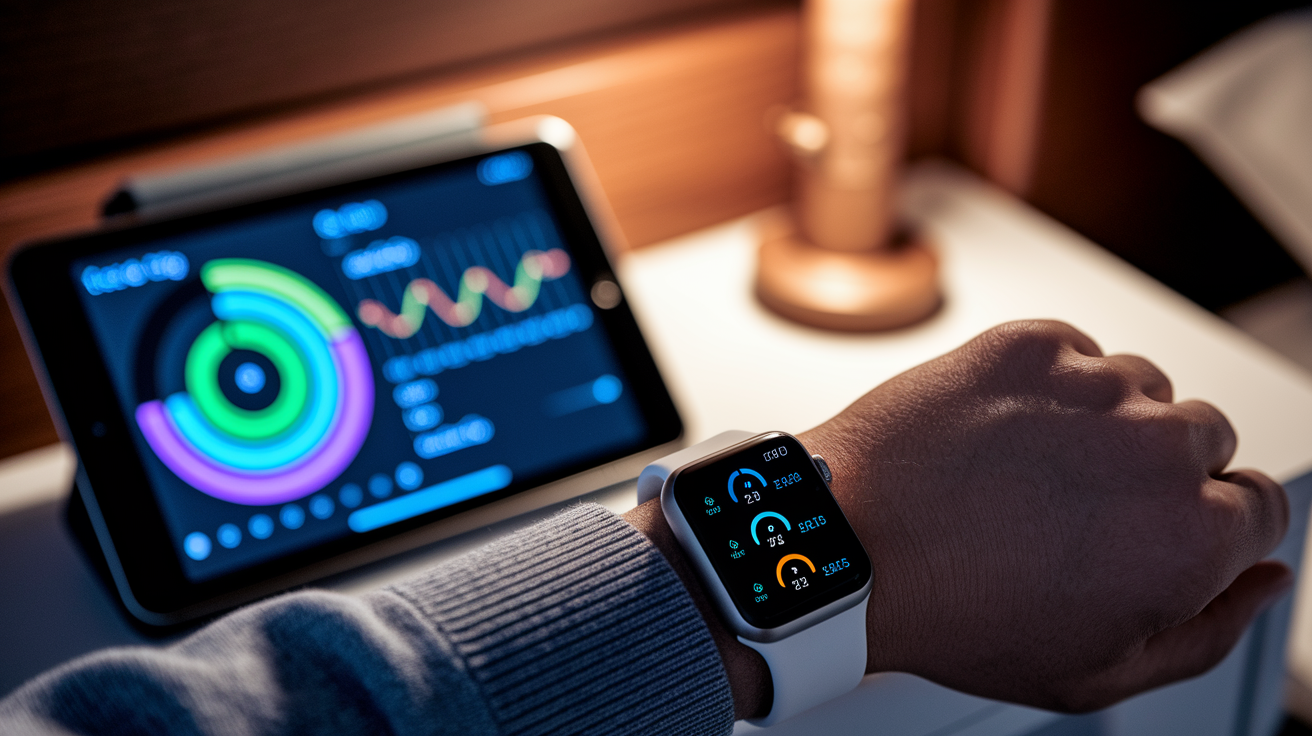
Sleep quality can be measured both objectively and subjectively. The most useful approach combines the two. Objective metrics give you concrete numbers to track: how long it takes you to fall asleep, how many times you wake up during the night, how much time you spend awake after initially falling asleep, and what percentage of your time in bed you actually spend sleeping. Subjective measures, like how refreshed you feel in the morning and whether you’re alert or foggy during the day, tell you whether those numbers are translating into real world function.
The value of tracking quality? It reveals patterns you might not notice consciously. You might not remember waking up three times for two minutes each, but a tracker or a detailed sleep diary will show that your sleep continuity is broken. When you pair that information with how you feel at 3 p.m., you start seeing the connection between interrupted sleep and afternoon brain fog or impatience.
Key Components of Sleep Quality
Sleep onset latency: How long it takes you to fall asleep after getting into bed. A typical target is within 30 minutes. If it regularly takes longer, that’s a clue that stress, caffeine timing, or circadian misalignment may be at play.
Sleep continuity and wake after sleep onset (WASO): Whether you stay asleep through the night or wake up multiple times. Quality sleep means you either don’t wake, or if you do, you return to sleep within about 20 minutes. Frequent or long awakenings reduce restorative value.
Sleep efficiency: The percentage of time in bed that you actually spend asleep. High efficiency means most of your time in bed is sleep time, not tossing, scrolling, or lying awake. Low efficiency is a sign that either sleep onset or continuity needs attention.
Deep sleep (slow wave sleep): The stage where your body repairs tissue, strengthens the immune system, and consolidates physical recovery. Too little deep sleep often shows up as sore muscles, slower injury recovery, or getting sick more often.
REM sleep: The stage tied to memory consolidation, emotional processing, and creativity. Disrupted or shortened REM sleep is linked to mood instability, trouble learning new information, and difficulty managing stress the next day.
Understanding Sleep Duration and Why Optimal Sleep Length Varies
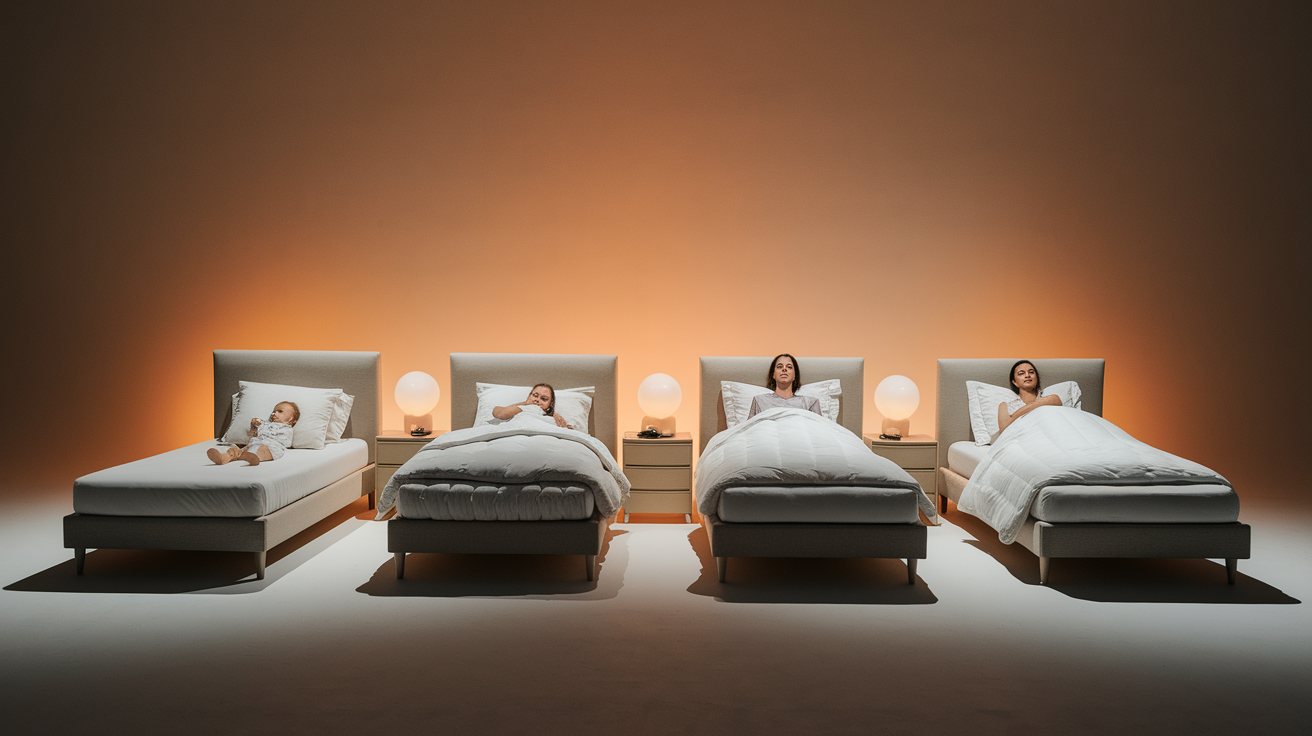
Sleep duration is straightforward. It’s the total time you spend asleep in a 24 hour period. But how much sleep you actually need varies significantly by age, activity level, health status, and even medications. Adults generally need about 7 to 9 hours per night. Teenagers need more, often 8 to 10 hours, because their brains and bodies are still developing. Toddlers need 11 to 14 hours, and infants can need up to 14 hours or more. Right now, more than one third of U.S. adults report getting less sleep than they need. That gap adds up over time.
The risks aren’t just about sleeping too little. Sleeping more than 9 hours regularly, when it’s not driven by recovery from illness or intense training, has been associated with higher risks of obesity, type 2 diabetes, and heart disease. The sweet spot for most adults is that 7 to 9 hour range, but within that range, individual variation matters. Someone who exercises intensely or works a physically demanding job may need closer to 9 hours. Someone with a sleep disorder like sleep apnea might spend 8 hours in bed but only get 6 hours of restorative sleep because of repeated breathing interruptions.
| Age Group | Recommended Hours per 24 Hours |
|---|---|
| Infants | Up to 14 hours |
| Toddlers | 11 to 14 hours |
| Teenagers | 8 to 10 hours |
| Adults | 7 to 9 hours |
How Sleep Quality and Sleep Duration Interact to Shape Health Outcomes
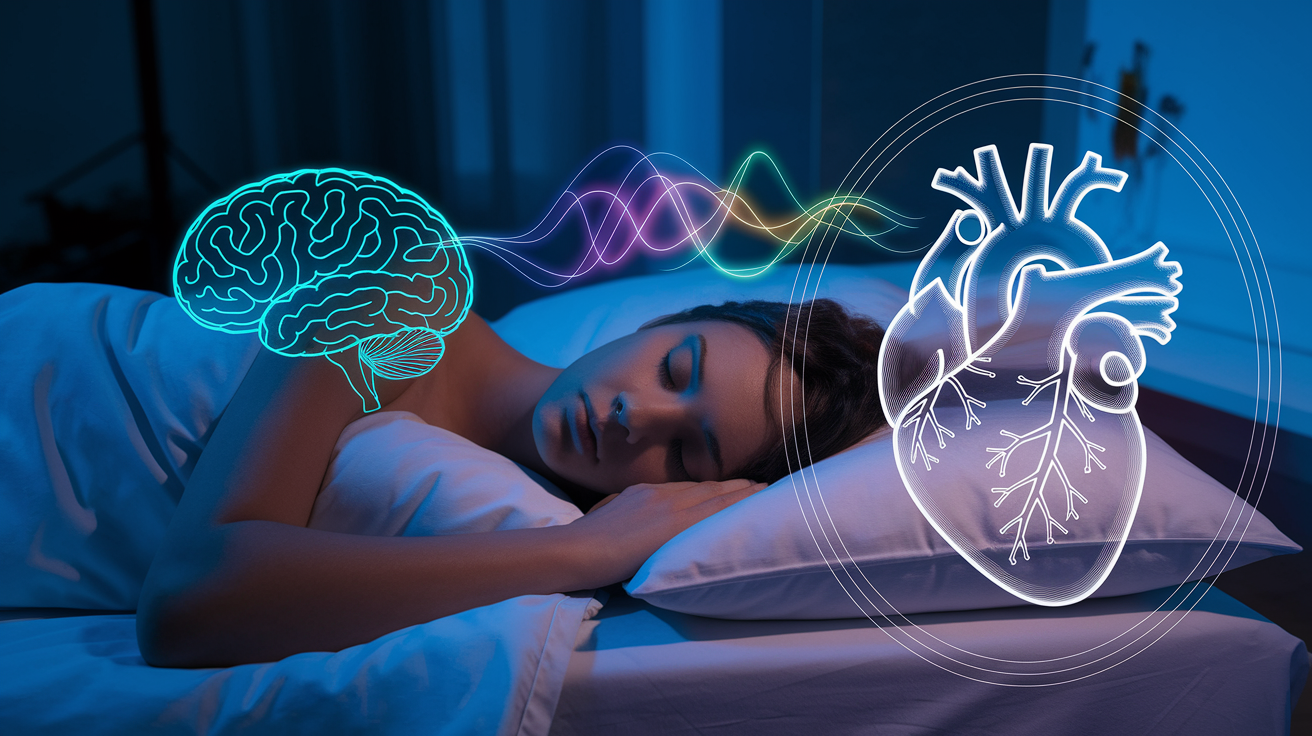
Sleep duration gives your body the time window it needs to cycle through all four sleep stages multiple times. Sleep quality determines whether you actually use that window effectively. If you’re in bed for 8 hours but you wake up five times, spend most of the night in light sleep, and only get 20 minutes of deep sleep? Your body didn’t get the repair work done. On the other hand, someone who sleeps a solid, uninterrupted 7 hours with proper time in deep and REM stages often wakes up more refreshed and performs better during the day.
The two reinforce each other. Poor sleep quality often makes people feel like they need more hours to compensate, but adding time in bed doesn’t fix fragmented or shallow sleep. Improving continuity and depth, so that each hour in bed delivers more restorative value, can make shorter sleep feel sufficient. Similarly, getting enough hours but with frequent interruptions leaves you with sleep debt that doesn’t show up on a clock. Your brain didn’t get enough REM time for memory consolidation. Your muscles didn’t get enough deep sleep for tissue repair. Your appetite regulating hormones, leptin and ghrelin, get thrown off, which is why short or poor sleep increases cravings and calorie intake the next day.
Both duration and quality shape the same health outcomes. And when both are off, the effects multiply. Cognitive performance drops. Memory formation weakens. Emotional regulation becomes harder. Small stresses feel bigger, patience runs thin, mood swings show up. Your immune system doesn’t get the overnight reset it needs, so you’re more likely to catch whatever’s going around. Metabolic health takes a hit, with increased risks for insulin resistance and weight gain. Cardiovascular strain builds over time, raising risks for high blood pressure, heart disease, and stroke.
Five health outcomes that depend on both sleep quality and duration:
Cognitive sharpness, focus, and reaction time during the day
Emotional stability, stress resilience, and mood regulation
Immune system strength and how quickly you recover from illness
Appetite control, cravings, and metabolic health (blood sugar, weight regulation)
Cardiovascular health, including blood pressure and long term heart disease risk
Tracking Sleep: Tools to Measure Quality and Duration Effectively
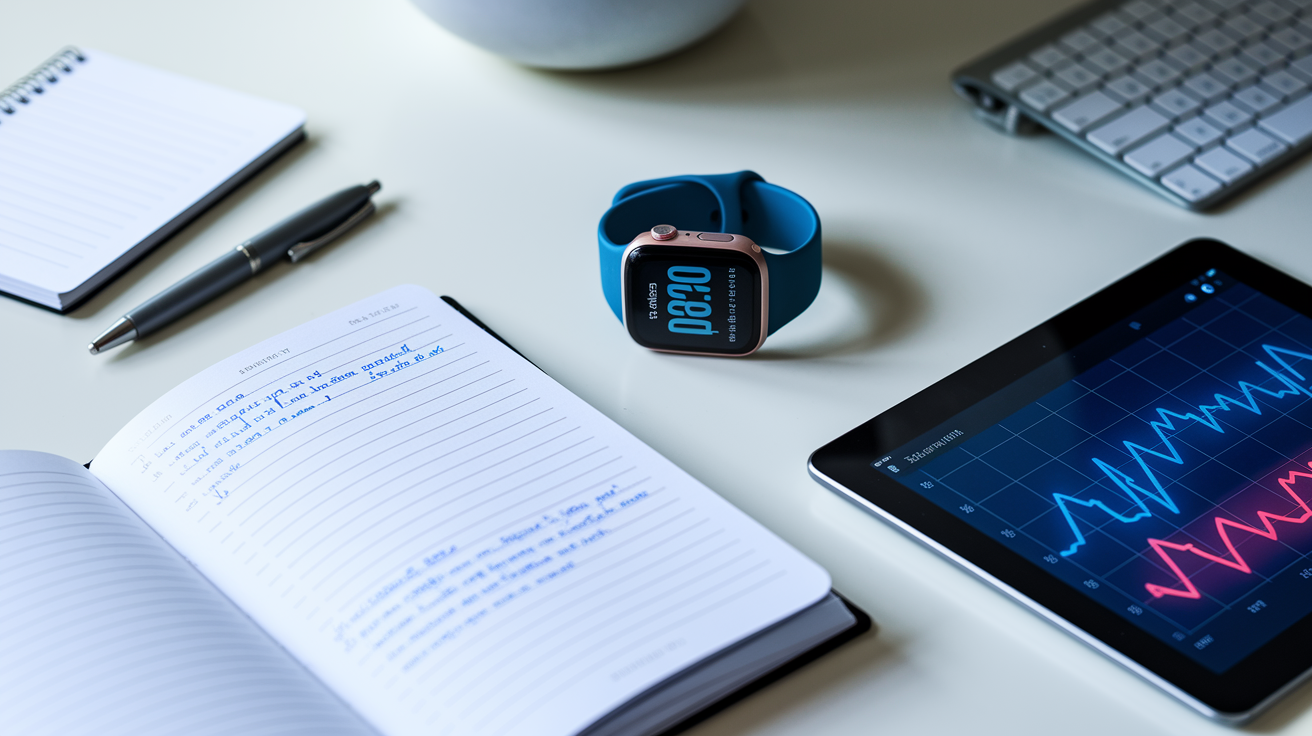
Tracking sleep helps you move from “I think I slept badly” to “Here’s what actually happened and what changed on the nights I felt better.” The simplest tool is a sleep diary. A notebook or app where you log when you went to bed, when you woke up, how many times you remember waking during the night, and how you felt the next day. It’s subjective, but over a week or two it reveals patterns you might miss night to night.
Wearable sleep trackers add objective data. Most measure movement (actigraphy), heart rate, and heart rate variability to estimate sleep stages, total duration, time awake, and disturbances. They’re not perfect. Clinical grade polysomnography, which uses sensors to measure brain waves, eye movement, and muscle activity in a sleep lab, is the gold standard. But wearables are practical for daily use and can catch patterns like restless sleep, elevated heart rate during the night, or a drop in deep sleep after a late workout or a stressful day. The best approach is to track consistently and compare the numbers with how you actually feel and function, not to obsess over hitting perfect scores every single night.
| Method | What It Measures |
|---|---|
| Sleep diary | Bedtime, wake time, subjective quality, daytime alertness, patterns over time |
| Actigraphy / wearable tracker | Movement, heart rate, HRV, estimated sleep stages, duration, awakenings |
| Polysomnography (sleep study) | Brain waves, eye movement, muscle activity, breathing, oxygen levels—clinical gold standard |
| Subjective rating scales | How rested you feel, daytime sleepiness, satisfaction with sleep |
Improving Sleep Quality: Practical Changes That Make Sleep More Restorative
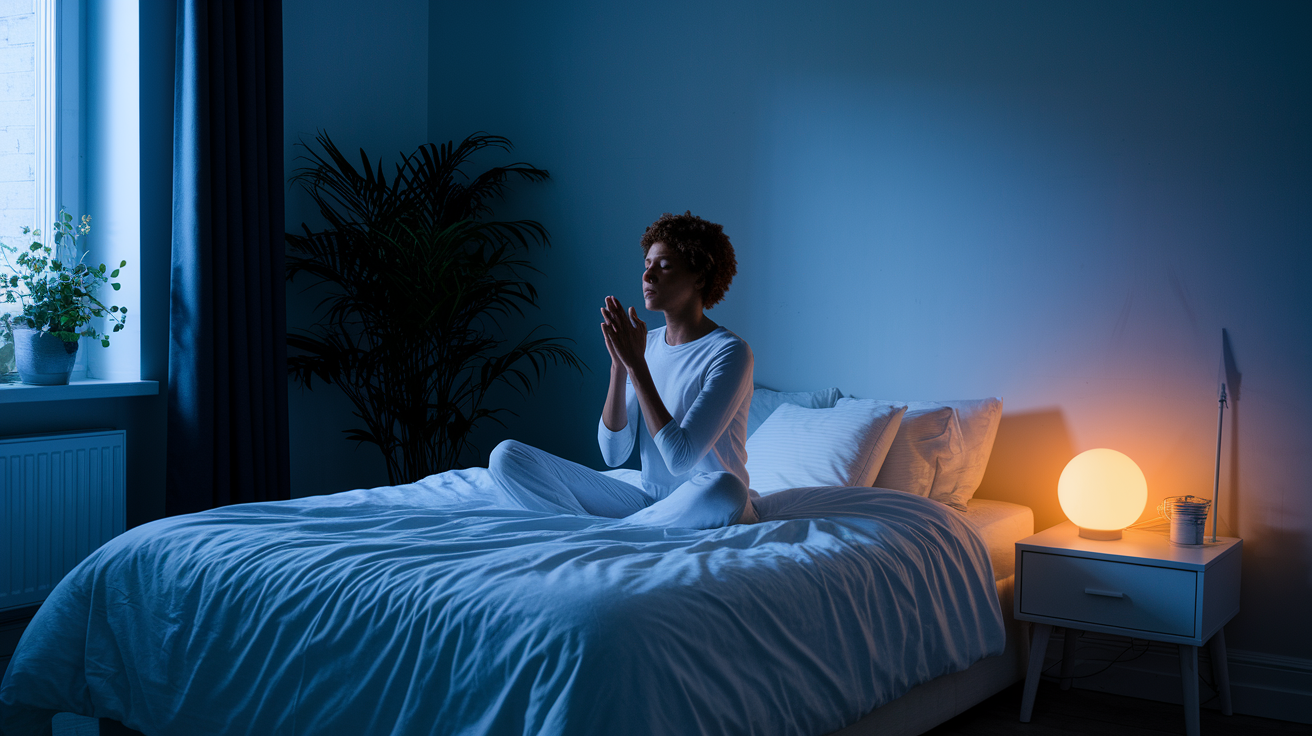
Sleep quality responds to consistency, environment, and behavior. The most effective changes are the ones you can test for a week or two and then reassess. Start with a consistent sleep schedule. Same bedtime and wake time every day, even on weekends. Your circadian rhythm thrives on predictability, and a steady schedule makes it easier to fall asleep quickly and cycle properly through all sleep stages. Limit caffeine to earlier in the day. Aim to stop at least 5 hours before bed, since caffeine has a half life of about 5 to 6 hours and can quietly disrupt deep sleep even if you feel like you fell asleep fine. Alcohol might make you drowsy at first, but it fragments sleep later in the night and reduces REM time, so dialing it back or timing it earlier improves continuity.
Exercise helps, but timing matters. Regular physical activity deepens sleep and shortens the time it takes to fall asleep, but intense workouts close to bedtime can leave you too wired. Try finishing hard training at least 3 to 4 hours before bed. Stress and mental load are major disruptors. If your mind is racing when your head hits the pillow, sleep onset stretches out and light sleep dominates the night. Simple relaxation practices before bed, like five minutes of deep breathing, a short body scan, or gentle stretching, signal your nervous system that it’s time to downshift.
Environmental and Behavioral Drivers of High Quality Sleep
Your bedroom environment has a direct impact on how deeply and continuously you sleep. Temperature matters. Most people sleep best in a room that’s cool, around 60 to 67°F (15 to 19°C). Too warm and your body struggles to drop core temperature, which is a necessary part of falling into deeper stages. Darkness is critical because even small amounts of light can suppress melatonin and shift you toward lighter, more fragmented sleep. Blackout curtains or an eye mask help. Noise is another common disruptor. If you can’t control outside sound, white noise or earplugs can keep sudden noises from pulling you out of deep or REM stages.
Behavioral anchors, like a short wind down routine that you do every night, train your brain that sleep is coming. It could be as simple as dimming the lights, putting your phone in another room, brushing your teeth, and reading for ten minutes. The key is repetition. Your nervous system learns the sequence, and falling asleep becomes faster and more automatic. Avoiding screens for at least an hour before bed reduces blue light exposure, which otherwise keeps your brain alert and delays melatonin release.
Six practical changes to improve sleep quality:
Keep the same bedtime and wake time every day, including weekends.
Stop caffeine at least 5 hours before bed and limit alcohol close to bedtime.
Make your bedroom cool (60 to 67°F), dark, and quiet. Use blackout curtains, white noise, or earplugs if needed.
Finish intense exercise at least 3 to 4 hours before bed. Light stretching or yoga closer to bedtime is fine.
Build a short, predictable wind down routine and keep screens out of the bedroom.
Practice a simple relaxation technique before bed. Deep breathing, a body scan, or five minutes of meditation to calm your nervous system.
Increasing Sleep Duration: Steps to Get Enough Hours Consistently
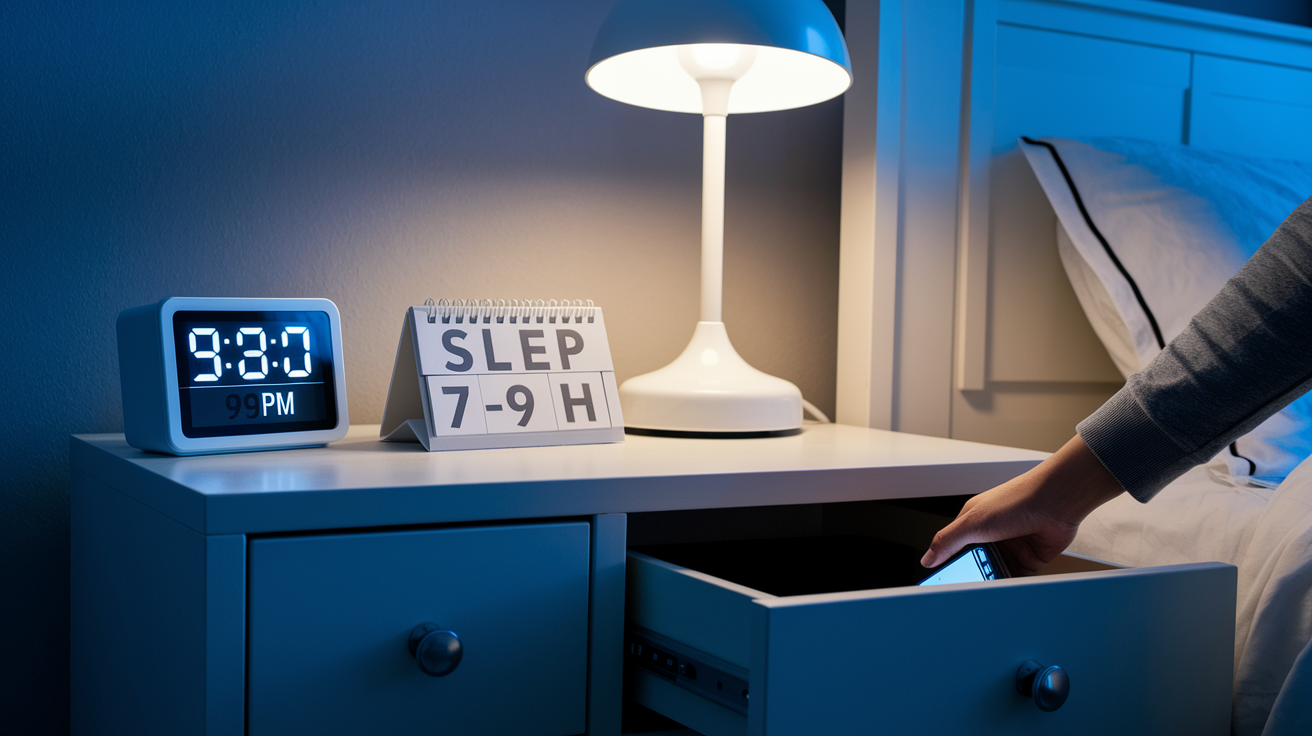
Getting more sleep starts with protecting sleep opportunity, the time window you give yourself to actually be in bed with the lights off. Many people stay up later than they intend because evening is the only quiet time they have, but that borrowed time comes directly out of sleep. If you need to wake up at 6 a.m. and you want 8 hours of sleep, you need to be in bed by 10 p.m., and that means starting your wind down routine by 9:30. It sounds obvious, but tracking when you actually get into bed versus when you planned to reveals the gap.
Sleep debt is real. It accumulates faster than most people expect. Losing an hour or two a night for a week doesn’t just make you tired. It impairs reaction time, decision making, and emotional regulation in ways that feel normal to you but show up clearly in cognitive tests. Trying to catch up on weekends helps a little, but research shows it doesn’t fully reverse the deficits. The better strategy is to prioritize duration consistently, night after night. If your schedule makes 7 to 9 hours impossible right now, even extending sleep by 30 minutes and holding that consistently can start to close the gap. Track how you feel and function after a week at the new duration, and adjust from there.
Five steps to extend sleep duration sustainably:
Calculate your target bedtime by counting backward 7.5 to 9 hours from your required wake time, then add 20 to 30 minutes for wind down and sleep onset.
Set a nightly alarm or calendar reminder 30 minutes before your target bedtime to begin winding down. Dim lights, put devices away, start your routine.
Protect that bedtime by moving non urgent tasks earlier in the evening or cutting low value screen time that eats into sleep opportunity.
Track your total sleep time and how you feel for one week at the new schedule, then adjust bedtime earlier or later by 15 to 30 minutes based on daytime alertness and mood.
Keep your wake time consistent, even on weekends, so your circadian rhythm stays stable and falling asleep at your target bedtime becomes easier over time.
Final Words
In the action we broke sleep into two pieces: how many hours you sleep and how restorative those hours feel. You learned what defines sleep quality, how duration fits in, tools to measure both, and practical steps to improve each.
Try small tests: shift bedtime 20 minutes, cut late caffeine, track wake times and daytime alertness for a week. Keep simple notes and watch for patterns.
When you track sleep quality vs sleep duration you get clearer clues about what to change, and that leads to steadier, better days.
FAQ
Q: What is more important, sleep duration or quality? What is the difference between sleep quality and sleep length?
A: Sleep quality and sleep duration differ: duration is total hours asleep, quality is how restorative those hours are (stages, continuity, alertness), and quality often predicts daytime function more than hours alone.
Q: Is 6 hours of deep sleep better than 8 hours of normal sleep?
A: Six hours of mostly deep sleep may be more restorative than eight fragmented light sleep, but most adults still benefit from 7–9 hours that include a mix of sleep stages.
Q: What is the 10 5 3 2 1 rule for sleep?
A: The 10-5-3-2-1 rule is a pre-sleep guideline that schedules staggered cutoffs before bed for heavy meals, caffeine, intense exercise, alcohol, and screens to help wind down effectively.