


Think sleep latency and sleep onset are the same? Most people do, but that’s misleading.
Sleep onset is the exact moment you nod off.
Sleep latency is the clock that runs from “lights out” to that nod-off moment.
This small difference matters: latency shows whether you’re overly sleepy or having trouble falling asleep, while onset is just the marker.
In this post we’ll clear up the terms, show normal ranges, and give two simple tracking steps you can try tonight.
The Key Difference at a Glance
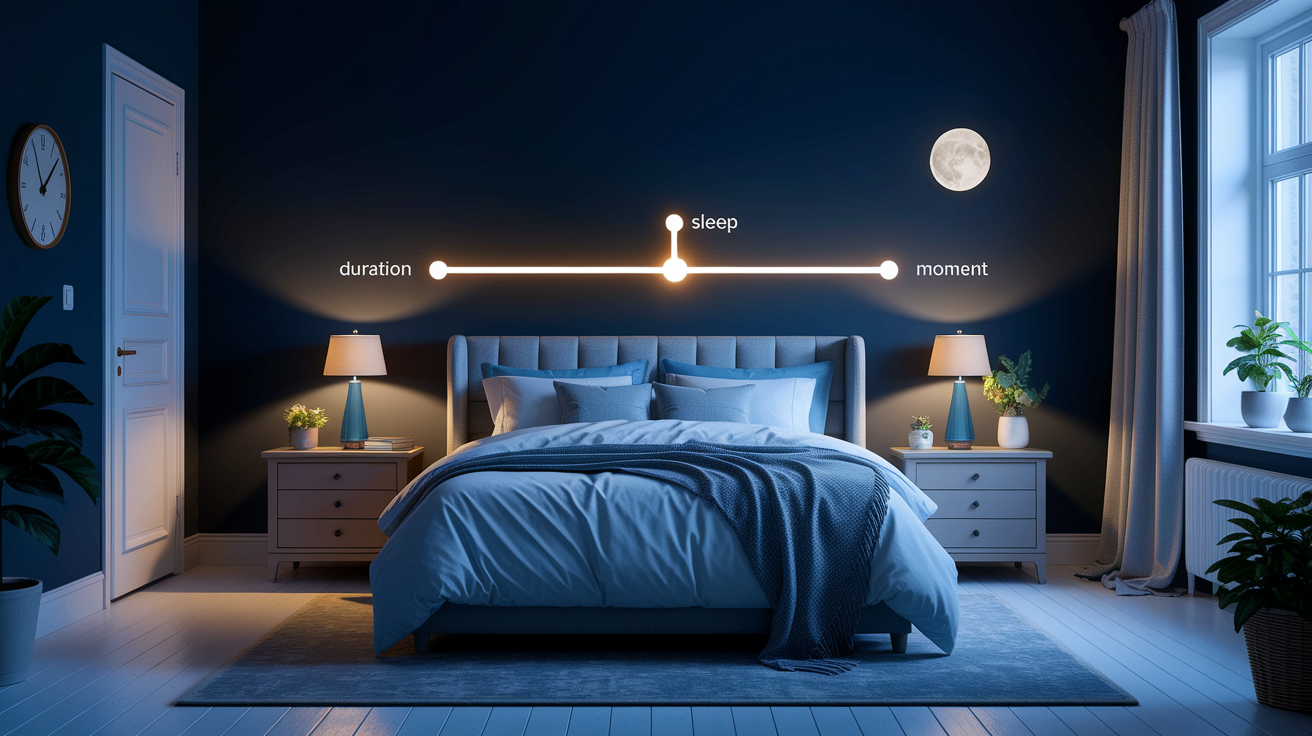
Sleep onset and sleep latency aren’t interchangeable, even though people often use them like they mean the same thing. Sleep onset is the event, the moment sleep actually begins. Sleep latency, on the other hand, is the interval of time it takes to get there. And here’s where it gets a little confusing: sleep latency and sleep onset latency are actually the same thing, just two names for that same stretch of time leading up to sleep onset.
So when you’re comparing sleep latency vs sleep onset, you’re really comparing a duration to a destination. The sleep latency definition centers on elapsed minutes. The sleep onset definition centers on a single scored point. For most healthy adults, that elapsed time runs somewhere between 10 and 20 minutes. Dip below 8 minutes and it may point to excessive sleepiness, accumulated sleep debt, or conditions like narcolepsy or idiopathic hypersomnia. Stretch past 20 to 30 minutes on a regular basis, and it could be a sign of insomnia. None of these numbers work as standalone verdicts though. They need context, history, and often other test results before they mean much.
The difference between sleep latency and sleep onset really comes down to this: one marks a moment, the other measures the wait.
| Point of Comparison | Sleep Onset | Sleep Latency |
|---|---|---|
| What it represents | The moment sleep begins | The time it takes to reach that moment |
| Event or interval | Event | Interval |
| How it’s expressed | A specific point in time | A duration, usually in minutes |
| Basic clinical role | Marks the endpoint used in latency calculations | Flags possible sleepiness or sleep onset difficulty |
How the Event and Time Interval Differ

Think of sleep onset as the destination and sleep latency as the trip to get there. One is a fixed point. The other is everything that happens between “lights out” and that point. Once you separate these two ideas, a lot of the confusion around sleep terminology starts to clear up.
Event
Sleep onset isn’t a stretch of time, it’s a specific event. It’s the scored moment when wakefulness ends and sleep begins. Nothing before or after that moment counts as sleep onset itself, it’s just the marker.
Interval
Sleep latency, though, is all about elapsed time. It’s the gap between a defined starting point and that sleep onset event. Where sleep onset is a snapshot, sleep latency is the whole stretch of film leading up to it.
Start Point
Every latency measurement needs a clear starting line. Without one, there’s nothing to measure against. That starting point can shift depending on the context. What counts as “the beginning” isn’t universal, it depends on how and where the measurement happens. The endpoint, though, stays the same: the identified start of sleep.
Endpoint
Speaking of that endpoint, sleep onset is exactly what closes out the sleep latency interval. Once sleep onset is identified, the clock on sleep latency stops. That’s what makes onset the anchor point for the entire measurement, no matter how the starting point was defined.
Terminology
Here’s the part that trips people up most. Sleep latency and sleep onset latency mean exactly the same thing. They’re used interchangeably in sleep medicine and research, describing that same interval of elapsed time. But neither term is interchangeable with sleep onset itself. Sleep onset names the event. Sleep latency, or sleep onset latency, names the journey to that event. Mixing these up is common, but understanding the distinction helps make sense of sleep reports, research findings, and clinical conversations without second guessing what’s actually being described.
Sleep Latency vs REM Latency: Related but Distinct Metrics
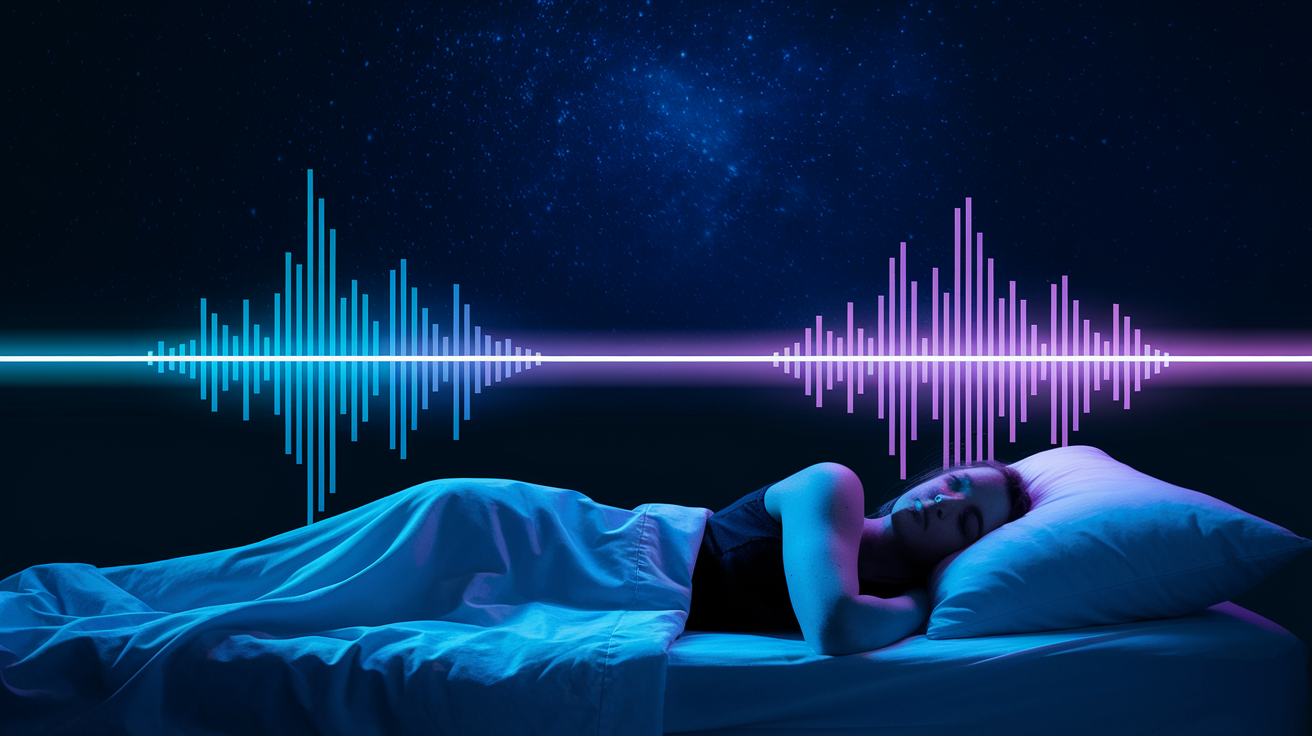
Sleep latency and REM latency sound similar, but they’re measuring two different finish lines. Sleep latency covers the interval from the defined starting point to that first moment of sleep onset. REM latency keeps going. It measures the time from that same starting point all the way to the first REM episode, which happens later in the night. So sleep latency isn’t replaced by REM latency, it’s actually the opening chapter. That first stretch of falling asleep is baked into the longer timeline that eventually leads to REM.
Why does this matter? Because an unusually short REM latency can carry real clinical weight. It’s one of the patterns clinicians watch for when narcolepsy is suspected, since entering REM sleep unusually fast is one of its hallmark signs. Sleep latency and REM latency, then, aren’t competing metrics. They’re connected checkpoints along the same road, just measuring different distances.
How Sleep Latency and Sleep Onset Are Measured

Any method for measuring sleep latency needs two things: a clearly defined starting point and a way to identify, or estimate, when sleep onset actually happens. How that identification happens, though, varies a lot depending on the tool.
Polysomnography and EEG Scoring
Polysomnography is the gold standard here. It tracks brain activity, eye movements, and muscle tone all through the night using sensors connected to the scalp, face, and body. EEG scoring is what identifies the actual shift from wakefulness into the first officially scored sleep stage, based on specific brain wave patterns. Once that shift is identified, the elapsed time from the study’s defined starting point (typically lights out) to that scored transition becomes the sleep latency figure. It’s precise, physiological, and considered the most direct way to pin down sleep onset.
Actigraphy
Actigraphy takes a much simpler approach. It’s a wearable device, usually worn on the wrist, that estimates sleep and wake periods based on movement patterns over time.
Final Words
in the action, sleep onset and sleep latency are not interchangeable: sleep onset is the actual moment sleep begins, while sleep latency, or sleep onset latency, is the time it takes to get there.
Most adults fall asleep in about 10 to 20 minutes. Falling asleep in under 8 minutes can signal too much sleepiness, while taking more than 20 to 30 minutes may point toward trouble falling asleep.
Keep tracking the basics and compare sleep latency vs sleep onset. Small tests over a week can reveal a useful pattern and guide your next step.
FAQ
Q: What is the 3-3-3 rule for sleep?
A: The 3-3-3 rule for sleep is not a formal medical term; it’s a casual rule-of-thumb used differently by parents and coaches—often about infant wake windows or quick sleep-reset steps—check the source for its exact meaning.
Q: Is 1 minute sleep latency bad?
A: A 1-minute sleep latency means you fell asleep in about one minute, which often signals excessive sleepiness or sleep debt; if it’s regular, track it and discuss with a clinician.
Q: What is the forbidden hour of sleep?
A: The forbidden hour of sleep is not a standard clinical concept; it’s a cultural or pop phrase sometimes claiming one hour is best avoided for sleep, but it has no universal medical definition.
Q: What is a healthy sleep latency?
A: A healthy sleep latency for adults is about 10 to 20 minutes; under ~8 minutes may suggest excessive sleepiness, while over 20–30 minutes can point toward insomnia, interpreted alongside clinical context.