

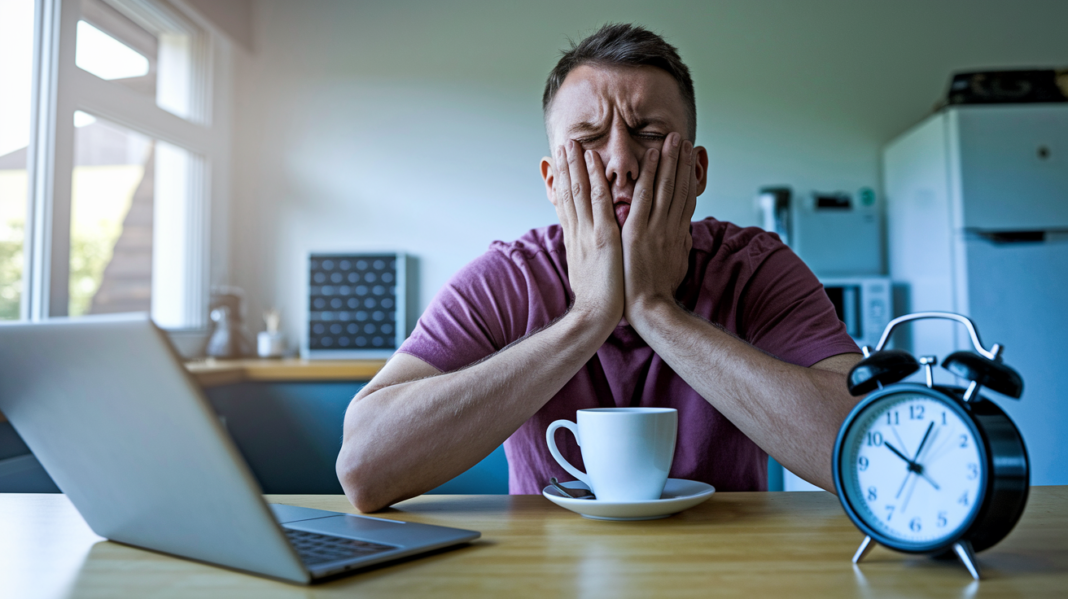

What if eight hours in bed still leaves you wrecked?
Most people count hours, but sleep quality, how continuous and restorative your sleep is, matters more.
Poor sleep quality shows up as taking forever to fall asleep, waking several times, breathing interruptions, or dragging through the day with brain fog and cravings.
This quick checklist points out the nighttime and daytime warning signs, helps you spot patterns, and gives small, testable next steps to try.
If problems are sudden, severe, or getting worse, check with a clinician.
A Quick Checklist of Poor Sleep Warning Signs
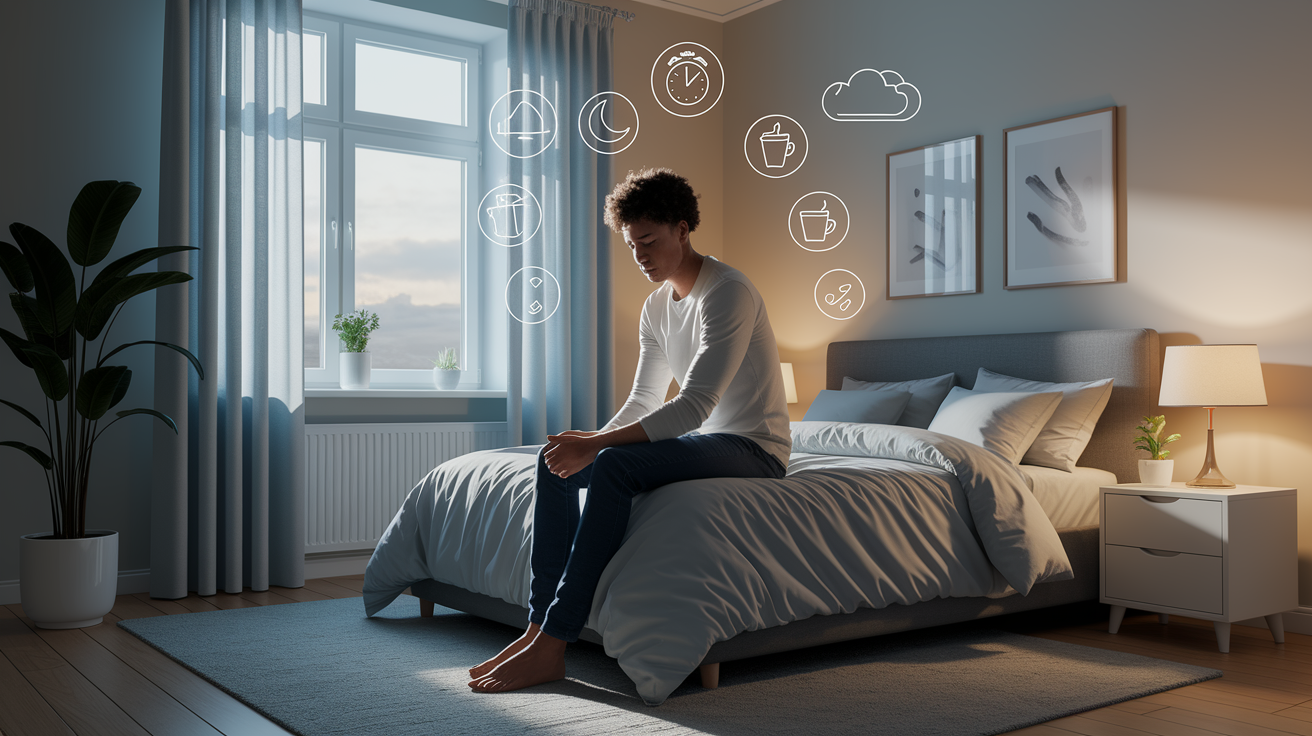
You might have poor sleep quality if you regularly wake up feeling unrefreshed, or if your days feel foggy and heavy even after spending plenty of time in bed. It’s worth pausing here to make an important distinction. Poor sleep quality is about how restorative and uninterrupted your sleep actually is, while sleep quantity is simply about the number of hours you log. You can rack up eight hours and still feel wrecked. Here’s how to tell the difference if you’re not sure which one applies to you.
So what does poor sleep quality actually look like? Some signs show up at night, others follow you into the day. Here’s what to watch for.
Nighttime indicators:
- Taking more than 30 minutes to fall asleep
- Waking more than once during the night
- Taking more than 20 minutes to fall back asleep after waking
- Waking too early and being unable to resume sleep
- Snoring, gasping or choking during sleep
- Repeated nighttime bathroom visits
- Waking with a headache or dry mouth
- Feeling unrefreshed after seven or more hours in bed
Daytime indicators:
- Daytime sleepiness, yawning or heavy eyes
- Brain fog, forgetfulness or poor concentration
- Irritability, anxiety or low motivation
- Increased hunger, cravings or reliance on caffeine
An occasional rough night happens to everyone. Stress, a late dinner, an unfamiliar hotel bed, these things pass. What matters more is whether these sleep problems show up repeatedly, cluster together, or start affecting your safety during the day.
This checklist won’t diagnose anything. It’s meant to help you notice patterns, think of it as a starting point. The sections ahead dig into what these signs might mean and why they happen, without repeating the full list every time.
How Sleep Quality Differs From Sleep Quantity

Sleep quantity is the easy part to measure. It’s just the total hours you spend asleep each night. Most adults need at least seven hours to function well, and consistently getting less is what’s called short sleep duration. It’s a simple number, but it only tells part of the story.
Sleep quality is trickier to pin down because it’s about how continuous, efficient and restorative that sleep actually is. Sleep continuity asks whether your night unfolds without repeated or drawn out interruptions. Sleep efficiency takes this a step further with an actual number. Divide the time you spent asleep by the total time you spent in bed, then multiply by 100. Drop below 85% and that’s often a sign of fragmented sleep, even if your total hours look fine on paper.
Here’s the tricky part. These two measures don’t always move together. Someone might sleep a full eight hours but wake up exhausted because that sleep was constantly interrupted. Someone else might sleep continuously and peacefully, but only for five hours, so they’re still running short. And some people deal with both problems stacked on top of each other, short and disrupted. Time in bed isn’t the same thing as time actually asleep, and that gap is where a lot of poor sleep quality hides.
| Measure | Generally Restorative Pattern | Possible Poor Quality or Insufficient Pattern |
|---|---|---|
| Total sleep duration | 7 or more hours | Less than 7 hours regularly |
| Sleep onset | Falls asleep within 30 minutes | Takes longer than 30 minutes most nights |
| Sleep continuity | Rarely wakes, or resettles quickly | Wakes more than once, stays awake 20+ minutes |
| Restoration after waking | Feels refreshed and alert | Feels groggy despite adequate time in bed |
| Sleep efficiency | 85% or higher | Below 85% |
Nighttime Patterns Linked to Insomnia and Sleep Disorders
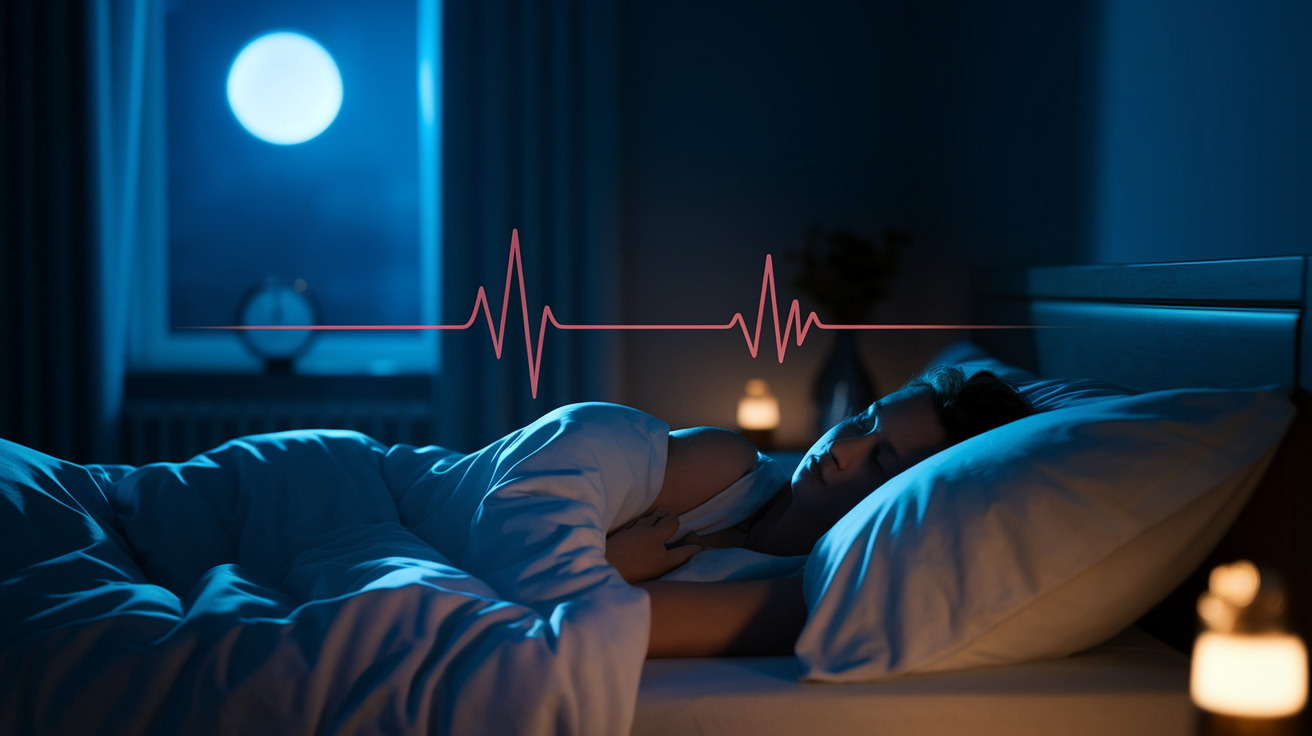
A single restless night doesn’t mean much on its own. What tells a more useful story is frequency, how signs combine with each other, when they happen, and whether the pattern is changing from what’s normal for you. A person who suddenly starts waking gasping three nights a week is in a very different situation than someone who occasionally tosses and turns after a stressful day.
Insomnia Patterns and Sleep Related Anxiety
Insomnia doesn’t look the same for everyone. Some people struggle to fall asleep in the first place, known as sleep onset insomnia. Others fall asleep fine but wake repeatedly through the night, which is sleep maintenance insomnia. And some wake far earlier than they intended and can’t get back to sleep, a pattern that can also show up alongside mood disorders, shifting circadian rhythms, or something as simple as a noisy street outside the window. Stress and anxiety can feed all three types, and ironically, worrying about not sleeping often becomes its own obstacle. A kind of conditioned alertness that kicks in right as your head hits the pillow.
Breathing Disruption During Sleep
Obstructive sleep apnea happens when the soft tissues in the throat relax during sleep and narrow or fully block the airway. The brain senses this and briefly rouses the body enough to reopen the airway, but often the sleeper has no memory of it happening. This is what makes OSA tricky to self identify. Clues that point toward something more concerning than ordinary snoring include breathing pauses that a partner has actually witnessed, snoring that worsens specifically when lying on your back, and the
Final Words
In the action, this post gave a clear 12-item checklist, explained how sleep quality differs from hours asleep, walked through nighttime patterns and daytime effects, and mapped common causes plus tracking tips.
Keep watching the signs of poor sleep quality, use the track-adjust-reassess steps, and review two to four weeks of notes. Small, steady changes often reveal useful patterns and lead to noticeably better mornings.
FAQ
Q: How do I tell if my sleep quality is poor?
A: You can tell your sleep quality is poor if you regularly wake unrefreshed despite enough time in bed, take over 30 minutes to fall asleep, wake repeatedly, or have daytime sleepiness, fog, mood or appetite changes.
Q: What does lack of sleep cause?
A: Lack of sleep causes daytime sleepiness, poor concentration, slower reactions and mood swings, and over time can shift hunger signals, raise weight and metabolic risks, and worsen mental health for many people.
Q: Why can’t I fall asleep even though I’m tired?
A: You can’t fall asleep even though you’re tired because stress or worry, late caffeine or alcohol, bright screens, an irregular schedule, pain or conditioned alertness can keep your brain wired and delay sleep.
Q: How to survive on 4 hours of sleep?
A: You can survive one short night of four hours by treating it as temporary: take a 20 to 30 minute nap, time caffeine early, avoid driving if drowsy, stick to simple tasks, and plan recovery sleep.