


Think pale urine always means you’re well hydrated? Think again.
Your urine color comes from a pigment called urochrome, but hormones, foods, vitamins, and medicines can change the shade, sometimes without any link to how much you drank.
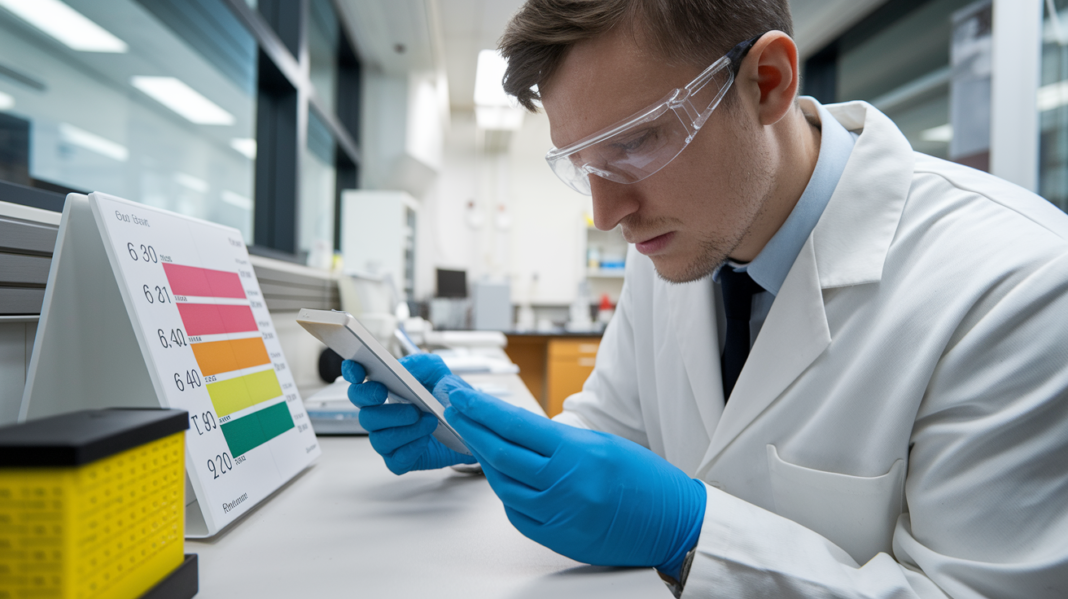
This chart shows what common colors often point to, which biological or external factors usually cause them, and simple next steps you can test and track at home.
Read on to learn how to tell hydration from other causes, and one easy check to try before you worry.
Understanding Biological and External Factors Behind Urine Color Changes
Your urine gets its color from urochrome, a yellow pigment your body makes when it breaks down old red blood cells. When you’re drinking enough water, your kidneys release more fluid into your bladder. That dilutes the urochrome and lightens things up. Drink less and your kidneys hang onto water to keep your blood volume steady, so the urochrome gets concentrated and the color deepens.
Your kidneys act like smart filters. They’re constantly adjusting how much water gets pulled back into your bloodstream versus how much heads to your bladder. Hormones like vasopressin signal your kidneys to conserve water when dehydration’s creeping in. The result? Darker, more concentrated urine when fluid is scarce. Paler when you’ve been drinking plenty.
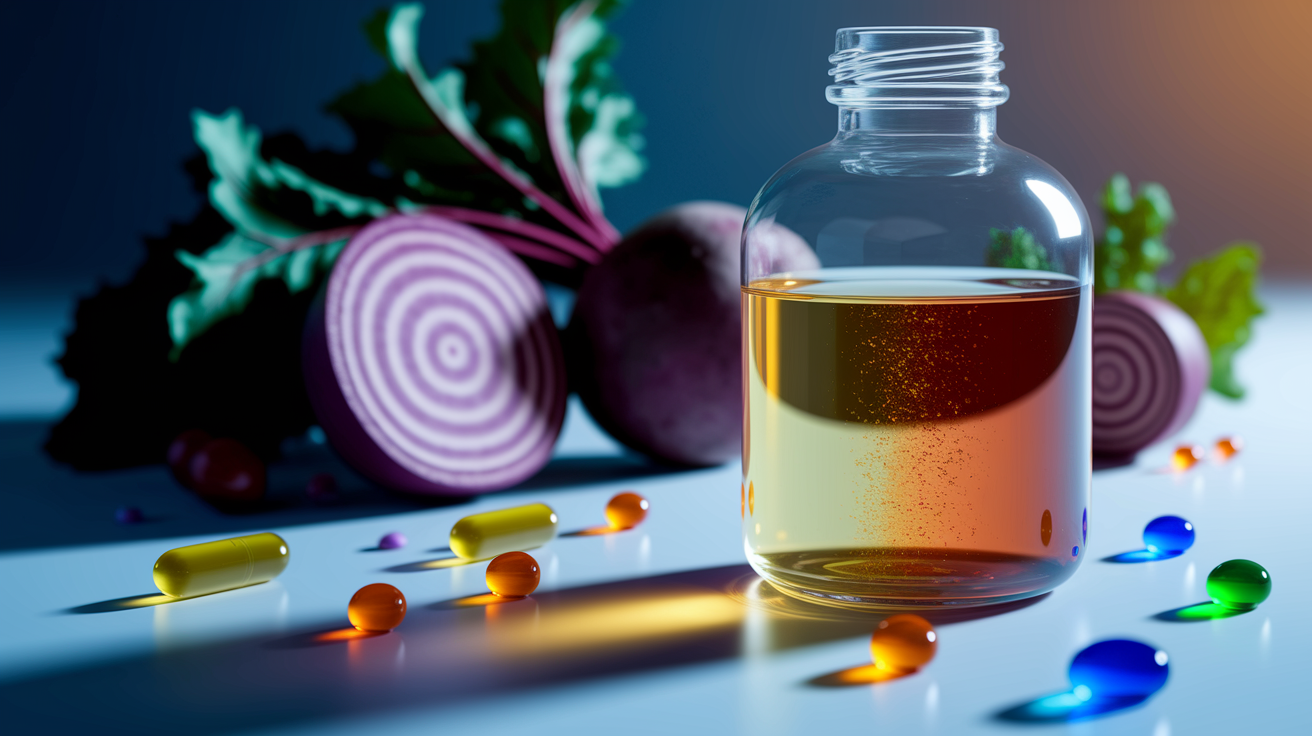
Certain foods bring their own pigments along for the ride. Beetroot has betalains that can tint urine pink or reddish. Fava beans release compounds that might produce a brownish shade. Artificial food dyes, especially red, blue, and green, can pass through your kidneys almost untouched and show up in the toilet bowl a few hours after you eat or drink them.
B vitamins, especially riboflavin (B2), are notorious for turning urine bright, almost neon yellow. Your body grabs what it needs and flushes out the rest, which carries that vivid color with it. Take a multivitamin or B complex supplement in the morning? Don’t be shocked when your next bathroom trip looks like highlighter ink.
Medications can completely override normal pigment patterns. Phenazopyridine, used for urinary pain relief, produces an unmistakable orange. Rifampin, an antibiotic for tuberculosis, can create reddish orange urine. Sulfasalazine, prescribed for inflammatory bowel disease, may turn urine dark yellow to orange. Propofol and indomethacin have been reported to cause greenish tints.
Metabolic changes shift color too. High bilirubin from liver stress can produce dark amber or brown urine. Porphyria, a rare enzyme disorder, may create reddish or port wine colored urine. Rhabdomyolysis releases muscle proteins into the bloodstream after severe injury or overexertion, which can result in tea colored or cola dark urine.
Non-hydration contributors to urine color:
- Beetroot, blackberries, rhubarb — pink or red tints
- Riboflavin (B2) and high dose B vitamins — bright yellow or neon yellow
- Phenazopyridine, rifampin, sulfasalazine — orange or reddish orange
- Propofol, indomethacin, artificial blue/green dyes — blue or green shades
- Bilirubin, porphyrins, myoglobin — brown, dark amber, or tea colored urine
Final Words
We walked through the main reasons urine color changes: natural pigment levels like urochrome, how the kidneys concentrate urine, and how dehydration makes colors stronger.
We also covered how foods (beets, dyes), B vitamins and other supplements, and certain medications can tint pee. And we noted non-hydration tints, things that aren’t about water.
Use a urine color hydration chart as a simple clue, but pair it with notes about meals, pills, and timing. Track a few days and you’ll spot patterns and feel more in control.
FAQ
Q: What color should my pee be if I’m hydrated?
A: The color your pee should be when you’re hydrated is generally pale yellow to almost clear, showing dilute urine; track patterns with your fluid intake and see a clinician for sudden or persistent changes.
Q: What color is urine with low electrolytes?
A: Urine with low electrolytes tends to be very pale or clear, reflecting dilution, but color alone can’t confirm electrolyte levels; check symptoms and get lab tests for an accurate assessment.