


If you think sore muscles are the best sign of a good workout, think again.
Recovery shows up in simple signals you can track each morning: heart rate variability, known as HRV, resting heart rate, sleep quality, muscle soreness, and quick strength or power checks like a grip squeeze or jump.
This post gives step by step low tech methods to measure those signals, build your personal baseline, and spot when your body needs rest or when it’s ready to push.
Treat these as small experiments, watch the patterns, and use them to choose your next session.
Key Indicators That Show Your Body Has Recovered
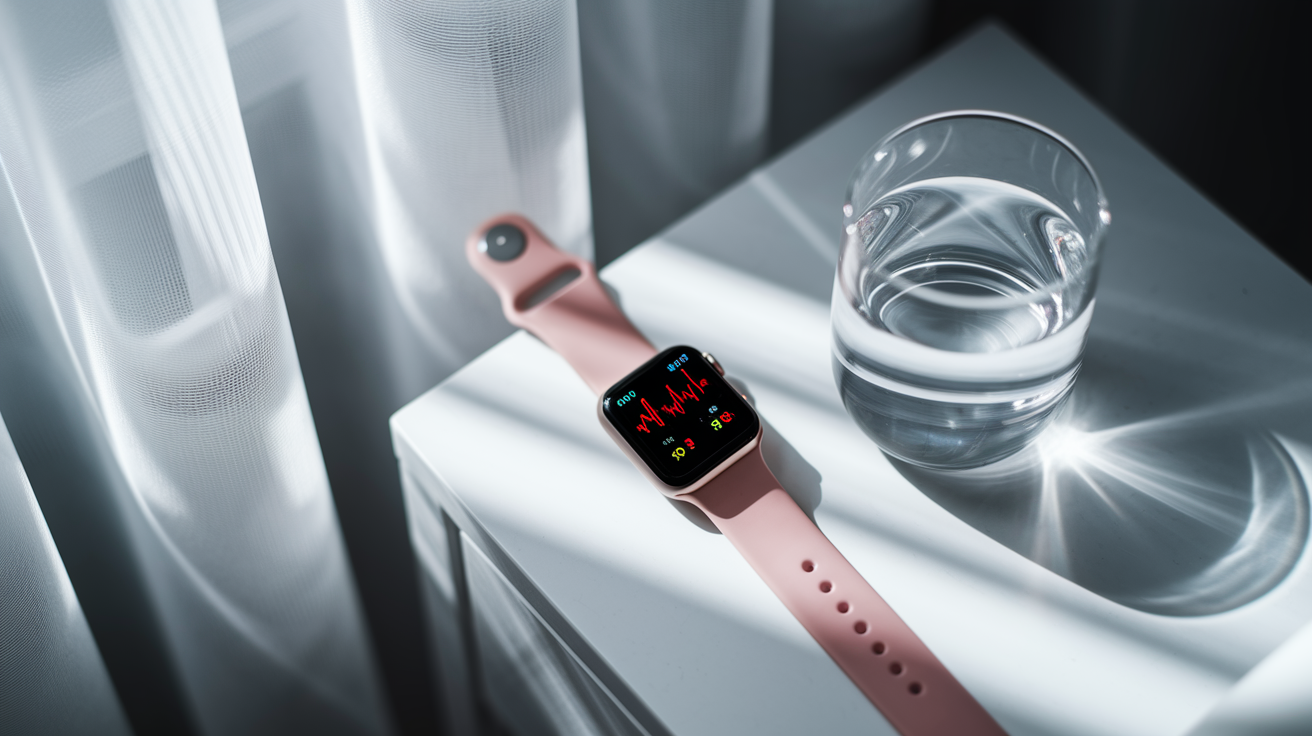
Recovery shows up in patterns you can catch before your next workout. Heart rate variability tracks how your nervous system balances rest and stress. When your HRV reads higher than your personal baseline, your parasympathetic system’s handling recovery well. Resting heart rate drops back to normal once training stress resolves, so an elevated morning pulse usually means your body’s still processing yesterday’s session. Sleep duration and quality directly shape how fast muscle tissue repairs and hormone systems rebalance. A night that feels unbroken and leaves you alert? That’s a strong recovery signal.
Muscle soreness tells part of the story. Moderate soreness that fades within 48 to 72 hours indicates normal tissue adaptation. When soreness lingers beyond that window or feels severe on a 0 to 10 scale, your muscles haven’t finished rebuilding. Simple strength checks catch neuromuscular fatigue early. Grip strength measured each morning with a bathroom scale squeeze or a handheld device reveals central nervous system readiness. A noticeable drop from your baseline, often 10 to 15 percent or more, suggests incomplete recovery even if you feel fine otherwise.
Mood, energy, and motivation shift with recovery status. If you wake up irritable, foggy, or dreading movement that usually feels good, those are clues your system needs more rest. Consistent energy through the day and steady focus at work or home signal that your stress load and recovery capacity are balanced. Tracking these markers together creates a clearer picture than any single number alone.
Quick readiness checks:
- HRV reading that matches or exceeds your personal baseline average
- Resting heart rate within 3 to 5 beats of your established morning normal
- Muscle soreness rated 3 or lower on a 10 point scale, with steady improvement over 48 hours
- Sleep totaling 7 to 9 hours with few wake ups and a refreshed feeling upon rising
- Grip strength holding steady compared to your Monday or post rest day baseline
- Alert mood, normal appetite, and motivation to train without forcing yourself
Understanding HRV as a Recovery Metric
Heart rate variability measures the time gaps between individual heartbeats. Those gaps widen when your parasympathetic nervous system dominates, a state linked to rest, digestion, and tissue repair. Higher HRV after waking typically means your body’s processed training stress and returned to a recovered state. Lower HRV points to sympathetic dominance, the fight or flight mode that persists when stress outpaces recovery. A single low reading doesn’t define your status. What matters is how today’s number compares to your rolling average over the past week or two. A drop of 10 to 20 percent below your baseline suggests your system’s still managing fatigue, infection, emotional stress, or residual training load.
HRV varies widely between people. One athlete’s baseline might sit at 50 milliseconds while another’s hovers at 120. Age, fitness history, genetics, and even breathing patterns influence your range. That’s why you track your own trend instead of comparing to population norms. Establish your baseline by recording HRV every morning for one to two weeks during a period of normal training and life stress. Morning readings taken right after waking, before you stand or check your phone, give the most stable data. Lie still, measure for one to five minutes using a chest strap or wrist sensor paired with an HRV app, and log the result.
Consistency in timing and measurement method keeps your data clean. Use the same device and body position each day. If your HRV dips on a single morning but returns to baseline the next day, that’s normal noise. When it stays suppressed for three or more consecutive days, consider dialing back workout intensity, adding an extra rest day, or investigating sleep quality, hydration, and stress levels outside the gym.
Resting Heart Rate and Its Role in Measuring Recovery

Resting heart rate tracks how hard your heart works when you’re completely at rest. Measure it first thing in the morning, before you get out of bed, by finding your wrist pulse and counting beats for 60 seconds. Record the number in a simple log or note app. Over a few days, you’ll see your normal range. Most people vary by only two to four beats day to day when well rested.
An elevated morning resting heart rate signals that your body’s managing extra stress. If your usual baseline is 55 beats per minute and you wake up at 63, that eight beat jump suggests incomplete recovery, the start of illness, dehydration, or mental stress. A spike of 6 to 9 beats above normal is a yellow flag. You can train that day, but keep intensity light and duration short. A jump of 10 or more beats is a red flag. Skip hard efforts, sleep longer if possible, and give your system time to settle before pushing again.
Long term trends matter as much as daily spikes. As your fitness improves over weeks and months, your resting heart rate will gradually decline. A drop from 60 to 54 beats per minute over eight weeks of consistent training reflects positive cardiovascular adaptation. That downward trend also means you recover faster from individual sessions. Track both your baseline average and your day to day variation. When your heart rate creeps upward over several days without an obvious training spike, review your sleep hours, meal timing, hydration habits, and non exercise stressors like work deadlines or relationship tension.
Measuring Recovery Through Muscle Soreness and Mobility
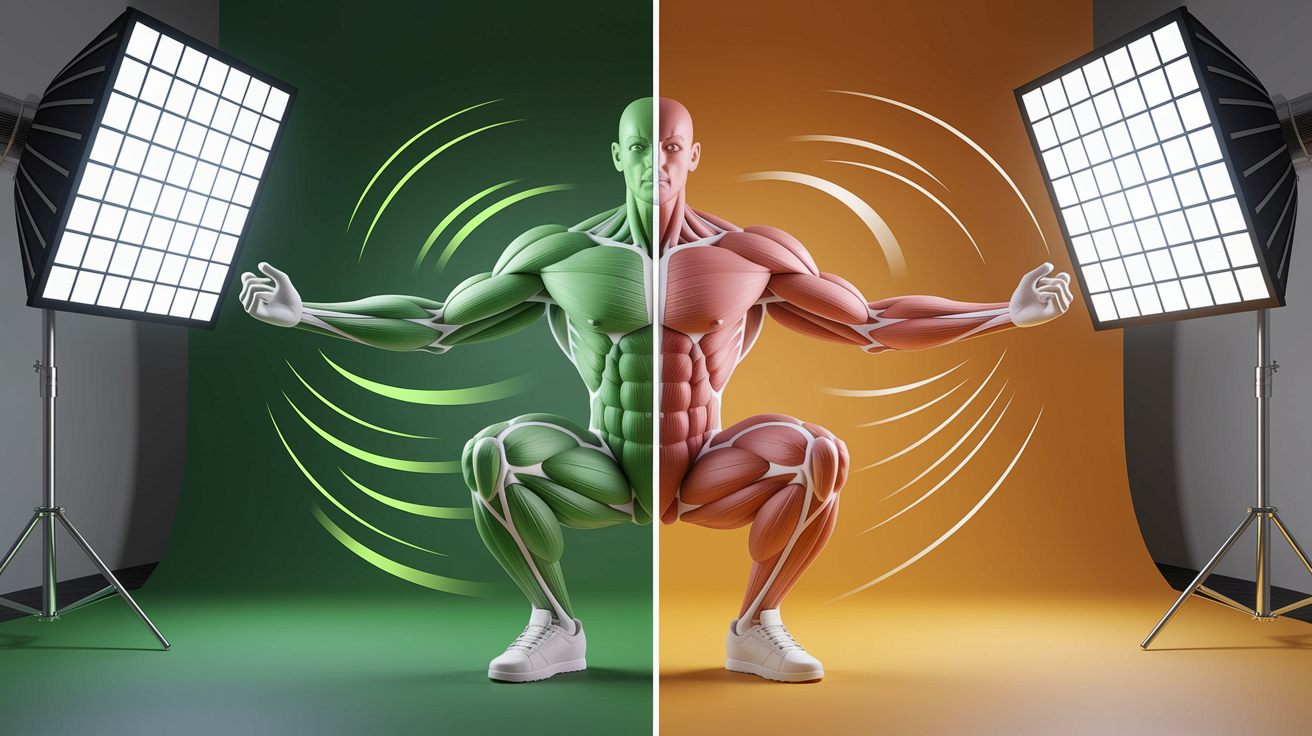
Delayed onset muscle soreness typically peaks 24 to 72 hours after a hard workout and then fades as tissue repairs. Use a simple 0 to 10 scale to rate soreness each morning. Zero means no discomfort, ten means you can barely move. Moderate soreness, a rating of three to five, is normal and doesn’t block your next session if other recovery markers look good. Persistent high soreness, seven or above, that lasts beyond 72 hours or worsens instead of improving points to incomplete healing or training load that exceeded your current capacity.
Mobility checks reveal how well your joints and connective tissue have bounced back:
- Deep bodyweight squat. Can you descend to parallel or below with heels down and torso upright, without sharp pulling or tightness?
- Hip hinge. Does bending at the hips to touch your shins or the floor feel smooth, or do your hamstrings and lower back feel locked?
- Shoulder rotation. Can you lift both arms overhead and rotate them through full circles without catching or pain?
- General tension level. Do your muscles feel pliable when you press into them, or do they feel dense and unyielding even during gentle movement?
Interpret these checks as one piece of the recovery puzzle, not a pass fail test. If soreness is mild but your squat depth has dropped noticeably since yesterday, your muscles may still be guarding. If soreness has eased but your hips feel stiff, a light movement session or extra stretching may help more than another rest day. Combine mobility feedback with your heart rate, HRV, and sleep data to decide whether to train hard, go easy, or rest completely.
Performance Based Tests for Assessing Readiness

Repeatable performance tests catch fatigue that subjective feelings might miss. Your central nervous system and neuromuscular junctions tire before your motivation does, so small drops in explosive power or maximal force output reveal incomplete recovery even when you feel ready to push.
Grip Strength Test
Grip strength reflects whole body neuromuscular readiness. Test it every morning after measuring resting heart rate. Use a handheld dynamometer if you have one, or press a bathroom scale against a wall and squeeze as hard as you can with one hand, recording the peak reading. Another low tech option is to squeeze a tennis ball or grip trainer and rate the effort on a 0 to 10 scale. Perform three attempts with each hand and average the results. Record your best effort baseline on a Monday or after a full rest day, then retest each subsequent morning. A drop of 10 to 15 percent or more from your baseline suggests your nervous system hasn’t fully recharged. If grip strength falls and stays low for two or three days, reduce training intensity or take an extra recovery day before your next hard session.
Fast Power Tests
Vertical jump height and short explosive efforts like a standing broad jump or a single medicine ball toss measure how quickly your nervous system can recruit muscle fibers. Mark a wall or use a Vertec device and record your best jump height on a recovered day. Retest before key workouts. A consistent drop of two to three inches or more compared to your baseline indicates central fatigue. Bar speed on a light clean or snatch pull, timed with a phone app or velocity tracker, works the same way. When your fastest rep speed on a standard warm up weight slows by 10 percent or more, your power output has dropped and your body needs more recovery time.
Track these tests weekly or before high intensity sessions, not every single day. Use the pattern over time rather than reacting to one off number. If performance tests stay steady or improve while subjective markers like mood and sleep also look good, you’re recovered and ready to train hard.
Final Words
Start by checking simple signals: morning HRV vs baseline, resting heart rate, sleep quality, soreness, and a quick strength or mobility test.
This post walked through the key indicators: HRV for nervous system readiness, morning RHR, DOMS and mobility checks, and quick performance tests like grip strength or a jump.
Use these cues as a short routine to track trends, because this is how to measure workout recovery in a way you can act on. Try one small test for a few days and you’ll start spotting useful patterns that help you train smarter.
FAQ
Q: How to measure exercise recovery?
A: Measuring exercise recovery means tracking a few quick signs: morning HRV and resting heart rate vs your baseline, sleep quality, muscle soreness, mobility, and simple strength tests like grip or vertical jump.
Q: What is the 3-3-3 rule for workout?
A: The 3-3-3 rule for workouts most often means three sets of three reps, a low-rep strength template that emphasizes heavy loads, full recovery between sets, and clear progress tracking.
Q: Is 37 bpm recovery good?
A: A 37 bpm recovery—meaning your heart rate drops 37 beats in the first minute after stopping—generally indicates very good recovery; if your resting heart rate is 37 bpm, that’s low and worth checking if symptomatic.
Q: What are the 3 R’s of recovery?
A: The 3 R’s of recovery are rest, refuel, and rehydrate: prioritize sleep and easy days, eat protein and carbs for repair, and restore fluids and electrolytes after training.