


Think one bad night is harmless? Think again.
An estimated 50 to 70 million Americans have a sleep disorder, and many people mistake chronic problems for normal tiredness.
Warning signs often show up during the day, like cloudy thinking, nodding off, morning headaches, or as weird nighttime behavior such as gasping, restlessness, or acting out dreams.
This short guide points out the red flags to watch for, what each clue often means, and small, testable steps you can try before asking for professional help.
Spot the pattern. Take one simple action. See what changes.
How to Recognise a Potential Sleep Problem
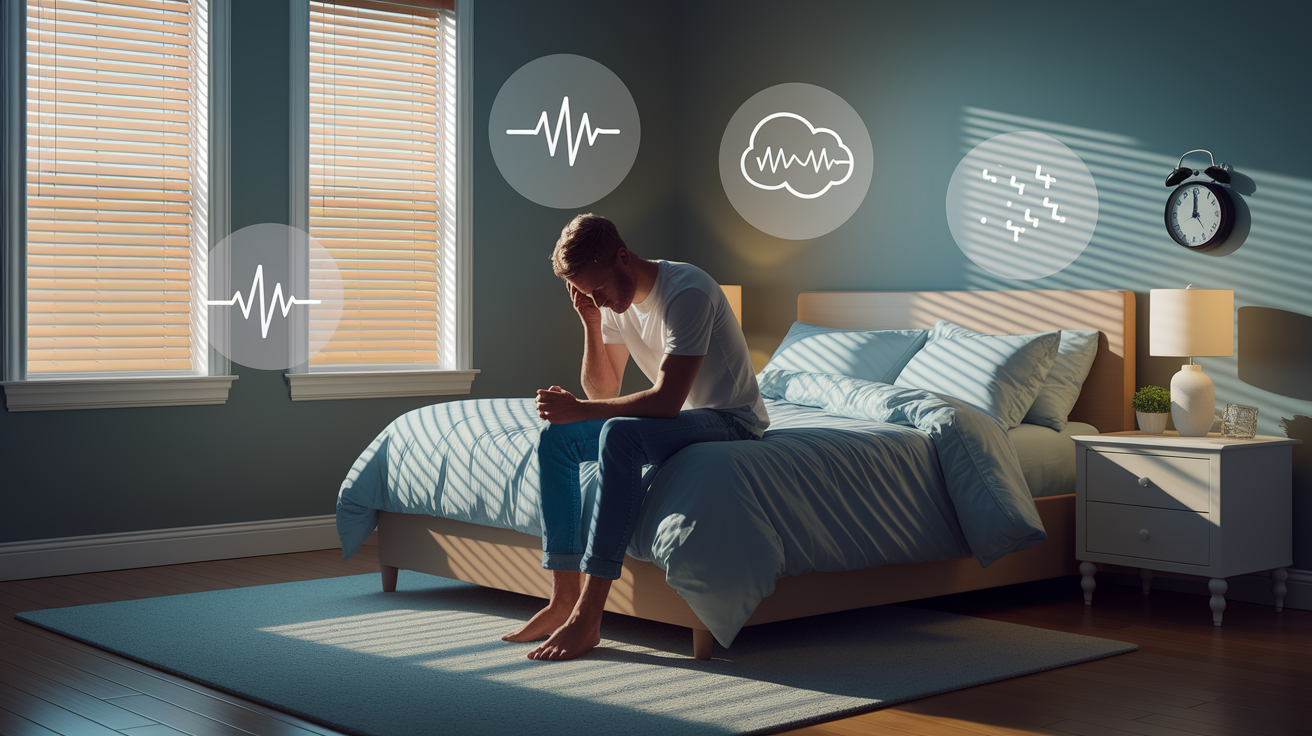
Everyone has a rough night now and then. A late movie, a stressful day, one too many coffees. That’s normal, and it usually works itself out. Sleep issues become worth watching when they stop being occasional and start showing up night after night, or when they bleed into how you function during the day. An estimated 50 to 70 million Americans deal with a sleep disorder, so if something feels off, you’re far from alone in noticing it.
The tricky part is that warning signs don’t always show up at night. Some hit the moment you wake up, others creep in during a work meeting. Here’s a quick checklist to help you spot a pattern worth paying attention to.
- Difficulty falling asleep despite feeling tired.
- Frequent awakenings or waking earlier than intended.
- Feeling unrefreshed after adequate time in bed.
- Loud snoring, breathing pauses, gasping, or choking.
- Restless legs or involuntary limb movements.
- Sudden daytime sleep episodes.
- Sleep paralysis or vivid experiences at sleep transitions.
- Sleepwalking, night terrors, or acting out dreams.
- Teeth grinding, jaw pain, or facial soreness.
- Morning headaches.
- Daytime sleepiness, cognitive fog, or poor performance.
- Irritability, depression, or other mood changes.
If any of these show up often, disrupt your day, or someone has watched you pause breathing during sleep, that’s worth taking seriously. So is any injury tied to nighttime behavior, or sleepiness severe enough to feel unsafe, like nodding off at the wheel. Those situations call for a professional assessment, not more waiting and watching.
| Broad Pattern | Examples | Suggested Next Step |
|---|---|---|
| Breathing-related | Snoring, gasping, choking, witnessed pauses | Ask a bed partner what they’ve noticed, then read the sleep apnea section |
| Insomnia or sleep-timing | Trouble falling asleep, early waking, misaligned schedule | Track timing for 1-2 weeks before assuming it’s a habit issue |
| Movement or behavior | Leg discomfort, twitching, sleepwalking, teeth grinding | Note when it happens and whether movement brings relief |
| Excessive daytime sleepiness | Microsleeps, sudden sleep attacks, cognitive fog | Treat as a safety concern if it affects driving or work |
Why Sleep Symptoms Develop and Persist
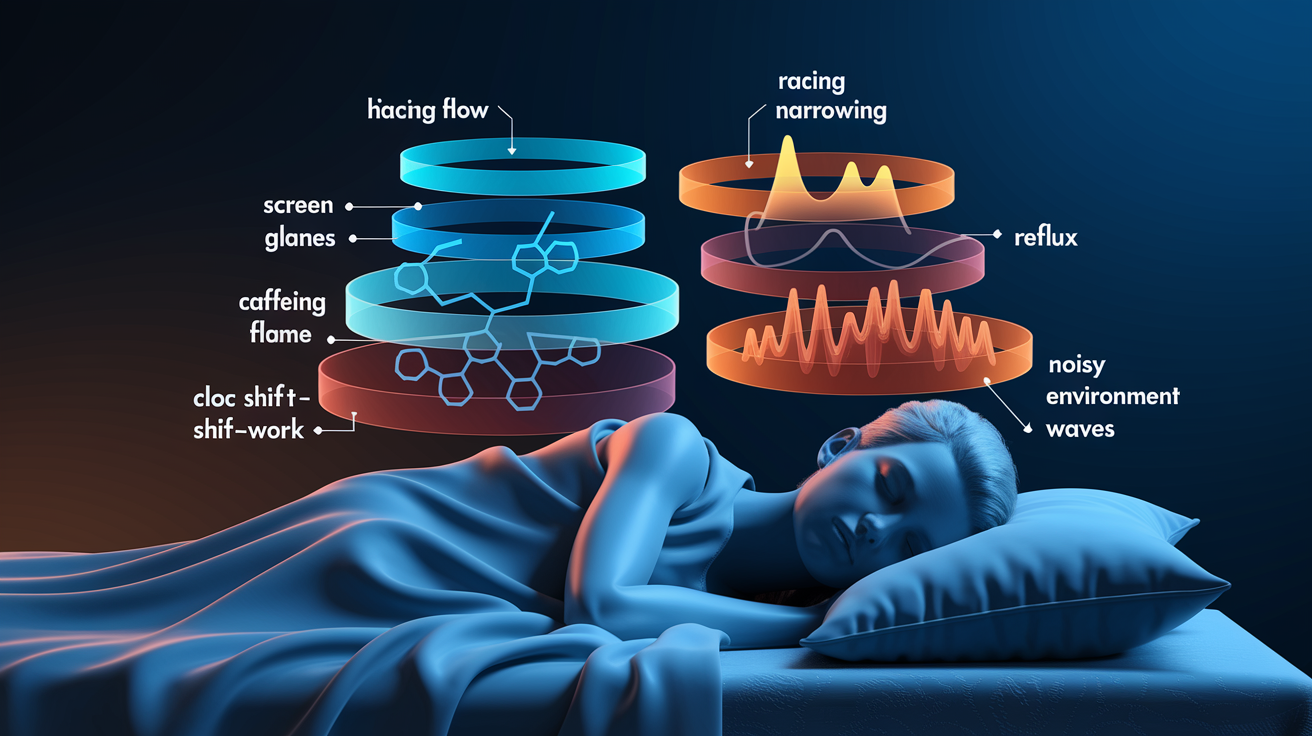
A single bad night usually has an obvious cause. A stressful deadline, a late flight, a noisy hotel room. Those short-term triggers tend to fade once the circumstance passes. Chronic sleep disorders work differently. They stick around for weeks or months, and they often have several contributors layered on top of each other rather than one clean explanation.
Physically, a lot can be happening while you sleep without you noticing. Airway soft tissue can relax and partially block breathing, which is the core mechanism behind sleep apnea. Uncomfortable leg sensations can build as the body settles into rest. Chronic pain can interrupt sleep continuity all night long. Hormonal shifts from pregnancy or menopause, reflux that flares up when lying flat, and frequent trips to the bathroom can all fragment sleep in ways that feel unrelated but come from the same underlying disruption. Your body just isn’t staying in a deep, continuous state of rest.
Psychological and environmental factors matter just as much. Anxiety can keep the mind racing right when it should be winding down. Depression sometimes shows up as insomnia, other times as an overwhelming pull toward sleep. Irregular schedules, too much screen time before bed, and shift work all push against the body’s natural rhythm. And it’s rarely just one thing. Anxiety paired with a late-day coffee, or nasal congestion raising sleep apnea risk, are common combinations.
- Physical or medical causes: airway obstruction, chronic pain, pregnancy, menopause, reflux, frequent urination.
- Mental health and neurological causes: anxiety, depression, racing thoughts, neurological conditions.
- Substances and medications: stimulants, alcohol, certain prescription medicines, iron deficiency tied to restless legs.
- Schedule and environmental causes: shift work, jet lag, irregular bedtimes, screen exposure, uncomfortable bedroom conditions.
Keep this list in mind as you read through the rest of this guide. Later sections won’t repeat every possible cause. They’ll point back here.
Distinguishing Insomnia Patterns in Adults
Insomnia isn’t the same as staying up late by choice or simply not giving yourself enough time to sleep. It specifically means having difficulty falling asleep, staying asleep, or returning to sleep after waking, even when you have a reasonable opportunity and enough time available for rest.
Sleep-Onset Insomnia
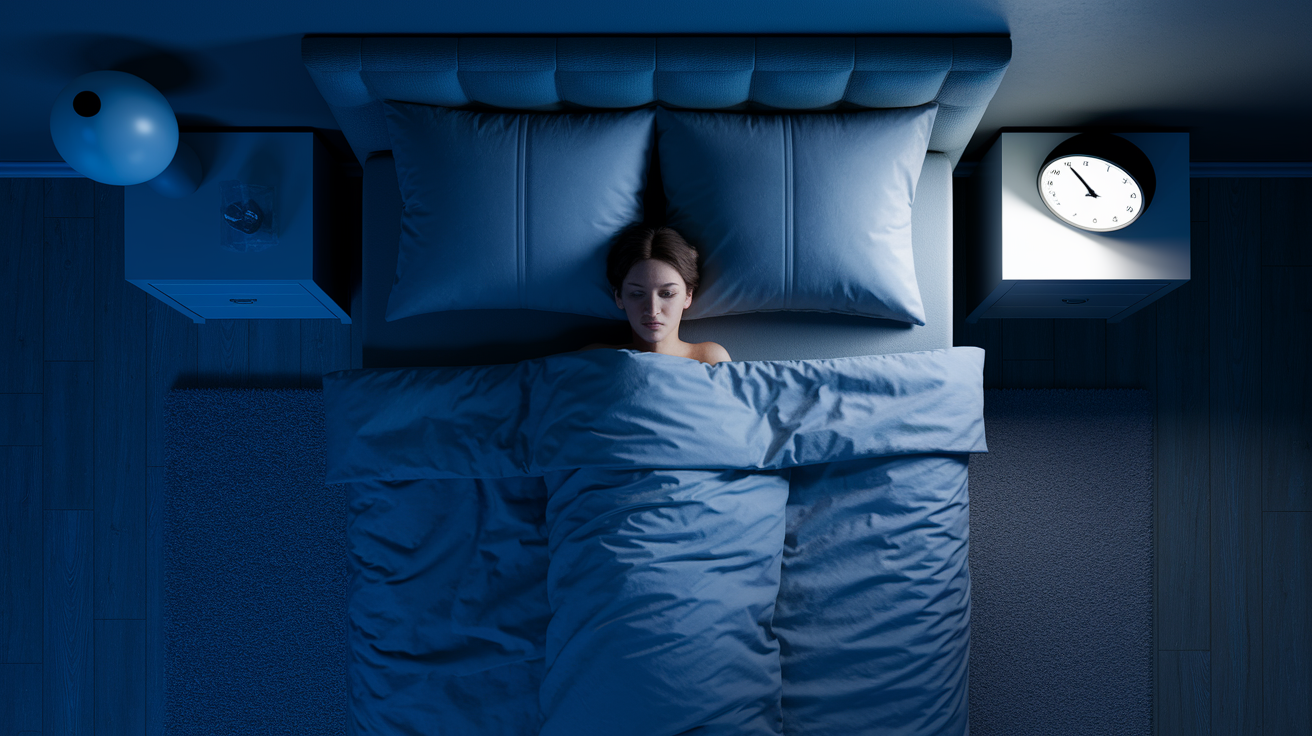
This pattern shows up as lying awake for a long stretch before drifting off, even though the room is dark, the time is reasonable, and you feel tired. The defining piece isn’t why it happens, it’s the consistent delay itself, night after night, despite everything being set up for sleep to happen normally.
Sleep-Maintenance and Early-Waking Insomnia
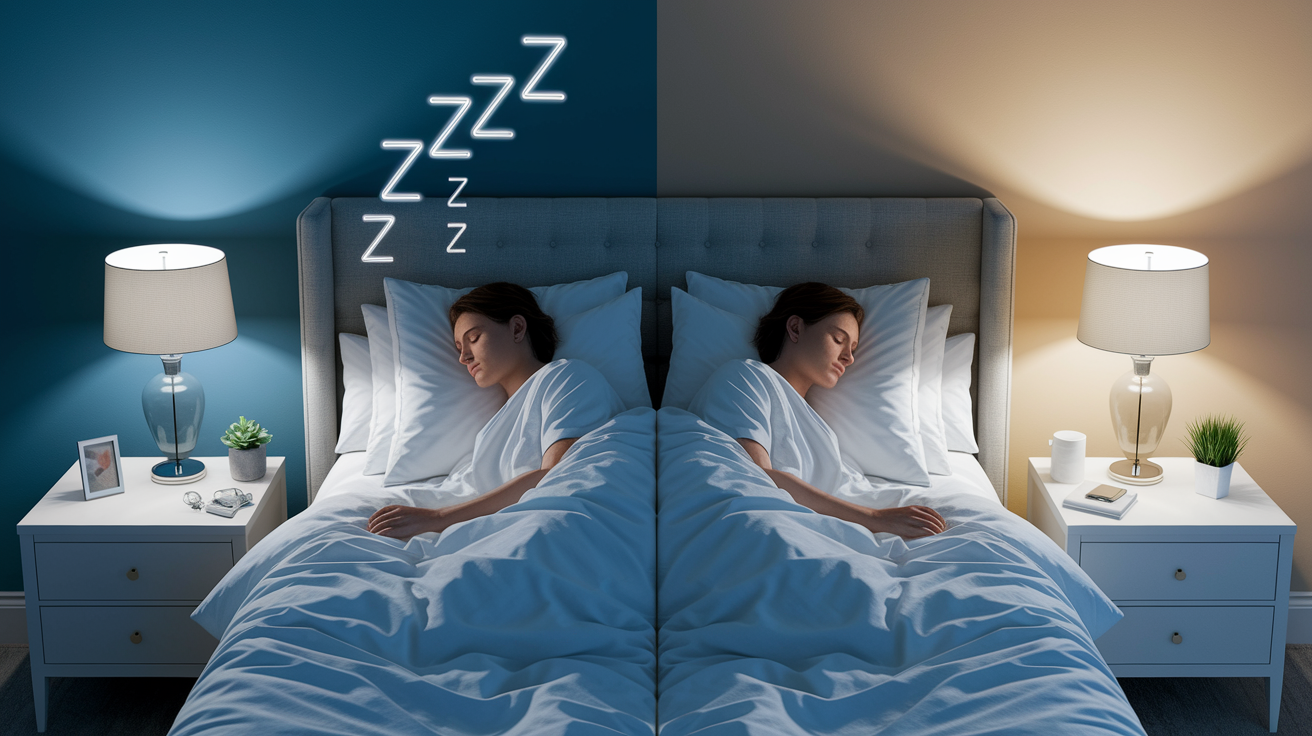
This looks different. You might fall asleep fine but wake up multiple times and struggle to drift back off. Or you wake up hours before your intended alarm and just can’t fall back asleep, even though you’re still tired. Both patterns are worth writing down, including how often they happen and roughly what time.
Final Words
In the action, we walked through clear warning signs, grouped symptom patterns, likely causes, and the small tracking steps that help you spot what matters. You saw how insomnia, sleep apnea, restless legs, narcolepsy, circadian misalignment, parasomnias, and daytime sleepiness differ.
Next, the article mapped simple home tests, what to track, and when a clinician or sleep study is needed. Keep changes small and note the results.
If you’ve noticed recurring sleep issues symptoms that affect safety or daily function, bring your notes to a clinician. Small, steady pattern changes can really add up.
FAQ
Q: I can’t sleep. What should I do?
A: If you can’t sleep, begin with simple steps: get out of bed after about 20 minutes, do a quiet activity, reduce screens and caffeine, try a wind-down routine, and track sleep for 1–2 weeks. See a clinician if persistent.
Q: How to deal with insomnia?
A: To deal with insomnia, identify the pattern, keep a sleep diary, try a consistent wind-down and stimulus-control rules, reduce evening stimulants, and consult a clinician about CBT-I if symptoms persist or impair your day.
Q: Can anxiety cause insomnia?
A: Anxiety can cause insomnia by triggering racing thoughts and nighttime arousal. Try slow breathing, limit evening caffeine and screens, track sleep patterns, and seek CBT or professional help if it persists.
Q: How do you fix sleep disorders?
A: Fixing sleep disorders means matching treatment to the pattern: track symptoms, try sleep-habit changes, use CBT-I for chronic insomnia, and follow specialist-recommended treatments like airway therapy for apnea. See a clinician for testing.