

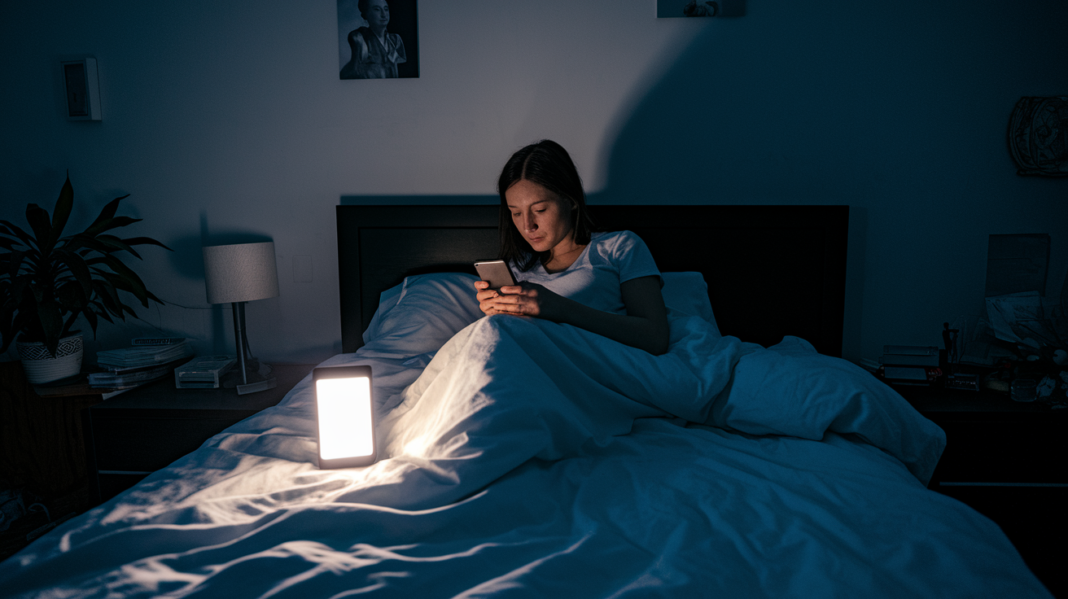

You probably don’t have a mysterious sleep disorder—you’re sitting on a pile of small, fixable clues.
Your body and mind pick up dozens of signals each day, and any one can tip the scale toward a rough night.
This post walks through the most likely culprits—racing thoughts, a shifted body clock, caffeine and other substances, physical symptoms, meds, and your bedroom—and gives simple, testable steps you can try tonight.
Think of it as troubleshooting your sleep, one small change at a time.
The Most Likely Reasons You Cannot Sleep
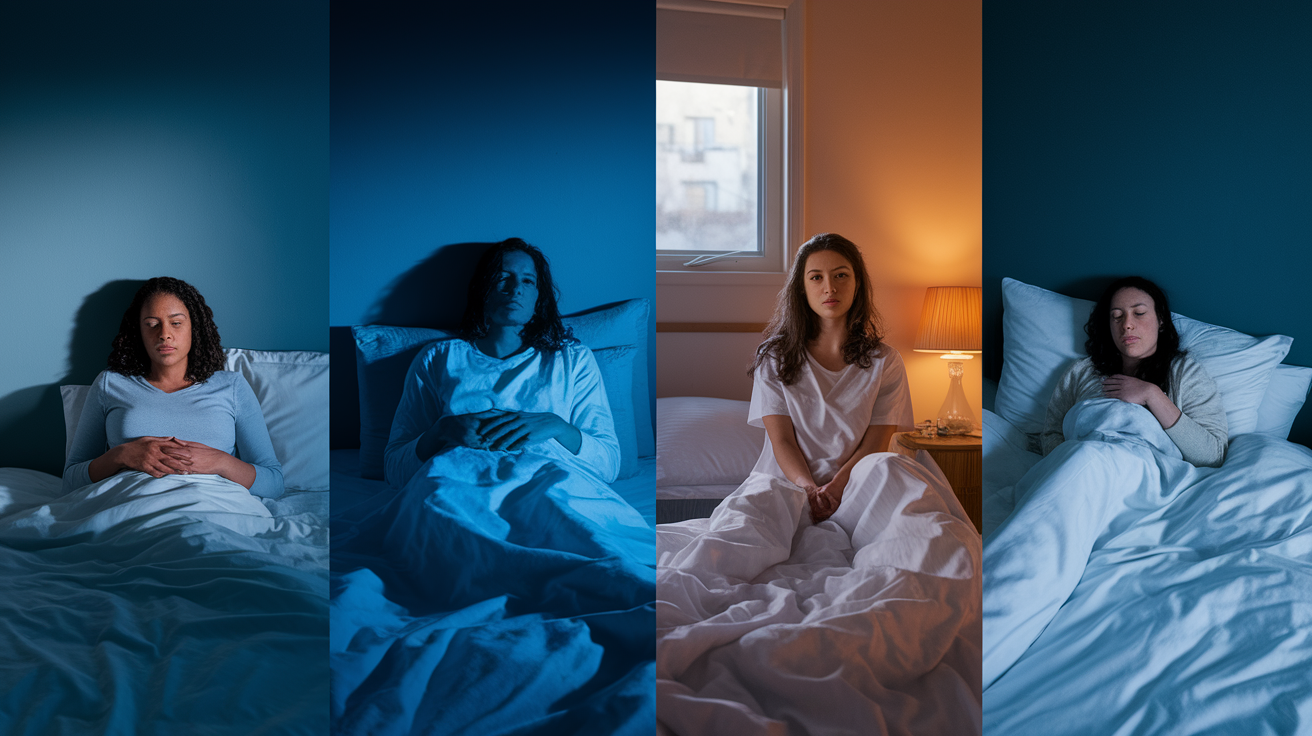
There’s rarely just one answer to “why can I not sleep.” Your body and mind respond to dozens of small signals every day, and any one of them can tip the scale toward a rough night.
The timing and pattern of your sleep problems usually offer the best clues. And here’s something worth remembering, one bad night, or even a few scattered ones, doesn’t automatically mean you have insomnia or a sleep disorder.
- Mental arousal. Worrying, racing thoughts, or feeling tense as soon as your head hits the pillow. Try scheduling a 10 minute worry writing period earlier in the evening, well before bedtime.
- Schedule disruption. Inconsistent bedtimes, shift work, travel, or too many naps can throw off your internal clock. Standardize your daily wake time first, even on weekends.
- Substances. Caffeine, nicotine, alcohol, or recreational drugs lingering in your system longer than expected. Move your last caffeine intake earlier and jot down when you use these substances.
- Sleep habits. Scrolling on your phone, working from bed, or skipping a wind down period altogether. Stop bright screen use 30 to 60 minutes before bed tonight.
- Physical symptoms. Pain, reflux, hot flushes, needing to urinate, or trouble breathing. Track when these symptoms happen and talk with a clinician if they keep showing up.
- Sleep disorders. Repeated breathing pauses, uncomfortable or restless legs, or a sleep schedule that fights against your body’s needs. This calls for a proper medical assessment, not just more willpower.
- Medication effects. Symptoms that started or worsened after beginning or changing stimulants, corticosteroids, antidepressants, or other medicines. Ask a pharmacist or prescriber to review the timing and side effects.
- Bedroom conditions. Noise, light, an uncomfortable temperature, pets, or a mattress and pillow that just aren’t working for you. Darken, cool, and quiet the room tonight and see what changes.
Take a moment to figure out which pattern fits you best. Do you struggle to fall asleep in the first place, wake up repeatedly through the night, wake too early and can’t get back to sleep, or sleep a full night but still feel wiped out? Each pattern points toward a different set of next steps, and we’ll walk through those section by section.
How Stress, Anxiety, and Your Body Clock Can Keep You Awake
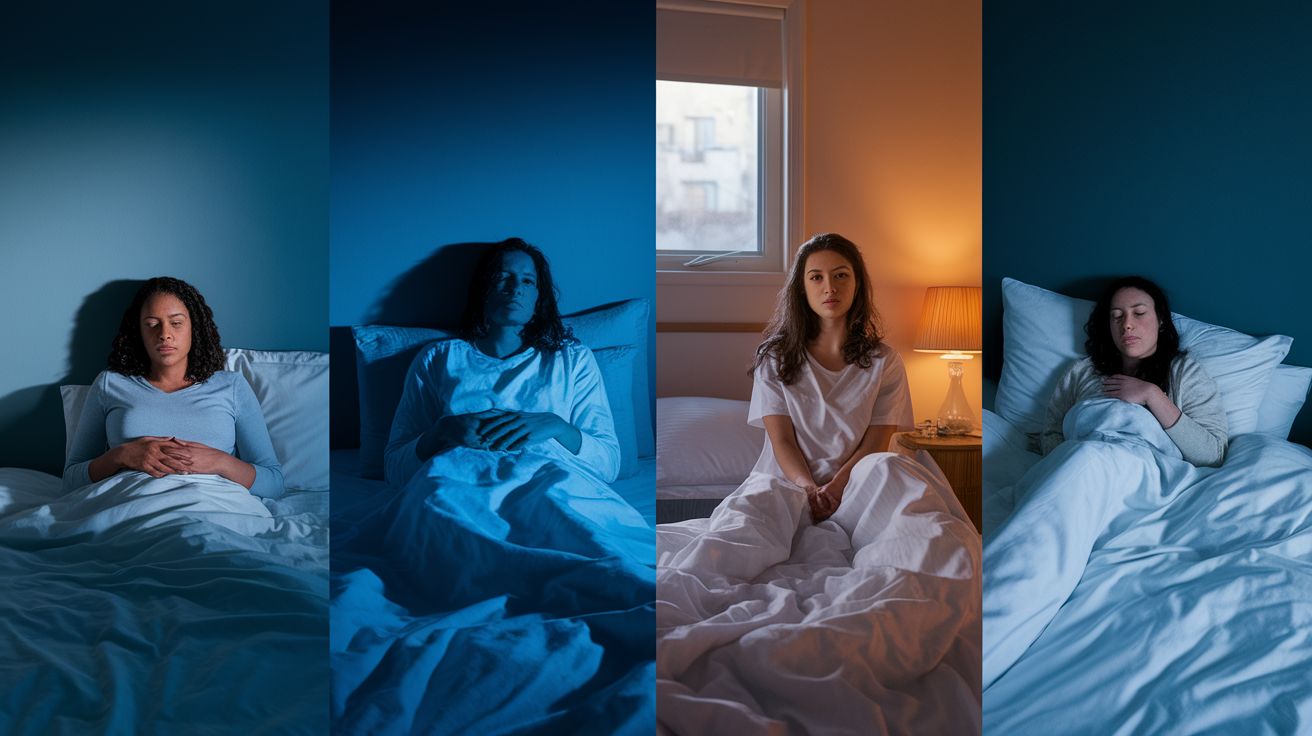
Sleep problems aren’t always physical. Sometimes your mind and your internal body clock are working against you, and neither of those things means your symptoms are any less real.
Stress, Anxiety, and Racing Thoughts
When you’re stressed or anxious, your nervous system stays on alert, even when you’re lying still in the dark. Your brain treats bedtime like just another moment to keep problem solving, which is exactly the opposite of what you need.
Worrying about not sleeping often makes things worse. You lie there dreading the next day, which pumps more adrenaline into a body that’s supposed to be winding down.
Try setting aside a 10 minute worry journaling period earlier in the evening, not right before bed. Write down what’s bothering you, then close the notebook. At bedtime, use slow breathing instead, and if a problem pops into your head at 2 a.m., remind yourself that’s not the time to solve it.
Depression and the Sleep Mood Cycle
Depression can show up in sleep in several ways. You might struggle to fall asleep, wake up throughout the night, wake far too early and stay awake, or swing the other way and sleep more than usual.
It works both directions too. Poor sleep can drag your mood down further, making it harder to cope during the day, which then makes sleep even harder that night.
If you’re dealing with severe depression or having thoughts of self harm, please reach out to a professional right away. This isn’t something to wait out on your own.
Circadian Rhythm and Schedule Mismatch
Your circadian rhythm is your internal 24 hour clock, and it can drift out of sync with the schedule you actually need to keep. Delayed sleep phase, the natural circadian shift common in teenagers, shift work, jet lag, and irregular wake times can all leave you wide awake when you want to sleep and groggy when you need to be up.
A consistent daily wake time, bright light in the morning, and dimmer light in the evening help reset this clock gradually. Small, steady changes work better than forcing yourself into bed hours earlier than your body is ready for.
Morning light and a fixed wake time tend to shift your body clock more reliably than simply trying to go to bed early.
Medical Reasons You May Not Be Able to Stay Asleep
Sometimes the problem isn’t stress or habits at all. It’s a physical condition quietly fragmenting your sleep, and recognizing it matters more than adding another relaxation technique to your routine.
Breathing and Movement Disorders During Sleep
Sleep apnea, restless legs syndrome, and periodic limb movements all interrupt sleep from the inside, often without you fully waking up to notice.
Restless legs syndrome causes an uncomfortable urge to move your legs while you’re awake and trying to relax, usually in the evening. Periodic limb movements, on the other hand, happen during sleep itself, sometimes without you remembering them the next morning.
Sleep apnea deserves particular attention. Watch for loud, habitual snoring, choking or gasping sounds, breathing pauses that a partner notices, and excessive sleepiness during the day despite what feels like a full night in bed. Any combination of these signs is worth getting checked out.
Pain, Reflux, Thyroid Symptoms, and Nighttime Urination
Chronic pain makes it hard to get comfortable, and every position shift can pull you out of deeper sleep. GERD, or acid reflux, often shows up at night as a burning feeling in your chest or a nagging cough that won’t quit.
An overactive thyroid can leave you feeling wired, with a racing heart
Final Words
In the action, we mapped common causes — stress, schedule drift, substances, habits, bedroom problems, and medical issues.
You got quick fixes for tonight, practical habit changes, and a plan to track and test small steps over two weeks.
If you’re wondering why can i not sleep, pick one tiny test this week (timing, light, or caffeine), track it, and reassess. You’ll likely notice some improvement within days.
FAQ
Q: Why is my body not allowing me to sleep? / Why can’t I sleep even though I haven’t slept? / What causes you not being able to sleep?
A: Not being able to sleep even when tired usually comes from stress, circadian mismatch, substances, poor habits, pain, or sleep disorders. Try tracking sleep timing and one likely trigger, like caffeine or screens, for a week.
Q: What is the 10 5 3 2 1 rule for sleep?
A: The 10 5 3 2 1 rule for sleep is a simple wind-down: 10-minute worry-writing, 5 minutes of calm breathing, stop heavy meals 3 hours before, avoid alcohol 2 hours before, and no screens 1 hour prior.