

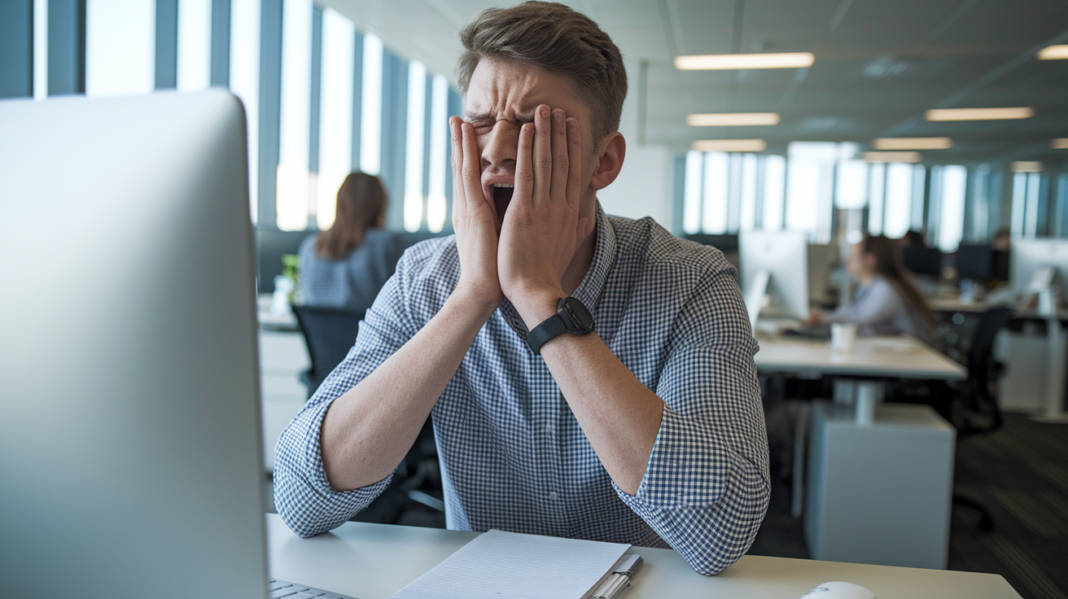

Think being tired is just part of life? That belief can hide a bigger problem: sleep debt.
Sleep debt is the gap between the sleep your body needs and the sleep you actually get, and it builds up slowly until it shows as physical, mental, and emotional warning signs—fatigue coffee won’t fix, morning fog, mood swings, and slower reactions.
This post lays out the clear signs to watch for, how they tend to cluster, and simple, testable next steps you can try to see if you’re truly overtired.
Recognizing the Signs of Accumulated Sleep Loss

Sleep debt is the gap between the sleep your body actually needs and the sleep it’s been getting. It builds quietly, night after night, until the effects start showing up in ways that are hard to ignore. One rough night doesn’t mean much on its own. But when a cluster of symptoms shows up together, day after day, something bigger is usually going on.
Physical Warning Signs
Your body tends to speak up first. These signs are often the easiest to notice, but a few of them overlap with other health issues, so treat them as clues, not proof.
- Persistent daytime fatigue that doesn’t lift with coffee
- Frequent yawning, even during normal activities
- Heavy or strained eyes, especially by midafternoon
- Dark circles under the eyes (though these can come from allergies or genetics too)
- Morning headaches that show up before you’re even out of bed
- General physical exhaustion, like your limbs feel heavier than usual
- Reduced pain tolerance or feeling more sensitive to aches
- Getting sick more often, or taking longer than usual to bounce back
Cognitive Warning Signs
This is where sleep debt starts messing with how your brain works, not just how tired you feel.
- Brain fog, especially in the morning
- Trouble concentrating on routine tasks
- Memory lapses, like forgetting why you walked into a room
- Slower thought processing overall
- Impaired judgment or decision making
- Slowed reaction time, which matters a lot behind the wheel
Emotional and Behavioral Warning Signs
Sleep debt doesn’t just affect your body and brain. It changes how you handle stress and connect with people around you.
- Irritability that seems to come out of nowhere
- Mood swings throughout the day
- Emotional volatility, like small things feeling much bigger than they are
- Reduced motivation to do things you normally enjoy
- Increased sensitivity to stress
- Leaning harder on caffeine or naps just to function
Here’s a simple way to check yourself. Cumulative sleep loss is more likely if you’re noticing several of these signs at once, if they’ve followed a stretch of short nights rather than just one, and if they start easing up after a few nights of real, adequate rest. One bad night with a headache probably isn’t sleep debt. A week of brain fog, snapping at people, and getting sick more easily? That’s worth paying attention to.
Why Sleep Debt Causes Whole Body Symptoms

Small nightly shortfalls add up faster than most people expect. Going to bed just one hour later than usual, several nights in a row, can quietly create a real deficit. It doesn’t feel dramatic in the moment. But your body keeps a running tally, and that tally is what eventually shows up as fatigue, fog, and a shorter fuse.
Sleep isn’t just downtime. It’s when your hippocampus, the part of your brain that handles memory, does its consolidation work, moving short-term memories into long-term storage. Sleep debt gets in the way of that process. It also reduces neural plasticity, your brain’s ability to adapt and learn new things. Some research suggests sleep debt can cut learning and information processing by as much as 40%. That’s not a small dip. That’s a major hit to how well your brain functions the next day.
The effects don’t stop at your brain. Inadequate restorative sleep is linked to more inflammation in the body, weaker antibody responses, and shifts in the hormones that manage stress and appetite. Over time, this can strain your cardiovascular system and throw off your circadian rhythm, the internal clock that tells your body when to be alert and when to wind down. Here’s the tricky part: you can feel used to running on less sleep while your body is still struggling underneath. Feeling normal is not the same as functioning normally. For a deeper look at how this plays out physically, The Dangers of Sleep Debt breaks down the connection between accumulated sleep loss, brain fog, immune function, and heart strain.
Acute Versus Chronic Sleep Debt: Timing and Severity

Acute sleep loss, the kind that comes from one bad night or an all nighter, tends to hit you fast and hard. You feel tired. Your attention drifts. Your reflexes slow down. Researchers have actually compared these effects to alcohol impairment. Being awake for 17 hours produces impairment similar to a blood alcohol concentration of 0.05%. Stay awake for 24 hours, and it’s comparable to 0.10%, which is over the legal limit to drive in most places.
Chronic sleep debt is sneakier. Because people adapt subjectively to less sleep, it doesn’t always feel as urgent as that one exhausting night. But it’s doing more damage in the background. Ongoing short sleep is tied to ongoing cognitive deficits, systemic inflammation, and a weakened immune response. Your body’s inflammation markers can stay elevated, making you more prone to getting sick and slower to recover when you do.
The long-term risks go beyond feeling foggy or run down. Chronic sleep debt has been connected to metabolic dysregulation, added cardiovascular stress, and a higher risk of mental health struggles, including depression. Microsleep episodes, those few seconds where your brain briefly checks out without you realizing it, become more common too, which is especially dangerous while driving or operating machinery.
So what changed on the days it got worse? If you can trace a pattern of short nights leading into a string of foggy, irritable, run down days, that’s chronic sleep debt talking. Acute sleep loss says “I need a nap.” Chronic sleep debt says “something needs to change.” Knowing the difference helps you figure out whether you need one good night’s rest or a longer stretch of consistent, quality sleep to actually catch up.
Final Words
When you keep noticing persistent yawning, foggy thinking, or sudden irritability after several short nights, that’s the pattern we mapped out.
Sleep debt is the slow build-up of missed sleep. We covered physical, cognitive, and emotional warning signs, why missed sleep disrupts memory, hormones, and immunity, and how short-term versus long-term loss feels different.
Use the lists and the quick self-check to track sleep debt symptoms for a week, try small changes, and notice what improves. With steady rest and simple experiments, most people feel clearer and more energetic.
FAQ
Q: How do you recover from sleep debt?
A: Recovering from sleep debt involves returning to consistent, sufficient sleep — add 1–2 extra hours nightly, keep steady bed and wake times, take brief naps if needed, and reassess after 1–2 weeks.
Q: What are the consequences of sleep deprivation?
A: The consequences of sleep deprivation include daytime fatigue, slower thinking, memory problems, mood swings, weaker immunity, higher inflammation, appetite and blood-pressure changes, and greater accident and chronic-disease risk.
Q: What are the symptoms of sleep deprivation psychosis?
A: The symptoms of sleep deprivation psychosis include visual or auditory hallucinations, severe confusion, disorganized thinking, paranoia, extreme disorientation, and brief delusional episodes, which require urgent medical attention.
Q: How long does sleep debt last?
A: How long sleep debt lasts depends on the deficit and recovery: small shortfalls often clear in a few days of consistent sleep, while larger or chronic deficits can take weeks to months to fully reverse.