

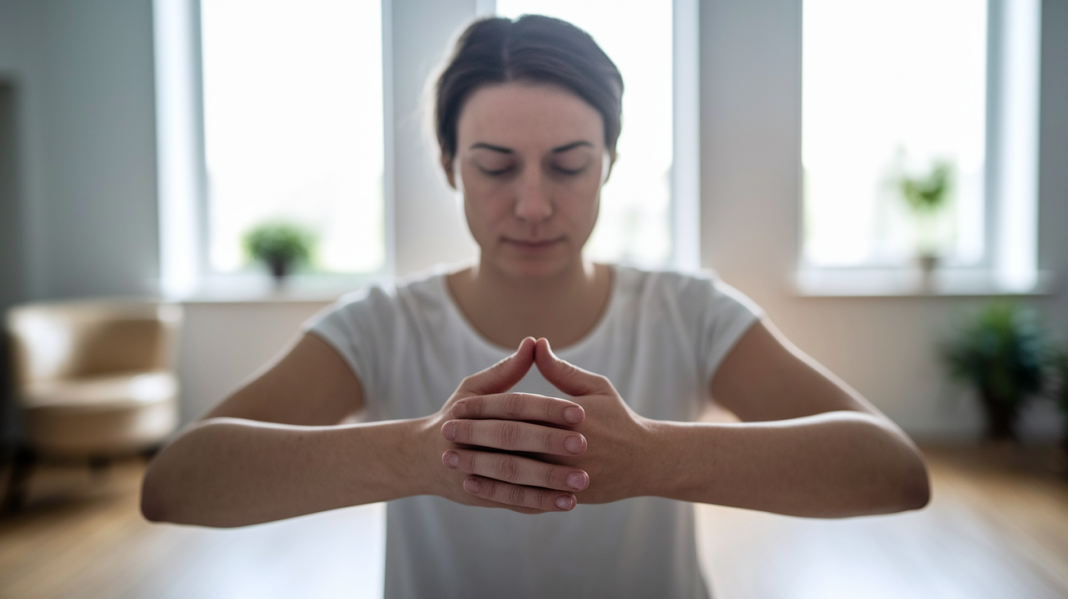

What if your body is already telling you when your energy shifts, and you just haven’t been listening?
A few simple checks, three slow breaths, a head-to-toe scan, and a quick note can reveal where energy is moving, stuck, or quiet.
Notice temperature, tingling, heaviness, or lightness.
When you learn these signals, you can catch burnout earlier, tweak your day, and test small fixes that actually help.
This post shows easy, repeatable ways to notice energy patterns, what common sensations often mean, and short experiments you can try today.
Practical Methods for Noticing Energy Sensations
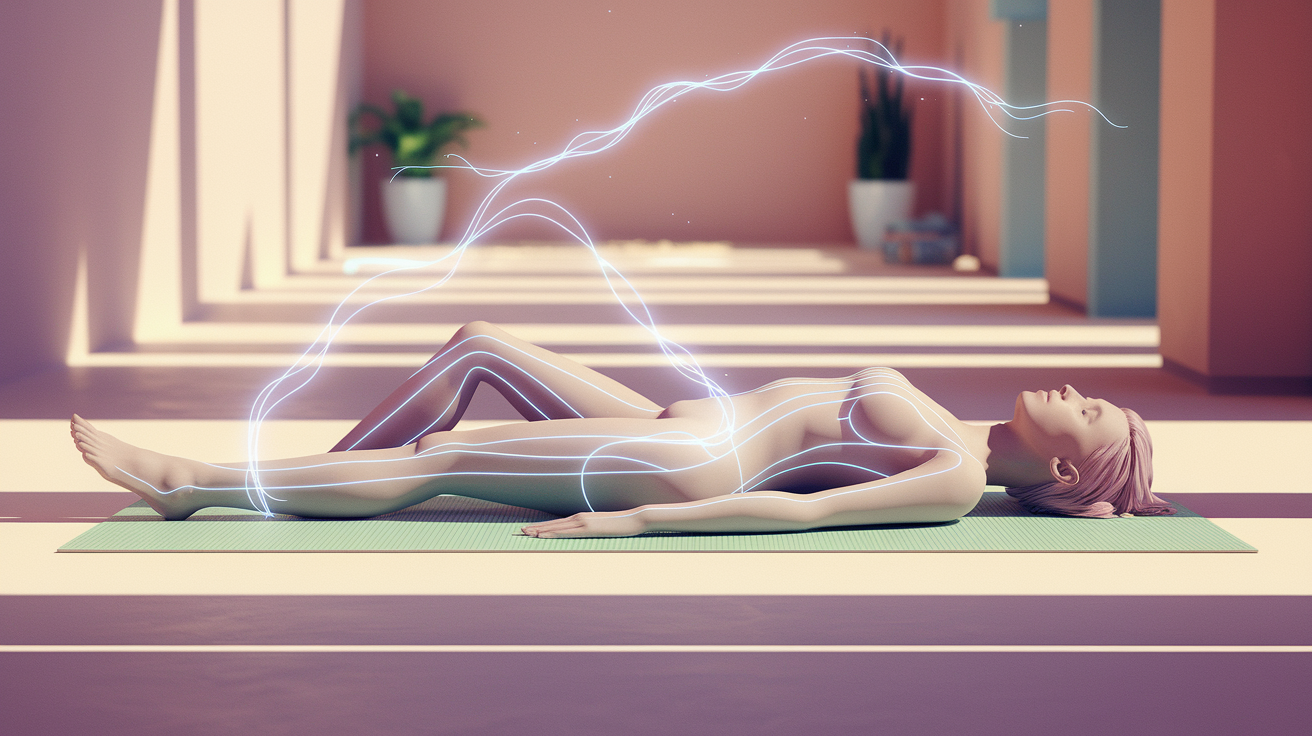
Start with a simple body scan. Sit or lie down somewhere quiet, close your eyes, and take three slow breaths. Begin at the top of your head and slowly move your attention down through your face, neck, shoulders, chest, arms, abdomen, hips, legs, and feet. Pause at each area for a few seconds and notice whatever sensation is present. Tension, warmth, coolness, tingling, nothing at all. You’re not trying to change anything. You’re just noticing.
Emotional cues often show up as physical sensations before you consciously register a feeling. Tightness in your chest might arrive a few seconds before you realize you’re anxious. A sudden lightness in your shoulders can signal relief before your mind catches up. When something feels off or unusually good, pause and scan your body. Ask yourself, “Where do I feel this?” The answer usually points to an energy shift you didn’t notice consciously.
Here are five common indicators that energy is moving or changing:
- Temperature shifts. Sudden warmth, coolness, or heat in a specific spot.
- Tingling or buzzing. A light electric feeling, often in hands, feet, or spine.
- Pulsing or throbbing. Rhythmic sensations that feel like a gentle pulse beyond your heartbeat.
- Heaviness. A weighted, dense feeling in limbs, chest, or head.
- Lightness or expansion. A sense of openness, floating, or spaciousness.
Breath and grounding make these sensations easier to notice. When you focus on slow, steady breathing, your nervous system settles and subtle signals become clearer. Grounding techniques (like imagining roots growing from your feet into the earth) anchor your attention inside your body instead of letting it drift outward. The steadier your internal “volume control,” the more texture you’ll sense in each area you scan.
Structured Body Scan for Energy Awareness

A head to toe scan gives you a clear map of where energy feels strong, blocked, or neutral. This method works best when done slowly, with no rush and no judgment about what you find.
Follow these seven steps:
- Sit comfortably or lie flat with your arms at your sides.
- Close your eyes and take three deep breaths, exhaling fully each time.
- Bring your attention to the top of your head and notice any sensation. Pressure, tingling, warmth, tightness, or nothing.
- Move slowly down to your forehead, eyes, jaw, and neck, pausing at each area for 5 to 10 seconds.
- Continue through your shoulders, arms, hands, chest, abdomen, hips, legs, and feet, one section at a time.
- If you notice a strong sensation (tension, cold, heat, buzzing), pause there for an extra breath and let yourself fully feel it.
- When you reach your feet, take one final slow breath and open your eyes.
What you feel during the scan isn’t good or bad. A tight shoulder isn’t a failure. A warm chest isn’t a prize. The goal is simply to gather information. If one side of your body feels different from the other (tighter, cooler, heavier), that difference is data. It might suggest an imbalance, recent stress, or a habitual holding pattern. Write down what you noticed without trying to fix it yet. Patterns become visible when you repeat this scan over several days and compare notes.
Understanding Energy Centers and Flow Pathways

Energy centers are concentrated zones where many people report heightened sensations, emotional intensity, or a sense of “something happening.” Chakras are one well known model describing seven main centers running from the base of the spine to the crown of the head. Meridians represent channels through which energy flows, connecting different parts of the body in traditional Chinese medicine. You don’t need to believe in a specific system to notice that certain areas (throat, chest, gut) often carry strong feelings or physical responses.
These centers and pathways offer a helpful map for paying attention. When you feel a knot in your stomach before a tough conversation, that’s energy activity in your solar plexus area. When your throat tightens and words won’t come, that’s your throat center signaling tension. When your chest feels open and warm around people you trust, that’s your heart center responding to connection. Flow pathways help explain why tension in your jaw might connect to tightness in your hips, or why releasing your shoulders sometimes eases pressure in your head.
Here are six commonly referenced centers and pathways with simple descriptions:
- Root (base of spine). Grounding, safety, physical stability.
- Sacral (lower abdomen). Creativity, emotions, pleasure.
- Solar plexus (upper abdomen). Confidence, willpower, gut feelings.
- Heart (center of chest). Connection, compassion, emotional openness.
- Throat (base of throat). Expression, honesty, voice.
- Meridians (channels throughout the body). Pathways linking organs, limbs, and energy flow.
Recognizing Signs of Energy Blockages

A blockage shows up when energy can’t move freely through an area. You might feel it as recurring tension that won’t release, even after stretching or rest. It might appear as a cold spot in one shoulder while the rest of your body feels warm. Blockages often sit in the same place for weeks or months, signaling that something (stress, old injury, unexpressed emotion) is stuck.
Emotional patterns pair with physical blockages. If your chest feels tight every time you think about a specific relationship, that’s a signal. If your jaw clenches when you’re angry but you never speak up, that’s energy getting trapped. Blockages aren’t always dramatic. Sometimes they’re just a dull heaviness in your legs that makes movement feel harder than it should, or a persistent fog in your head that caffeine doesn’t clear.
When the same sensation shows up in the same spot repeatedly, pay attention. Your body is telling you something isn’t flowing. That area might need movement, breath, rest, or a conversation you’ve been avoiding.
Four common indicators of blockages include:
- Persistent tension that doesn’t ease with stretching or massage.
- Cold spots or numbness in areas that should feel warm or neutral.
- Emotional flatness or avoidance tied to a specific body region.
- Recurring discomfort in the same area across multiple days or weeks.
Daily Practices to Strengthen Energy Perception
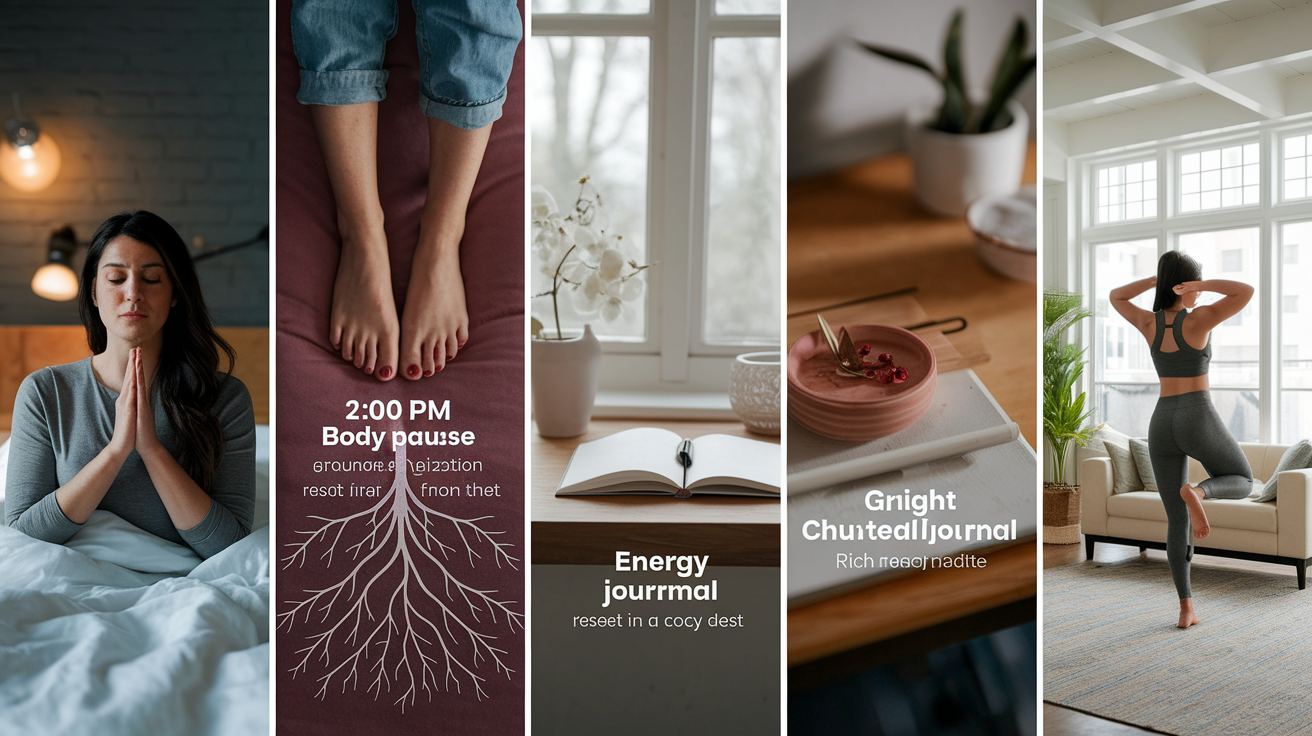
Short, consistent practices train your nervous system to notice subtle shifts before they become loud problems. Even five minutes a day builds the skill of sensing internal changes in real time.
Five simple practices to try:
- Morning breath check. Before getting out of bed, take three slow breaths and scan your chest, belly, and throat for tightness or ease.
- Midday body pause. Set a reminder for 2:00 PM, stop what you’re doing, and notice where tension or fatigue sits in your body.
- Grounding visualization. Imagine roots growing from your feet into the ground for 60 seconds while standing or sitting.
- Evening energy journal. Write one sentence about where energy felt strong, stuck, or absent during the day.
- Movement reset. Between tasks, stand up, stretch your arms overhead, roll your shoulders, and take two full breaths.
Consistency matters more than duration. A two minute scan done every day for a week will teach you more than a 30 minute session done once. Over time, you’ll start noticing patterns. Tightness that appears after certain meetings, heaviness that follows specific meals, lightness that shows up after a walk. Those patterns are your energy map. The clearer the map, the easier it becomes to adjust your day, your habits, and your responses before small imbalances turn into larger issues.
Final Words
Start with a quick body scan. Note warmth, tingling, pulsing, heaviness, or shifts, then map those sensations to energy centers and check for repeated tight spots.
Use short, daily practices like breath work, grounding, and brief scans to turn vague feelings into clear patterns you can test.
If you want to know how to identify energy patterns in your body, try a 5-minute scan plus breath focus each morning, record one or two sensations, and watch for repeats over a week. Small steps lead to clearer signals and better choices.
FAQ
Q: What drains your energy the most?
A: What drains your energy the most is chronic stress, poor sleep, low movement, dehydration, and long mental load; these commonly leave you wired but tired and make focus and recovery harder.
Q: What are the 4 types of energy in humans and what are the 7 energy centers of the body?
A: The four types of human energy are physical (movement/rest), mental (focus), emotional (mood), and subtle or spiritual (meaning). The seven common centers are root, sacral, solar plexus, heart, throat, third eye, and crown.
Q: What are the physical symptoms of an energy shift?
A: The physical symptoms of an energy shift are temperature changes, tingling, pulsing, sudden tightness, heaviness or lightness, altered breathing, and brief waves of fatigue or alertness.