


What if your ‘work stress’ is actually coming from home, or vice versa?
Most people assume one area is worse, but the real test is how stress behaves.
Look at when it spikes, what sparks it, and whether you bounce back.
This quick guide shows a simple decision tool to help you spot whether work or personal life is the main driver of your symptoms.
Knowing that matters because it points to different first steps you can test in days, not months.
Use the timing, triggers, and recovery clues to map the source and test small fixes.
A Quick Tool For Identifying The Main Source Of Stress

Let’s get the honest answer out of the way first: neither workplace stress nor personal life stress wins the “worse” contest automatically. What actually matters is intensity, how long it drags on, and whether you’ve got support and real time to recover. When you’re trying to figure out the differences between work and personal stress, the clearest clues come down to three things. Timing, triggers, and how fast you bounce back.
If your symptoms spike during work hours and ease up once you’re off the clock, that’s a strong signal you’re dealing with workplace stress. If they trace back to something happening at home, like a strained relationship or a health scare, and they don’t let up even on your days off, that points toward personal life stress. So, how do you tell if stress is work or personal? Use the table below as a quick gut check.
| Decision Point | Work Stress | Personal Stress |
|---|---|---|
| Likely Source | Job demands, workload, workplace relationships | Relationships, health, finances, caregiving, life events |
| Typical Triggers | Deadlines, understaffing, difficult manager, reorganizations | Conflict at home, illness, debt, bereavement, major changes |
| When Symptoms Peak | Workdays, before meetings, around deadlines | Evenings, weekends, around specific personal events |
| What Happens During Time Off | Noticeable improvement within a day or two | Symptoms continue or worsen regardless of work schedule |
| First Management Step | Reduce or renegotiate job demands, document workplace concerns | Address the specific relationship, health, financial, or caregiving issue and seek appropriate support |
Worth noting though, if your symptoms show up everywhere, at work, at home, even on vacation, that’s usually not one single source. It’s more likely overlapping or generalized stress, and it tends to need a combined plan rather than fixing just one area of your life.
Defining Work Stress And Personal Stress

Work stress happens when job demands keep outpacing your ability to keep up, your control over the situation, the resources you’ve been given, or your chance to actually recover. It’s worth separating this from work pressure, which is just the objective workload or time crunch itself. Pressure isn’t automatically bad. Plenty of people do their best work under a deadline, as long as they have the tools and downtime to match. It’s when that pressure becomes constant and unmanageable, with no real recovery in between, that it turns into something harmful.
Personal stress, on the other hand, is rooted in what’s happening outside your job. Think relationships, caregiving, money, health, or a big life change. It can hit just as hard as workplace stress, sometimes harder, since there’s often no clocking out from a sick family member or a mounting pile of bills.
Here’s the thing to really sit with though. These categories describe where the stress is coming from, not how serious or valid it is. A personal stressor isn’t “less important” than a work one, and vice versa. Knowing the primary source matters because it tells you where to focus first, whether that’s workplace changes, personal support, or a plan that covers both. For the specific signals that point to one or the other, the decision tool above is your starting point.
Triggers: Work Stress Causes Vs Personal Stress Causes

Stress rarely comes from just one thing. Usually it’s a mix of smaller pressures stacking up until something feels unmanageable. The lists below cover the most common sources people run into. Not a diagnosis, just a starting point for spotting what might be feeding your stress.
Common Workplace Triggers
- Heavy workload or deadlines that just aren’t realistic
- Long hours or shift work, especially over 50 hours a week or frequent night shifts
- Role ambiguity, or being pulled between conflicting expectations
- Poor management, or feeling like your supervisor doesn’t have your back
- Office politics, bullying, harassment, or a generally toxic culture
- Job insecurity, constant reorganizations, or having little control over your own work
Common Personal Life Triggers
- Relationship conflict, separation, or carrying a heavy caregiving load
- Personal or family health problems, including chronic illness
- Financial strain, debt pressure, or housing instability
- Major life changes, like moving, a bereavement, or a new baby
- Sleep deprivation or substance misuse at home
What makes this tricky is that these causes don’t always stay in their own lane. Financial stress from home can make a tight work deadline feel unbearable. A toxic manager can wear down your patience for home life too. If you’re trying to map out where your stress is really coming from, the decision tool earlier in this article covers the timing and recovery clues that help separate one from the other.
Symptoms: How Stress Affects Emotions, Thinking, The Body, And Behavior
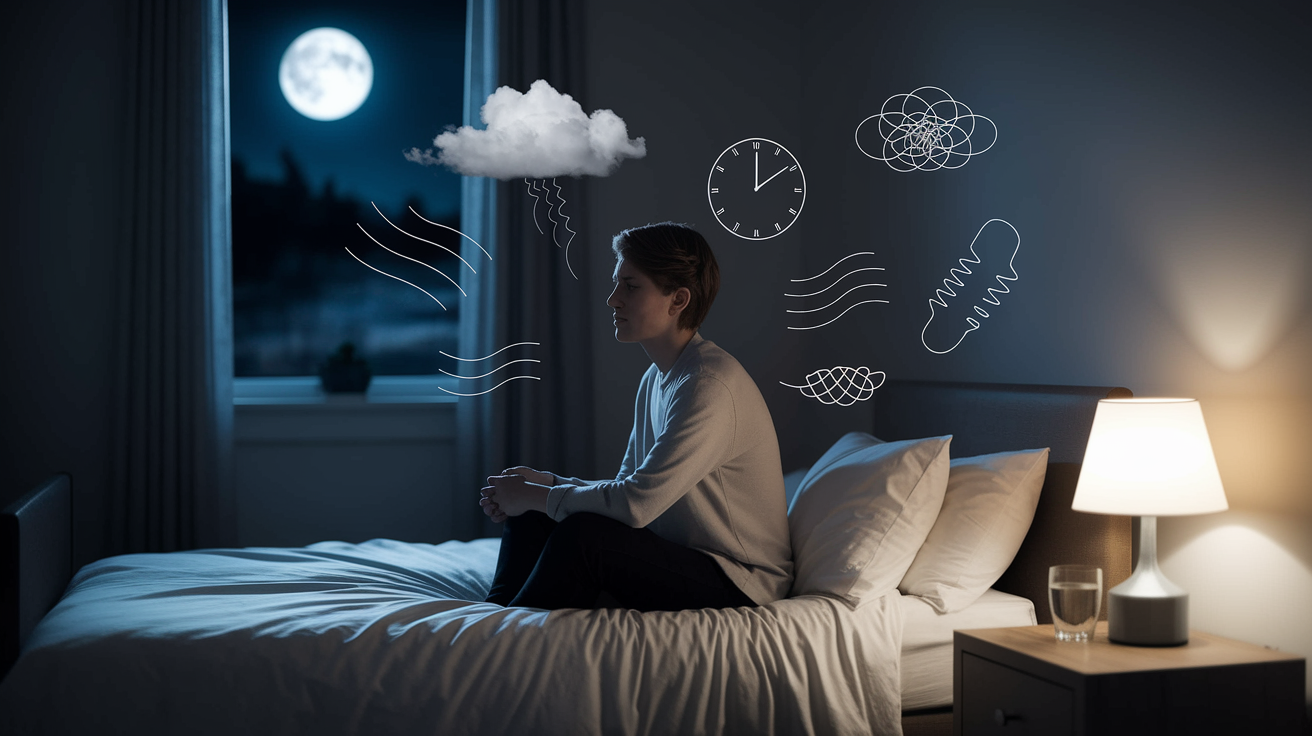
Here’s the tricky part about symptoms. Work stress and personal stress often look almost identical on the surface. Irritability, trouble sleeping, a racing mind at 2 a.m., they show up either way. So a symptom on its own usually won’t tell you the source. It’s more useful as a warning sign that something needs attention.
| Symptom Category | Examples | Potential Effect On Daily Functioning |
|---|---|---|
| Emotional | Irritability, anxiety, low mood | Strained interactions with coworkers, family, or friends |
| Cognitive | Poor conc
Final Wordsin the action we used a quick decision tool, using timing, triggers, and recovery, to point to the likely source of stress. We defined work and personal stress, listed common triggers, showed shared symptoms, and compared acute versus chronic patterns. Try the table as a short test: note when symptoms spike, what eases them, then try one small step, like reducing a job demand or addressing a home issue, and track results for a week. If symptoms persist across work and home, use a combined plan and consider professional support. Framing work stress vs personal stress this way makes next steps clearer and easier. FAQQ: How to destress from work?A: Destressing from work involves quick, practical steps: pause and breathe, move for 10–15 minutes, set a firm stop time, do one screen-free wind-down, and try a short relaxation exercise before bed. Q: What are the symptoms of work-related anxiety?A: The symptoms of work-related anxiety include persistent worry about tasks, restlessness, poor concentration, heart palpitations, sleep trouble, irritability, increased absences, and avoidance of work situations. Q: What resources are available for healthcare workers who are experiencing burnout?A: Resources for healthcare workers experiencing burnout include employee assistance programs, peer support groups, occupational or mental health services, confidential counseling, crisis hotlines, HR or union advocacy, and protected leave or workload adjustments. Q: How to improve mental health in the workplace?A: Improving mental health in the workplace means testing small changes: set clear boundaries, take regular short breaks, ask for task clarity, use brief manager check-ins, seek peer support, and track what helps.  Subscribe for exclusive contentOn Sleep Health Wellness and More, Copyright - All Rights Reserved - 2026 |