



What if the small, everyday pressures are more dangerous than the big crises?
You shrug off bad days, but repeated stress adds up quietly, like a phone battery that never gets a full charge.
About 27% of U.S. adults say they’re so stressed most days they can’t function.
That’s one in four people walking around without enough recovery.
Stress accumulation is the slow, compounding wear-and-tear from repeated or unresolved stress, and spotting those patterns early is the first step to change.
What Stress Accumulation Over Time Really Means
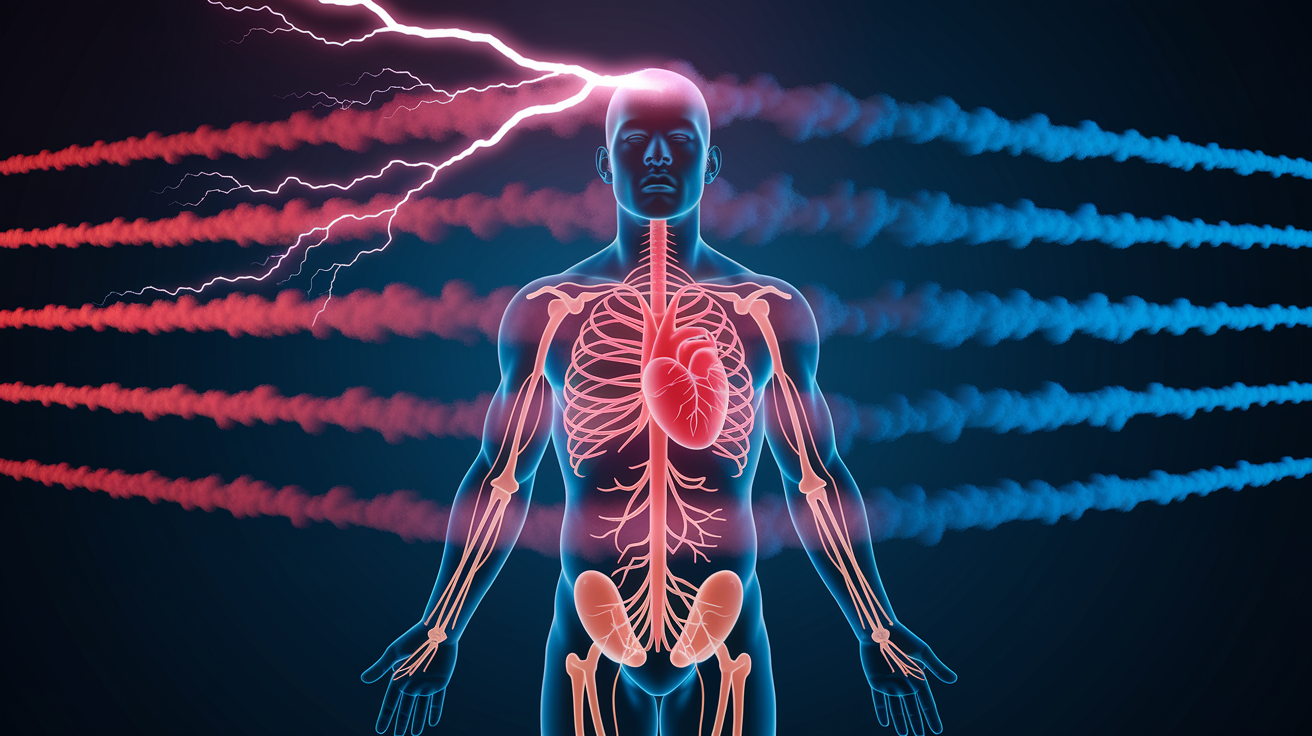
Not all stress acts the same way on your body. Acute stress lasts minutes to days. It’s your short-term fight-or-flight response kicking in when your car swerves or a deadline lands on your desk out of nowhere. Episodic acute stress is different, it’s that recurring pattern of short crises, like the person who always seems to be racing from one fire to the next. Chronic stress is the one that quietly does the most damage. It sticks around for weeks, months, or even years, and the body’s alarm system just stays switched on.
Stress accumulation over time is really about this compounding effect. It’s not one bad day. It’s the physiological toll of repeated or unresolved stress exposure that never gets the chance to fully settle. Here’s how the three types stack up:
- Acute stress: minutes to days, full recovery expected once the trigger passes
- Episodic acute stress: repeated short bursts, partial recovery between episodes but little long-term relief
- Chronic stress: weeks to years, the body struggles to recover at all, often described as “long-term stress where the body can no longer recover”
So how common is this, really? A 2023 national report found that 27% of U.S. adults say they’re so stressed most days that they cannot function. That’s roughly one in four people walking around in a state where recovery just isn’t happening. Cumulative stress isn’t some abstract wellness buzzword. It’s a measurable, widespread condition with real physical consequences, and understanding allostatic load (the cumulative wear and tear from repeated stress responses) is the first step toward catching it early.
The Mechanism Behind Stress Accumulation Over Time
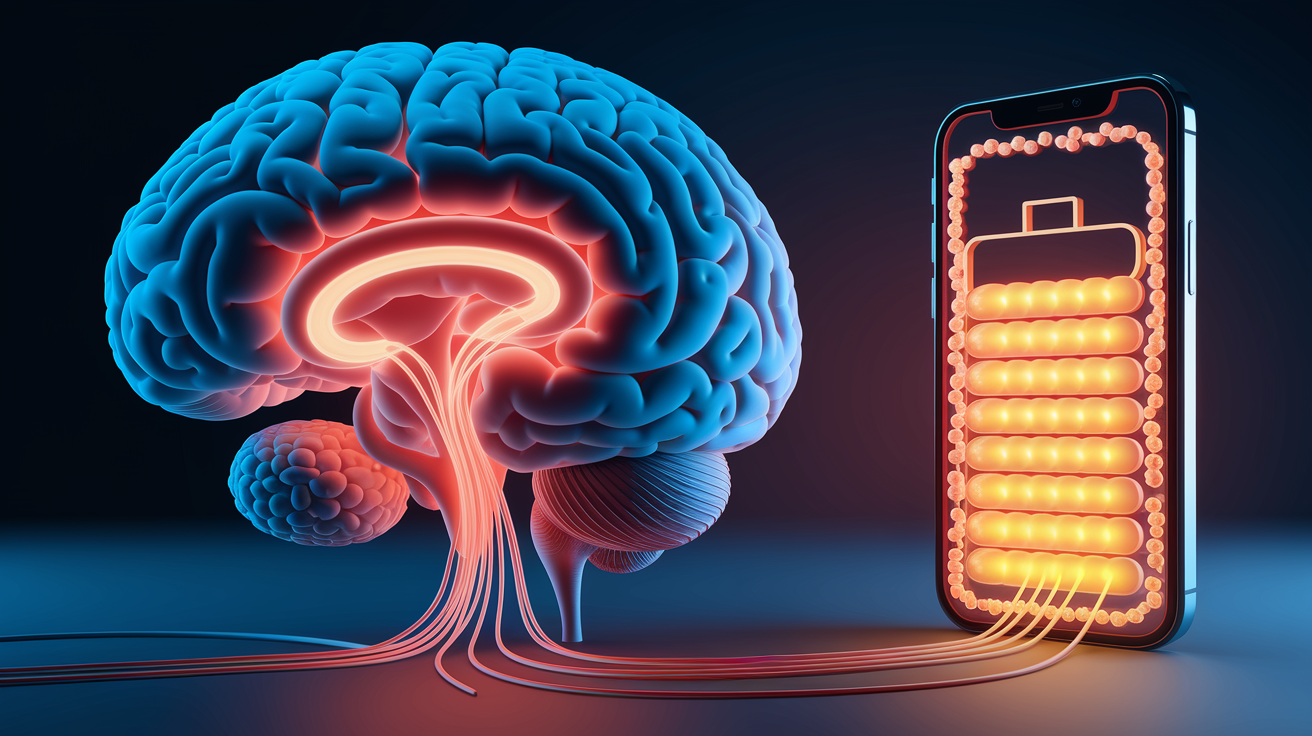
When your brain perceives a threat, it moves fast. The amygdala signals the hypothalamus, which fires up the sympathetic nervous system, flooding your body with adrenaline. Your heart races, your palms sweat, your focus narrows. This is the acute response, and it’s supposed to be short lived.
But if the threat doesn’t go away, a slower system takes over. The hypothalamus releases CRH, which tells the pituitary gland to release ACTH, which then signals the adrenal glands to pump out cortisol. This is the HPA axis (hypothalamic pituitary adrenal axis), and it’s built for sustained alert, not constant activation.
Here’s the tricky part. Your body is designed to handle stress through allostasis, a kind of constant adjustment to keep things stable. But when that adjustment process gets triggered over and over without enough recovery time, it turns into allostatic load, the cumulative wear and tear that builds up in the background. Think of it like a phone battery that never gets a full charge, it just keeps draining a little more each cycle.
This dysregulation doesn’t stay contained. Persistently elevated cortisol disrupts:
- Immune function, making you more prone to infections
- Digestive processes, raising the odds of stomach issues
- Growth and repair systems, especially in developing bodies
- Metabolic regulation, affecting blood sugar and fat storage
A 2007 study published in Psychoneuroendocrinology documented blunted cortisol awakening responses in people under chronic stress. Basically, their bodies had stopped responding normally to the morning cortisol spike that’s supposed to help you wake up and feel alert. A 2021 review took this further, describing a progression from hypercortisolism (too much cortisol) early on to hypocortisolism (too little) later, which lines up closely with what we now understand as burnout.
How Stress Accumulation Over Time Reshapes the Brain

The brain doesn’t just experience stress, it changes because of it. Functional changes, like shifts in neurochemistry and attention, can show up within weeks. Structural changes, the kind you’d see on a brain scan, usually take months to years to develop. Both matter, and both tend to build quietly before anyone notices.
Hippocampus and Memory Decline
The hippocampus has a high density of glucocorticoid receptors, which makes it especially sensitive to chronic cortisol exposure. Over time, this suppresses neurogenesis (the growth of new brain cells) and causes dendritic atrophy, essentially shrinking the connections neurons use to communicate.
A striking 1998 report in Nature Neuroscience linked persistent high cortisol over five years to a 14% reduction in hippocampal volume in older adults. That’s a meaningful, measurable shrinkage tied directly to memory and spatial navigation problems, the kind of thing that might look like “getting forgetful” but actually has a biological root.
Prefrontal Cortex and Decision Making
The prefrontal cortex, your brain’s center for planning, impulse control, and decision making, also takes a hit. Chronic stress is linked to gray matter thinning and reduced synaptic density here, which can make it harder to weigh options carefully or regulate emotional reactions the way you normally would.
Amygdala and Heightened Threat Response
While the hippocampus and prefrontal cortex shrink under pressure, the amygdala tends to do the opposite. It often shows increased activity and even increased volume with chronic stress, which drives hypervigilance and an amplified sense of threat, even in situations that aren’t actually dangerous.
These structural shifts don’t happen in isolation. Neuroinflammation and reduced BDNF (a protein that supports neuroplasticity and brain repair) compound the problem, making it harder for the brain to bounce back without intervention.
Physical Health Risks Linked to Stress Accumulation Over Time
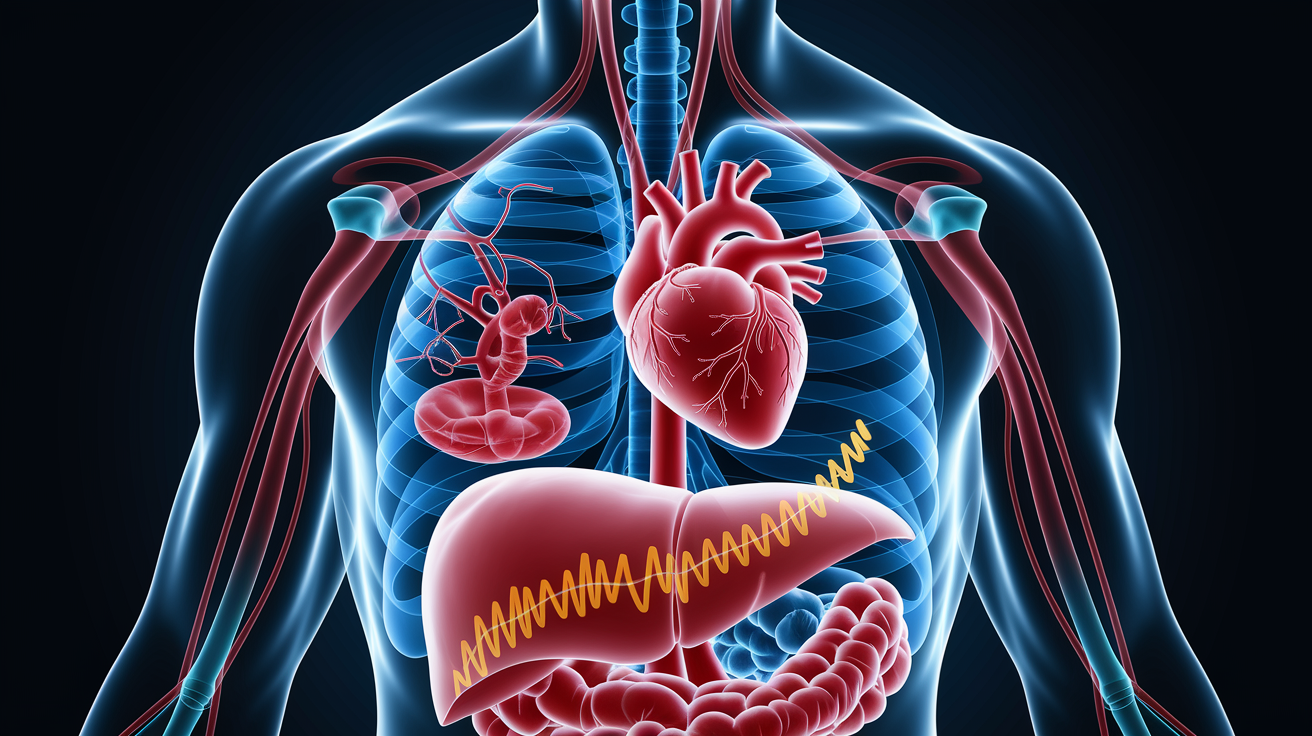
The body keeps score, even when you’re not paying attention. Chronically elevated cortisol is associated with weight gain, increased diabetes risk, and immune suppression, findings supported by a 2023 study linking these hormonal shifts to measurable metabolic consequences.
Your cardiovascular system takes a direct hit too. Long-term stress raises blood pressure and increases your risk of both cardiovascular disease and stroke. This happens partly because your body stays in a state of heightened alert, with your heart working harder and your blood vessels staying more constricted than they should, day after day.
Weight gain tied to stress isn’t just about comfort eating, though that’s part
Final Words
You saw how short alarms turn into repeated hits that keep the body on alert and wear systems down. We walked through the hormone cascade, brain shifts in the hippocampus, prefrontal cortex, and amygdala, and real physical risks like higher blood pressure and immune changes.
Track the signals your body gives, try one small experiment for a week, and note what shifts. Slowing stress accumulation over time is doable. Small steps add up and help you feel more in control.
FAQ
Q: What does stress accumulation over time mean?
A: Stress accumulation over time means repeated or unresolved stressors build up, creating a steady physiological burden where the body’s alarm system stays on and recovery windows shrink.
Q: How do acute, episodic, and chronic stress differ?
A: Acute stress lasts minutes to days, episodic acute shows recurring short crises, and chronic stress lasts weeks to months without enough recovery, causing ongoing alarm activation.
Q: What causes stress to accumulate biologically?
A: Stress accumulates because repeated threat triggers the HPA axis and sympathetic system, raising cortisol and creating allostatic load, which causes wear and tear that disrupts immune, metabolic, digestive, and growth systems.
Q: How does long-term stress affect the brain?
A: Long-term stress reshapes brain function and structure: it impairs memory and decision-making, heightens threat response, and over months to years can shrink key regions involved in learning and control.
Q: Which brain areas change with chronic stress and what happens?
A: The hippocampus shows reduced neurogenesis and possible volume loss, prefrontal cortex thins and weakens executive control, and the amygdala becomes more active, driving hypervigilance and stronger fear responses.
Q: What physical health risks are linked to stress accumulation?
A: Stress accumulation raises blood pressure and cardiovascular risk, increases central fat and diabetes risk, disrupts digestion and immunity, and promotes inflammatory markers that worsen long-term health.
Q: What signs suggest my stress is accumulating rather than occasional?
A: Signs of accumulating stress include constant tired-but-wired feelings, trouble sleeping, concentration or memory slips, frequent illness, weight or appetite shifts, and low mood or irritability that don’t clear.
Q: How can I track or measure stress accumulation?
A: Track patterns by logging energy, sleep, mood, cravings, illness, and stress events; add simple measures like resting heart rate or sleep time and review weekly for worsening trends.
Q: What small steps can I try to reduce stress accumulation?
A: To reduce accumulation, try small experiments: set a consistent wind-down for a week, add short breathing breaks, cut training intensity 10 to 20 percent when sore, and test hydration before coffee.
Q: When should I see a healthcare professional about stress?
A: See a healthcare professional when symptoms are severe, sudden, get worse, or don’t improve after a few weeks; bring your tracking notes to get a clearer, faster plan.