

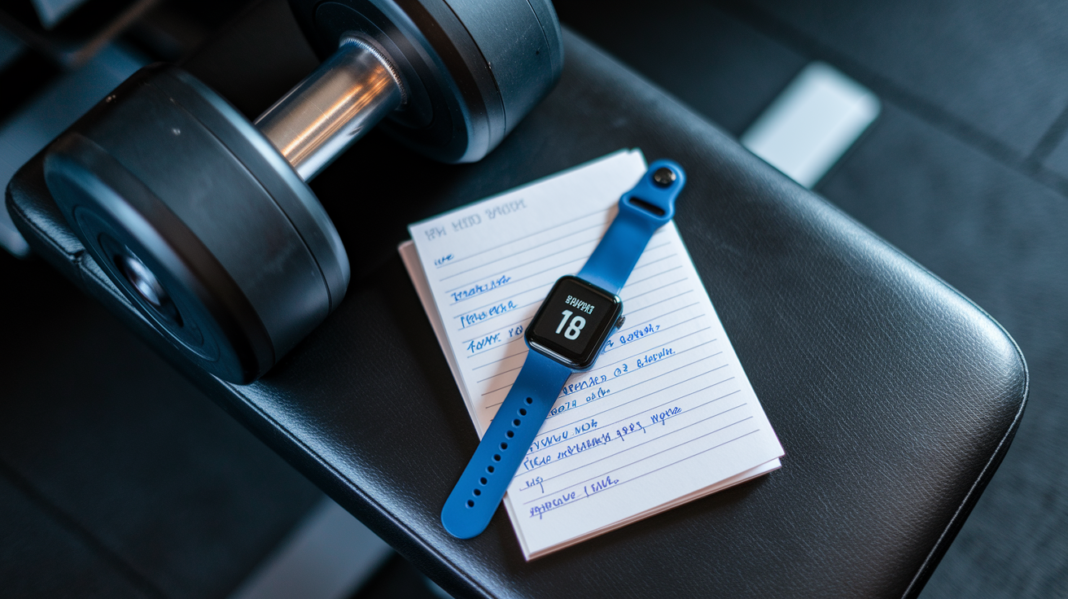

Your smartwatch may say you’re recovered, but your legs might still feel like concrete.
Recovery isn’t a single number. It’s dozens of small signals that add up.
In this post you’ll learn the best ways to measure workout recovery accurately, using easy morning checks, sleep tracking, heart rate measures, soreness scales, and quick performance tests.
The aim is simple. Combine how you feel with a few reliable metrics to spot patterns and pick small, testable changes to training.
Try these methods for a week and see what your body is actually asking for.
Top Methods To Measure Workout Recovery Right Now

Recovery isn’t something you can pin down with one number. Your body sends out dozens of small signals every day, and the trick is catching enough of them to see the real picture. That’s why the best approach blends how you feel, like soreness or sleep quality, with the hard numbers from a device or a quick morning check.
Relying on just one measurement is where people get tripped up. A wearable might say you’re fully recovered while your legs feel like concrete. Or you might feel fine but your resting heart rate is quietly climbing. Combining what you feel with what you measure gives you a fuller, more honest read on where you actually stand, so you can make smarter calls about training.
Here are the top recovery measurement methods covered in this article:
- Heart Rate Variability (HRV)
- Resting Heart Rate (RHR)
- Sleep Duration and Quality
- Muscle Soreness and Perceived Recovery Scale (PRS)
- Heart Rate Recovery (HRR)
- Performance and Jump Tests
- Training Load Ratios (ACWR)
- Wearable Recovery Scores
So what do you do with all this data? Here’s the simple rule. When two or more metrics flag poor recovery at the same time, that’s your cue to scale back. One off number isn’t a crisis. But a pattern, like elevated RHR plus choppy sleep plus a sore lower back, is your body asking for a lighter day.
Low-Tech And Free Ways To Track Recovery

You don’t need fancy gear to start measuring recovery. Some of the most reliable signals come from a few minutes of attention each morning, no app or subscription required. These low-tech methods are a great starting point, especially if you’re new to tracking.
Resting Heart Rate (RHR) Checks
Measure your RHR first thing in the morning, before coffee, before scrolling your phone. Lie down or sit quietly for about 5 minutes, then count your pulse or use a simple finger sensor.
For most adults, a normal RHR sits somewhere between 60 and 100 bpm. Trained athletes often run lower, in the 40 to 60 bpm range. The number itself matters less than the trend. If your RHR jumps more than 5 bpm above your usual baseline, or stays elevated for two days or more, treat that as a signal to ease off.
Muscle Soreness And DOMS Scales
Delayed onset muscle soreness, or DOMS, is that stiff, achy feeling that shows up a day or two after a hard session. Rate it daily on a 0 to 10 scale. 0 means no soreness, 1 to 3 is mild, 4 to 6 is moderate, and 7 to 10 is severe.
If your soreness hits 4 or higher and it’s actually limiting your movement, that’s a clear sign to dial back the next session rather than push through.
Perceived Recovery Scale (PRS) And How You Feel
The PRS works similarly, a 0 to 10 self-rating of how recovered you feel. A score of 7 or above usually means you’re ready to go. Anything 5 or below suggests your body needs more time.
This comes down to actually listening to what your body’s telling you. If you wake up tired and go to bed feeling even more drained, that’s often overtraining talking. Sluggishness, grogginess, or just feeling off. These aren’t things to brush past.
These methods cost nothing and take just a couple minutes a day. Log them consistently for one to four weeks, and you’ll start to see your own personal baseline take shape, which makes every future reading far more useful.
Sleep-Based Ways To Measure Workout Recovery

Sleep might be the single most powerful recovery signal you have access to, and it’s worth understanding why. Deep sleep, also called phase three sleep, is when your body does most of its physical repair work. Muscle tissue rebuilds, growth hormone gets released, and your nervous system settles down from the day’s stress. Deep sleep typically makes up about 13 to 23 percent of your total sleep. When that percentage drops consistently below your normal range, it’s a strong clue that recovery is falling short, even if your total hours look fine on paper.
Night awakenings tell their own story. Most people naturally wake two or three times a night without even remembering it. That’s normal. But if you’re waking up repeatedly, staying awake longer than usual, or struggling to fall back asleep most nights, that pattern often points to training load that’s too high or stress piling up outside the gym. Ask yourself, what changed this week? A string of restless nights is rarely random.
As for practical targets, aim for 7 to 9 hours of total sleep most nights, with a sleep efficiency above 85 percent (meaning the time you’re actually asleep versus time spent tossing around in bed). Many consumer wearables now track sleep stages automatically, giving you a nightly breakdown of deep sleep, REM, and light sleep. Think of sleep like charging your phone. A short charge gets you through a few hours, but a full charge is what actually changes your day.
Heart Rate Variability (HRV) As A Recovery Measurement Tool

Heart rate variability, or HRV, measures the tiny variations in time between your heartbeats. It sounds technical, but the idea is simple. More variability generally means your nervous system is relaxed and recovered, while less variability often signals stress or fatigue building up. The specific number tracked is called rMSSD, measured in milliseconds.
To measure it, take a reading in the morning, lying down or seated, for 60 to 180 seconds. A chest strap tends to give more accurate readings than a wrist sensor, though validated optical sensors on rings and watches have gotten better over the years.
Typical rMSSD values range widely, anywhere from 20 to 150 ms depending on your age and fitness level. Endurance athletes often land somewhere between 50 and 120 ms, while active adults in general tend to fall in the 50 to 100 ms range. High performers can push past 100 to 140 ms or more. If your number drops below 30 ms, that often points to poor recovery or high stress.
Here’s the thing about HRV though, your number matters far less than your own trend over time.
Final Words
You learned quick, practical tools to watch recovery: no-cost checks like resting heart rate, soreness and PRS; sleep targets and night awakenings; HRV and performance tests; and simple decision rules.
What to do next: pick 2 to 3 measures that fit your life, track them each morning for 1 to 4 weeks to set a baseline, then you’ll use the rule: if two or more flags show up, scale back or try active recovery.
Using these best ways to measure workout recovery will help you tune training to how your body actually heals. Small tests, small changes, better progress.
FAQ
Q: How to measure your recovery heart rate?
A: Measuring your recovery heart rate involves checking how fast your heart rate falls after exercise. Take your peak rate, then measure at one and two minutes, with larger drops showing better recovery.
Q: How to maximize post-workout recovery?
A: To maximize post-workout recovery, prioritize good sleep, rehydrate, eat protein and carbs within a few hours, use light active recovery, and reduce training load when multiple recovery markers are poor.
Q: How is recovery calculated in Whoop?
A: Recovery on Whoop is calculated by combining your heart rate variability, resting heart rate, and recent sleep patterns into a daily readiness score from 0 to 100 estimating physiological recovery.
Q: What is the 3-2-1 rule for working out?
A: The 3-2-1 rule for working out is a weekly balance: three focused training days, two lighter activity days, and one full rest day to manage training stress and support recovery.