



What if your job is quietly wearing down your body?
Chronic workplace stress doesn’t just make you irritable, it raises heart strain, wrecks sleep, and shows up as headaches, stomach trouble, and slower recovery.
That ongoing, low-grade pressure is different from a busy week, it’s the kind that stays with you into evenings and weekends.
This article shows the hidden harms linked to long-term job strain, simple ways to track signals, and small tests to try this week.
Notice the signals, spot patterns, try one clear change, then reassess.
The Health Consequences of Workplace Pressure at a Glance

Job stress can genuinely mess with your body and mind, especially when high demands keep piling up without enough control, support, or time to recover. This isn’t just “in your head.” The physical effects of ongoing work stress are real, measurable, and worth paying attention to, particularly when pressure doesn’t let up.
There’s a real difference between a hard week and harmful chronic stress. A tough deadline that leaves you wiped out on Friday but better by Sunday is normal. The bigger concern shows up when that tired, wired feeling sticks around during evenings, weekends, even vacation. Duration matters. So does severity, how well you’re recovering, and whether stress is getting in the way of your daily life, work, sleep, relationships, all of it.
Everyone responds differently to the same pressure. Job stress might be one piece of a larger puzzle rather than the single cause of a health issue you’re dealing with. That’s why it helps to look at patterns over time instead of jumping to conclusions from one bad week.
| Health Domain | High-Level Effect | Why Persistent Stress Matters |
|---|---|---|
| Physical health | Increased strain on the heart, immune system, and digestion | Ongoing activation keeps the body in a heightened state, limiting recovery time |
| Mental health and sleep | Higher risk of anxiety, low mood, and disrupted sleep | Poor sleep and emotional strain tend to reinforce each other over time |
| Concentration and daily functioning | Reduced focus, slower decisions, more mistakes | Cognitive fatigue builds when the mind never fully downshifts |
How Does Chronic Workplace Stress Produce Health Problems?
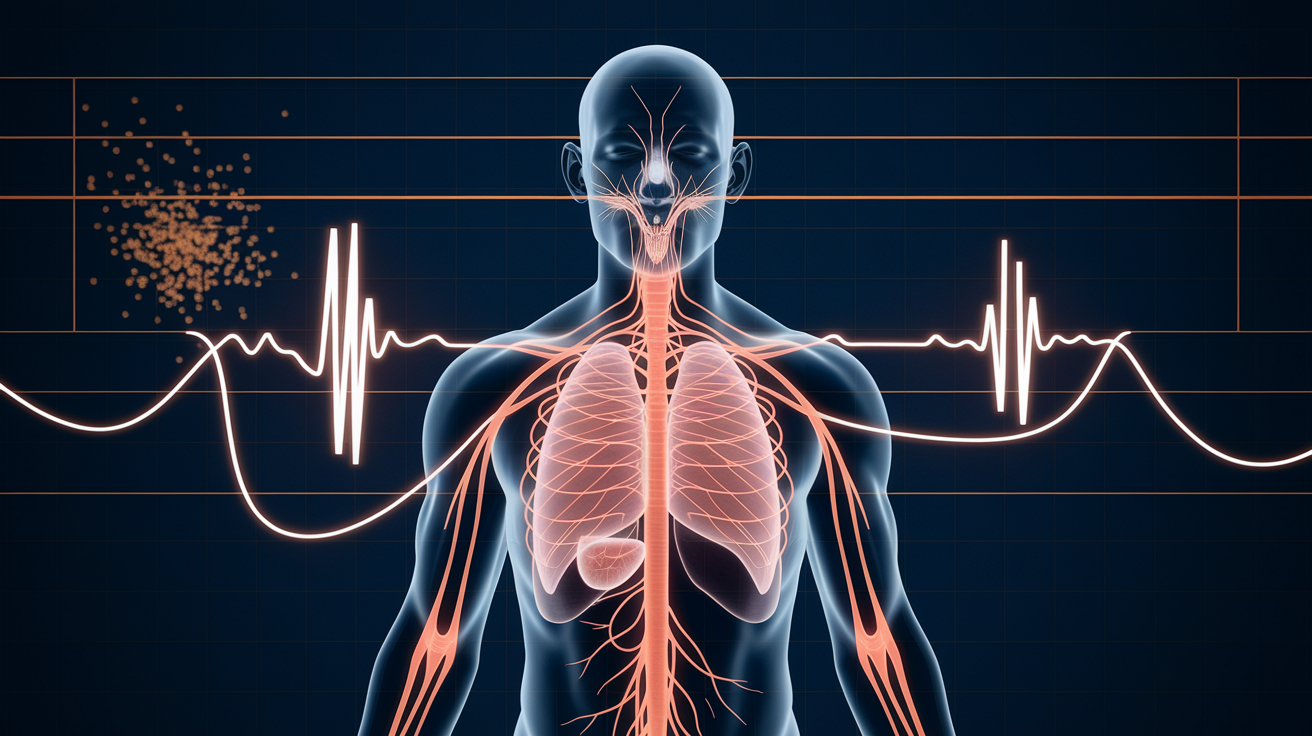
When a demand shows up, like a tight deadline or a tense meeting, your body responds with a fight or flight reaction. Heart rate climbs, muscles tense, focus sharpens. This is actually useful when the stressor is short lived. Your body ramps up, handles the challenge, then settles back down once it passes. That’s the system working the way it’s supposed to.
The trouble starts when that response doesn’t get to switch off. Repeated workplace strain can keep the hypothalamic pituitary adrenal axis, the body’s main stress response system, and the autonomic nervous system activated far longer than intended. Cortisol regulation gets thrown off. Researchers sometimes call the wear and tear from this repeated activation “allostatic load,” basically the cumulative cost of a body that keeps gearing up without fully returning to baseline. Over time, that delayed recovery is thought to be part of how chronic stress contributes to health problems.
Sleep plays a bigger role here than people often realize. Inadequate recovery and disrupted sleep don’t just result from stress, they can also feed back into it, making the whole cycle harder to break. Stress related habits add another layer. Skipping meals, drinking more coffee or alcohol, cutting workouts, these behaviors can act as a bridge between what’s happening at work and what shows up in the body later.
So how do we know any of this? Researchers lean on a mix of tools, self reported surveys, long term observational studies, biomarkers like cortisol levels, and heart rate variability measurements, plus meta analyses that pool findings across many studies. Each method has blind spots. Self reports can be shaped by mood or memory. Long term studies have to wrestle with reverse causation, does stress cause poor health, or does poor health make work feel more stressful. Confounding factors, like income, existing conditions, occupation type, and lifestyle, muddy the picture further. Clinical grade physiological measurements are different from consumer wearable estimates, and that’s worth keeping in mind. A smartwatch might show your resting heart rate creeping up during a busy stretch, and that can be a useful personal clue, but it can’t diagnose anything or prove that work is the cause.
What Physical Health Problems Are Associated With Job Stress?
Ongoing job strain has been linked to a wide range of physical symptoms, touching nearly every system in the body. It’s worth separating common, everyday symptoms from diagnosed medical conditions, since the two aren’t the same thing. Most people experience the former without ever developing the latter.
Heart and Circulatory Health
In the short term, stress raises heart rate and blood pressure, part of that fight or flight response kicking in. When this happens over and over without enough recovery, researchers have found associations with longer term cardiovascular strain, including elevated blood pressure and cholesterol concerns. One frequently cited figure suggests high strain jobs are linked with up to a 23% higher heart attack risk. That’s a reported association across groups of workers, not a personal prediction for any one individual, but it’s a signal worth taking seriously.
Immune Function and Inflammation
Stress seems to blunt immune response, which may explain why some people catch colds more often or take longer to bounce back from minor illness during stressful stretches. Researchers sometimes measure inflammation markers to study this connection, but these markers are nonspecific. They can rise for lots of reasons, so they’re a piece of the puzzle rather than proof that stress alone is behind a particular illness.
Metabolic and Digestive Health
Nausea, stomach pain, bloating, and IBS like symptoms show up often in people under sustained work pressure. Appetite changes, eating more or less than usual, are common too. Over time, these shifts can contribute to weight changes and play into broader metabolic risk, including metabolic syndrome and type 2 diabetes, especially when stress also disrupts sleep and activity levels.
Headaches, Muscle
Final Words
Ongoing workplace pressure can wear on sleep, mood, focus, and physical health, while short bursts of stress often ease once you get proper recovery.
You learned how repeated activation of stress systems, poor recovery, and behavior changes can link work strain to health, which warning signs to watch, and simple day-of tools plus recovery habits. The post also gives a straightforward tracking plan to spot patterns.
Try one change for two weeks, track results, and share notes with a clinician or manager if things don’t improve. Understanding the job stress impact on health makes small tests clearer — and small steps can add up.
FAQ
Q: What is the 42% rule for burnout?
A: The 42% rule for burnout refers to a commonly cited survey finding that about 42% of workers report feeling burned out, used as a reminder that job stress is widespread, not a clinical cutoff.
Q: What are signs your body is shutting down from stress?
A: Signs your body is shutting down from stress include persistent extreme fatigue, fainting or dizziness, chest pain, severe breathlessness, confusion, or inability to do usual tasks. Get urgent medical help if these happen.
Q: How to get signed off with stress?
A: Getting signed off with stress means seeing a primary care clinician, explaining how stress impairs your daily function, bringing symptom notes or work examples, requesting a medical fit note, and following their return-to-work plan.
Q: How not to let work stress you out?
A: Not letting work stress you out means setting clear boundaries, using short breathing or movement resets, prioritising tasks, scheduling recovery time, asking for support, and tracking one small change to see if it helps.