

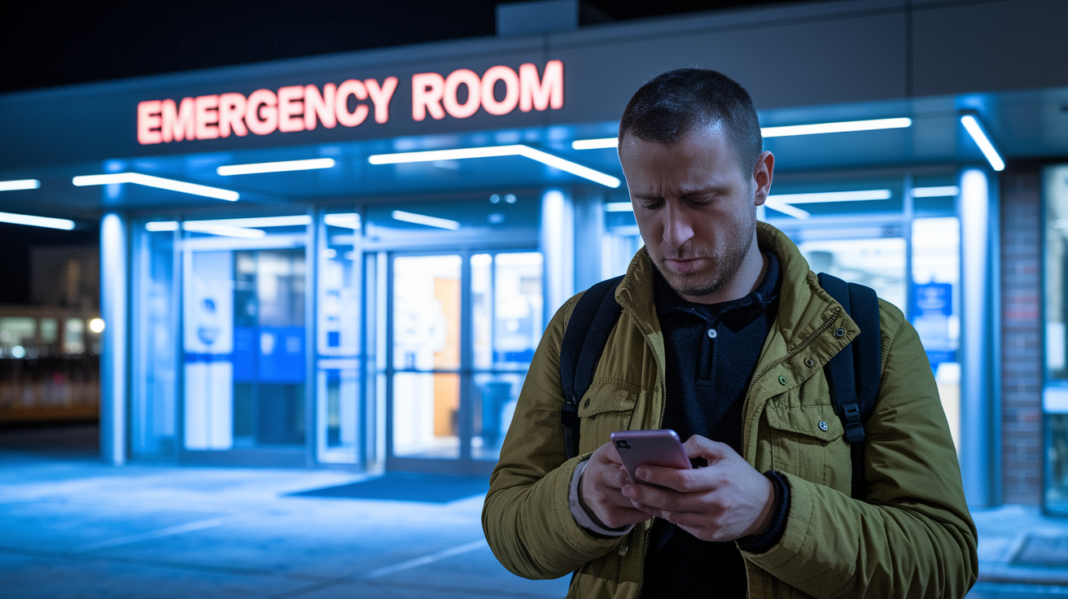

What if the “stress” you shrug off is actually your body screaming for help?
You’d want to know, fast.
This post shows the clear warning signs when stress becomes extreme: physical signals like a racing heart or crushing fatigue, emotional and thinking changes such as panic or foggy thinking, and behavioral shifts like pulling away or risky coping.
You’ll also get simple guidance on when to seek professional or emergency help, plus quick, doable steps to steady yourself while you arrange support.
When Stress Requires Professional or Emergency Help

Stress tips over into something more serious when three things happen: the symptoms are severe, they stick around after the stressful event has passed, or they start getting in the way of sleep, work, relationships, or basic self care. That’s the line between a normal rough patch and extreme stress that needs attention.
Here’s how it tends to show up, broken into three categories.
- Physical: persistent sleep disruption, chest tightness or a racing heartbeat, and pronounced exhaustion that doesn’t let up.
- Emotional or cognitive: panic, trouble concentrating or making even small decisions, and a sense of hopelessness or being completely overwhelmed.
- Behavioral: withdrawing from people, neglecting responsibilities, aggression, and leaning more heavily on alcohol or drugs to cope.
Once you’ve spotted one or more of these, the next question is what to actually do about it. Think of it as three levels of response.
- Arrange professional help when symptoms persist, get worse, or start interfering with your everyday functioning.
- Seek urgent medical evaluation for new or severe chest pain, trouble breathing, fainting, stroke like symptoms, or an irregular heartbeat.
- Contact emergency or crisis services immediately if suicidal thoughts show up, or if there’s a risk of harm to someone else.
While you’re figuring out next steps or waiting for help to arrive, a few things can help stabilize you in the moment. Try grounding yourself (name what you see, hear, and feel around you), slow your breathing down, cut the noise and stimulation where you can, and reach out to someone you trust. These steps can genuinely help you feel steadier. But they’re not a replacement for medical assessment or emergency care when things are severe.
How the Body and Mind Respond to Extreme Stress
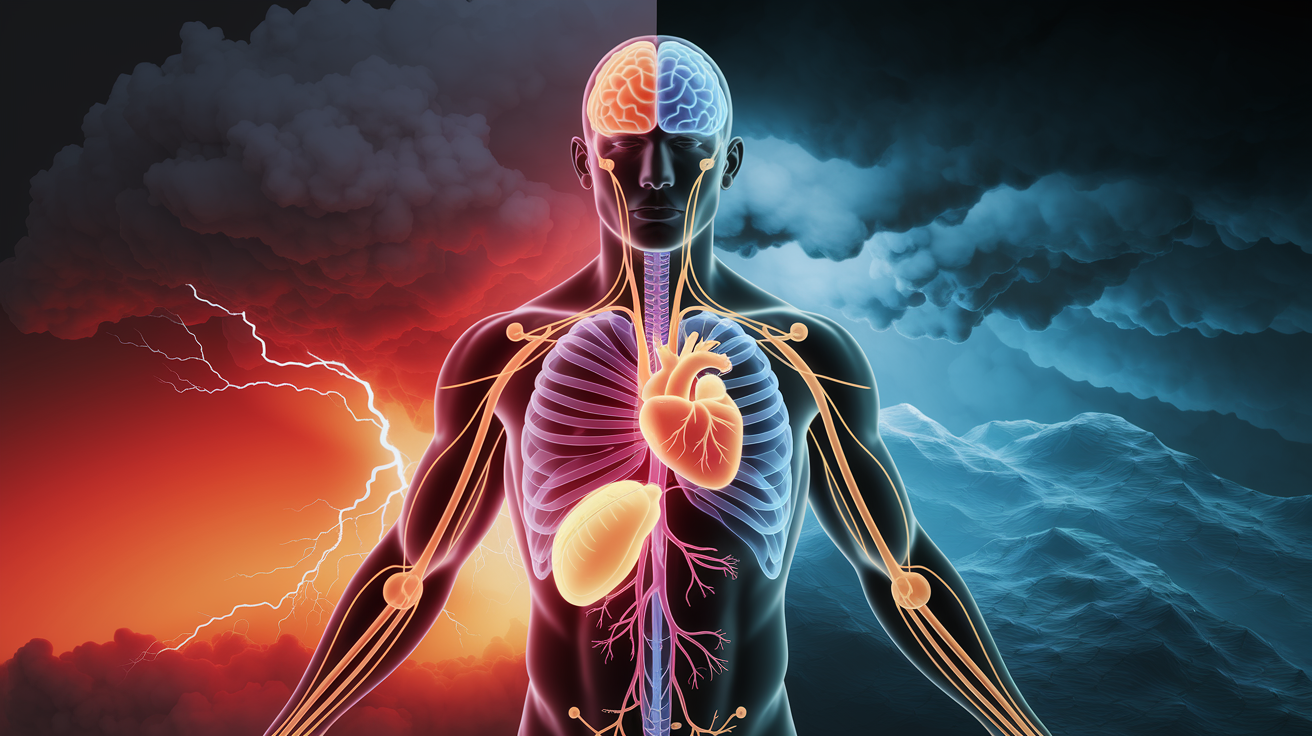
Your body’s stress response, often called fight or flight, is actually a pretty smart system. When you face a threat, real or perceived, your body floods with adrenaline and cortisol, your heart rate climbs, and your muscles tense up, ready for action. This response is supposed to be short. It helped our ancestors outrun predators, and it still helps you slam the brakes when a car cuts you off. The problem starts when this system doesn’t switch off.
That’s where the HPA axis comes in, the communication loop between your brain and adrenal glands that controls your stress hormones. When stress keeps coming, or never really resolves, this axis stays switched on, and cortisol keeps circulating at higher levels than your body was built to handle. Over time, this sustained exposure can weaken your immune system, making you more prone to getting sick. It also strains your cardiovascular system, raising blood pressure and heart rate more often than is healthy. Digestion can suffer too, with bloating, cramping, or irregular bowel habits. And cognitively, this is often where the fog rolls in. Memory lapses, trouble focusing, that scattered feeling of not being able to think straight.
One telltale sign your nervous system is stuck in overdrive is hypervigilance, that persistent feeling of being on edge, scanning for problems, unable to fully relax even when nothing is actively wrong. It’s your body still bracing for a threat that may have already passed. This is a strong clue the system hasn’t found its way back to a calm baseline.
How Severe Physical Symptoms Develop and Persist
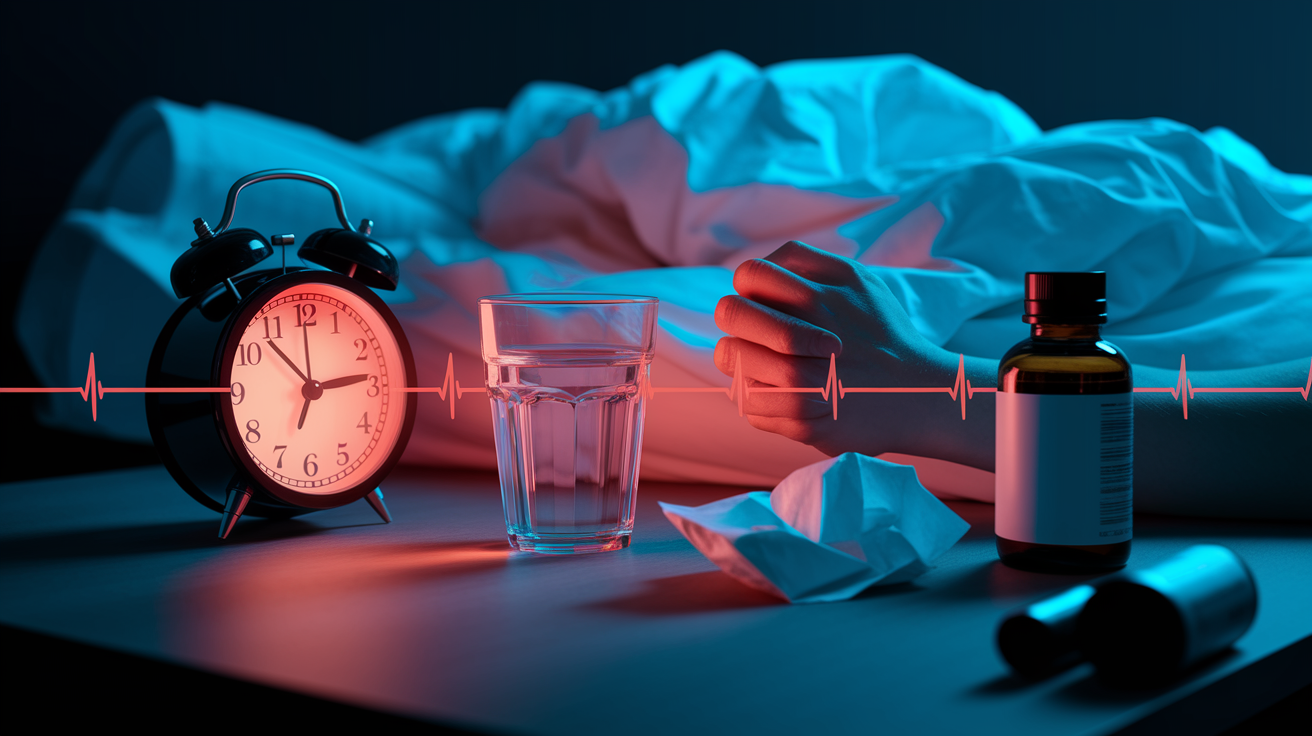
Here’s the tricky part. Physical symptoms often show up before you even realize you’re stressed emotionally. Your body starts sounding alarms. Tight shoulders, an upset stomach, a headache that won’t quit, while your mind is still insisting everything’s fine. Several body systems can be affected at once, which is part of why extreme stress can feel so confusing and overwhelming to pin down.
Cardiovascular and respiratory symptoms are common early signals. Sustained arousal, your body staying revved up for too long, can contribute to heart palpitations, shallow upper chest breathing, trembling hands, and tension headaches. Jaw clenching and tight neck or shoulder muscles often come along for the ride too. What matters here isn’t just that these symptoms exist, but whether they’re recurring, getting more intense, or showing up without your body getting a real chance to recover in between.
Sleep is often one of the first casualties. You might notice yourself waking at 2 or 3 in the morning with racing thoughts, or having vivid, restless dreams that leave you feeling unrefreshed even after a full night. Digestive changes tend to follow a similar pattern. Bloating, reflux, cramping, or swings between diarrhea and constipation. You may also notice you’re catching colds more often, your energy stays low no matter how much you rest, your appetite shifts, or your libido and menstrual cycle change. None of these show up in isolation for most people. They tend to cluster together.
When you’re trying to make sense of what you’re experiencing, context matters as much as the symptom itself. Ask yourself about intensity, how long it’s been going on, whether it’s a repeating pattern, and how much it’s affecting your ability to function day to day. Stress can absolutely contribute to physical symptoms, but it shouldn’t be assumed to be the only explanation, especially for new or unfamiliar symptoms. If something feels sudden, severe, or out of character for you, go back to the urgent action guidance above rather than waiting it out.
Emotional, Cognitive, and Behavioral Patterns

Emotionally, extreme stress often shows up as worry that’s hard to shut off. You might notice persistent irritability, a short fuse, a sense of panic that comes out of nowhere, restlessness that won’t settle, or a mood that’s been steadily sliding for weeks. What matters more than any single bad day is the pattern. How often it happens, how intense it gets, and whether you’re able to bounce back once the stressful situation has passed.
Cognitively, this often looks like trouble concentrating, struggling to make decisions that used to feel easy, racing thoughts that won’t slow down, or forgetfulness that feels unlike you. Maybe you’re finding it hard to organize your day or even finish simple tasks you’d normally knock out without thinking. These changes ripple outward, affecting your work, your relationships, and honest
Final Words
When symptoms are severe, continue after the stressor, or knock out sleep, work, or self-care, act right away.
This piece gave a compact triage: three thresholds that mark extreme stress, a short checklist of physical, emotional or cognitive, and behavioral clues, and three action levels—from arranging professional help to urgent medical evaluation and emergency crisis services.
Try quick stabilizers like grounding, slow paced breathing, reducing noise, and reaching out to someone, then track what changes. If you spot extreme stress warning signs, get help. Support often brings relief and you don’t have to handle this alone.
FAQ
Q: How to deal with emotional distress?
A: To deal with emotional distress, name what you feel, try grounding and slow breathing, track triggers for a few days, and reach out to a trusted person or a professional if it doesn’t ease.
Q: What are some good websites for relieving stress?
A: Good websites for relieving stress include the CDC and NHS for practical coping guides, Mind for peer-friendly tips, the Anxiety and Depression Association for CBT resources, and Headspace or Calm for short guided practices.
Q: Why do I get sick after relaxing?
A: Getting sick after relaxing happens because your body shifts from high stress to rest, revealing delayed symptoms; changing cortisol and immune shifts can cause fatigue, aches, or mild infections to surface.
Q: What are some stress management activities for students?
A: Stress management activities for students include 25-minute study blocks with short breaks, brief walks or stretching, simple breathing exercises, consistent sleep anchors, regular meals, and using campus counseling or peer support.