



Could stress make you vomit?
Yes — it’s a real body response, not just “in your head.”
When your brain senses a threat it flips the fight-or-flight switch and sends stress signals and hormones down the gut-brain highway, and for some people that can push nausea into actual vomiting.
In this post I’ll show common triggers, explain the gut-brain link in plain language, and offer small, testable steps to spot patterns and try next.
When Emotional Stress Leads to Nausea and Vomiting

Yes, psychological stress can cause real, physical nausea and vomiting. This isn’t “all in your head” in the dismissive sense. When your brain perceives a threat, whether it’s a real danger or a looming deadline, it sets off the fight-or-flight response, releases stress hormones, and sends signals along the gut-brain connection that can temporarily throw digestion off balance. We’ll walk through exactly how that chain of events works in the next section, but for now, just know this. Stress-induced vomiting is a documented, physical response, not a character flaw or an overreaction.
Here’s the thing, though. An occasional episode that’s clearly tied to a stressful event, like throwing up before a big exam, often settles down once the stress response calms. But repeated vomiting shouldn’t automatically get pinned on anxiety, even if stress seems like the obvious culprit. Some warning signs mean it’s time to get checked out right away, no waiting required. Blood or coffee ground material in vomit, severe abdominal pain, chest pain, confusion, fainting, being unable to keep any fluids down, or signs of dehydration like a dry mouth or infrequent, dark urine. These aren’t things to track and reassess later. They need medical attention now.
To give you a sense of scale, research suggests about 11.3% of people with panic disorder report frequent vomiting as a symptom. That’s a meaningful number, but it’s worth being careful with it. It describes one specific group, people diagnosed with panic disorder, not everyone who deals with stress-related nausea or occasional anxiety vomiting. Psychological stress and vomiting can absolutely be connected, but that connection looks different for different people.
The Physiological Mechanism Behind Stress Vomiting
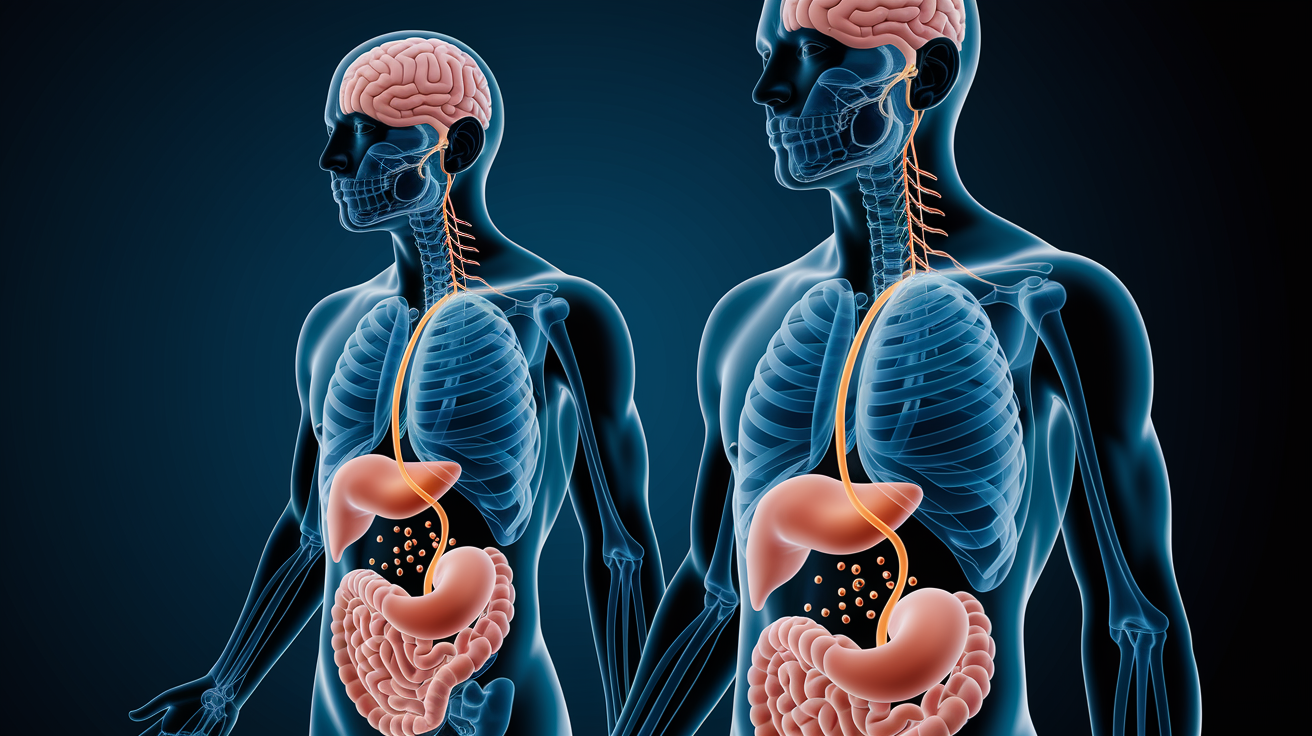
It all starts with the fight-or-flight response. When your brain senses a threat, real or imagined, it triggers your autonomic nervous system to prepare your body for action. This is an ancient survival mechanism, and it doesn’t distinguish well between a charging predator and an overflowing inbox. Either way, your body gets the same urgent signal. Get ready to fight or run.
Here’s where the gut-brain axis comes in. Your gut and brain are in constant communication through the vagus nerve, a long nerve that runs from your brainstem down into your abdomen. During a calm state, the vagus nerve helps keep digestion humming along smoothly, sometimes called its “soothing” role. But during acute stress, that vagal activity gets disrupted. Digestion slows, the stomach tightens, and the normal rhythm that moves food through your gut gets thrown off. This is one of the clearest physiological mechanisms linking emotional stress to a physically upset stomach.
At the same time, your adrenal glands release stress hormones like adrenaline and cortisol. Adrenaline diverts blood flow away from the digestive system and toward your muscles, since historically, you needed strength to fight or run, not to digest lunch. This vasoconstriction in the gut, combined with increased stomach acid, can bring on genuine nausea. Add in hyperventilation and tense abdominal muscles, both common during high anxiety, and you get an extra layer of dizziness and queasiness stacked on top.
Mornings can be rough for this reason. Cortisol naturally peaks shortly after waking as part of your body’s normal rhythm. For someone already dealing with anxiety, that natural cortisol surge can overstimulate an already sensitive nervous system, which is part of why morning nausea shows up so often in people prone to stress-related nausea.
Common Causes and Risk Factors for Stress Vomiting
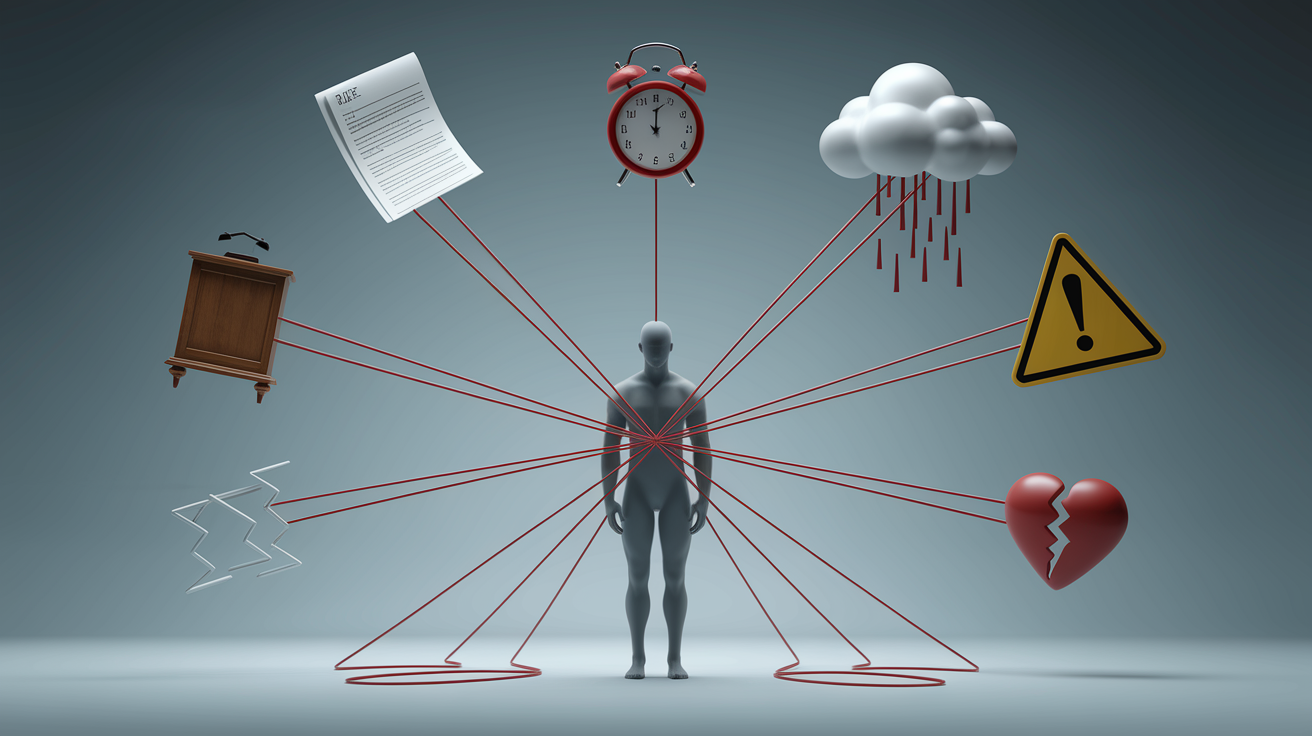
Not everyone who feels stressed ends up vomiting, so what tips the scale? Usually, it comes down to a combination of underlying conditions, the intensity of the emotional trigger, and how sensitive someone’s body is to stress signals in the first place. Here are the main causes and risk factors worth knowing about.
- Pre-existing anxiety disorders, including generalized anxiety disorder and social anxiety, which keep the nervous system on alert more often than not
- Panic disorder specifically, where sudden intense fear can trigger a rapid physical cascade, vomiting included
- Post-traumatic stress disorder (PTSD), where triggers can provoke a full-body stress response, vomiting included
- Performance or anticipatory anxiety, like nerves before an exam, a speech, or a big work presentation
- High emotional sensitivity, including intense grief, hard crying, or overwhelming fear
- Chronic ongoing stress that keeps the body’s stress response activated for extended stretches, wearing down its usual coping capacity
So why does one person shrug off a stressful week while another ends up vomiting from the strain? A lot of it comes down to individual stress sensitivity. Some nervous systems simply react more strongly to perceived threats. Prior trauma can also lower the threshold, making the body quicker to interpret stress as danger. And chronic stress that builds up over weeks or months can leave someone more vulnerable to a physical tipping point, even from a relatively minor trigger.
If stress vomiting keeps happening, it’s worth paying attention. One episode tied to an unusually hard day is one thing. A pattern is another. Repeated episodes may point to an underlying anxiety disorder that’s worth bringing up with a qualified healthcare professional, not to self-diagnose, but to get a clearer picture and some real support.
Recognising the Symptoms of Stress Vomiting

Stress vomiting rarely shows up alone. It tends to travel with a cluster of other physical and emotional signals that suggest your nervous system is in overdrive. That said, some people notice nausea or vomiting as their main, or even only, sign that anxiety is present, without feeling obviously “anxious” at all.
Keep an eye out for these common companions:
- Rapid heartbeat
- Sweating or trembling
- Stomach pain or a tight, knotted feeling
- Feeling faint or lightheaded
- Excessive worry or trouble focusing
- Shortness of breath
- Muscle tension or trouble sleeping
Timing
Final Words
You saw that emotional stress can cause nausea and vomiting through the fight-or-flight response, stress hormones, and gut-brain signals that disrupt digestion. That’s the core idea.
Occasional episodes often settle as the stress response eases. But repeated vomiting shouldn’t automatically be blamed on anxiety. Seek help for red flags like blood or coffee-ground material in vomit, severe belly or chest pain, fainting, confusion, or inability to keep fluids down.
Track symptoms, try small tests, and share notes with a clinician. Tracking helps pin down stress vomiting causes and find what helps. Small steps add up.
FAQ
Q: How to deal with anxiety and vomiting?
A: Dealing with anxiety and vomiting means calming the stress response and protecting fluids. Try slow belly breaths, tiny sips of water or electrolyte, a quiet cool spot, and bland food when hungry. Track triggers and see a clinician if frequent.
Q: What could be causing me to vomit every hour?
A: Vomiting every hour could be caused by severe illness—like infection, blockage, medication effects, food poisoning, dehydration, or intense stress reactions. Getting medical care quickly is important, especially if you can’t keep fluids down or have blood.
Q: How to tell if vomiting is from stress?
A: Telling if vomiting is from stress means looking for links to worry or events, plus signs like racing heart, sweating, shortness of breath, tight stomach, and relief once stress eases. Track patterns and see a clinician if unclear.
Q: What could be causing me to throw up but nothing comes out?
A: Throwing up but nothing comes out often means retching or dry heaves from intense nausea, delayed stomach emptying, blockage, or stress-triggered gagging. If it’s persistent, painful, or you can’t keep fluids, seek medical care.