



What if your headaches, tight jaw, and belly aches are your body’s way of saying you’re under too much pressure?
Stress doesn’t stay in your head, and it shows up as real physical clues: chest tightness, a rumbling stomach, a wired-but-tired feeling, or skin flare-ups.
Read on for a quick symptom checklist, simple ways to test whether stress is the likely cause, and easy next steps you can try today.
You’ll also get clear signs that mean it’s time to see a clinician.
What Stress Does To Your Body: Immediate Symptom Checklist
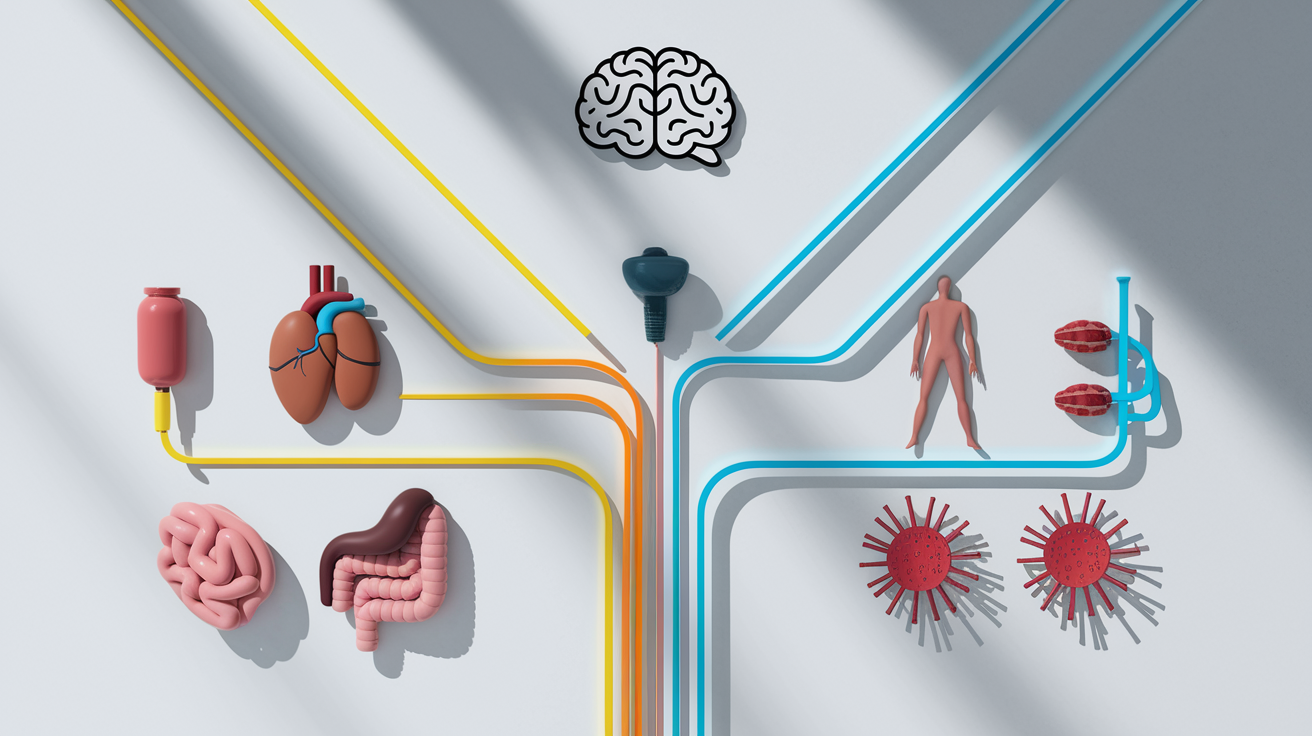
Stress isn’t just something you feel in your head. It shows up in your body too, and the effects are real and measurable. Sometimes symptoms hit fast during a stressful moment, like a tight chest before a big presentation. Other times they build slowly over weeks of ongoing pressure, like a nagging headache that just won’t quit.
If you’re here to do a quick check, here’s a fast list of the most common stress related physical symptoms people notice:
- Headaches or migraines
- Jaw clenching or TMJ discomfort
- Neck, shoulder, back, or general muscle tension
- Chest tightness or palpitations
- Rapid or shallow breathing
- Nausea, indigestion, or heartburn
- Diarrhoea, constipation, or abdominal discomfort
- Appetite or weight changes
- Persistent tiredness
- Difficulty falling or staying asleep
- Frequent minor illnesses or infections
- Skin flare-ups
- General shakiness or lightheadedness
When to get help right away. Seek emergency care for chest pain, severe breathlessness, fainting, facial drooping, one-sided weakness, trouble speaking, or any other stroke-like symptom. If you’re having thoughts of suicide or you don’t feel safe, contact emergency services or a crisis line immediately. Don’t wait this one out.
Here’s the tricky part. Stress can absolutely contribute to one or several of these symptoms, but just because something on this list matches what you’re feeling doesn’t automatically mean stress is the cause. Symptom overlap is common across many conditions. If what you’re experiencing is new, severe, getting worse, or doesn’t have an obvious explanation, get checked out by a healthcare professional.
Want to understand why these symptoms happen in the first place? The body system breakdown further down covers the mechanisms behind each one, along with clues that can help you tell a stress pattern apart from something that needs medical attention.
The Mind Body Connection Behind Stress Symptoms
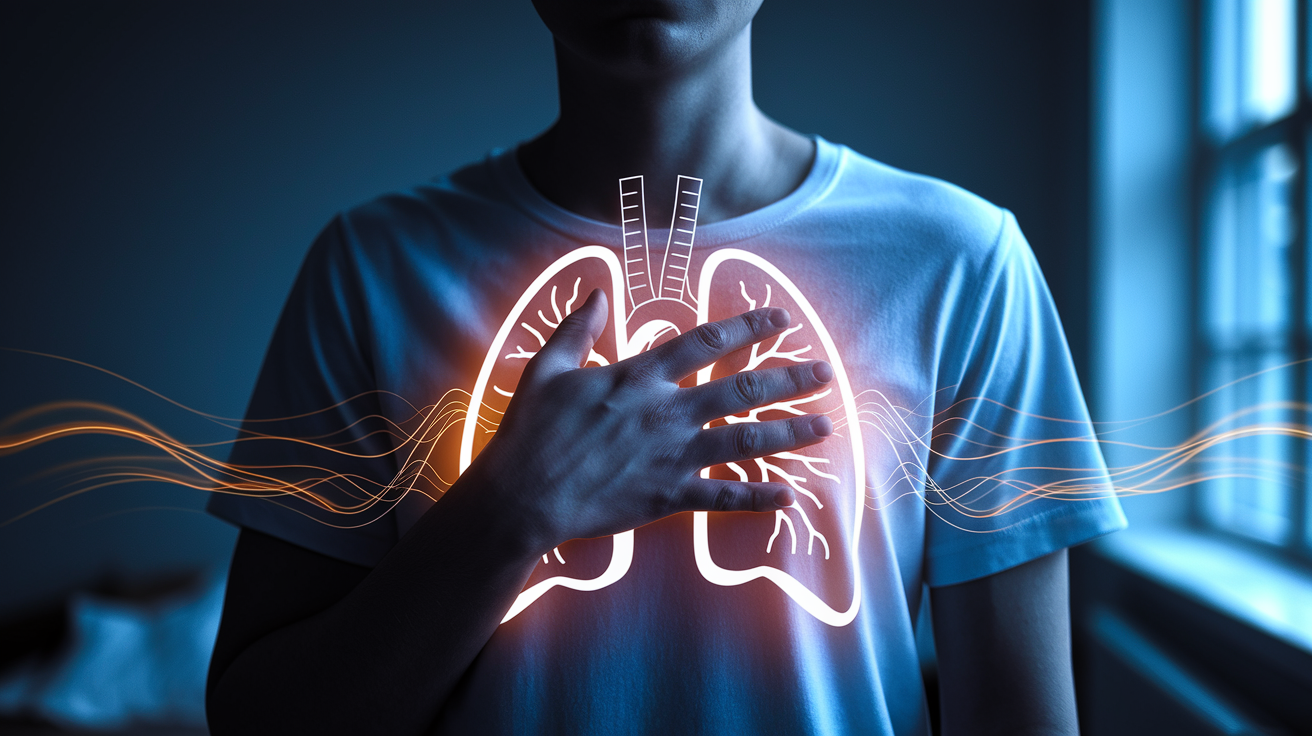
Your body doesn’t know the difference between a deadline and a real physical threat. When your brain senses pressure, it triggers the fight or flight response through the autonomic nervous system and something called the HPA axis (a communication loop between your brain and your adrenal glands). This sets off a release of adrenaline and cortisol, two hormones that prepare your body to react fast. Your heart rate climbs, your muscles tense up, and your senses sharpen. This response was built for short bursts of danger, like escaping a threat, not sitting in traffic for an hour.
And that’s where the trouble starts. A quick jolt of adrenaline and cortisol is adaptive. It helps you react, then fades once the moment passes. But when stress doesn’t let up, those hormone surges keep firing over and over, sometimes for weeks or months at a time. This repeated activation can disrupt your cardiovascular, digestive, immune, musculoskeletal, skin, sleep, and metabolic systems. Sustained cortisol elevation in particular tends to suppress your immune defenses while promoting inflammation throughout the body, which helps explain why chronic stress so often shows up as physical illness, not just a bad mood.
Picture it like a flowchart. It starts with your brain registering a stressor, moves to the release of adrenaline and cortisol, then branches out into effects across your whole body, from your heart to your gut to your skin. That visual makes it a bit easier to see how one mental trigger turns into so many physical reactions.
Stress Related Physical Symptoms By Body System
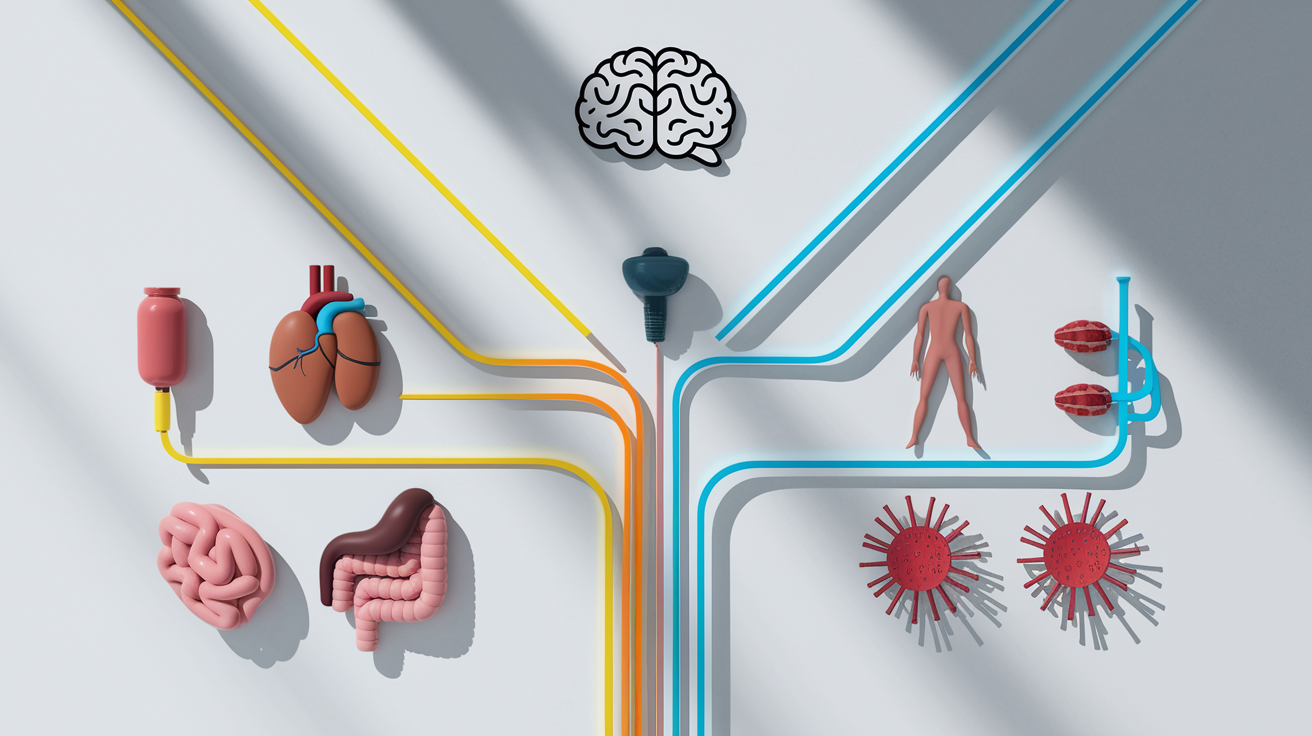
Stress rarely stays in one lane. It can hit your muscles, your gut, your heart, and your skin all around the same time, which is part of why it feels so overwhelming. The sections below dig into why these symptoms happen, how long they tend to stick around, and what clues might separate a stress pattern from something that needs a closer look.
Head, Jaw, and Muscles
When your body stays on alert, your muscles often stay braced without you even realizing it. This sustained contraction can show up as tension headaches, a tight neck or shoulders, back pain, jaw clenching, or TMJ discomfort (pain in the jaw joint that can make chewing or talking uncomfortable). The pattern usually feels like pressure or tightness that builds during demanding stretches, gets worse after sitting too long or clenching your jaw, and eases up once you relax or rest.
These symptoms can last a few hours during an acute stressful event, or come back again and again over weeks if the stressor sticks around. What’s worth flagging to a doctor: a sudden, severe headache unlike any before, new neurological changes, pain tied to an injury, fever, or symptoms that keep getting worse instead of settling.
Heart and Lungs
Adrenaline can temporarily speed up your heart rate, raise your blood pressure, and quicken your breathing. Combined with shallow, rapid breaths, this can create chest tightness, palpitations (a fluttering or pounding heartbeat), breathlessness, or even hyperventilation. These episodes often start during or right after a stressful moment and tend to settle within minutes as your body calms back down.
But timing alone isn’t proof of anything. Chest pain that’s new or severe, fainting, serious trouble breathing, or symptoms that show up with physical exertion all need prompt medical evaluation. No exceptions.
Stomach and Gut
Stress can shift how your gut moves, how much acid your stomach produces, your appetite, and even how sensitive you are to pain signals from your digestive tract. This can lead to nausea, bloating, indigestion, reflux, diarrhoea, constipation, or flares of IBS (irritable bowel syndrome). These patterns often show up before a stressful event, shift with how intense the stress feels, and can recur over days or weeks.
Watch for signs that point elsewhere: persistent vomiting, trouble swallowing, blood in your stool, unexplained weight loss, fever, or severe pain in one specific spot. Those deserve a medical visit, not a wait and see approach.
Skin,
Final Words
In the action, you saw a short checklist of common signs, a simple explanation of the brain to hormone response, and clear sections on how stress shows up in muscles, heart and lungs, gut, skin, and sleep.
The safety box names when to get urgent help. See a clinician for new, severe, worsening, or unexplained symptoms. Timing and pattern give clues but don’t prove cause.
Track a few signals for a week and try one small change. Remember, stress related physical symptoms are real and there are practical steps you can try.
FAQ
Q: Am I sick because of stress, and how can I tell if stress is affecting me physically?
A: Whether you’re sick because of stress and how to tell if it’s affecting you physically depends on patterns: headaches, stomach upset, sleep trouble, racing heart, and muscle tension. Track timing and seek medical review if new or severe.
Q: What is chronic stress disorder?
A: Chronic stress disorder is prolonged activation of the stress response, where repeated adrenaline and cortisol surges cause ongoing symptoms like fatigue, sleep problems, pain, and low mood. Get a professional assessment if daily life is affected.
Q: What are the physical signs that stress is leaving the body?
A: The physical signs that stress is leaving the body include slower heart rate, easier breathing, looser muscles, clearer sleep, steadier mood, and return of appetite. Track these changes over days to confirm a pattern.