



What if your constant tiredness isn’t about sleep at all but about stress?
If you’ve been waking up wiped out no matter how many hours you get, you’re not alone.
Chronic tension can slowly change hormones, short-circuit deep sleep, nudge inflammation up, and even sap energy at the cell level.
So rest alone often won’t do the trick.
This piece explains the main links between stress and persistent fatigue, points out clear patterns to watch for, and offers small, testable steps you can try this week.
Can Chronic Stress Cause Persistent Fatigue?

If you’ve been feeling drained for weeks, maybe months, and you’re wondering whether stress is behind it, you’re asking the right question. That heavy, can’t shake it tiredness that doesn’t lift after a good night’s sleep is one of the most common reasons people start searching for answers. It’s frustrating when rest doesn’t seem to help.
Here’s the short answer: yes, chronic stress can absolutely contribute to ongoing physical and mental fatigue. This is often called stress related fatigue, and it describes a kind of exhaustion tied to prolonged emotional or psychological strain. It’s a real pattern many people experience, and it tends to show up as tiredness that doesn’t fully resolve with normal rest. Unlike the fatigue you feel after a long day, this type can linger even when your schedule lightens up.
The rest of this article digs into how chronic stress and fatigue link together biologically, what patterns might point toward stress as a contributor, other possible causes worth ruling out, and practical steps you can try. Think of it as a roadmap, not a diagnosis. We want to help you connect the dots between how you feel and what might be driving it, so you can figure out what to try next.
Why Chronic Stress Drains Your Energy
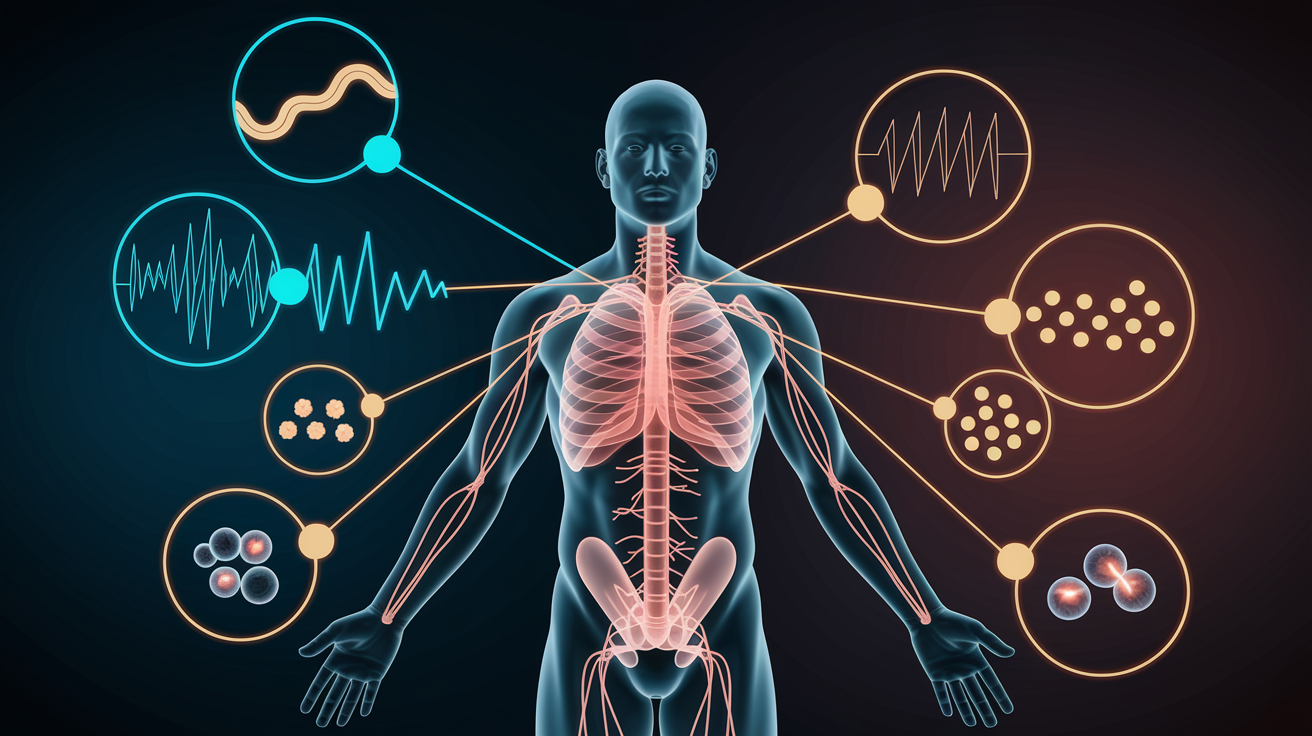
A short burst of stress, like a near miss in traffic or a tight work deadline, is designed to pass. Your body ramps up, handles the moment, then settles back down. Chronic stress works differently. It sticks around, day after day, without a real recovery window, and that’s where things start to shift.
Cortisol And HPA Axis Dysregulation
Your hypothalamic pituitary adrenal axis, often shortened to HPA axis, is the control system that manages your stress hormones. Under normal conditions, it releases cortisol in a rhythm, higher in the morning to help you wake up, lower at night so you can wind down. When stress is constant, this rhythm can get thrown off. Cortisol signaling no longer matches what your body actually needs, and that can leave energy regulation feeling unpredictable and inconsistent throughout the day.
Persistent Nervous System Activation And Allostatic Overload
Acute stress triggers your sympathetic nervous system, the “go” system that speeds up your heart rate, quickens your breathing, and tightens your muscles so you can react fast. That’s useful once in a while. But when this activation doesn’t fully switch off, it builds up. Researchers call this allostatic overload, the cumulative wear and tear on your body, mind, and emotions from stress that never fully resolves. Over time, this can also involve your brain’s alarm center becoming trigger happy, along with pathways reshaping around a default stress response instead of a calm one.
Disrupted Sleep Architecture
Chronic stress doesn’t just make it harder to fall asleep, it can change the structure of your sleep itself. You might be getting fewer deep, restorative sleep stages even if you’re technically in bed for eight hours. The result is waking up tired despite a full night’s rest, which feeds directly into daytime fatigue.
Inflammation And Immune Dysregulation
Prolonged stress can alter how your immune system behaves, often nudging it toward low grade, ongoing inflammation. This isn’t the kind you’d notice like a swollen ankle, it’s quieter, happening at a cellular level. This kind of signaling has been linked to reduced motivation, a heavy or sluggish feeling in the body, and persistent tiredness that doesn’t match your activity level.
Metabolism And Cellular Energy Production
Stress also touches how your body produces and uses energy at the cellular level. It may interfere with mitochondrial function, the tiny structures inside cells responsible for generating usable energy. When this process becomes less efficient, you may notice unstable energy throughout the day and reduced physical stamina, even for tasks that used to feel easy.
Put together, these mechanisms don’t operate in isolation. HPA axis changes can worsen sleep, poor sleep can intensify inflammation, inflammation can blunt motivation and energy production, and nervous system activation keeps the whole cycle primed. It’s less like one broken part and more like several systems leaning on each other, each one making the fatigue a little harder to shake.
Signs Your Fatigue May Be Stress Related
Stress related fatigue often has a recognizable shape, a cluster of symptoms that tend to show up together. But here’s the tricky part: it’s not a diagnosis, and these same symptoms can overlap with other medical conditions. Noticing a pattern is a useful clue, not proof.
- Persistent exhaustion that does not improve adequately with rest
- Unrefreshing sleep or waking tired
- Muscle tension or recurring headaches
- Digestive discomfort during periods of strain
- Difficulty concentrating, indecisiveness, or brain fog
- Memory lapses
- Mood swings, irritability, anxiety, or low mood
- Increased sensitivity to noise or social interaction
When several of these show up around the same time, especially during a stretch of high pressure at work, home, or elsewhere, stress becomes a plausible contributor worth paying attention to. Brain fog and indecisiveness often travel alongside physical signs like muscle tension and poor sleep. And for many people, anxiety driven exhaustion or a depression overlap can make it hard to tell where stress ends and a mood condition begins, since both can produce very similar tiredness.
Other Causes And When To Seek Medical Evaluation
Fatigue has company. Anemia, thyroid disease, infections, certain medications, sleep apnea, and depression can all produce exhaustion that looks a lot like stress related fatigue. Some of these conditions share overlapping symptoms, which is exactly why ruling them out matters. If your fatigue is severe, doesn’t improve no matter what you try, or comes with other red flags like unexplained weight changes, fever, or chest pain, it’s time to loop in a healthcare provider rather than guessing at the cause on your own.
Final Words
in the action, you feel persistently drained and want a clear answer. This post said chronic stress can cause ongoing physical and mental tiredness and walked through what that looks like and why it matters.
We reviewed common signs—unrefreshing sleep, brain fog, muscle tension, mood shifts—and other causes that may need a medical checkup if symptoms are severe or getting worse.
Try one small habit change, track how you feel, and use that data to guide the next step. Tracking helps you see the stress fatigue connection and find practical, hopeful steps forward.
FAQ
Q: What are the physical signs that stress is leaving the body?
A: The physical signs that stress is leaving the body include slower, easier breathing, less muscle tightness, calmer heart rate, clearer thinking, improved sleep, and reduced digestive upset; these changes often happen gradually over days to weeks.
Q: Can stress cause chronic tiredness?
A: Stress can cause chronic tiredness by creating ongoing mental and physical strain; for many people this shows as persistent exhaustion that doesn’t fully improve with ordinary rest and may need pattern-tracking and evaluation.
Q: What are some signs that I’m exhausted?
A: Signs that you’re exhausted include persistent low energy, heavy or weak limbs, trouble concentrating, slowed thinking, unrefreshing sleep, frequent headaches, mood irritability, and increased sensitivity to noise or social situations.
Q: What is the connection between trauma and fatigue?
A: The connection between trauma and fatigue is that trauma often leaves the nervous system on high alert, causing sleep problems, emotional drain, and ongoing tiredness; trauma-related fatigue may benefit from trauma-informed care and tracking.