



Think food can’t be the reason your headaches, bloating, and low energy won’t quit? Think again.
The elimination diet protocol is a hands-on test that helps you spot which foods cause trouble by removing suspects and bringing them back one at a time.
It uses four clear phases. First plan, then eliminate, then reintroduce, and finally build a simple aftercare plan.
This post lays out the step-by-step process and tracking tips so you can find triggers and try small, testable changes this week.
Core Explanation of the Elimination Diet Protocol

The elimination diet protocol is how you figure out which foods might be making you feel terrible. It’s different from allergy testing. Instead of measuring immune responses in a lab, you’re tracking real reactions as they happen in your actual life. People call it the “gold standard” for finding food sensitivities because it catches patterns that blood tests miss, especially the delayed stuff that doesn’t show up on standard panels. The process is straightforward. You remove suspected trigger foods completely, let your body settle down, then bring those foods back one at a time and watch what happens.
The protocol has four phases: planning, elimination, reintroduction, and aftercare. Planning means you prep your kitchen, stock the foods you can eat, and pick your start date. Elimination is when you avoid all suspect foods for a set window, usually two to six weeks. Reintroduction is where you test one food at a time and track any reactions carefully. Aftercare is building a long term eating plan based on what you learned. Each phase does a specific job. Skip steps and your results won’t be clear.
You keep a detailed food and symptom diary the entire time. What you ate, how much, when, and any symptoms that popped up. Bloating, headaches, skin weirdness, energy crashes, mood changes, bowel shifts. This log becomes your guide. Without it, patterns stay invisible.
Here’s the standard elimination diet protocol broken down:
- Plan and prepare. Clear trigger foods out of your kitchen, stock allowed foods, pick a start date (weekends work well), line up support.
- Eliminate. Remove all common trigger foods for two to six weeks (longer if needed) and eat only from your approved list.
- Track symptoms daily. Write down every meal, portion sizes, and any symptoms including timing and how bad they were.
- Reintroduce foods one at a time. Add back a single food, eat it for a couple days, watch for reactions, wait several days before testing the next one.
- Build your long term plan. Use your tracking notes to decide which foods stay out, which come back, and whether you need more gut healing work or clinical help.
The Elimination Phase: How the Protocol Removes Trigger Foods

The elimination phase is where you completely pull out all suspected trigger foods and give your body time to reset. Minimum duration is two to three weeks, but most practitioners push for four to six weeks because you get clearer results. Some versions go eight weeks, especially if your symptoms are severe or you’ve had them forever. The longer timeline lets inflammation settle, gives your gut lining a chance to calm, and makes reintroduction reactions easier to spot. Starting on a weekend helps. You’ve got more time to meal prep and handle early cravings or fatigue.
During this phase, you stick strictly to a list of allowed foods and avoid everything on the no go list. The goal is complete elimination, not moderation. Even small amounts of a trigger food can keep inflammation going and muddy your results. You focus on whole, unprocessed foods. Plain meats, vegetables, certain fruits, simple fats, and sometimes grains like rice or quinoa depending on the version you’re following.
Here are the major food categories you’ll usually remove during elimination:
Dairy. Cheese, yogurt, milk, cream, butter, ice cream. Dairy proteins (casein and whey) and lactose can trigger digestive and skin issues.
Gluten and most grains. All wheat, barley, rye, and often oats, corn, rice, and quinoa. Gluten and grain proteins can irritate the gut lining.
Eggs. Whole eggs and products containing eggs. Egg proteins are common sensitivity triggers.
Soy. Soy milk, tofu, soy sauce, and hidden soy in processed foods. Soy protein reactions are common.
Nuts and seeds. Especially peanuts, tree nuts, and sometimes seeds. They can provoke immune responses.
Nightshades. Tomatoes, potatoes, eggplant, peppers (bell and hot), tomatillos, Goji berries. Compounds in nightshades may worsen joint pain and inflammation.
Caffeine and alcohol. Coffee, black tea, energy drinks, all alcoholic beverages. Both can stress the gut and mask symptoms.
Sugar and sweeteners. Refined sugar, high fructose corn syrup, artificial sweeteners, and often natural sweeteners. You’re reducing inflammation and blood sugar swings.
Processed and fried foods. Anything with long ingredient lists, trans fats, poor quality oils, deep fried items.
Repetitive “comfort” foods. Any foods you eat every single day, even if they seem healthy. Daily exposure can become inflammatory when gut health is compromised.
Reintroduction Phase: Testing Foods Back Into Your Diet

The reintroduction phase is where you discover which specific foods were causing problems. You add back one food group at a time, eat it for a couple days, and watch carefully for any return of symptoms. If you already suspect a food caused issues and your symptoms cleared during elimination, you can choose to skip testing that food and just keep it out. Formal reintroduction is for foods you want to bring back or aren’t sure about.
Space each reintroduction by three to four days. This gap matters because some reactions are delayed. You might not notice bloating, a headache, or fatigue until a day or two after eating the food. If you reintroduce dairy on Monday, eat it at breakfast, lunch, and dinner that day, then monitor through Wednesday. If all stays clear, move on to the next food Thursday. If symptoms show up, stop that food immediately, let your body settle for a few days, then test the next item.
Here’s the step by step reintroduction testing schedule:
- Choose one food to test (let’s say dairy). Eat a small portion at breakfast. Half a cup of plain yogurt or a slice of cheese.
- If you feel fine after a few hours, eat a larger portion at lunch and again at dinner. Keep the food in your meals for one to two more days.
- Stop eating that food and wait three to four full days, continuing to track symptoms during the waiting period.
- If no symptoms appear, you can bring that food back into your regular rotation. If symptoms return, keep it out for now or plan to revisit it after gut healing work.
Common mistakes during reintroduction include testing multiple foods at once, not waiting long enough between tests, and celebrating with a big splurge meal instead of controlled portions. One food at a time is the rule. True IgE allergic reactions (swelling, hives, shortness of breath, throat tightness) are medical emergencies and require immediate attention. Never reintroduce a food that caused a severe allergic reaction in the past.
Symptom Tracking Methods Within the Elimination Diet Protocol

Detailed symptom tracking is what makes the elimination diet work. Without a written record, you’re relying on memory. Memory smooths over small changes that actually matter. A daily log links specific foods to specific symptoms and reveals patterns you’d miss otherwise. Track every meal, including portion sizes, and any symptoms that show up, no matter how minor they seem.
Your log should capture five key pieces of information. The date and time, the food or meal you ate, the symptom that appeared (bloating, headache, joint pain, skin rash, mood dip, fatigue, bowel changes), when the symptom started (right after eating, two hours later, the next morning), and how severe and long it lasted. For example, “Tuesday 7 a.m., ate two scrambled eggs with spinach. Bloating started around 9 a.m., mild but noticeable, lasted until lunch.” This level of detail shows you whether eggs, spinach, or the cooking oil might be the issue.
Here’s what to track daily during the elimination diet protocol:
All foods and beverages. Write down everything you eat and drink, with approximate portion sizes.
Digestive symptoms. Gas, bloating, cramping, diarrhea, constipation, reflux, nausea, or changes in stool consistency and frequency.
Skin changes. Rashes, dryness, itching, redness, hives, eczema flare ups, or acne.
Head and mood symptoms. Headaches, migraines, brain fog, irritability, anxiety, low mood, or trouble concentrating.
Energy and sleep quality. Fatigue, energy crashes, trouble falling or staying asleep, waking unrefreshed.
Stool habits are one of your most reliable baseline measures. Healthy digestion usually means one formed bowel movement daily without straining. If you’re constipated during elimination, increase fiber from vegetables and water intake. If you see improvement (steady energy, clearer skin, fewer headaches, easier digestion), that’s a sign the protocol is working.
Who Benefits From the Elimination Diet Protocol
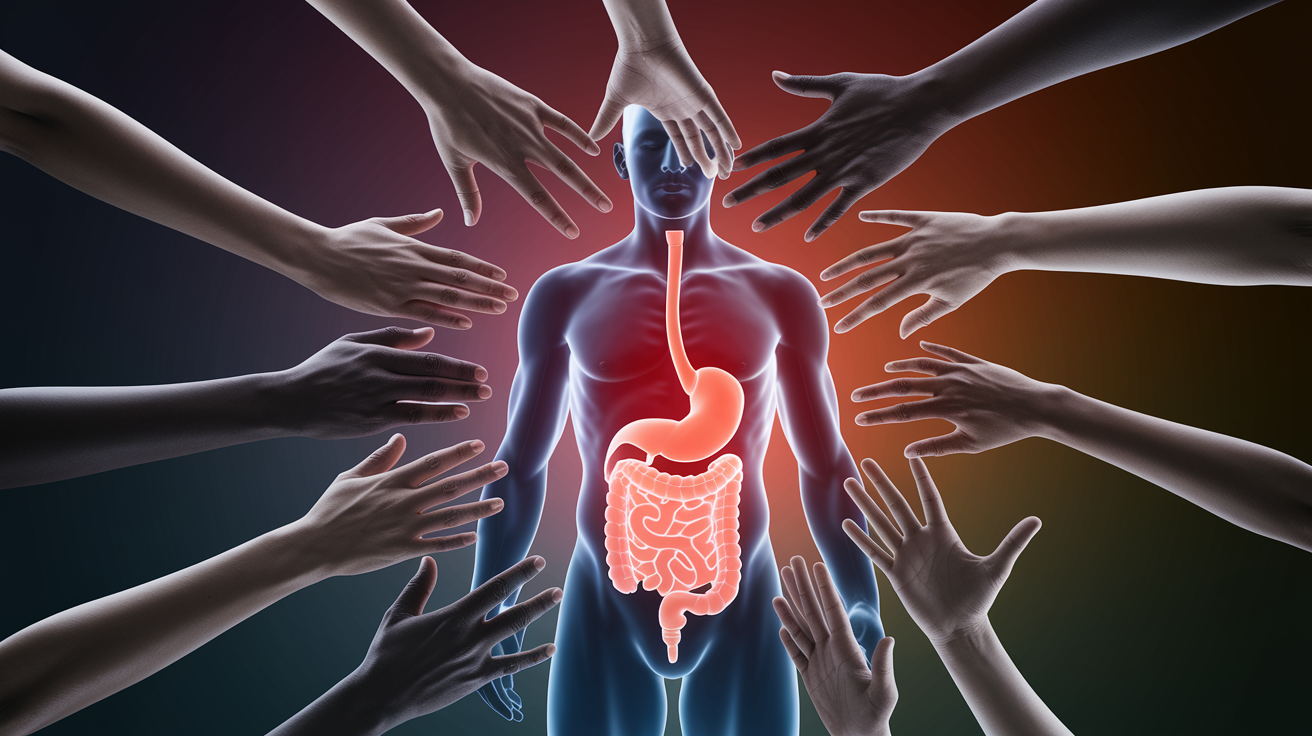
The elimination diet protocol helps people with chronic, unexplained symptoms that haven’t responded well to standard treatments. It’s particularly useful for inflammatory and immune related conditions where food may be a hidden trigger. If you’ve been told your symptoms are stress related or “just IBS” but nothing changes, this protocol offers a way to test whether your plate is part of the problem.
People with irritable bowel syndrome (IBS) often see clear results, especially when FODMAPs or gluten turn out to be triggers. Eczema and psoriasis can improve when dairy, gluten, or nightshades are removed. Chronic migraines may ease if caffeine, aged cheeses, or processed meats are the culprits. Autoimmune conditions like Hashimoto’s thyroiditis, rheumatoid arthritis, or lupus sometimes respond to food changes, particularly when gluten, dairy, soy, or nightshades are involved. Reflux, chronic sinus issues, joint pain, bloating, constipation, and unexplained fatigue are all common reasons to try the protocol.
Reported outcomes vary but often include reduced symptom frequency and severity, better energy and mood, clearer thinking, improved sleep, and weight loss (as a side effect of cutting processed foods and stabilizing blood sugar). Some people discover one or two major triggers and feel dramatically better once those foods are out. Others find a handful of smaller sensitivities that, when managed together, make a noticeable difference. A few people complete the protocol and don’t identify clear triggers, which can mean their symptoms have a different root cause or require further testing. Either way, the process provides valuable information.
Safety, Risks, and When to Seek Professional Guidance During an Elimination Diet Protocol

Elimination diets can be restrictive. Strict versions carry the risk of nutritional deficiencies if followed for too long or without proper planning. Removing entire food groups (dairy, grains, legumes, nuts) can reduce your intake of calcium, vitamin D, B vitamins, iron, fiber, and healthy fats. If you’re already managing a chronic condition, taking medications, or have a history of disordered eating, working with a healthcare professional or registered dietitian is strongly recommended. They can help you design a balanced plan, monitor for nutrient gaps, and adjust the protocol as needed.
This protocol isn’t recommended during pregnancy or while breastfeeding, especially strict versions like the Autoimmune Protocol (AIP) diet. Nutrient needs are higher and restriction can be risky. Children and teens should only follow elimination diets under medical and dietitian supervision to protect growth and development. If you’re taking medications for reflux (proton pump inhibitors), NSAIDs like ibuprofen or Naprosyn, or antibiotics, talk with your primary care provider before starting. These drugs can affect digestion and may need to be adjusted. For reflux, deglycyrrhizinated licorice (DGL) chewables are sometimes suggested as an alternative (typical dose is two to three tablets before or between meals), but always check with your doctor first.
Immediate type allergic reactions (swelling, hives, shortness of breath, throat tightness, rapid heartbeat) are medical emergencies. If you suspect you have a true IgE mediated food allergy (peanuts, shellfish, tree nuts), do not reintroduce that food at home. Work with an allergist for formal testing and guidance instead.
Here are four scenarios that require medical supervision during an elimination diet protocol:
Pre existing medical conditions. Diabetes, heart disease, autoimmune disorders, kidney disease, or digestive disorders like Crohn’s or ulcerative colitis.
Current medication use. Especially reflux medications, NSAIDs, blood pressure drugs, or immunosuppressants that interact with diet changes.
History of disordered eating. Restrictive eating patterns, orthorexia, anxiety around food rules, or past eating disorders.
Severe or worsening symptoms. Unexplained weight loss, bloody stools, persistent vomiting, severe pain, or symptoms that get worse instead of better during elimination.
Practical Implementation: Meal Planning and Daily Structure for an Elimination Diet Protocol

Successful elimination diet protocols start with a solid plan. Before your start date, clear your kitchen of foods on the no go list and stock up on allowed foods for at least the first week. Focus on whole foods that don’t need labels. Fresh vegetables, plain meats, wild caught fish, avocados, coconut oil, olive oil, and simple starches like sweet potatoes (if nightshades are allowed in your version). Produce and whole proteins are naturally suited for elimination diets because they’re single ingredient foods. Plan a few simple recipes ahead of time so you’re not scrambling on day one.
Blood sugar stabilization is one of the most practical strategies for reducing cravings and staying consistent. At every meal, include a source of healthy fat, protein, and carbohydrate. For example, baked salmon (protein and fat), roasted broccoli (carb and fiber), and a drizzle of olive oil. This combination keeps your energy steady, reduces sugar cravings, and helps you stick with the plan. Hydration matters too. Aim for plenty of water throughout the day, and add carbonated water, herbal teas, or water with lemon if plain water feels boring. Rotation is another useful tool. Try not to eat the same foods every single day. A three to four day rotation keeps your body from developing new sensitivities to foods you’re eating repeatedly.
Here are practical tips for staying on track:
Prep a big batch of vegetables and proteins at the start of the week so you always have something ready.
Keep allowed snacks on hand. Carrot sticks, apple slices, leftover chicken, or a handful of compliant nuts if your version allows them.
Read every label, even on foods that seem safe. Gluten, dairy, soy, and sugar hide in unexpected places.
Bring your own food to social events or eat beforehand so you’re not tempted or left hungry.
Mark your calendar with reintroduction dates and set phone reminders so you don’t rush or forget to space tests properly.
Use simple cooking methods. Roast, steam, grill, sauté. Season with sea salt, herbs, and allowed spices for flavor without additives.
Explore alternative products like cassava flour tortillas or coconut flour pancakes if you want familiar textures (but double check ingredients).
If dining out, choose restaurants with plain grilled or roasted options and ask for sauces and dressings on the side.
Sample one day menu: Breakfast might be a smoothie with frozen berries, coconut milk, a handful of spinach, and a scoop of compliant protein powder (if allowed), or a bowl of roasted sweet potato cubes with ground turkey and sautéed greens. Lunch could be a large salad with mixed greens, grilled chicken, avocado, cucumber, shredded carrots, and a drizzle of olive oil and lemon juice. Dinner might be baked wild salmon, steamed asparagus, and a side of roasted butternut squash. Snacks could include apple slices, leftover protein, or a small handful of sunflower seeds if seeds are on your allowed list.
Troubleshooting and Common Mistakes During an Elimination Diet Protocol
One of the most common mistakes is reintroducing too many foods too quickly. You finish the elimination phase, feel better, and celebrate by eating pizza, ice cream, and bread all in one meal. That approach makes it impossible to know which food caused the bloating or headache that shows up the next day. Test one food at a time, and wait the full three to four days before moving on.
Incomplete elimination is another pitfall. You cut out obvious dairy but forget about the butter in your vegetables, the whey protein in your shake, or the cream in your coffee. Hidden sources of eliminated foods keep inflammation going and weaken your results. If you’re doing this protocol, go all the way. Read every ingredient list and ask questions at restaurants.
Here are common mistakes to avoid during the elimination diet protocol:
Relying too heavily on processed “free from” products. Gluten free cookies, dairy free ice cream, and paleo snack bars are still processed and can introduce new ingredients your body reacts to.
Skipping the food diary. Without written records, you’ll miss subtle patterns and delayed reactions, and reintroduction becomes guesswork.
Ignoring mild symptoms. A little extra gas, slight fatigue, or minor skin changes still count. Small reactions reveal sensitivities.
Testing foods during high stress times or illness. If you’re fighting a cold, under big work stress, or dealing with a family crisis, your body’s baseline is off and reactions are harder to interpret.
Giving up too early. Two weeks isn’t always enough time for inflammation to settle. If you’re not seeing clear improvement by week three, extend the elimination phase rather than quitting.
Signs of improvement to watch for include reduced bloating after meals, fewer headaches or migraines, steadier energy through the day, better sleep quality, clearer skin, less joint stiffness, and more regular bowel movements. If symptoms are getting worse instead of better, check that you’re truly eliminating all trigger foods, that you’re eating enough variety and nutrients, and that stress or medication changes aren’t confounding things. If symptoms stay severe or new ones appear, stop the protocol and talk with a healthcare professional.
Final Words
You’ve seen the core steps in action: plan, cut common triggers, keep a food diary, and reintroduce one food at a time to spot reactions.
We covered the elimination phase (2 to 6 weeks), how to test foods, what to track, and when to ask for help.
If you’re still wondering what is elimination diet protocol, think of it as a step-by-step experiment that narrows down problem foods. Try one small change, track it, and you’ll often finish with clearer triggers and steadier energy.
FAQ
Q: What is the elimination diet protocol?
A: The elimination diet protocol is a stepwise plan: prepare, remove common trigger foods for weeks, reintroduce foods one at a time, and track symptoms to identify likely food sensitivities and next steps.
Q: How long should the elimination phase last?
A: The elimination phase typically lasts 2–6 weeks, often 4–6 weeks for clearer signals, and sometimes up to 8 weeks; stay consistent until symptoms either improve or clearly don’t.
Q: Which foods are commonly removed during the elimination diet?
A: Commonly removed foods include dairy, gluten, soy, eggs, nuts, sugar, caffeine, nightshades, processed foods, and frequent daily items, because each commonly triggers digestion, skin, or energy issues.
Q: How do I reintroduce foods safely after elimination?
A: Reintroducing foods means adding one food at breakfast, increasing amounts at lunch and dinner if okay, then watching for symptoms for 3–4 days before testing the next food.
Q: What should I track to identify food reactions?
A: Track date/time, exact foods and amounts, symptom type and severity, onset time, duration, sleep, energy, and bowel habits so you can spot repeatable patterns linking foods to symptoms.
Q: Who benefits most from an elimination diet?
A: People with chronic inflammatory complaints—IBS, eczema, migraines, reflux, joint pain, allergies, bloating, insomnia, or suspected food triggers—often benefit by clarifying which foods worsen symptoms.
Q: What are the main safety concerns and when should I see a professional?
A: The main safety concerns are nutrient gaps and immediate allergic reactions; see a clinician if you’re pregnant, feeding a child, have severe reactions, or need help keeping nutrition balanced.
Q: How should I structure meals and shop while on an elimination diet?
A: Structure meals around whole produce, lean protein, healthy fats, and stable carbs, rotate foods every 3–4 days, prep simple batches, read labels, and keep easy whole-food swaps on hand.
Q: What are common mistakes during an elimination diet and how to avoid them?
A: Common mistakes are reintroducing too fast, incomplete removal, poor symptom tracking, and relying on processed substitutes; avoid them by strict elimination, daily logs, whole foods, and paced reintroductions.
Q: What is a clear sign a specific food caused a problem during reintroduction?
A: A clear sign a food caused a problem is a repeatable, new or worse symptom—like bloating, rash, headache, or energy drop—that appears within hours to a few days and improves when the food is removed.