

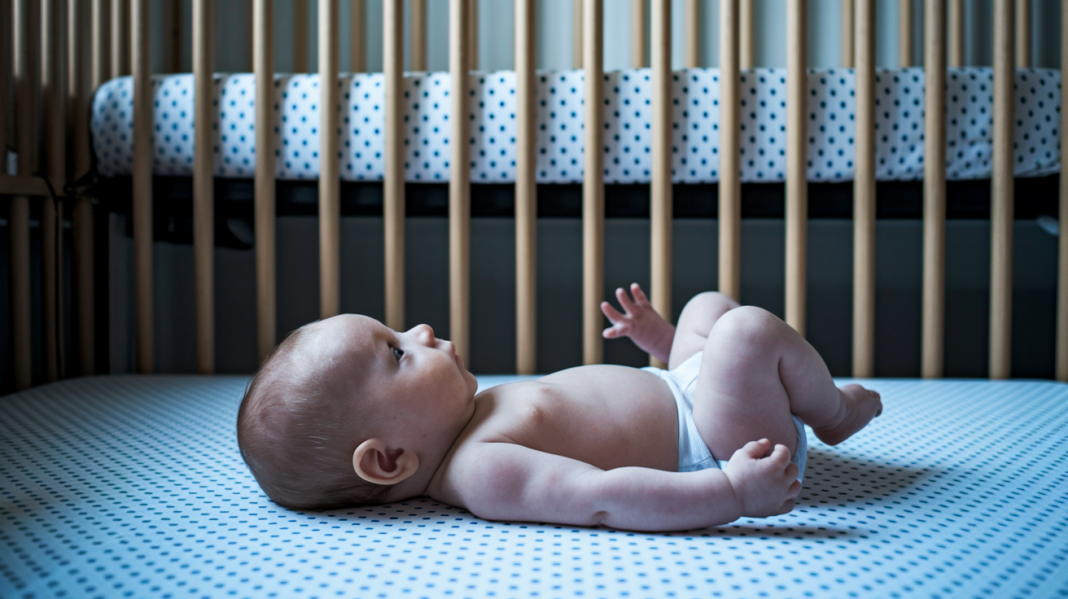

Think the rules about baby sleep are just extra worry?
The truth: simple habits can cut the chance of a sleep-related death.
The ABCs—Alone, Back, Crib—are a quick checklist you can run every nap and night to lower risk and make sleep less stressful.
In this post we break down each letter, show common pitfalls, and give small, testable steps you can try tonight.
By learning the ABCs you’ll spot patterns, fix the biggest hazards, and feel more confident at bedtime.
What Do The ABCs Of Safe Sleep Stand For?
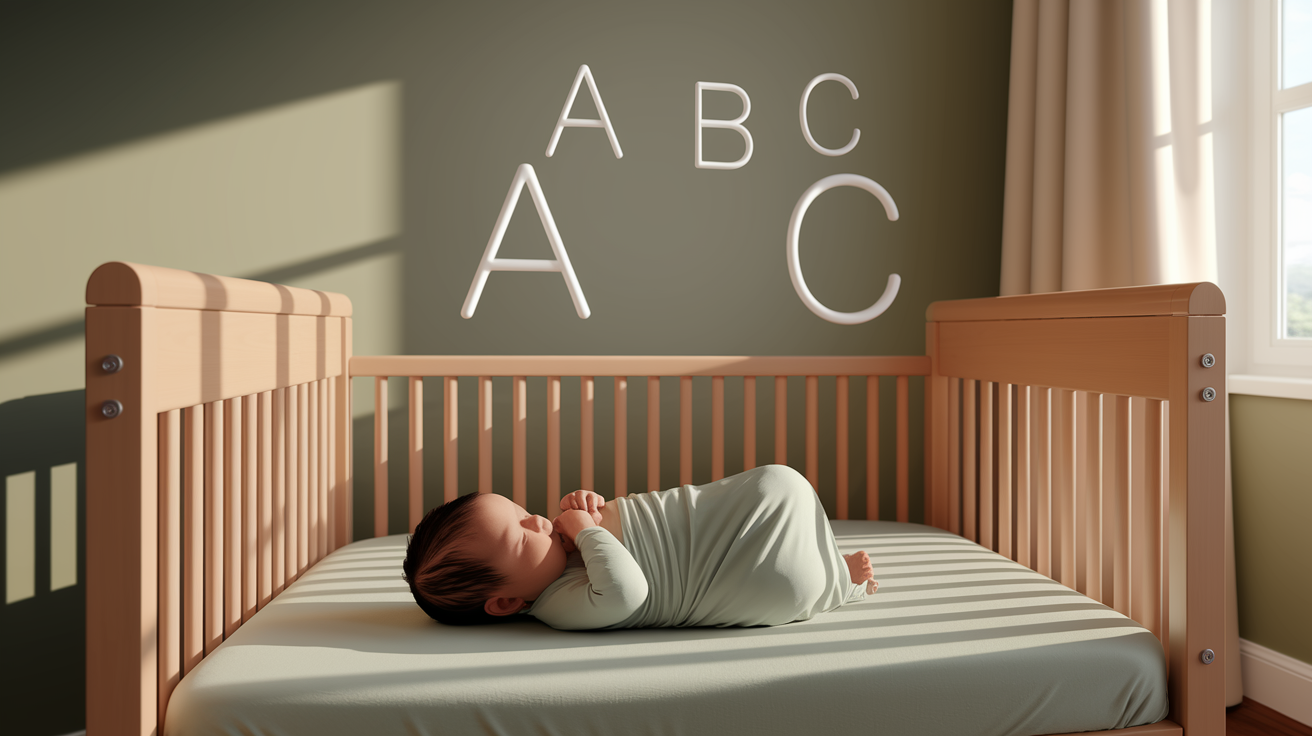
About 3,500 babies in the United States die suddenly and unexpectedly during sleep each year. That number is hard to read, but here’s the good news, pediatric safe sleep guidelines have created a simple way to lower that risk, and it’s called the ABCs. Think of it as a quick mental checklist you can run through every time you put your baby down.
The ABC rule is really that straightforward. Each letter covers one piece of infant sleep safety, and together they cover the biggest known SIDS risk factors.
- A is for Alone. Baby sleeps in their own space, without other people, pillows, or soft items nearby.
- B is for Back. Baby is placed on their back for every sleep, every time, for the first year.
- C is for Crib. Baby sleeps on a firm, flat surface that meets current safety standards.
- Some versions add a fourth letter, for Danger or Smoke-free air, covering hazards outside the crib itself, like secondhand smoke exposure.
These aren’t random rules someone made up. They come from years of pediatric research into what actually reduces SIDS and SUID (sudden unexpected infant death) risk. Room-sharing without bed-sharing alone can lower risk by up to 50 percent. You don’t have to get everything perfect overnight. Learning the ABCs and building them into your routine, one nap at a time, is already a huge step.
Alone: Why Baby Should Sleep In Their Own Space
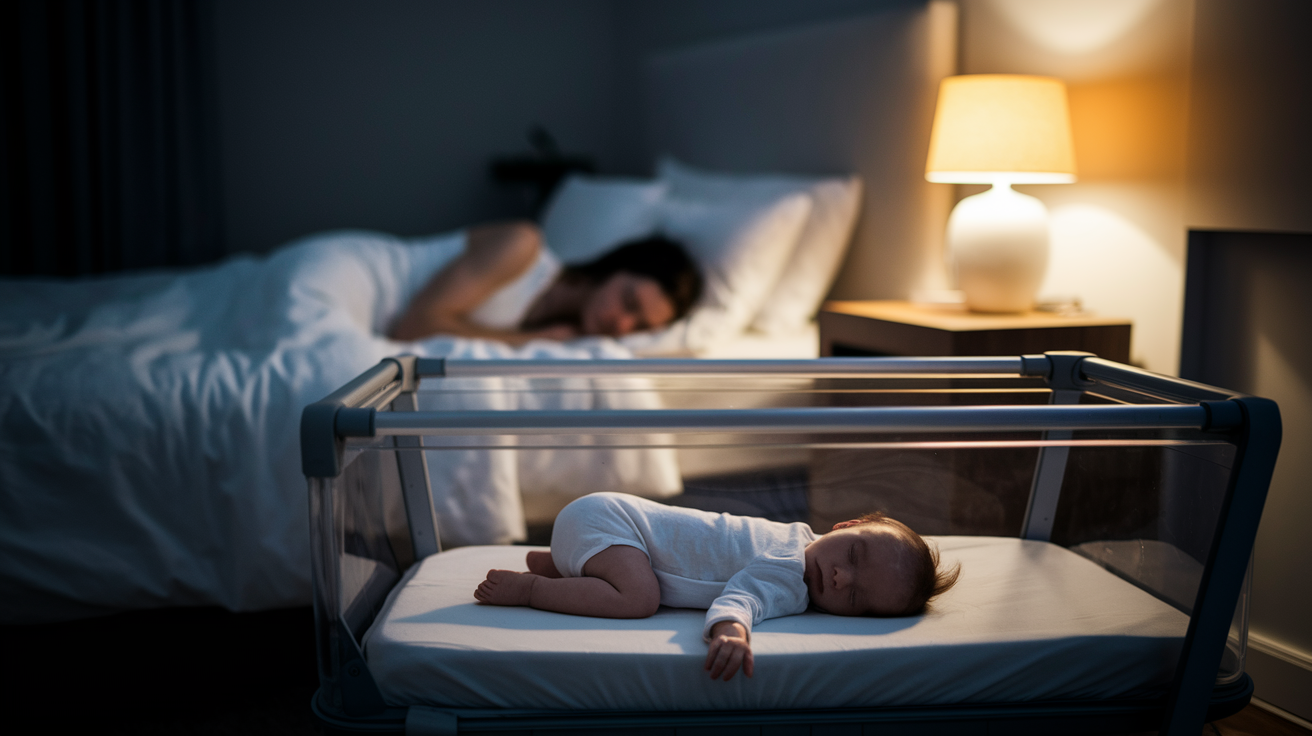
Room-sharing and bed-sharing sound similar, but they’re not the same thing, and the difference matters. Room-sharing means your baby sleeps in their own crib, bassinet, or portable play yard, set up in your bedroom, close to where you sleep. Bed-sharing means baby is actually in the adult bed with you. Safe sleep guidelines recommend room-sharing for at least the first 6 months, since it makes nighttime feeds and check-ins easier while keeping baby on their own safe surface. Bed-sharing, on the other hand, raises the chance of accidental suffocation or overlay, and that’s one of its clearest risks.
Here’s a statistic worth remembering. The risk of sleep-related infant death is up to 67 times higher when baby falls asleep on a couch, soft armchair, or cushion. It’s easy to see how it happens. A tired parent settles in for a late feed, and both drift off together on the sofa. That soft, uneven surface is far more dangerous than a firm mattress, even more so than an adult bed.
So what’s a practical alternative to bed-sharing when you’re exhausted at 2 a.m.? Feed or comfort your baby wherever works, but before you let yourself drift off, place baby back in their own crib or bassinet. Keep the sleep space nearby, clear, and simple. No loose toys, pillows, blankets, hats, or hair bows sitting in there waiting to become a hazard. A bare sleep space might look plain, but plain is exactly what you want.
Back: The Safest Sleep Position For Every Nap And Night
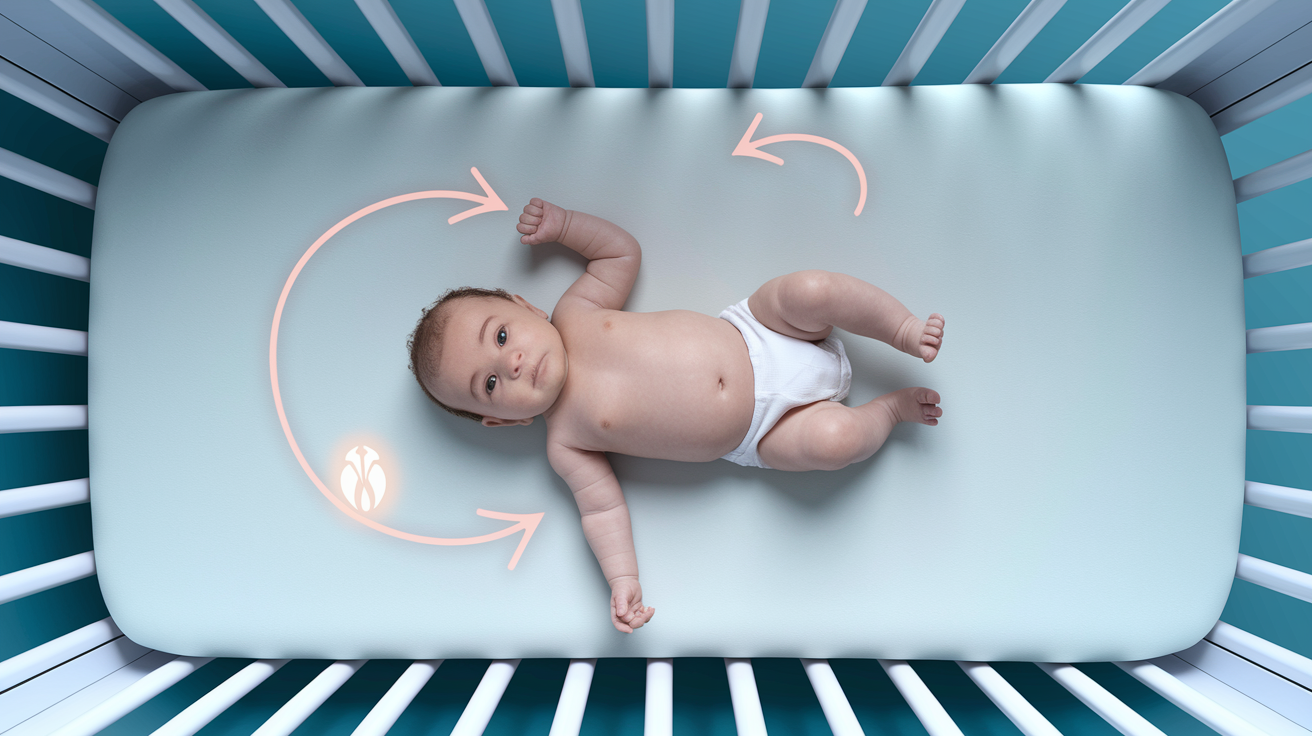
The back to sleep recommendation is one of the most well-established rules in infant sleep safety, and it applies to every nap and every night for the first year of life. Some parents worry this could increase choking risk or somehow make sleep less comfortable for baby. It doesn’t. Babies are naturally equipped to keep their airway clear on their backs, and back sleeping hasn’t been shown to harm sleep quality either.
Around 3 months, things start to shift. Many babies begin learning to roll, first tummy-to-back, then back-to-tummy. Once your baby can roll both ways on their own, you don’t need to jump up and flip them back over every time they roll onto their tummy during sleep. The rule that stays constant is this: always place baby down on their back to start sleep, even after they’ve mastered rolling.
This rolling milestone also marks when to stop swaddling. Once your baby shows any signs of rolling, even just attempting it, it’s time to retire the swaddle. A safe swaddling technique before that point means keeping the wrap snug around the body but never extending higher than baby’s shoulders, so arms stay free once rolling begins. After that, a sleep sack or wearable blanket with arms out is the safer choice moving forward.
Crib: Building A Safe Sleep Surface And Environment
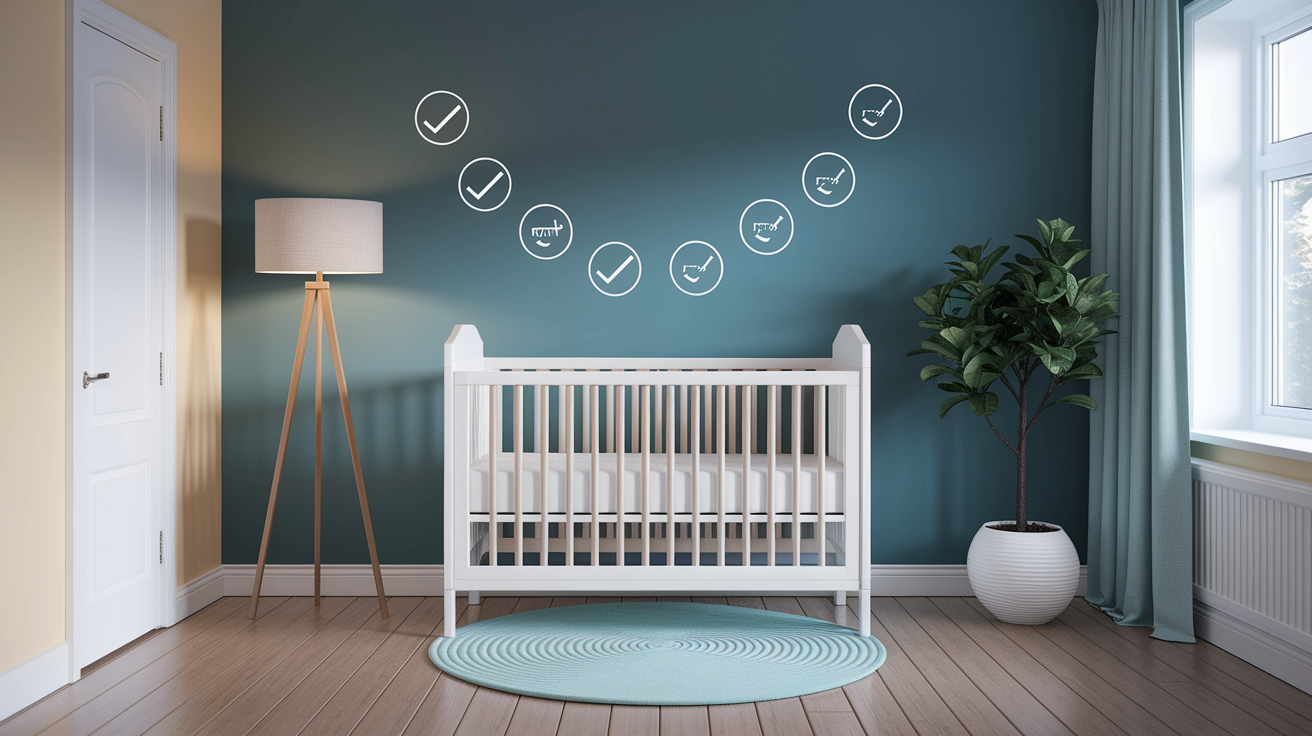
Not every surface that looks like a baby bed is actually safe for sleep. Approved sleep surfaces come down to three options, a crib, a bassinet, or a portable crib or play yard, as long as each one meets current safety standards. If you’re borrowing equipment from a friend or pulling something out of storage, it’s worth double checking it against those standards before baby ever sleeps in it.
A few crib safety rules make the biggest difference:
- The mattress should be firm and flat, not sinking or indenting under baby’s weight.
- It needs to fit tightly in the crib frame, with no gaps along the sides where baby could get wedged.
- Use only a fitted sheet, nothing else layered on top.
- Keep pillows, blankets, stuffed animals, and bumper pads completely out of the sleep space.
- Avoid any sleep surface inclined more than 10 degrees. Flat is the standard, not propped up.
That last point matters more than people realize. Inclined sleep products have faced significant safety recalls in recent years, after being linked to infant deaths. A product being sold in stores doesn’t automatically mean it’s been proven safe for sleep. Checking for current safety certifications, and steering clear of anything angled or cushioned like a lounger, gives you one less thing to worry about at 3 a.m.
Sleep Clothing And Preventing Overheating
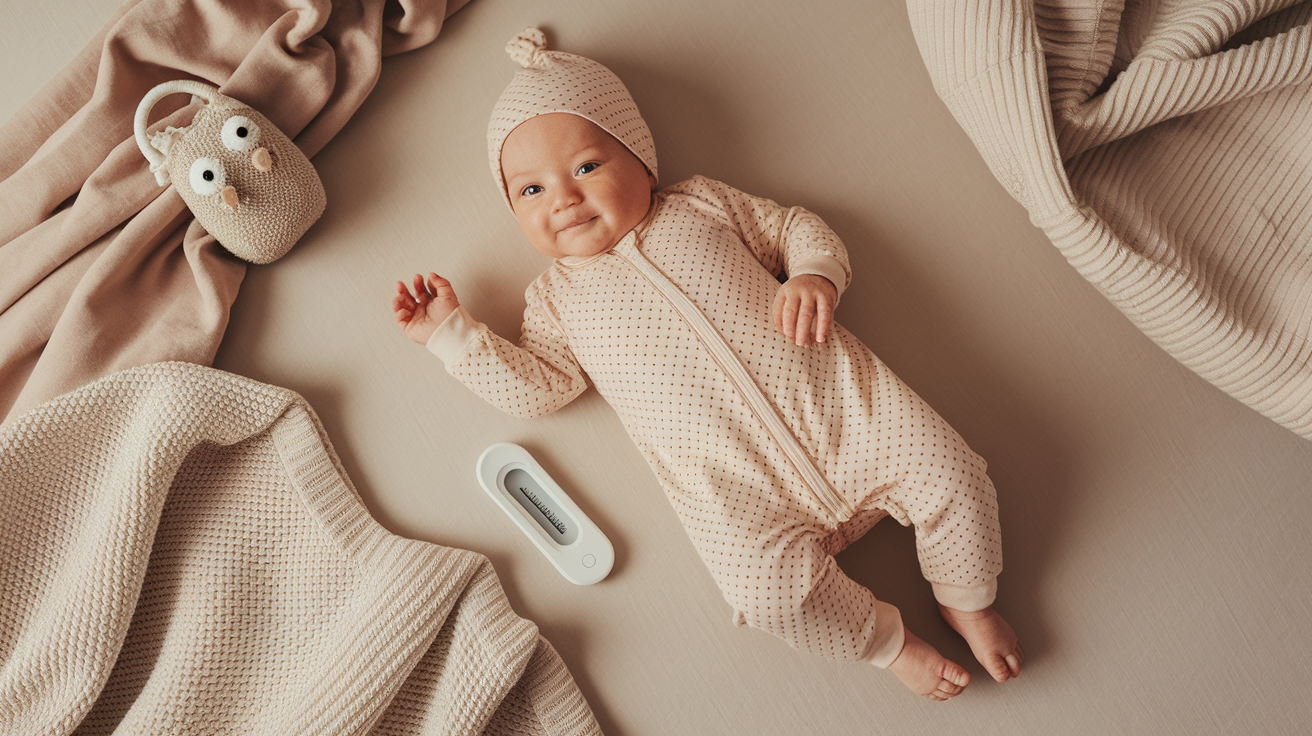
What baby wears to sleep matters almost as much as what’s in the crib. Once swaddling is off the table, wearable blankets and sleep sacks become the go-to option. They keep baby warm without any loose fabric near the face, which is exactly the kind of appropriate sleep clothing pediatric guidelines recommend. When picking a size, go with correct sleep sack sizing based on baby’s weight and height, not just their age, since babies grow at such different rates.
Overheating is a real but often overlooked SIDS risk. Too many
Final Words
Start with a clear checklist: Alone, Back, Crib, and sometimes Danger or smoke-free air. These basics come from pediatric safe sleep guidance and aim to lower SIDS and other sleep-related deaths.
Alone means room-sharing without bed-sharing. Back means always place baby on their back for naps and nights. Crib means a firm, flat mattress with only a fitted sheet.
Treat the abcs of safe sleep as a simple routine to follow, tweak, and track. Small steps like these can help protect your baby and boost your confidence.
FAQ
Q: What are the ABCs of sleep and the Sleep Baby Safely campaign?
A: The ABCs of sleep and the Sleep Baby Safely campaign are Alone (own sleep space), Back (on their back for every sleep), and Crib (firm, flat, safety-approved surface). Some add Danger/Smoke-free.
Q: What is the 3-3-3 rule for sleep?
A: The 3-3-3 rule for sleep is not a single universal standard; meanings vary. A common safe-sleep takeaway is to room-share without bed-sharing for at least three months and follow pediatric advice.
Q: What are the 7 safe sleep rules?
A: The 7 safe sleep rules are: Alone (own space), Back (supine every sleep), Crib (firm flat surface), no soft bedding or toys, tight mattress fit, smoke-free air, and room-share without bed-sharing.