



What if a 30-second habit could stop your daily energy crashes?
Most advice tells you to sleep more or drink less coffee, but that misses the patterns that actually drive how you feel.
This post shows a simple 1–10 rating you do three times a day, quick anchors to make it stick, and easy tests you can run in a week.
You’ll learn to spot the meals, meetings, and sleep habits that move your energy, then try small, trackable fixes and reassess.
No gadgets required. Just honest notes and a plan.
Quick‑Start Method for Tracking Your Daily Energy
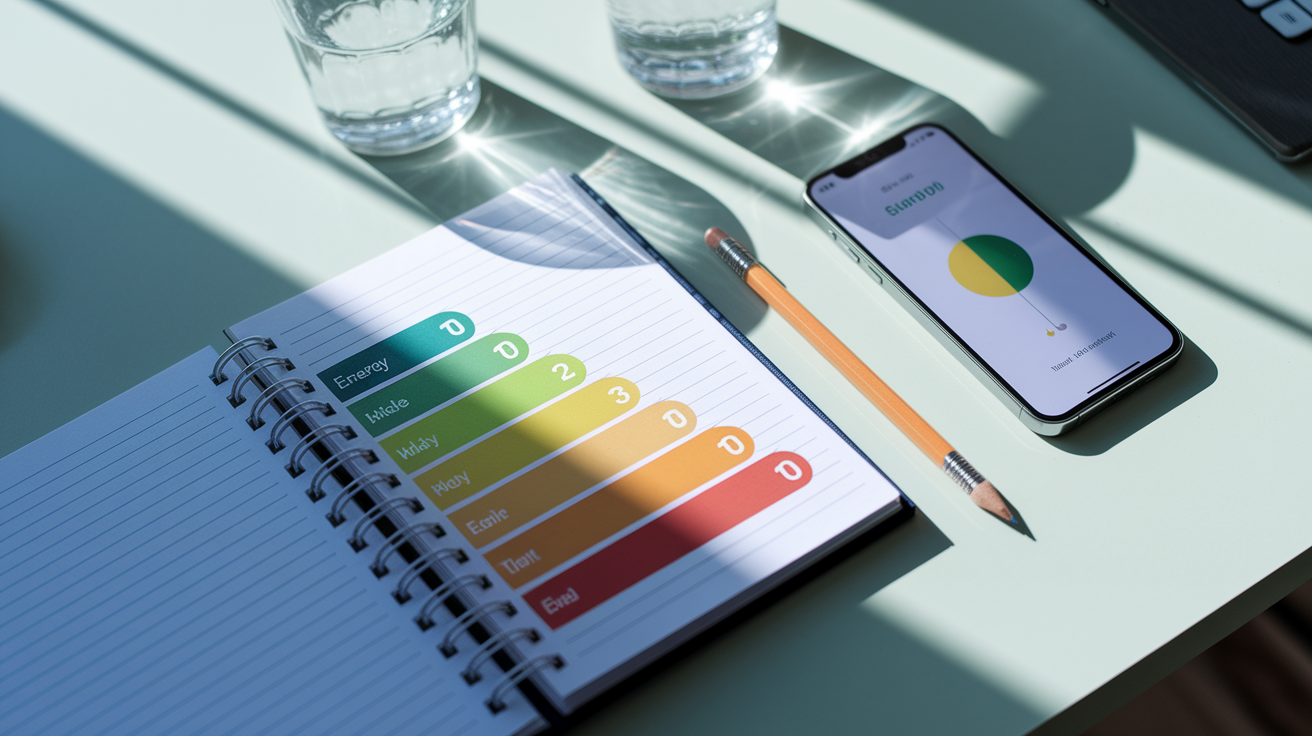
The easiest way to track energy is a 1–10 rating. Pick a number that shows how much physical and mental stamina you’ve got right now. One means you’re completely drained, ten means you’re firing on all cylinders. It’s intuitive because it mirrors how you’d explain things to a friend, and it takes under ten seconds to record.
Track three times daily to catch the natural ups and downs. Checking in once or twice misses those midday crashes and evening rebounds that shape how you plan tomorrow.
-
Morning check – Rate your energy within 30 minutes of waking, before coffee or breakfast. This number shows how well you recovered overnight. “Woke up at 7 a.m. and felt like a 4 out of 10. Groggy, heavy eyes, slow thinking.”
-
Midday check – Log your energy around lunch or early afternoon. This window often reveals dips tied to meal timing, workload, or poor sleep catching up with you.
-
Evening check – Score yourself an hour before bed. Evening ratings tell you whether your day drained you completely or left reserves for tomorrow morning.
Keep it consistent by anchoring to existing habits. Rate yourself right after brushing your teeth in the morning, when you sit down for lunch, and when you plug in your phone at night. Consistency beats perfection. If you miss a check, skip it and wait for the next anchor time. Backfilling ratings from memory introduces guesswork that clouds the patterns you’re trying to see.
Tools You Can Use to Track Energy
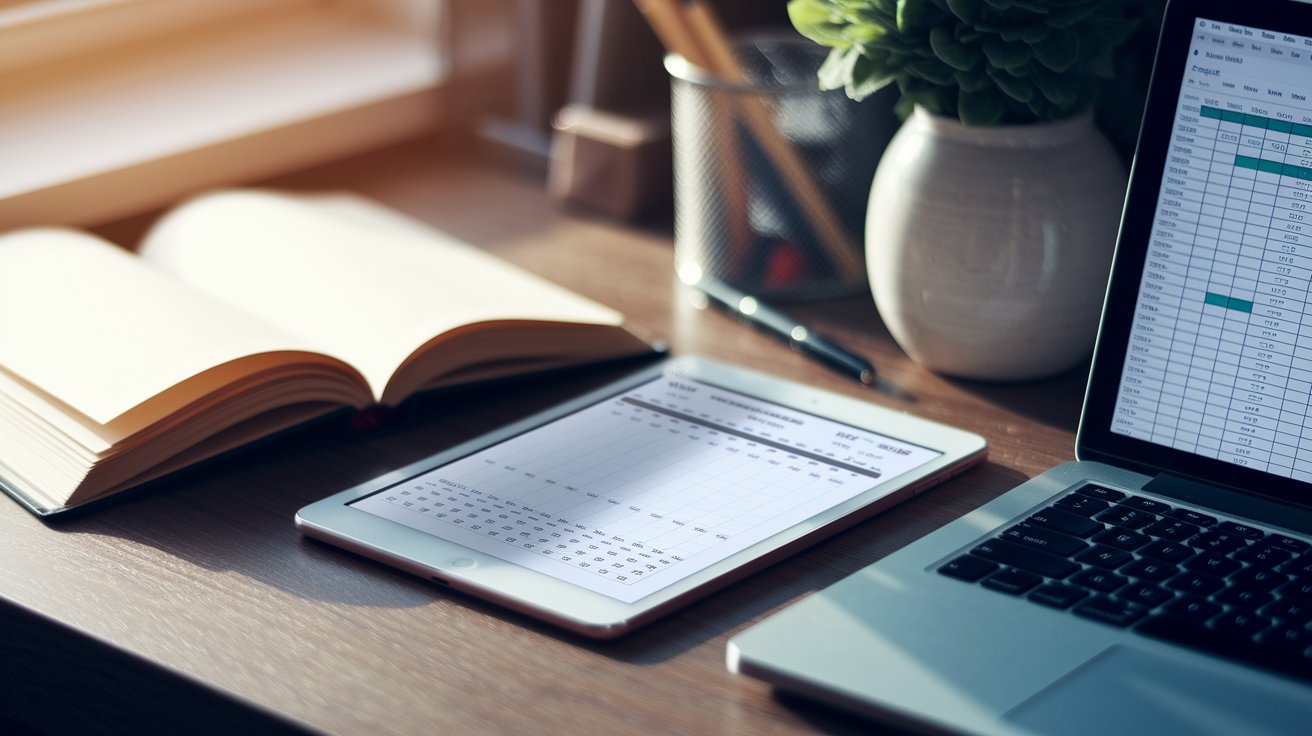
A paper journal works for people who like writing by hand and want minimal tech interference. Keep a small notebook on your nightstand or desk, jot the time, your rating, and one sentence about what you were doing. Flipping back through pages makes weekly patterns easy to spot. There’s no app crash or dead battery to interrupt your streak.
Apps designed for habit tracking or mood logging can send timed reminders and timestamp every entry automatically. Many let you add tags like “after workout” or “skipped breakfast,” which speeds up pattern recognition later. Apps work well when you want notifications that nudge you to log at consistent intervals without setting three separate alarms.
Spreadsheets offer the most flexibility for people comfortable with rows and columns. You can log date, time, rating, sleep hours, meal notes, and activity in adjacent columns, then sort or filter by any variable. After two weeks, a quick chart reveals whether your 2 p.m. slump happens on days you skip lunch or whether poor sleep reliably predicts a low morning score.
Choose a journal if you value simplicity and portability. Pick an app if you need reminders and hate carrying extra items. Use a spreadsheet if you plan to analyze correlations or want to graph trends over weeks. All three work as long as you can open the tool within five seconds when it’s time to log.
Metrics That Influence Energy Levels

Sleep quality and duration sit at the top. Seven to nine hours of uninterrupted sleep gives your body time to repair tissues, consolidate memory, and restore neurotransmitter balance. When you log energy, also note how many hours you slept and whether you woke up during the night. Poor sleep doesn’t always announce itself with obvious tiredness at 8 a.m. Sometimes it shows up as brain fog at 3 p.m. or irritability after one interruption.
Meals affect blood sugar, which drives energy moment to moment. A heavy lunch high in refined carbs can trigger a glucose spike followed by a crash that leaves you staring blankly at your screen an hour later. Record meal times and a rough description. “Oatmeal and berries,” “burger and fries,” “skipped lunch.” Over a week, you’ll see whether certain foods or meal timing correlate with energy dips or sustained focus.
Mood patterns overlap with energy but aren’t identical. Anxiety can leave you wired yet unable to concentrate, which feels different from the calm alertness of a true energy peak. Low mood can sap motivation even when your body isn’t physically tired. Note your emotional state (calm, anxious, irritable, content) alongside your energy rating. This helps separate “I’m tired” from “I’m stressed and can’t focus.”
Physical activity intensity affects how much stamina you have left for cognitive or emotional tasks. A hard workout might boost your mood but leave your legs heavy and your focus scattered for the next two hours. Light movement like a 15 minute walk often recharges mental energy without depleting physical reserves. Track the type, duration, and intensity of movement each day so you can test whether more activity helps or whether you’re overdoing it and extending recovery time.
Example Templates for Daily Energy Tracking

A structured template removes decision fatigue and ensures you capture the same information every time. Consistency in format makes it easier to spot patterns when you review a week or two of entries.
| Time of Day | Energy Rating (1–10) | What Happened Before | Notes |
|---|---|---|---|
| 7:30 a.m. | 4 | Woke at 6:45, 6 hours sleep | Groggy, dry mouth, slow thoughts |
| 1:00 p.m. | 6 | Ate salad and chicken at 12:30 | Steady, no crash yet |
| 9:00 p.m. | 3 | Long meeting 4–6 p.m., skipped evening walk | Drained, eyes heavy, ready for bed |
Customize the template by adding columns that matter to your daily routine. If you take medication, add a column for dose and timing. If caffeine plays a big role, note when you had coffee or tea. If certain tasks drain you more than others, add a “Main Activity” column. The goal is to record enough context that you can test theories later without making the log so detailed that you skip entries because it feels like homework.
Recognizing Patterns: Peaks and Dips
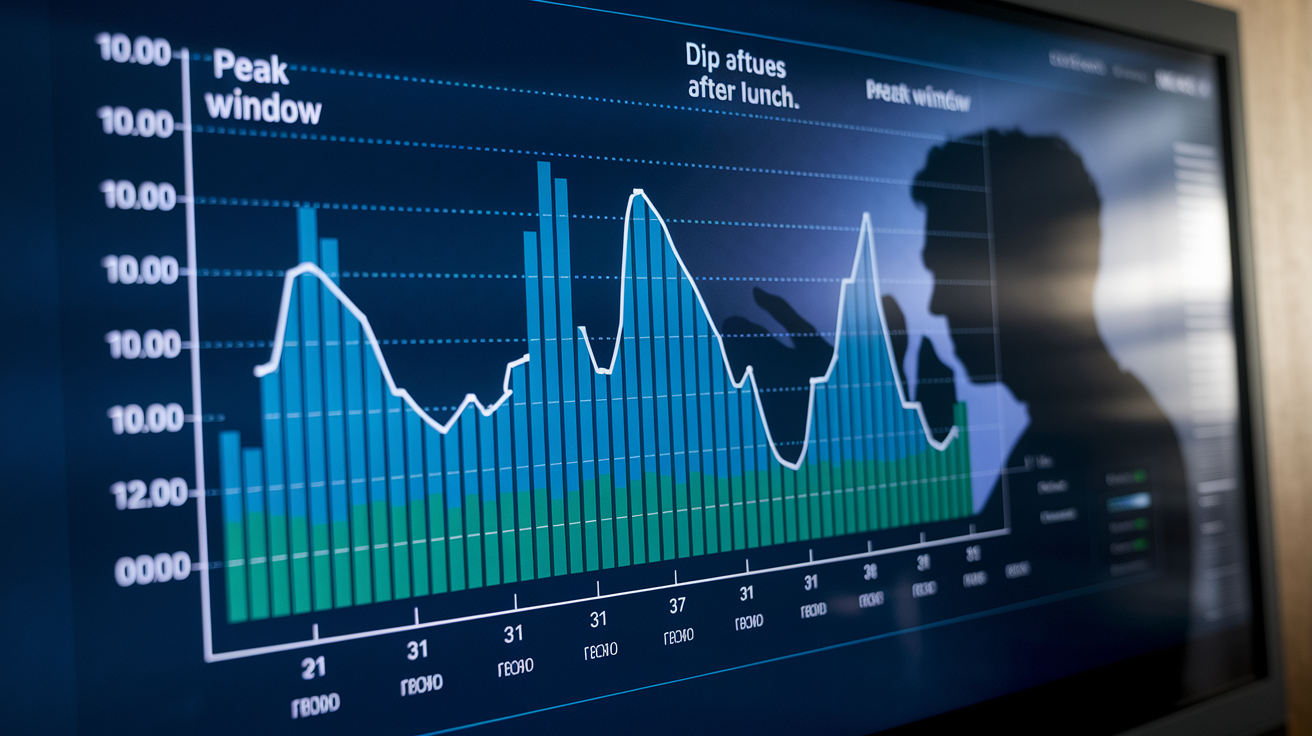
Energy peaks often show up after a solid night of sleep, a light meal, or a short burst of movement. You’ll notice faster thinking, patience with interruptions, and willingness to tackle hard tasks. Physical signs include steady breathing, relaxed shoulders, and a clear head. When your rating hits 7 or higher several days in a row at the same time, you’ve found a window worth protecting for focused work.
Energy dips tend to follow heavy meals, long stretches of sitting, poor sleep the night before, or back to back meetings with no break. You might feel foggy, irritable, or physically tired even though you haven’t done anything strenuous. Headaches, tight jaw, and restlessness are common physical signals. Evening dips can mean you pushed past your daily energy budget. Morning dips usually trace back to sleep quality or late eating the night before.
Common causes of dips include:
Skipping breakfast or going more than four hours without food. Dehydration, forgetting water while drinking multiple coffees. Sitting for three or more hours without standing or moving. Poor sleep quality from late screen time or alcohol. Back to back high intensity tasks with no recharge buffer.
Tie these observations back to your daily tracking by looking for repeated low ratings that share the same context. If every Tuesday afternoon shows a 3 and your log notes “skipped lunch, two hour client call,” you’ve found a pattern worth testing. Try eating a small meal before the call for two weeks and watch whether that Tuesday dip softens.
How to Interpret Your Energy Data
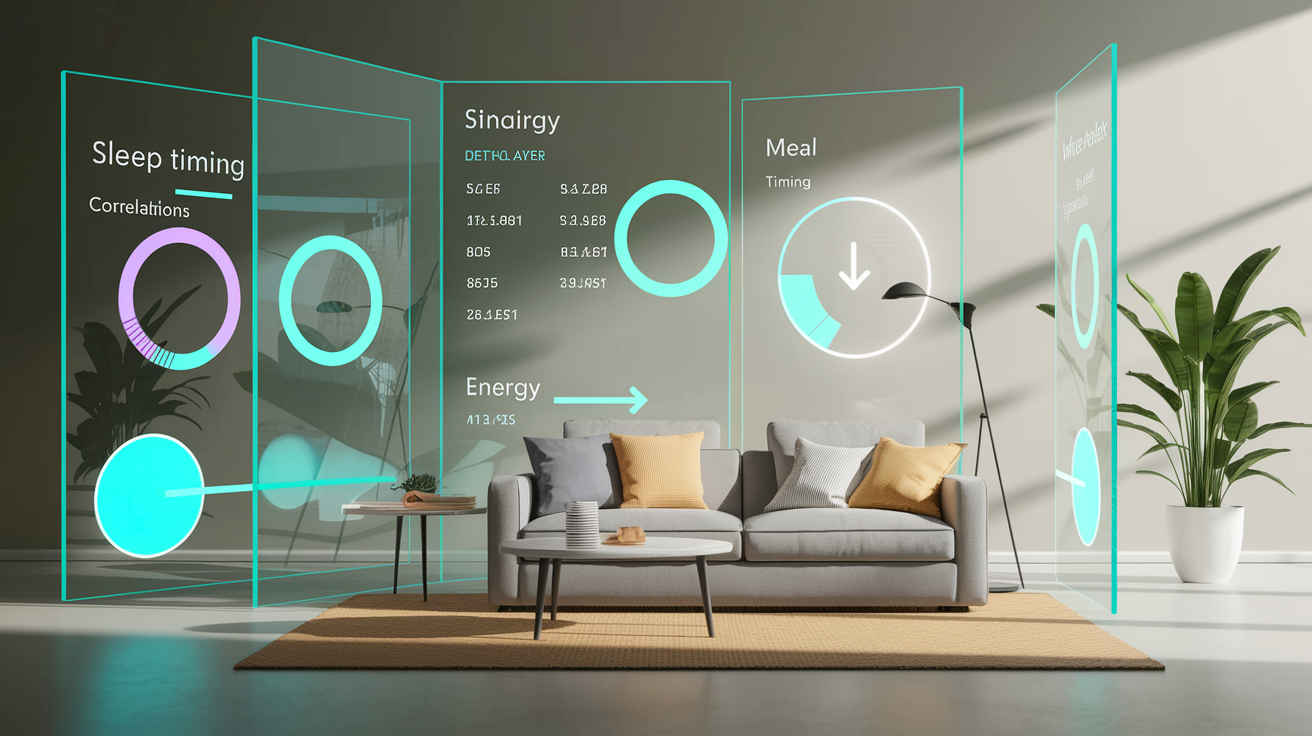
Correlation spotting starts with scanning your log for repeated pairings. Look for days when your morning rating was high and check what you did the night before. Early bedtime, light dinner, no alcohol, a walk. Then find mornings when your rating was low and compare the previous evening. If five out of six low mornings followed late dinners or screen time past 10 p.m., you’ve identified a reliable pattern. This isn’t causation yet, but it’s a testable lead.
Next, look at your midday and evening entries. Do afternoon dips cluster on days you skipped breakfast? Does your energy stay steadier when you log a 20 minute walk at lunch? Does your evening rating tank after meetings that run past 5 p.m.? Write down any recurring pairings and rank them by how often they appear.
Once you’ve spotted a few patterns, try these adjustments:
Sleep timing. Move bedtime 30 minutes earlier for one week and watch morning ratings.
Meal timing. Eat a small breakfast or mid morning snack on days you currently skip food before noon.
Workload organization. Batch hard tasks into your peak windows and move routine work to low energy slots.
Break scheduling. Add a five minute walk or breathing exercise between long meetings.
Set a weekly review routine so interpretation becomes a habit. Every Sunday evening or Monday morning, skim the past week’s entries. Calculate your average rating for morning, midday, and evening. Note which days felt best and what was different. Write one small test to run in the coming week. Reviewing weekly keeps patterns fresh and prevents you from collecting data without acting on it. After four weeks, compare weekly averages to see whether the adjustments moved your baseline up or smoothed out the dips.
Optional: Using Wearables for Deeper Energy Insights
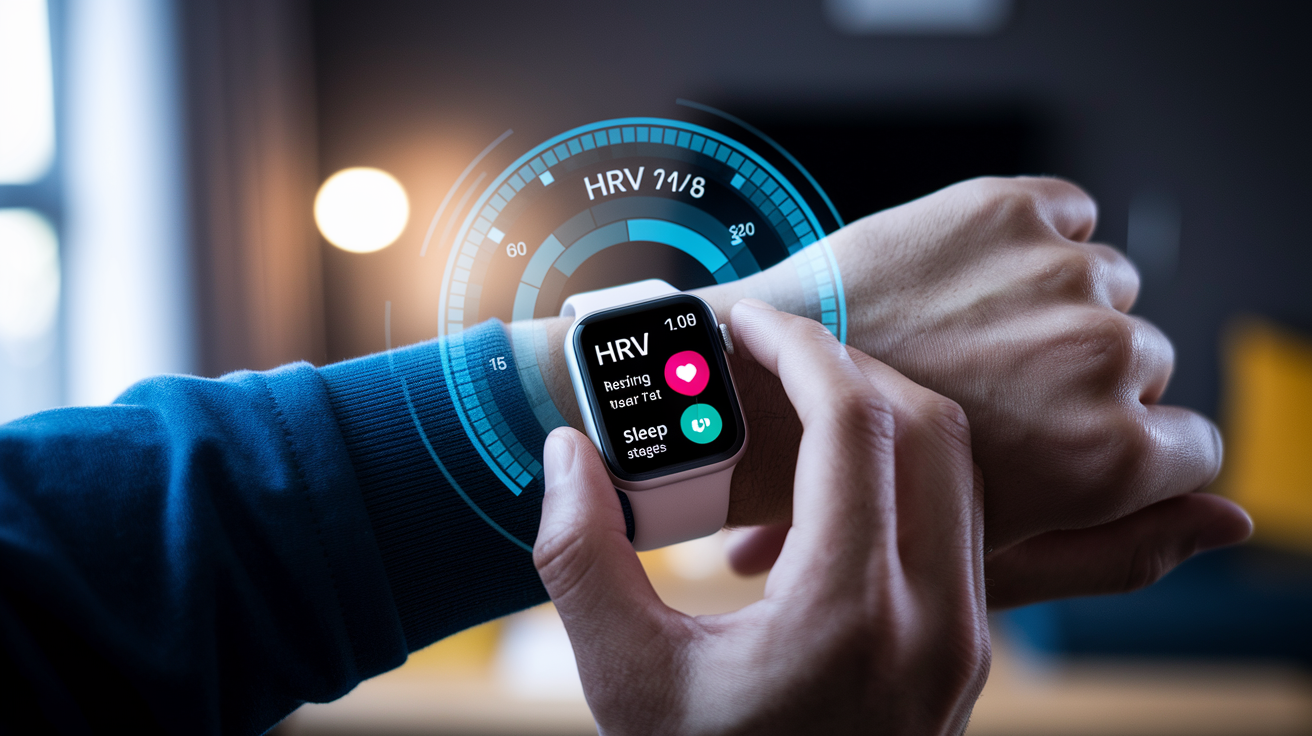
Wearables like fitness trackers and smartwatches measure heart rate variability, resting heart rate, and sleep stages throughout the night. Heart rate variability (HRV) reflects how well your nervous system recovers between heartbeats. Higher HRV generally means better recovery and readiness for physical or mental load. Resting heart rate trends upward when you’re under recovered or fighting off illness. Sleep trackers break your night into light, deep, and REM stages, showing whether you’re getting enough restorative sleep even if total hours look acceptable.
Pairing wearable data with your subjective energy ratings adds a second lens. If your morning energy rating is consistently low and your wearable shows elevated resting heart rate and low HRV, you have objective confirmation that recovery isn’t happening. If your midday slump aligns with a drop in step count or long sedentary periods, you know movement matters for your afternoon energy. Wearables won’t replace your own awareness, but they can reveal patterns you might miss. Like noticing your best days correlate with 90 minutes of deep sleep instead of just total hours in bed.
Final Words
In the action, you learned a simple 1–10 energy scale with three daily check-ins, practical tools (journal, app, spreadsheet), key metrics like sleep and meals, ready templates, and how to spot peaks and dips.
Try a short experiment: pick one tool, do morning/midday/evening ratings for a week, note sleep, meals, mood, and activity, then scan for patterns.
If you want a clear first step, use this easy test to see how to track energy levels throughout the day. Small data gives big clues, and steady progress is ahead.
FAQ
Q: How to track energy throughout the day?
A: Tracking energy throughout the day is easiest with a 1–10 scale and three check-ins: morning, midday, evening. Note time, recent sleep, meals, and activity to spot repeat patterns and triggers.
Q: How to keep your energy levels up throughout the day? What can I take to give me energy throughout the day?
A: Keeping your energy levels up throughout the day often means steady habits: balanced meals with protein, small movement breaks, regular water, short naps when needed, and timed caffeine rather than relying on quick fixes.
Q: What are the 5 P’s of energy conservation?
A: The 5 P’s of energy conservation are planning, prioritizing, pacing, positioning, and problem-solving, practical steps to reduce effort, organize tasks, adjust body mechanics, and protect energy across your day.