

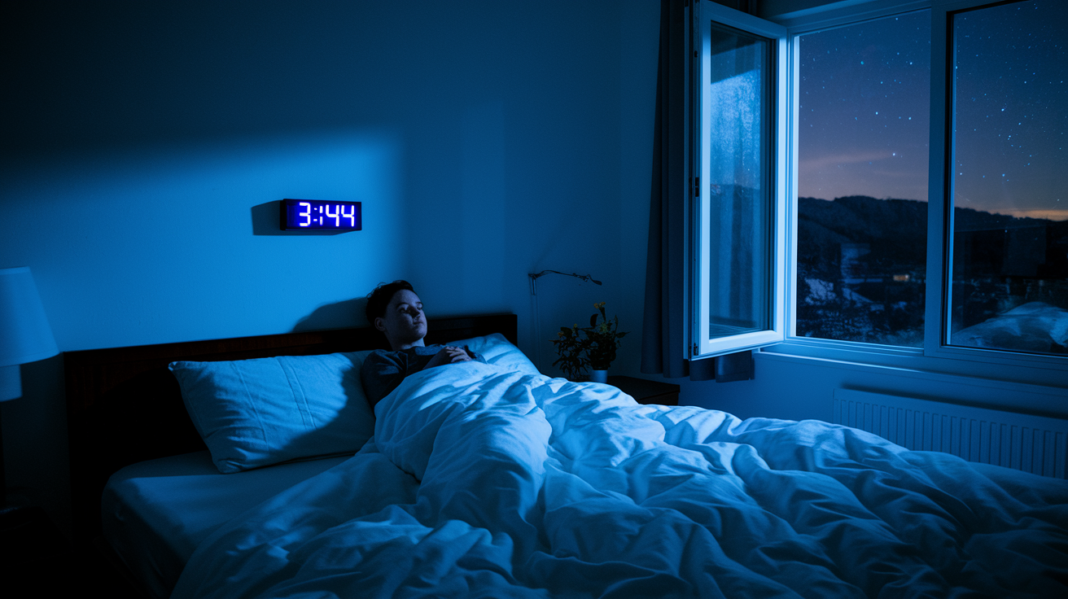

What if waking up several times a night isn’t just “normal”—it’s a clue?
Fragmented sleep happens when your brain or body nudges you out of deep rest over and over, leaving you wired but tired.
Often the reasons mix medical issues—like sleep apnea, reflux, pain, or bladder trouble—with bedroom problems and daily habits such as late caffeine, alcohol, or screen time.
This post breaks down the main medical and lifestyle causes, shows the patterns to watch for, and gives small, testable steps you can try tonight to see what helps.
Why You Keep Waking Up at Night (Quick Answer)

Fragmented sleep happens when your body or brain pulls you out of deep rest multiple times during the night. Sometimes you remember these wake-ups. Other times your brain arouses just enough to disrupt sleep architecture without you ever opening your eyes. Either way, you wake up tired.
The most common reasons involve a mix of what’s happening inside your body, around your bedroom, and throughout your day. Medical issues like sleep apnea or acid reflux can jar you awake. Environmental factors like room temperature, noise, or light exposure interfere with your ability to stay under. Lifestyle choices including late caffeine, alcohol, or screen time before bed weaken sleep quality. Psychological stress and racing thoughts also fragment rest.
Here are the main categories that trigger repeated night wakings:
- Sleep disordered breathing (apnea, snoring, airway resistance)
- Digestive problems (nighttime reflux, bloating)
- Chronic pain (arthritis, fibromyalgia, tension)
- Bladder issues (frequent nighttime urination)
- Environmental disruptions (temperature, noise, light)
- Stimulants and alcohol (caffeine, alcohol metabolism)
- Stress and anxiety (racing thoughts, cortisol spikes)
When these causes stack up, your sleep cycles never complete. You cycle through light stages without reaching enough deep or REM sleep. Over time, this pattern creates daytime fatigue, brain fog, irritability, and slower reaction times. Identifying which triggers apply to you turns fragmented sleep from a mystery into a pattern you can test and improve.
Medical Conditions That Trigger Fragmented Sleep

Certain medical issues reliably disrupt sleep continuity by triggering physical discomfort, breathing changes, or the need to wake and move. Understanding these conditions helps you spot patterns in your own night wakings and decide when to seek clinical evaluation.
Sleep Apnea
Obstructive sleep apnea occurs when throat muscles relax during sleep and partially or fully block the airway. Breathing pauses for ten seconds or longer, oxygen levels drop, and the brain sends an emergency arousal signal to reopen the airway. These micro-arousals happen dozens or even hundreds of times per night. Most last only a few seconds, so you may not remember them in the morning, but they prevent you from reaching deep sleep stages. Common signs include loud snoring, gasping or choking sounds, morning headaches, and persistent daytime fatigue despite spending enough hours in bed.
GERD
Gastroesophageal reflux disease pushes stomach acid back into the esophagus, especially when lying flat. The burning sensation, coughing, or throat irritation can wake you suddenly or keep you in lighter sleep stages all night. GERD related night wakings often cluster in the first few hours after going to bed, when digestion is most active. You might notice a sour taste, the need to sit up, or frequent throat clearing.
Chronic Pain Disorders
Conditions like arthritis, fibromyalgia, and lower back pain create a cycle where discomfort wakes you, then the fragmented sleep lowers your pain threshold the next day. Pain flares often intensify at night when distractions fade and inflammatory processes peak. Movement during sleep can trigger sharp sensations, pulling you out of deeper stages. Over weeks and months, this pattern makes both the pain and the sleep disruption worse.
Nocturia
Nocturia means waking to urinate two or more times per night. Causes include overactive bladder, prostate enlargement in men, high fluid intake before bed, uncontrolled diabetes, or certain medications. Each trip to the bathroom fragments your sleep cycle. If you struggle to fall back asleep afterward, total sleep time shrinks and restorative stages suffer.
| Condition | Primary Symptom | Typical Nighttime Effect | Clue to Watch For |
|---|---|---|---|
| Sleep Apnea | Breathing pauses, gasping | Frequent micro-arousals, oxygen drops | Partner reports loud snoring or choking sounds |
| GERD | Acid reflux, burning throat | Sudden wakings, need to sit upright | Sour taste, coughing in early night hours |
| Chronic Pain | Aching joints, muscle tension | Movement-triggered wakings, lighter sleep | Pain worsens overnight, morning stiffness |
| Nocturia | Frequent urination | Multiple bathroom trips per night | Waking two or more times to urinate |
Environmental Factors That Disrupt Sleep
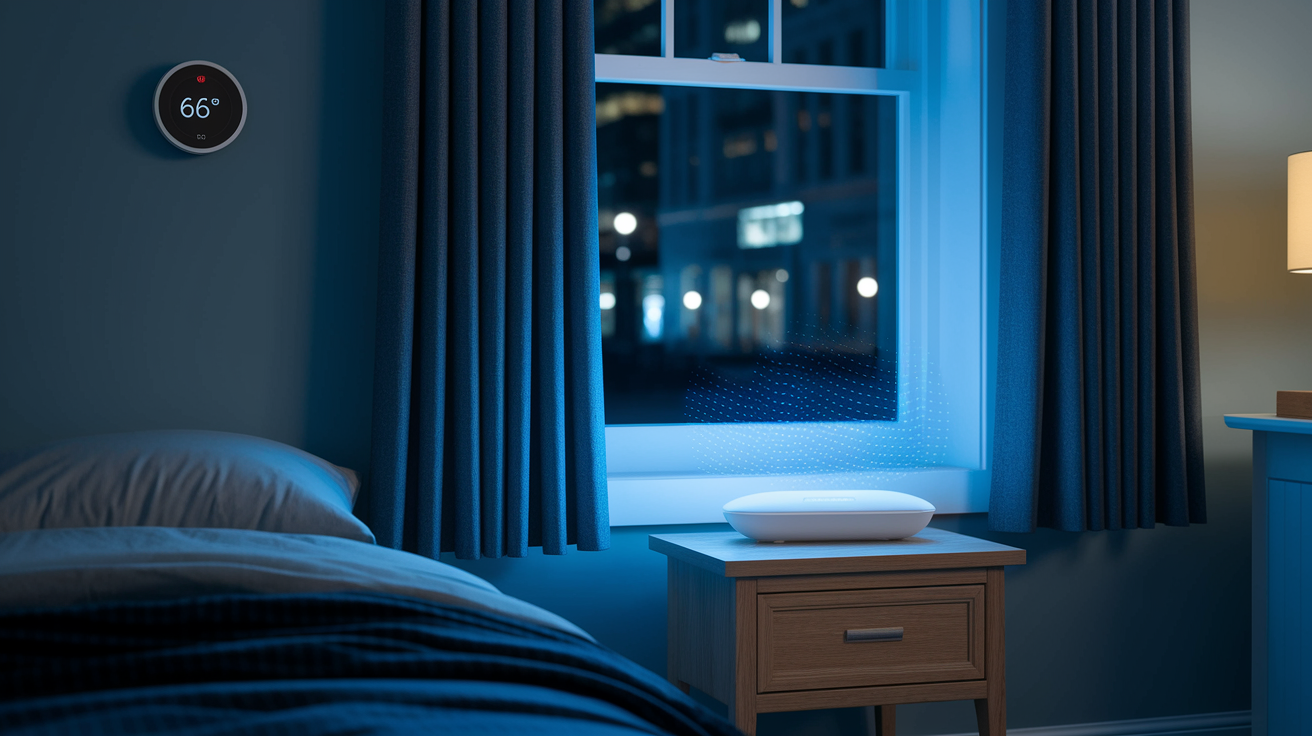
Your bedroom environment acts as a quiet conductor of sleep quality. Small shifts in temperature, light, or noise can keep your brain cycling through lighter stages instead of dropping into deep rest. Room temperature above 67°F often reduces sleep quality because your core body temperature needs to drop slightly to initiate and maintain deep sleep. A hot room forces your body to work harder to cool down, triggering more micro-arousals.
Irregular noise, even at low volumes, also fragments sleep. Your brain continues monitoring for threats during the night. A barking dog, street traffic, or a partner’s snoring can pull you into lighter sleep stages without fully waking you. The result is a night that feels unrefreshing even when you stay in bed for eight hours.
Here are common environmental triggers that disrupt sleep continuity:
- Uncomfortable bedding (worn mattress, flat pillows, scratchy sheets)
- Poor air quality (stuffiness, allergens, dry air)
- Pets in the bedroom (movement, noise, body heat)
- Electronics near the bed (notification sounds, standby lights)
- Light exposure at night (streetlights, hall lights, blue light from screens)
When you address environmental causes, improvements often show up within a few nights. Lowering the thermostat, using blackout shades, running a white noise machine, or moving your phone across the room can reduce the number of times your brain arouses during the night. Small environmental changes layer together to protect sleep continuity, giving your body a better chance to cycle through all the restorative stages it needs.
Lifestyle Habits That Lead to Night Wakings

Daily routines shape how easily you fall asleep and how long you stay asleep. Caffeine consumed late in the day is one of the most common culprits. Caffeine blocks adenosine receptors in the brain, the chemical signal that builds sleep pressure throughout the day. A cup of coffee at 4 p.m. still has roughly half its caffeine circulating in your system at 10 p.m., enough to fragment your sleep even if you manage to fall asleep on time. You might drift off but spend more time in light stages, waking repeatedly without understanding why.
Alcohol creates a different problem. It acts as a sedative initially, helping you fall asleep faster, but as your liver metabolizes the alcohol a few hours later, your brain experiences a rebound effect. REM sleep gets disrupted, and you wake more often in the second half of the night. You may also notice increased trips to the bathroom, night sweats, or a racing heart as your body processes the alcohol. Pre-sleep screen time adds another layer of disruption. Blue light from phones, tablets, and computers suppresses melatonin release, delaying the signal that it’s time to sleep. Scrolling through news or social media also keeps your mind engaged and alert, making it harder to wind down. Late evening exercise can elevate core body temperature and heart rate for hours, pushing your natural sleep window later and increasing the likelihood of fragmented rest.
Age Related Sleep Changes

As you age, the architecture of your sleep shifts. Older adults spend less time in deep slow wave sleep and more time in lighter stages, making it easier to wake from small disturbances like a shift in room temperature or a quiet noise. The number of nighttime awakenings naturally increases, and many older adults wake earlier in the morning than they did when younger.
Hormonal changes also play a direct role. Menopause brings night sweats and hot flashes that can jolt you awake multiple times per night. Estrogen and progesterone fluctuations alter temperature regulation and sleep cycle timing. Even when the hot flash lasts only a minute or two, falling back asleep afterward can take much longer, cutting into total sleep time. Testosterone decline in men and shifting cortisol patterns in both sexes also influence how deeply and continuously you sleep. These changes don’t mean poor sleep is inevitable, but they do mean your sleep system becomes more sensitive to other triggers like caffeine, stress, or an uncomfortable bedroom.
Medication Related Sleep Disruptions

Prescription and over the counter medications can fragment sleep in ways that surprise many people. Stimulant medications prescribed for ADHD or narcolepsy increase alertness and can cause repeated awakenings if taken too late in the day. Steroids like prednisone, used to reduce inflammation, often trigger insomnia and restless sleep by raising cortisol levels and increasing energy at night. Some antidepressants, particularly SSRIs, alter REM sleep and can cause vivid dreams or nighttime restlessness. Beta blockers and other blood pressure medications sometimes reduce melatonin production or shift sleep cycle timing, leading to more fragmented rest.
Diuretics taken in the afternoon or evening increase nighttime urination, pulling you out of sleep multiple times. Even common pain relievers or allergy medications with stimulating effects can interfere with sleep continuity. If you started a new medication and noticed your sleep quality dropped shortly afterward, the timing is worth mentioning to your doctor or pharmacist. Sometimes a simple adjustment in timing or dosage reduces the nighttime impact without sacrificing the medication’s benefits.
How to Improve Restful, Continuous Sleep

Improving sleep continuity means testing small changes and tracking what moves the pattern. Most effective strategies address more than one cause at the same time.
Start with these evidence backed steps:
- Keep the same bedtime and wake time every day, even on weekends, to stabilize your circadian rhythm and reduce the number of awakenings.
- Lower your bedroom temperature to 65–68°F to support the natural drop in core body temperature needed for deep sleep.
- Block out light completely using blackout curtains or an eye mask to prevent early morning or streetlight disruptions.
- Cut off caffeine by early afternoon to give your body time to clear it before bedtime.
- Stop alcohol at least three hours before bed to reduce rebound awakenings and night sweats in the second half of the night.
- Move screens out of the bedroom or use a blue light filter and stop scrolling at least one hour before sleep to protect melatonin signaling.
Behavioral interventions work best when paired with environmental ones. If stress or racing thoughts wake you, try a simple wind down routine that signals your brain it’s safe to sleep: ten minutes of stretching, a warm shower, or writing down tomorrow’s to-do list. If pain wakes you, adjust your sleeping position or try a supportive pillow between your knees. If nocturia disrupts your night, limit fluids two hours before bed and empty your bladder right before lying down.
Track one or two changes at a time for at least three nights before adding another. Note what time you wake, what might have triggered it, and how quickly you fall back asleep. Patterns become visible within a week or two, and that clarity helps you decide whether the issue is environmental, medical, or behavioral, and what to test next.
When to See a Doctor About Night Wakings

Occasional fragmented sleep is normal. Persistent fragmentation that affects how you function during the day signals something worth evaluating with a healthcare professional. If you notice loud snoring, gasping, or choking sounds during sleep, you may have obstructive sleep apnea, a condition that requires medical diagnosis and treatment to prevent long term health risks.
Other signs that warrant a clinical conversation include:
- Chronic pain or medical symptoms worsening at night (reflux, arthritis flares, frequent urination)
- Fragmented sleep lasting more than three weeks despite trying sleep hygiene improvements
- Daytime impairment including severe fatigue, difficulty concentrating, mood changes, or falling asleep unintentionally during the day
- New or worsening nightmares, night terrors, or unusual movements during sleep
Your doctor may recommend a sleep study to measure breathing patterns, oxygen levels, and brain activity during the night. If a medication you’re taking contributes to night wakings, they can adjust the dose or timing. For conditions like GERD, chronic pain, or hormonal changes, targeted medical treatment often improves sleep as a secondary benefit. Bringing a simple log of your wake times, suspected triggers, and any patterns you’ve noticed makes the appointment more productive and helps your clinician understand what’s disrupting your rest.
Final Words
In the action, you learned the chief reasons people wake at night: stress and mood, breathing problems like sleep apnea, reflux and pain, noisy or warm rooms, and medications or alcohol. The post named top triggers and how they chop sleep into short fragments.
Next, we covered how daily habits and aging shift sleep, and offered small fixes you can test—consistent bedtimes, cooler room, less late caffeine, and a meds check. If things feel serious, talk with a clinician.
If you’re still wondering what causes fragmented sleep, track patterns and try one small change for a week. Small experiments often bring steadier nights.
FAQ
Q: How do you fix sleep fragmentation?
A: You fix sleep fragmentation by first spotting triggers, then trying a steady bedtime, cool dark room, less late caffeine or alcohol, no screens before bed, stress tools, and a doctor check if it continues.
Q: Is it normal to have fragmented sleep?
A: Fragmented sleep is common sometimes, but frequent long awakenings aren’t normal and may point to stress, medications, hormones, or a sleep condition—seek help if it affects daytime function or lasts weeks.
Q: What is the 10 5 3 2 1 rule for sleep?
A: The 10 5 3 2 1 rule for sleep is a staged pre‑bed wind down that spaces out big meals, intense exercise, caffeine or alcohol, and screens at roughly 10, 5, 3, 2, and 1 hours before bedtime.
Q: How many sleep interruptions a night are normal?
A: A few brief sleep interruptions—often 1 to 3 per night—are normal, especially with age; frequent or long awakenings that leave you tired during the day should be evaluated by a clinician.