


What if the secret to restful nights fit on a single page?
This printable sleep hygiene handout gives a one-page checklist of simple habits that often boost sleep quality.
It’s not a medical plan, just clear, testable steps you can print, try, and track.
Pick one or two items, treat them like an experiment, and watch for changes over a week or two.
If nothing shifts, tweak the plan or share your notes with a clinician.
Read on to grab the PDF and learn how to use it.
Printable One-Page Sleep Checklist
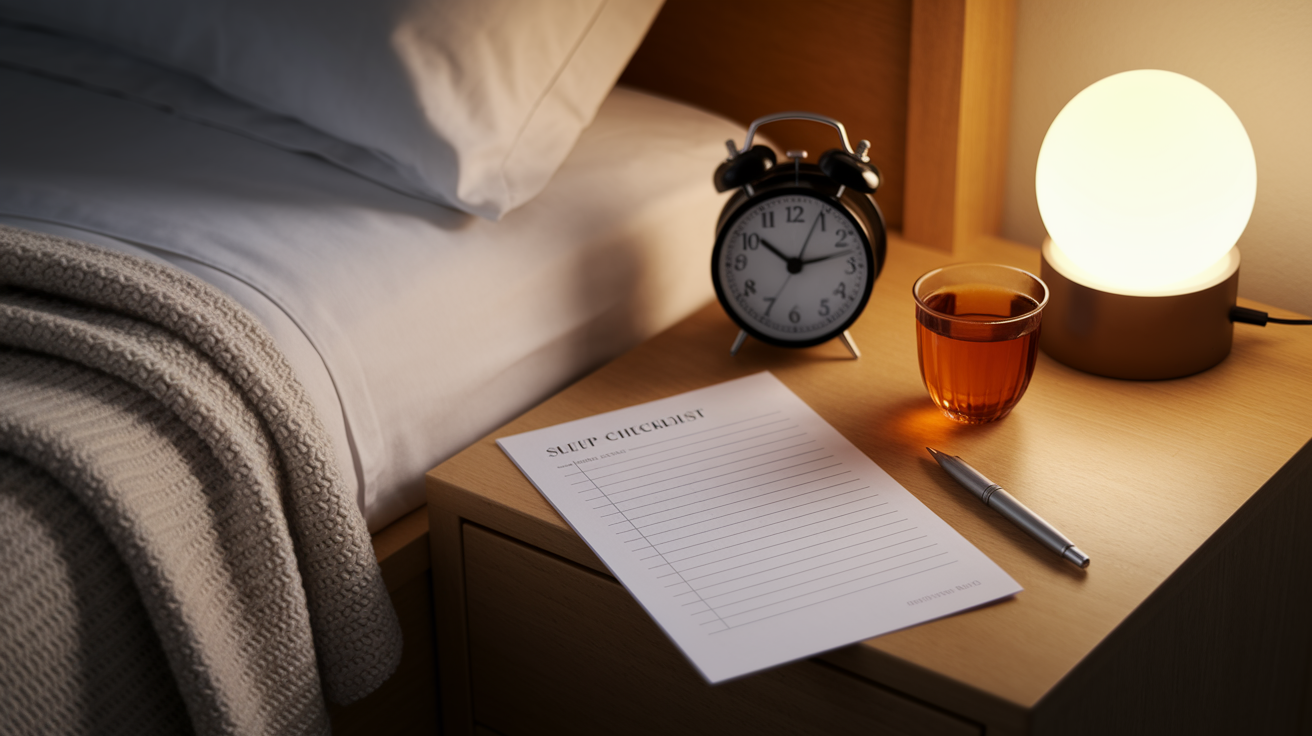
A sleep hygiene handout is a simple, one page tool that lists everyday habits linked to better sleep. It’s general sleep education, not a personal medical plan, so treat it as a starting point rather than a diagnosis.
Download the Sleep Hygiene Handout PDF
<div style="border: 2px solid #333; padding: 24px; max-width: 650px; font-family: Arial, sans-serif; line-height: 1.6;">

<h3 style="margin-top:0;">Sleep Hygiene Checklist</h3>
<p style="font-style: italic;">Check off the habits you're working on this week. Small, steady changes tend to work better than trying everything at once.</p>

<div style="margin-top: 20px;">
<p>☐ 1. Keep consistent sleep and wake times, including on weekends.</p>
<p>☐ 2. Make the bedroom dark, quiet, cool, and comfortable.</p>
<p>☐ 3. Stop or reduce caffeine by mid afternoon.</p>
<p>☐ 4. Avoid using alcohol as a sleep aid.</p>
<p>☐ 5. Avoid nicotine, particularly near bedtime.</p>
<p>☐ 6. Turn off phones, computers, televisions, and other bright screens about an hour before bed.</p>
<p>☐ 7. Keep naps brief and early, or skip them if they make nighttime sleep harder.</p>
<p>☐ 8. Exercise regularly, but avoid vigorous activity too close to bedtime if it feels stimulating.</p>
<p>☐ 9. Seek morning daylight to support your sleep wake cycle.</p>
<p>☐ 10. Follow a calming wind down routine using relaxation practices.</p>
<p>☐ 11. Apply stimulus control: reserve the bed for sleep and sex, and leave it for a quiet activity in dim light if still awake after about 20 minutes, then return when sleepy.</p>
</div>

<hr style="margin-top: 24px;">

<p style="font-size: 0.9em;"><strong>Note:</strong> This checklist is educational only. It's not a diagnosis or treatment plan and shouldn't replace advice from a qualified healthcare professional.</p>

<p style="font-size: 0.9em;"><strong>Safety:</strong> Don't drive when dangerously sleepy. Seek urgent medical assistance if safety is at risk. If you're having thoughts of self harm or facing any emergency, contact your local emergency or crisis services immediately.</p>

</div>
That’s it, one page, ready to print. Keep reading for tips on getting the most out of it, whether you’re using it solo or sharing it with a client, student, or patient.
How to Use and Adapt the Printable Resource
Clinicians, educators, workplaces, and individuals all tend to use this kind of sheet the same basic way. Scan the list, pick a couple of items that feel doable, and build from there instead of overhauling everything at once. It works fine on its own, but it also fits alongside CBT-I informed care, a sleep diary, or a routine GP visit, without replacing the individualized assessment those settings provide.
A few things make the handout more useful in practice:
- Pick a small number of realistic actions instead of trying every change at once.
- Use discussion prompts and a personal action plan during facilitated sessions.
- Leave space for clinician, educator, or personal notes.
- Adjust wording, examples, and priorities for whoever’s using it.
- Print in a single column, high contrast 8.5 by 11 inch layout with readable type and checkboxes.
Different audiences need different emphasis. Here’s a quick guide for adapting the same core content:
| Audience | Recommended Adaptation |
|---|---|
| Children and caregivers | Family led routines, with parents guiding consistent bedtime and wake up cues |
| Teenagers | Screen use and social jet lag, especially weekend sleep shifts that throw off school week rhythm |
| Adults and college students | Work or study stress, plus realistic caffeine and wind down timing around busy schedules |
| Older adults | Naps and medication discussions, including how prescriptions may affect sleep quality |
| Shift workers | Circadian timing or strategic naps to manage sleep around irregular hours |
Evidence-Based Sleep Hygiene Recommendations

Each item on the checklist is tied to a reason, and knowing the “why” usually makes it easier to actually stick with the habit.
Consistent Sleep and Wake Times
Your body runs on an internal clock, and that clock likes routine. Waking at the same time every day, even on weekends, gives your body a steady anchor to build around. That tends to matter more than bedtime itself. A late Saturday morning might feel good at the time, but it can quietly push your whole rhythm off, making Monday’s early alarm feel brutal.
Caffeine, Alcohol, and Nicotine
Caffeine can stay active in your system for hours after that afternoon coffee, which is why it sneaks into sleep long after you’ve forgotten drinking it. Alcohol works differently. It might make you drowsy at first, but it tends to fragment sleep later in the night, leaving you tired despite hours in bed. Nicotine, meanwhile, is a stimulant, not a relaxant, no matter how calming the ritual feels. Exact cutoff times vary from person to person, so it’s worth testing what timing works for your own body.
Naps and Exercise
Final Words
Use the one-page sleep checklist to try one or two changes tonight. It’s a printable cue you can keep by the bed.
The post gave the ready-to-print handout, tips for adapting it to kids, teens, adults and shift workers, the evidence behind each habit, and realistic limits of a general sheet.
Treat this sleep hygiene handout as a short experiment: track what changes, adjust small steps, and share notes with a clinician if problems persist. Try it for a week and see what shifts.
FAQ
Q: What is a sleep hygiene handout and who is it for?
A: A sleep hygiene handout is a printable, scannable sheet listing practical habits to support better sleep. It’s for patients, students, clinicians, and anyone wanting simple, testable sleep tips.
Q: What does the printable one-page sleep checklist include?
A: The printable one-page sleep checklist includes 11 items covering a consistent sleep schedule, bedroom conditions, caffeine/alcohol/nicotine timing, screens, naps, exercise, morning light, wind-down routines, and stimulus control with the 20-minute rule.
Q: How should I use the one-page handout in a clinic, classroom, or at home?
A: You should use the handout by choosing two to three realistic actions, discussing prompts during sessions, adding an individual action plan and notes, and printing a copy for daily tracking and review.
Q: How can I adapt the handout for children, teens, older adults, or shift workers?
A: You can adapt the handout by adding family-led routines for children, screen and social jet lag tips for teens, stress and schedule support for adults and students, nap and medication notes for older adults, and circadian timing for shift workers.
Q: What is the 20-minute rule and how do I use it?
A: The 20-minute rule says if you’re still awake after about 20 minutes, leave bed for a quiet, dim-light activity, return only when sleepy, and avoid watching the clock or forcing sleep.
Q: When should I see a healthcare professional about sleep problems?
A: You should see a healthcare professional if sleep problems persist despite routine changes; if there’s loud snoring or gasping; unusual movements or sensations; or sleepiness that risks driving, work, or safety.
Q: How do caffeine, alcohol, and nicotine affect sleep and when should I stop them?
A: Caffeine can stay stimulating for hours, so aim to stop by mid-afternoon; alcohol may cause early drowsiness but fragments sleep later; nicotine is a stimulant—avoid it near bedtime.
Q: What practical wind-down steps help me fall asleep?
A: Practical wind-down steps include turning off bright screens about an hour before bed, dimming lights, and choosing calming activities like reading, slow breathing, gentle stretching, or simple relaxation exercises.
Q: Can a handout replace formal treatment for insomnia?
A: A handout can help build consistent sleep habits and complement CBT-I or medical care, but it doesn’t replace a full insomnia assessment, diagnosis, or individualized treatment plan.
Q: How can tracking sleep with a diary help me improve sleep?
A: A sleep diary records bed and wake times, naps, substances, exercise, and awakenings to reveal patterns you can test and share with a clinician to guide targeted next steps.