

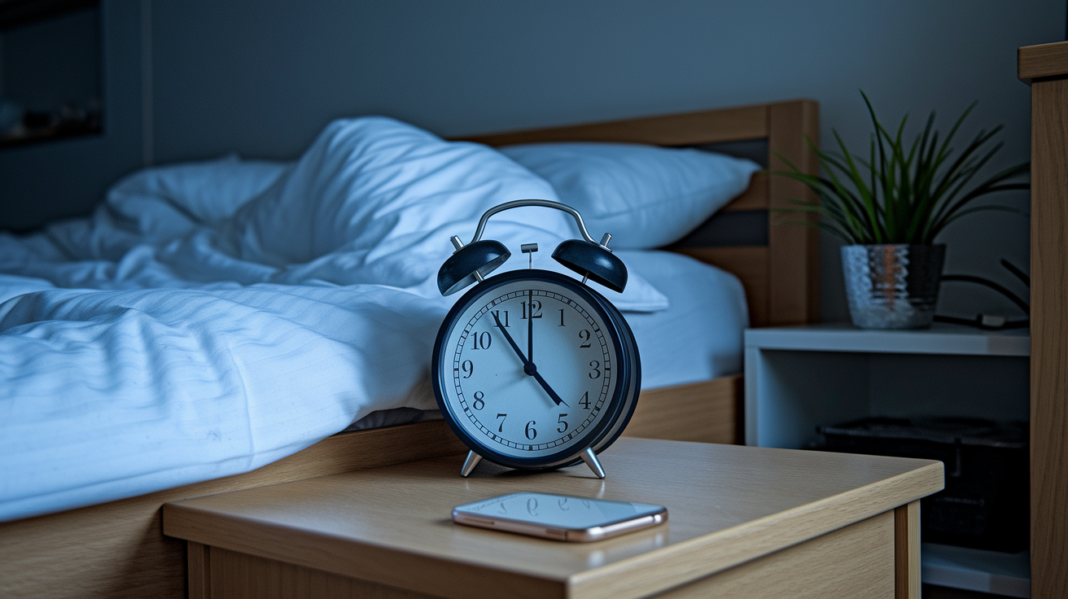

What if eight hours of sleep can still leave you exhausted?
It turns out total hours can lie.
Sleep continuity, staying asleep with few awakenings and little time awake after you first fall asleep, often matters more than raw time in bed.
Broken sleep chips away at memory, mood, and physical recovery, even when trackers show a normal total.
Read on to learn the simple signs of poor continuity, how it’s measured, and small tests you can try to get steadier rest.
Why Uninterrupted Sleep Matters
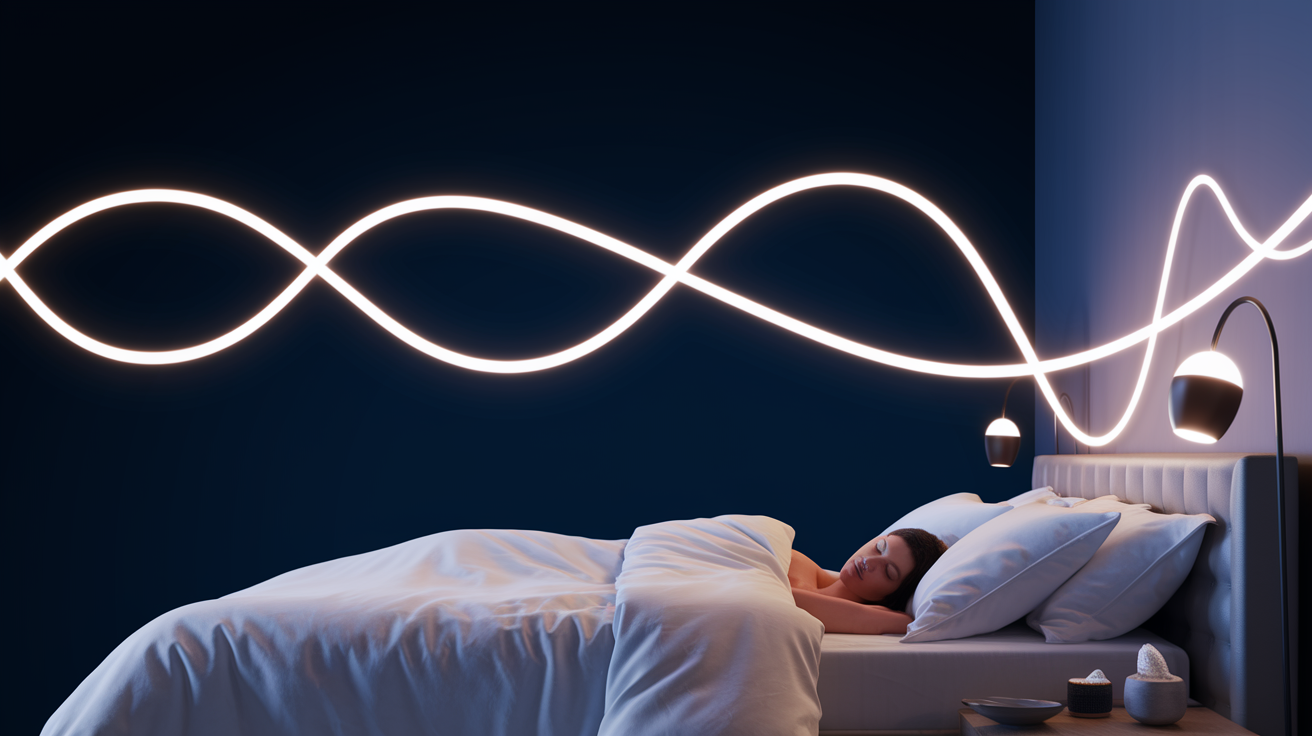
Sleep continuity means staying asleep with few awakenings, few arousals, and very little time spent lying awake once you first drift off. That’s the sleep continuity definition in its simplest form. It’s not about how many hours you log. It’s about how smoothly those hours flow.
Think of it this way. Two people can both get eight hours in bed, but one wakes up feeling clear headed while the other feels like they got hit by a truck. The difference often comes down to continuity, not duration. Poor sleep quality can hide behind a seemingly normal number on a tracker. Continuous sleep vs fragmented sleep is really what this comes down to. Someone who sleeps eight straight hours in an eight-hour window is getting far better rest than someone who logs eight total hours across a nine-hour window broken up by awakenings lasting 5, 10, 30, and 15 minutes. Same total. Very different outcome.
This matters because sleep runs in cycles, and those cycles need room to complete themselves. Sleep fragmentation, the actual disruptive events, interrupts that process, and it can chip away at memory, mood, and physical recovery even when total sleep time looks fine on paper. To be fair, a brief stir here or there is normal. Nobody sleeps like a stone all night, and that’s okay. What matters is the bigger pattern over time, viewed alongside sleep efficiency and sleep architecture (the mix of light, deep, and REM stages), not one single restless night.
| Term | What It Describes | How It Relates to Sleep Continuity |
|---|---|---|
| Sleep continuity | How uninterrupted sleep is across the night | The core concept itself; measured by awakenings and wake time after sleep onset |
| Sleep fragmentation | The events (arousals, awakenings) that break up sleep | The cause; frequent fragmentation produces poor continuity |
| Sleep efficiency | Ratio of time asleep to time spent in bed | A related, calculable measure that often reflects continuity |
| Sleep architecture | Distribution of sleep stages (N1, N2, N3, REM) | A separate but connected factor; disrupted continuity can distort stage balance |
What Causes Poor Sleep Continuity and Repeated Awakenings
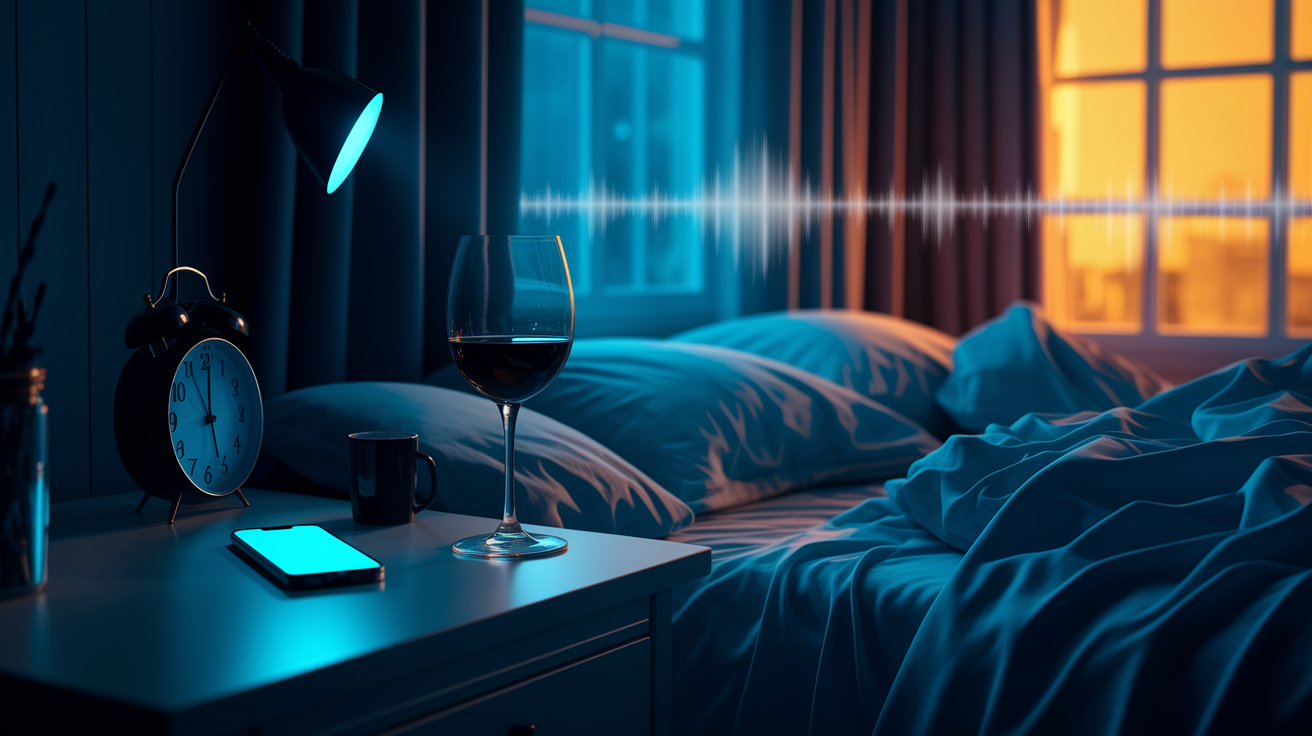
Fragmented sleep rarely has one single cause. It’s usually some mix of medical, behavioral, circadian, medication related, and environmental factors working together, sometimes quietly, sometimes obviously. A person dealing with sleep maintenance insomnia might also be drinking wine at 9 p.m. and scrolling their phone at midnight, and untangling which factor matters most takes a bit of detective work.
Several sleep and medical disorders are common culprits, including obstructive sleep apnea and restless legs syndrome. We’ll get into how these are treated in a later section, but for now, it helps just to recognize the categories.
- Insomnia, stress, anxiety, and difficulty returning to sleep
- Breathing and movement disorders, including obstructive sleep apnea and restless legs syndrome
- Pain, nocturia, reflux, hormonal changes, and other medical symptoms
- Alcohol, caffeine, nicotine, large meals, and medication effects
- Noise, light, temperature, devices, caregiving, and partner disturbances
- Shift work, jet lag, irregular schedules, aging, and circadian misalignment
Here’s the tricky part. Some disruptions never register in memory at all. Brief respiratory pauses or cortical arousals, the kind seen with sleep apnea, can happen dozens of times a night without the sleeper ever realizing they woke up. The person just feels groggy the next day and can’t figure out why, since they’d swear they slept through the night. That disconnect between subjective and actual continuity is one reason daytime sleepiness sometimes seems to come out of nowhere. We’ll cover how these underlying disorders get treated a bit further down.
How Sleep Continuity Is Measured
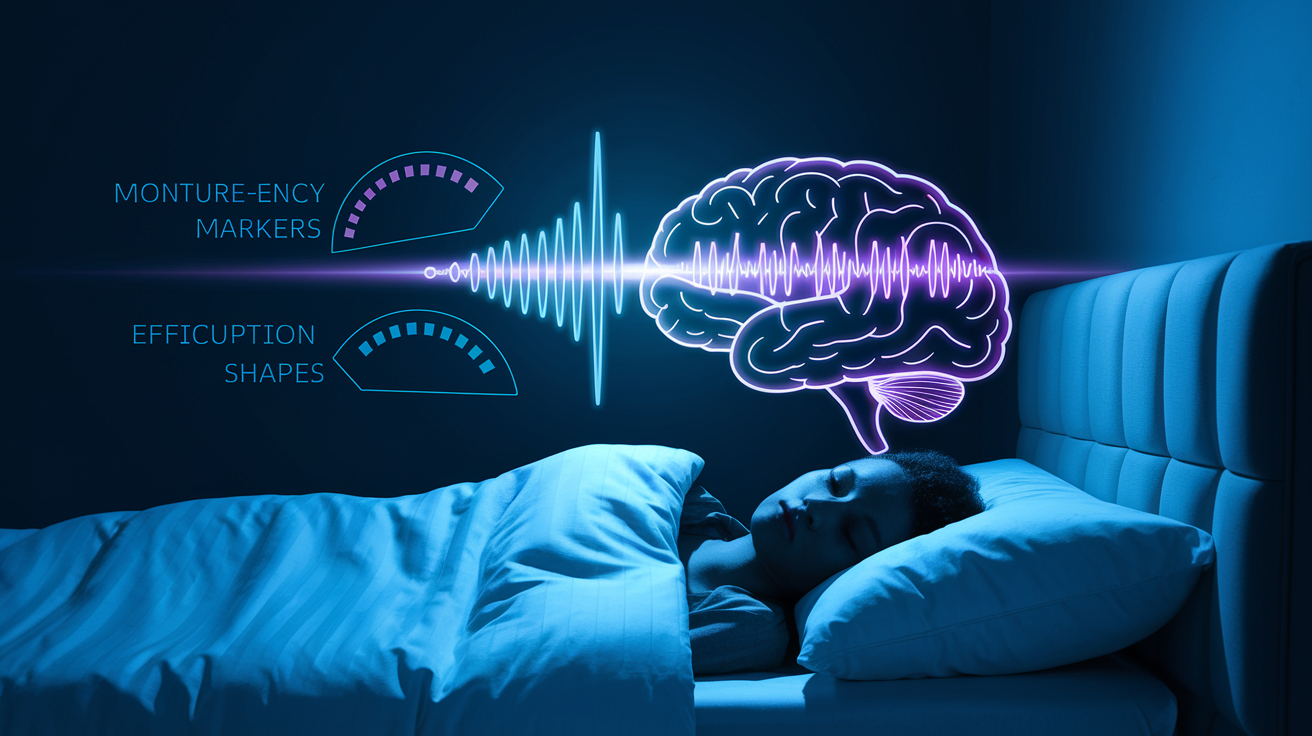
Sleep continuity gets quantified through a handful of core metrics, and each one tells a slightly different part of the story. No single number captures everything, so clinicians and researchers tend to look at them together rather than leaning on just one.
Core Sleep Continuity Metrics
Wake After Sleep Onset, awakening counts, sleep efficiency, arousal index, sleep onset latency, total sleep time, and fragmentation indices all describe different angles of the same night. Some track how much wakefulness happened, others track how often it happened, and others zoom in on brain wave level disruptions.
None of these should be read as a stand alone diagnosis. A single low sleep efficiency score on one night doesn’t mean much by itself. It’s the pattern across many nights, combined with how a person actually feels during the day, that gives the numbers meaning.
WASO, Awakening Counts, and Sleep Efficiency
Wake After Sleep Onset (WASO) is the total time spent awake after you first fall asleep, added up across the whole night. It’s different from counting how many times you woke up. Someone might wake up only twice but stay awake 45 minutes total, while someone else wakes eight times but drifts back off in under a minute each time. Both patterns matter, but they say different things.
Sleep efficiency puts this into a percentage: SE = (total sleep time ÷ time in bed) × 100. It’s a quick snapshot of how much of your time in bed was actually spent asleep. Sleep onset latency, by contrast, measures how long it takes to fall asleep in the first place. That’s a separate clock. Continuity is mostly concerned with what happens after.
Final Words
We started with a clear definition, showed why uninterrupted sleep matters, explored common causes, explained how continuity is measured, and gave practical behavior fixes and treatment paths.
Try small experiments: track bedtime, awakenings, WASO, and how you feel across two weeks. Change one habit at a time—consistent wake time, less evening alcohol, or a wind-down—and watch for patterns.
Use the sleep continuity definition as your working lens: track, spot patterns, act, and reassess. With steady tweaks, many people notice better sleep and more daytime energy.
FAQ
Q: How do I improve my deep sleep continuity?
A: Improving deep sleep continuity starts with regular bed and wake times, a cool dark quiet room, avoiding late alcohol and caffeine, a short wind-down routine, and testing changes for several nights before reassessing.
Q: Do my 8 hours of sleep have to be consecutive?
A: Eight hours don’t have to be fully consecutive, but mostly continuous sleep is more restorative; aim for minimal awakenings, sleep efficiency near or above 85%, and WASO under about 20–30 minutes for best benefit.
Q: What is the 3-3-3 rule for sleep?
A: The 3-3-3 rule for sleep is not a single standard guideline; different sources use it for infant care or adult habits. Tell me where you saw it and I’ll explain that specific version.
Q: How many sleep interruptions a night are normal?
A: A few brief awakenings each night are normal; clinically, fewer than about five interruptions, WASO under 20–30 minutes, and sleep efficiency above 85% generally indicate acceptable continuity.