

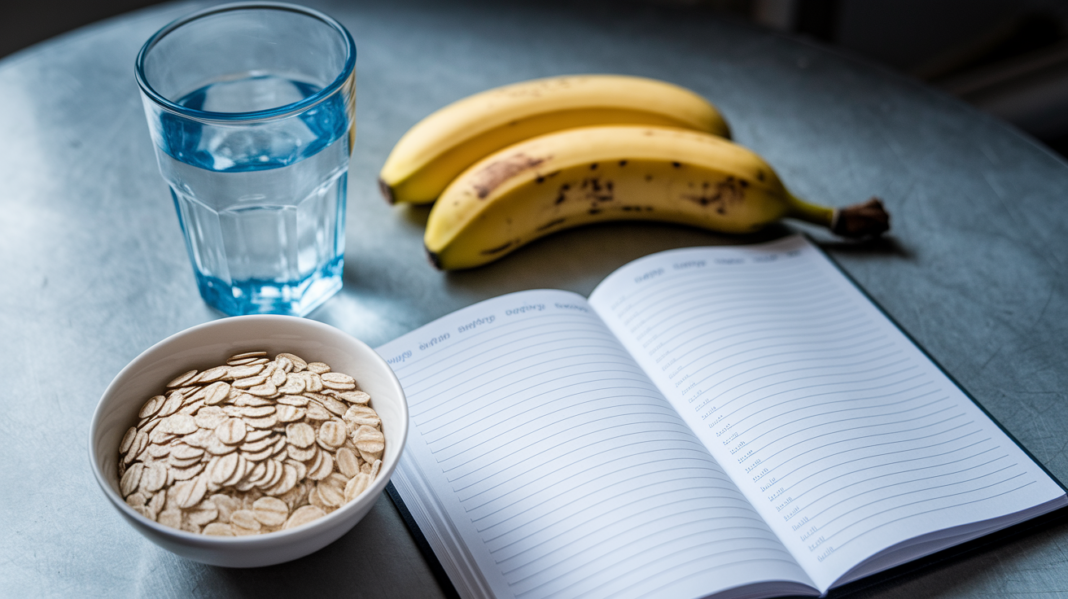

What if your meals—not lack of sleep or too much coffee—are the real reason you feel wiped by midafternoon?
Try a simple test: rate your energy 1 to 10 before eating, 30 to 60 minutes after, 2 to 3 hours later, and again at bedtime.
Doing this for two weeks turns guesswork into clear patterns: which meals lift you, which cause a crash, and small swaps you can test the next week.
Read on to learn a simple logging plan, what to watch for, and three tiny experiments you can try tomorrow.
Tracking Energy Before and After Meals
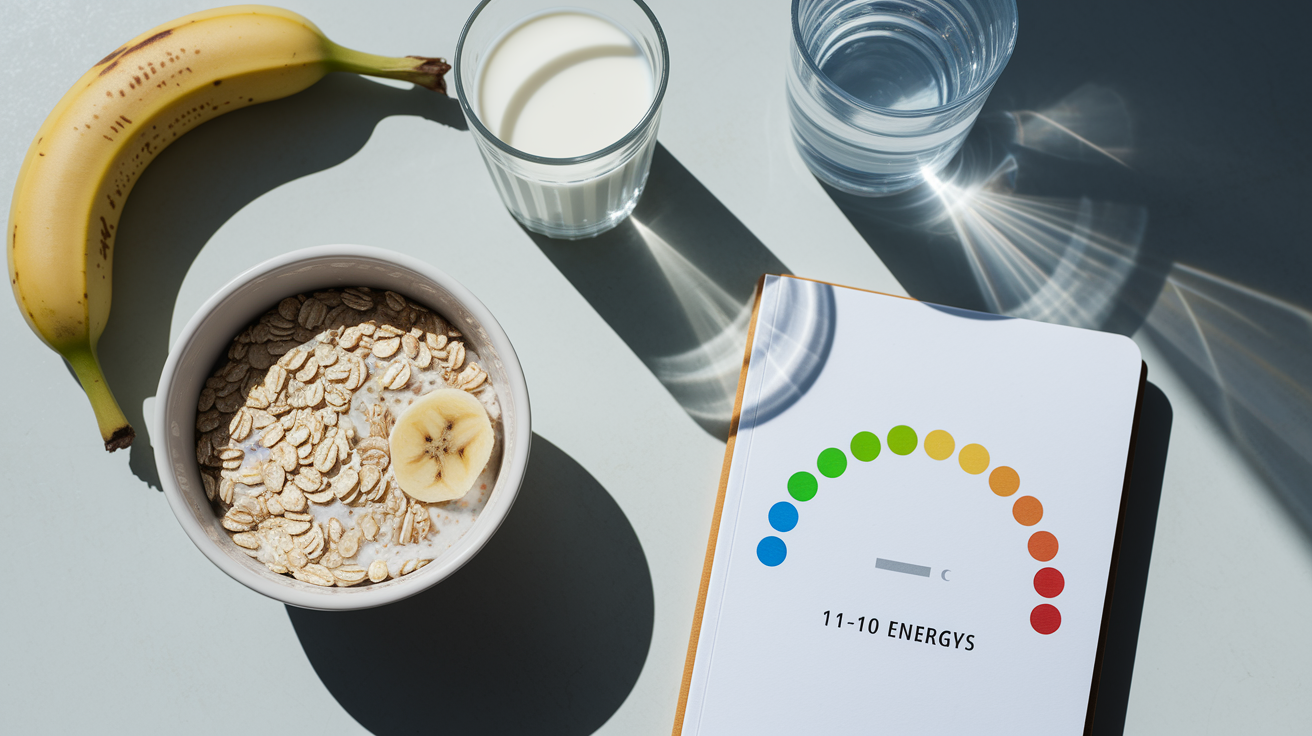
Your energy rating uses a simple 1 to 10 scale. A 1 means you’re barely able to keep your eyes open, the kind of tired where your head feels heavy and thinking takes real effort. A 10 means you feel sharp, alert, ready to take on your day without any drag. Most people land somewhere in the middle, and that’s fine. The scale isn’t about hitting a perfect number. It’s about noticing how that number shifts around food.
Take your rating at four points: right before you eat, about 30 to 60 minutes after, again 2 to 3 hours later, and once more at bedtime. Stick to the same intervals every time you log a meal. Consistency here matters more than precision. If you rate yourself at 45 minutes one day and 90 minutes the next, you won’t be able to trust the pattern you’re seeing.
Each entry needs a few basics: the meal itself, a rough portion size, and an estimate of protein, carbs, and fat. Add short notes on sleep the night before, how much water you’ve had, your current stress level, and any caffeine. This context turns a food log into a real pattern tracking tool.
Here’s what a completed entry looks like:
08:00, 1 cup oats (80g), 200mL milk, 1 banana; protein 12g, carbohydrates 60g, fat 8g; hydration 300mL. Energy before meal: 6. One hour after: 7. Three hours after: 5.
Setting Up Your Energy Tracking System Step by Step

Paper journals, spreadsheets, and apps like Cronometer all work. The best choice isn’t the fanciest one. It’s whichever one you’ll actually open every day. If you love checking boxes on paper, use paper. If you’re already glued to your phone, an app might fit better into your routine. Don’t overthink this part, it just needs to be something you’ll stick with.
Before you start changing anything, spend 3 to 7 days building a baseline. Log your normal sleep, meals, water intake, stress, and energy exactly as they already are. Don’t tweak your habits yet, just observe them. This baseline becomes your comparison point later, so resist the urge to eat “better” during this window.
Once your baseline is done, follow the entry protocol from the previous section for every meal and snack. Same four checkpoints, same details each time. Commit to this one method for at least two weeks straight. Switching tools or formats partway through makes it much harder to compare days against each other.
At the end of each week, sit down with your notes and look for repeats. Which meals came with energy rises? Which ones led to a crash a couple hours later? Are certain days consistently rougher than others? If you’re using Cronometer or a similar app, you can chart your nutrient intake right alongside your energy ratings, which makes spotting these overlaps a lot faster.
Core Nutritional Metrics That Affect Energy
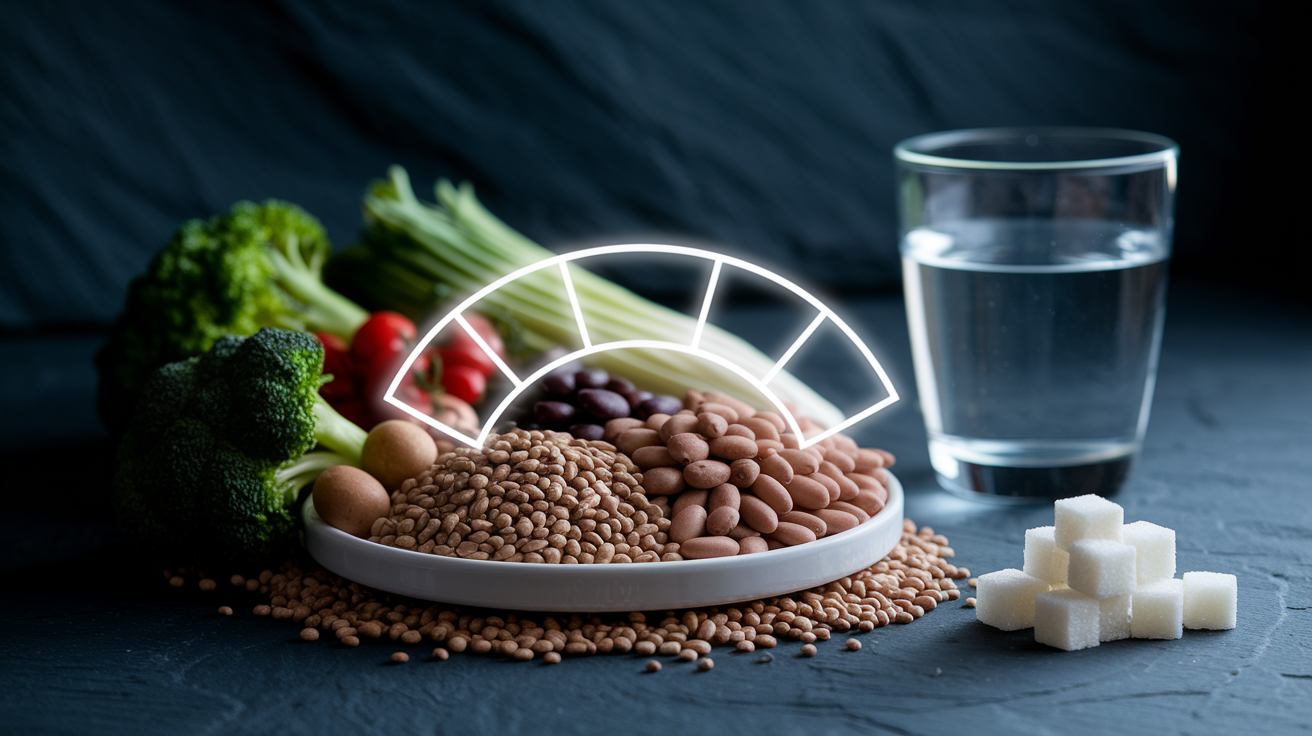
Protein and fiber tend to support steadier energy throughout the day. They slow digestion down, which means less of that quick spike and drop feeling. Added sugar and refined carbohydrates, on the other hand, often show up right before a crash. You’ll notice the rise, it feels good for a bit, then energy drops faster than it climbed.
Hydration plays a bigger role than most people expect. Losing just 1 to 2 percent of your body weight in water, which honestly doesn’t take much on a busy or hot day, can measurably reduce cognitive performance and increase feelings of fatigue. That foggy, sluggish feeling in the early afternoon is sometimes just your body asking for water, not food.
| Metric | Target or Test Threshold | Why It Matters |
|---|---|---|
| Breakfast protein | Add 10-20g at breakfast | May reduce midmorning energy crashes and steady hunger |
| Fiber intake | Compare higher-fiber whole foods vs lower-fiber meals | Slows digestion, which can support more even energy release |
| Added sugar | Keep under 25g per day | High intake is often linked to rapid energy rises followed by drops |
| Grain type | Swap refined for whole grains at one meal daily, 1-2 weeks | Whole grains digest slower, which may support longer-lasting energy |
| Hydration | Avoid losing more than 1-2% of body weight in water | Mild dehydration is tied to reduced focus and higher fatigue |
What Energy Changes at Each Interval May Indicate

If your pre-meal energy keeps landing low, take a look at the gap since your last meal. Gaps longer than 4 to 5 hours often show up alongside lower pre-meal scores. That said, one rough score on its own isn’t a big deal. It could just be a bad night’s sleep, a stressful morning, or not enough water. It’s the repeated pattern that tells you something, not a single low day.
A sharp climb at the 30 to 60 minute mark, followed by a drop by the next check, tends to show up after meals heavy in rapidly digested carbohydrates. Think white bread, sugary cereal, or a pastry on the run. One instance isn’t proof of anything. But if you see this same rise then fall shape after similar meals again and again, that’s a pattern worth testing further.
Fatigue that creeps in 2 to 3 hours after eating is a bit trickier to pin down. It could relate to how large the meal was, whether it had enough protein or fiber, your hydration that day, or even how long it had been since your previous meal. This is where your context notes earn their keep. They help you rule out other explanations before pointing to the food itself.
Your bedtime rating and next morning score can tell you
Final Words
Start with the 1 to 10 energy scale and four checkpoints: before a meal, 30 to 60 minutes after, 2 to 3 hours after, and at bedtime. Keep 1 as extreme fatigue and 10 as peak alertness.
Pick one method, paper, spreadsheet, or app, and use it for two weeks. Record the meal, portions, rough macronutrients, sleep, hydration, stress, and caffeine. Review weekly for repeating rises or crashes.
tracking energy before and after meals gives clear, testable clues. Try the protocol for a few weeks and you’ll find small changes that add up to steadier days.
FAQ
Q: What is the 3-3-3 rule for eating?
A: The 3-3-3 rule for eating is a simple timing guide: space eating about every three hours, aiming for three balanced meals and up to three small snacks to keep energy steady and prevent big sugar dips.
Q: How long after eating will you get energy?
A: You usually feel more energy within 15 to 60 minutes after eating, faster with simple carbs and when hydrated; protein and fiber tend to give slower, steadier rises.
Q: Which fruit removes weakness?
A: No single fruit removes weakness, but energy-boosting fruits like bananas or oranges—rich in carbs and potassium—can quickly lift fatigue or lightheadedness when paired with fluids and some protein.
Q: What happens to my metabolism if I eat after 8pm?
A: Eating after 8pm doesn’t permanently slow metabolism; however late meals can disturb sleep and digestion and, if they add extra calories, may contribute to weight gain over time.