

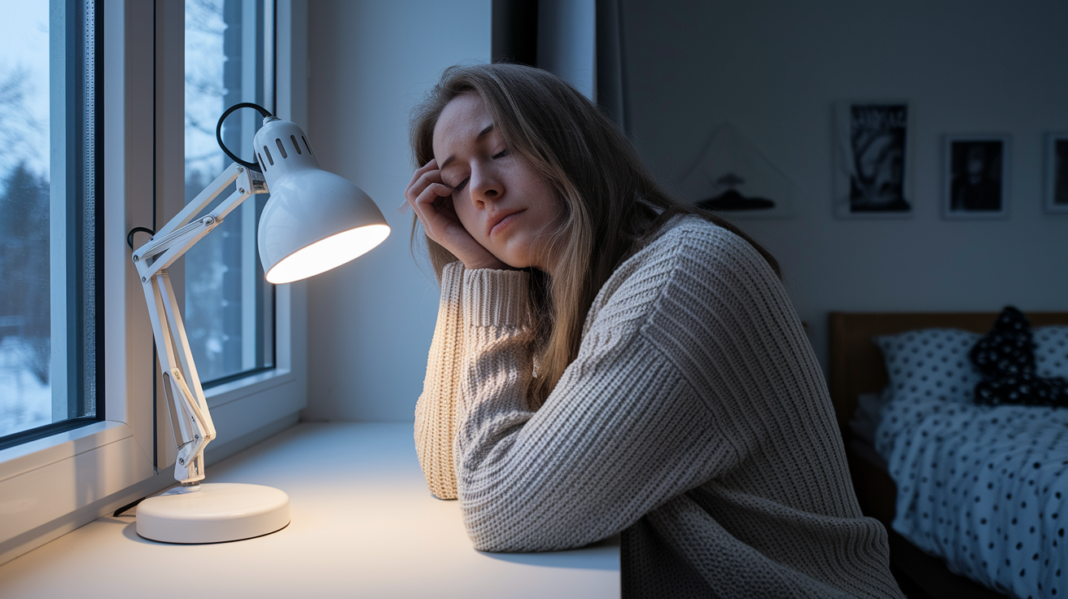

What if feeling drained in winter isn’t laziness but your brain reacting to less light?
Changing daylight shifts your internal clock, and that tweak can alter sleep, mood, appetite, and focus.
Temperature, activity, and daily routines nudge how strong that shift feels for many people.
This post explains the simple biology behind seasonal energy changes, points out the common signals to watch, and offers small, easy experiments you can try this week.
Think of it like tracking a weather pattern for your energy: notice one clue, test one change, then reassess.
Why Energy Levels Shift With the Seasons
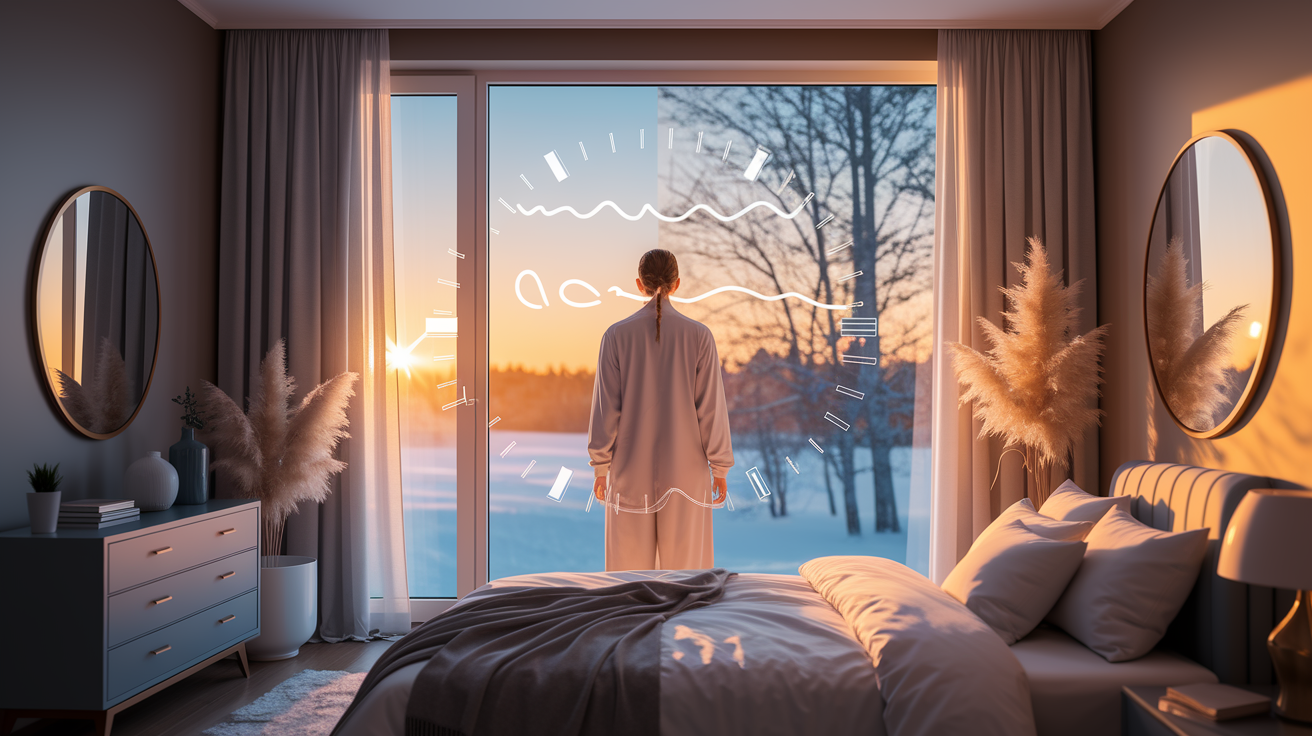
Seasonal energy changes really come down to one main driver: light. Changing daylight hours reset your body’s internal clock and shift the timing of hormones that control alertness and sleep. Temperature, activity levels, sleep habits, and mood can all make this shift feel stronger or weaker, but the root cause stays the same. And no, it’s not laziness or something you’re imagining. It’s a real, measurable response happening inside your brain and body.
Here’s how small changes add up. In one region, daylight shrinks by about 7 minutes a day in September. That sounds tiny, but it adds up to nearly an hour less light every week. Multiply that over a month and you can see why so many people notice a shift in mood and motivation without anything else in their life changing. If these fatigue symptoms become severe or keep returning every winter, it may point to Seasonal Affective Disorder, something we’ll cover in more detail later. For now, here are five signs worth tracking:
- Morning grogginess that lingers longer than usual
- Carbohydrate cravings, especially in the afternoon
- Low motivation for tasks that used to feel easy
- Oversleeping or hitting snooze more often
- Mood dips that seem tied to darker days
Practical Ways to Manage Seasonal Fatigue
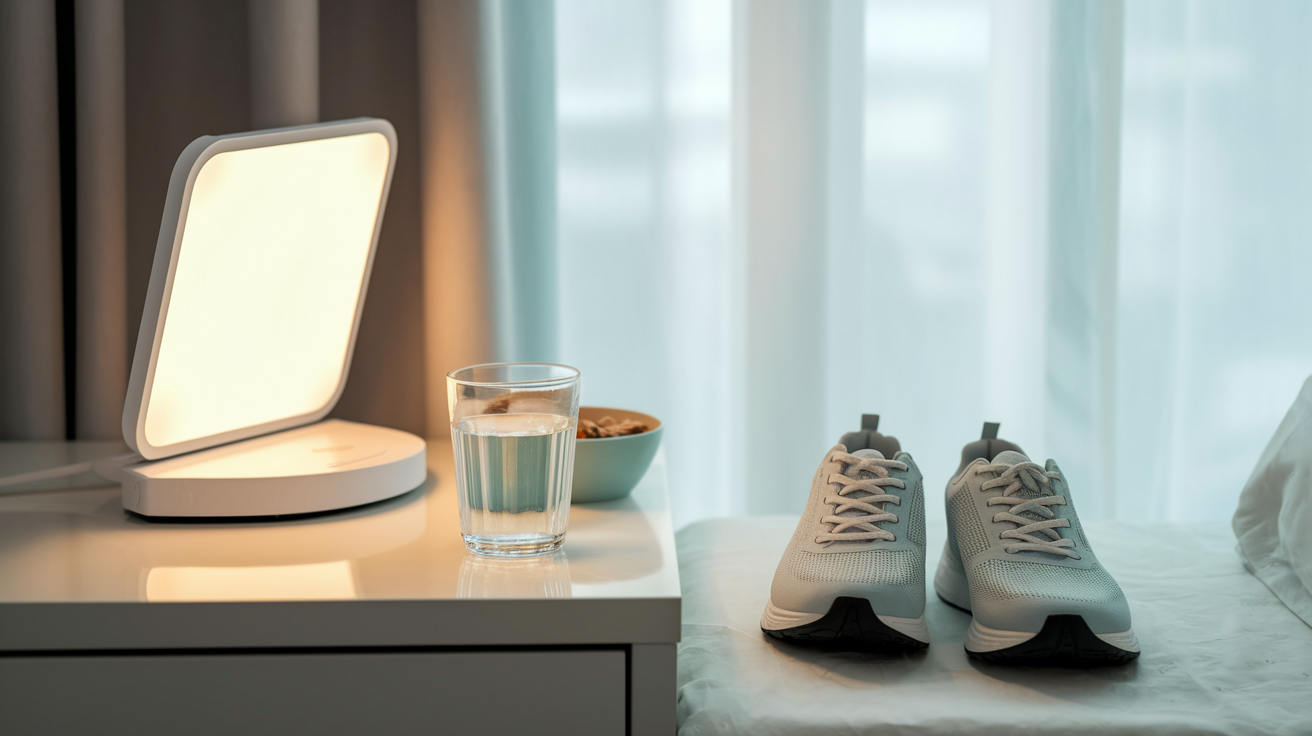
Consistent light exposure and steady daily routines can ease ordinary seasonal fatigue for a lot of people. That said, if symptoms are severe, sudden, or not improving, it’s worth checking in with a qualified healthcare professional rather than pushing through alone.
Here’s a quick checklist to try this week:
- Use morning bright light therapy as directed, typically first thing after waking, to help reset your internal clock.
- Get outdoor daylight early in the day, even just a short walk, since natural light beats most indoor lighting.
- Ask a healthcare professional whether a vitamin D check makes sense, especially if fatigue feels persistent.
- Exercise regularly. Movement supports mood and energy even on low-motivation days.
- Keep consistent sleep and wake times, even on weekends, to stabilize your body clock.
- Stay hydrated throughout the day, since even mild dehydration can worsen tiredness.
- Eat balanced meals at regular intervals to avoid energy crashes tied to blood sugar swings.
Bright light therapy isn’t right for everyone. People with certain eye conditions, those on light-sensitive medications, or people with bipolar disorder should talk with a clinician before starting. Light exposure can affect mood regulation in ways that need medical oversight.
The Biological Mechanism Behind Seasonal Energy Shifts
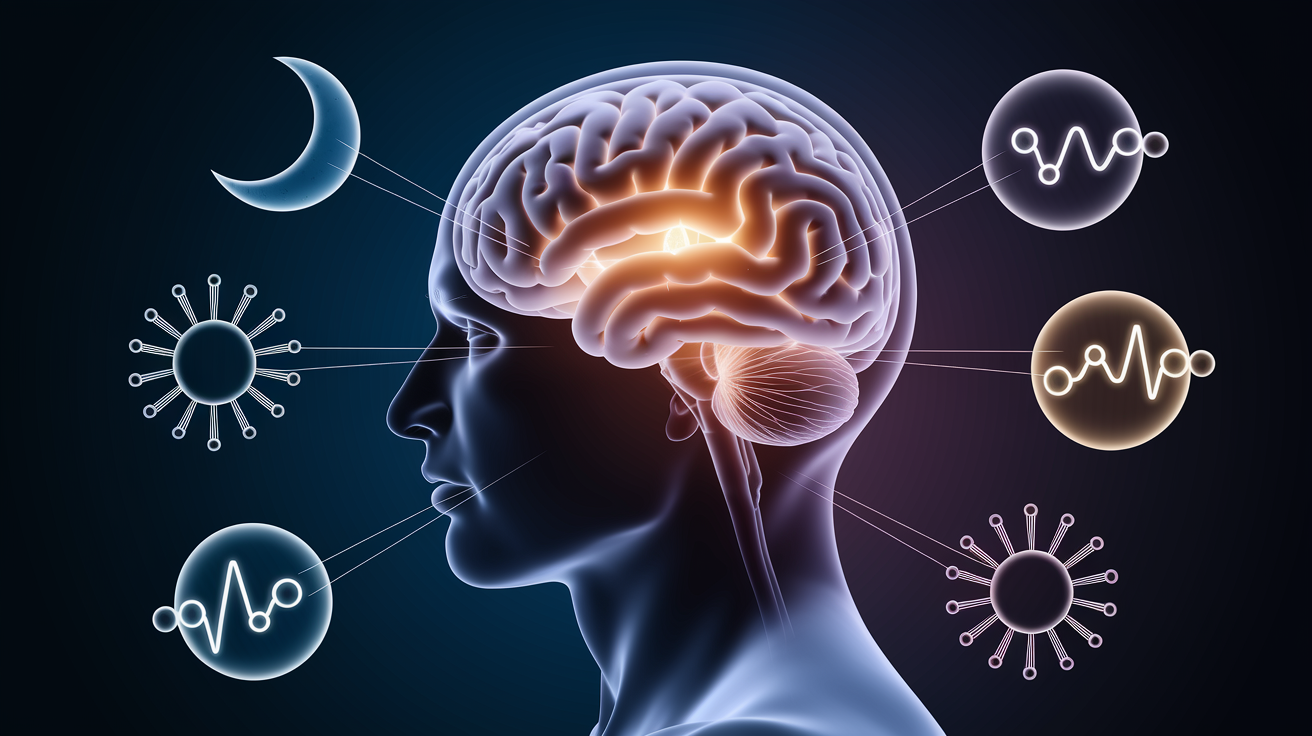
Deep in your brain sits a tiny structure called the suprachiasmatic nucleus, or SCN. Think of it as your body’s master clock. Light entering through your eyes travels along retinal pathways straight to the SCN, which uses that signal to reset your internal timing every single day.
When morning light hits your eyes, it entrains the SCN, suppressing melatonin (the hormone that makes you sleepy) and supporting serotonin production, which drives daytime alertness. But when daylight hours shrink, this balance shifts. Melatonin becomes relatively more dominant, tied to greater sleepiness, while serotonin activity drops, linked to low mood and those stubborn carb cravings we mentioned earlier.
Cortisol and dopamine play supporting roles too. Reduced morning light can shift cortisol’s natural rhythm, affecting when you feel awake versus sluggish throughout the day. Meanwhile, longer daylight in spring and summer tends to support dopamine activity, boosting alertness and motivation, though it can also disrupt sleep timing for some people.
Here’s a quick breakdown of what each one does:
- Melatonin: rises with darkness, increases sleepiness
- Serotonin: drops with less light, linked to low mood and cravings
- Cortisol: shifts timing when morning light is reduced, affecting daily alertness
- Dopamine: increases with longer daylight, supporting motivation but sometimes disrupting sleep
How Temperature and Thermoregulation Affect Energy
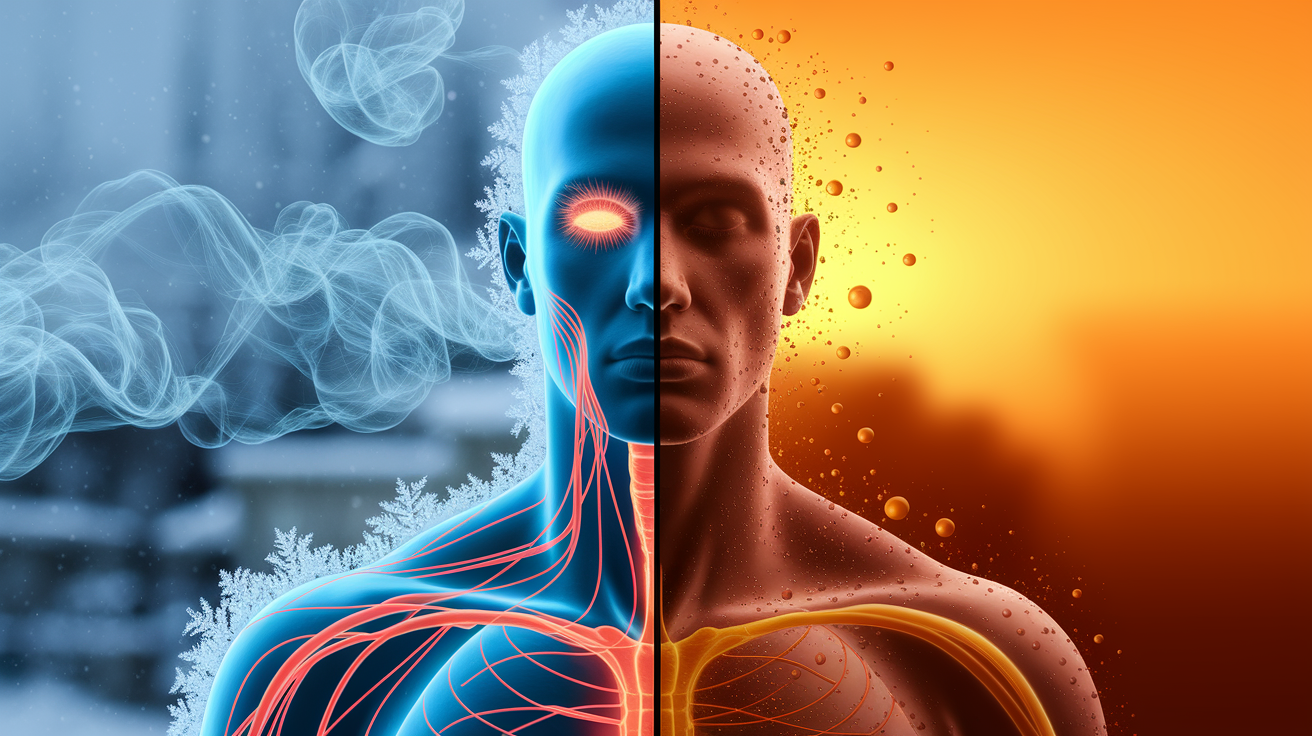
Your body works constantly, even when you’re sitting still, to keep your core temperature within a narrow, safe range. That effort itself uses energy, which is part of why temperature swings across seasons can leave you feeling drained in different ways.
Cold Exposure and Metabolic Demand
When it’s cold, your body triggers vasoconstriction (blood vessels narrowing to preserve heat) and may activate shivering or non-shivering thermogenesis to generate warmth. This raises your immediate energy demand. At the same time, cold weather often means more time indoors and less movement, which can leave you feeling sluggish even though your body is technically working harder to stay warm.
Heat, Hydration, and Fatigue
Heat flips the script. Your body responds with vasodilation (blood vessels widening) and sweating to release excess heat. This process costs fluid and electrolytes, and losing too much of either can bring on fatigue, headaches, and a noticeable dip in physical or mental performance. Not all summer tiredness stems from heat alone, but it’s a common contributor worth ruling out.
Humidity, how well you’ve adjusted to the season (acclimatisation), clothing choices, and indoor heating or cooling all shape how strongly you feel these effects. Someone used to hot climates may handle summer heat with less fatigue than someone newly exposed to it.
| Temperature Condition | Primary Body Response | Possible Energy Effect |
|---|---|---|
| Cold exposure | Vasoconstriction, shivering, thermogenesis | Increased energy demand, reduced activity |
| Moderate temperatures | Minimal thermoregulatory effort | Energy available for other functions |