


Think you’re just lazy after lunch? Think again.
Postprandial somnolence is the official name for that heavy, foggy feeling that shows up 30 to 90 minutes after a meal.
It’s usually normal. It’s a mix of your body clock nudging you into an early-afternoon dip and meal-driven shifts in blood sugar, digestion, and hormones.
This piece will walk through the timing and signs, explain the main causes, point out lunch patterns that make it worse, and give small, testable changes you can try this week to see what helps.
Typical Timing, Duration, and Signs

Postprandial somnolence, that’s the medical term for the wave of sleepiness and reduced alertness that shows up after lunch. It’s your body’s normal response to a meal, layered on top of your body clock’s own rhythm. For most people, it’s not a sign that anything’s wrong. Just a signal worth noticing.
This dip usually kicks in 30 to 90 minutes after you finish eating, and it can hang around for 1 to 3 hours. It often overlaps with the natural early-afternoon dip in alertness that happens for most people between about 1 p.m. and 3 p.m., whether or not lunch is involved. That overlap is part of why the timing feels so predictable. Almost like clockwork.
Here’s the tricky part: ordinary post-lunch drowsiness and something more concerning can look similar at first. A little brain fog or heavy eyelids is common and usually nothing to worry about. But if you notice dizziness, sweating, or a racing heart 2 to 4 hours after eating, that pattern points more toward reactive hypoglycemia (a sharper, more uncomfortable blood sugar drop) rather than a garden-variety slump.
Six common signs of a post-lunch energy dip:
- Yawning or heavy eyelids
- Fatigue
- Brain fog
- Difficulty concentrating
- Slower reactions
- Irritability or mood changes
How the Post-Lunch Energy Dip Happens in the Body
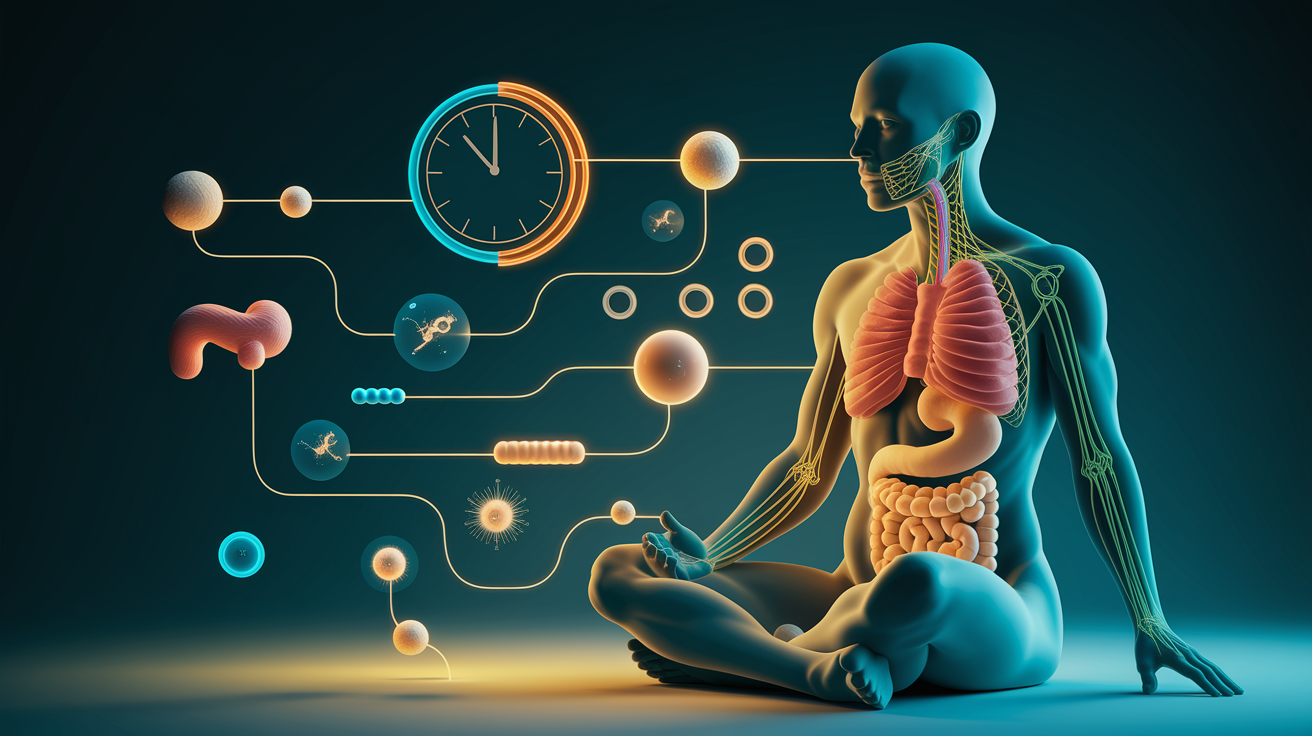
There’s no single switch that flips to cause the afternoon slump. It’s really a handful of overlapping processes, your body clock, your blood sugar, your digestion, your hormones, all nudging you toward sleepiness around the same time. Understanding the mix helps explain why the dip feels different from person to person, and even meal to meal (Why We Get Sleepy After Eating).
The Early-Afternoon Circadian Trough
Even without eating anything, most people experience a natural decline in alertness between roughly 1 p.m. and 3 p.m. This trough is tied to your internal body clock, small shifts in body temperature, and the same sleep-wake signals that govern nighttime sleep. Lunch doesn’t create this dip. It just tends to arrive right when your body’s already leaning toward lower alertness, which makes the two effects blend together.
Glucose and Insulin Changes After Lunch
After eating, especially a carbohydrate-heavy meal, blood glucose and insulin typically peak within about 30 to 60 minutes. What happens next depends on the meal. A fast rise followed by a fast insulin-driven drop can leave you tired and unfocused, sometimes described as a sugar crash. That said, not every dip in energy is true hypoglycemia. Mild fluctuations are a normal part of digestion for most people, and the size of the swing depends on more than just the carbs on your plate.
Digestion, Gut Hormones, and Rest-and-Digest Activity
Eating switches on your parasympathetic nervous system, the “rest-and-digest” mode, along with the vagus nerve. Gut hormones like CCK and GLP-1 get released to support satiety, and both can nudge you toward feeling calmer and sleepier. Large or high-fat meals slow down stomach emptying, which can stretch out that heavy, sluggish feeling. Worth clarifying though, your brain doesn’t get starved of blood during digestion. Circulation is well regulated, so the old idea that “blood rushes to your stomach and away from your brain” oversimplifies what’s actually a hormonal and nervous system response.
Neurotransmitters and Hormonal Responses
Insulin, tryptophan availability, and serotonin-related pathways all play some role in post-meal drowsiness, alongside cortisol, melatonin, and orexin (a brain chemical tied to wakefulness). It’s not accurate to say one food triggers instant sleepiness purely through serotonin. The reality is messier and involves several hormonal signals working together, which is part of why the slump can feel different depending on what, when, and how much you eat.
Lunch Patterns Linked to a Stronger Afternoon Slump

Certain lunch habits tend to show up again and again in people who describe a rough afternoon crash. Rather than repeating the biology, let’s look at what those meals actually look like on a plate, and what tends to feel lighter instead.
Refined Starch and Added-Sugar Combinations
A white-bread sandwich paired with a cookie, a pastry eaten as a full meal, or a big bowl of white pasta, these are classic examples. Ultra-processed lunch combos often stack refined starches, added sugar, and heavy fat all at once. Compare that to a meal built around whole-food carbohydrates, vegetables, and a solid protein source, which tends to sit differently and doesn’t ask as much of your blood sugar system.
Oversized or Rich Lunches
Portion size matters just as much as what’s on the plate. A moderate lunch versus one that pushes past 700 to 900 calories can feel like two different experiences by 2 p.m. Think an oversized burger with a large fries, a creamy pasta dish with bread on the side, or several rich courses back to back. It’s not just the ingredients, it’s the sheer volume your system has to process at once.
Sugary Drinks and Alcohol at Lunch
A soda or sweetened iced tea can easily add 30 to 50 grams of sugar or more on top of your meal, raising the whole lunch’s glycemic load without you necessarily noticing. Alcohol adds its own layer, contributing to sedation and dehydration, both of which can make the afternoon dip feel more pronounced.
| Lunch Pattern | Typical Example | Why It May Feel Heavier | More Balanced Pattern |
|---|---|---|---|
| Refined-carbohydrate lunch | White
Final WordsIn the action: we defined the slump, its timing, and common signs. Then we explained the body mechanisms, from the early-afternoon dip to glucose and digestion, and how certain meals and habits make it worse. We cleared up common myths, listed warning signs that need medical review, and gave a simple plan to track and test one or two changes. If you’re still asking what is post lunch energy dip, try the checklist—moderate portion, lean protein, water, a short walk, light—and reassess after a week. Small experiments often lead to steady improvements. FAQQ: Why does my energy dip after lunch or in the afternoon?A: The energy dip after lunch or in the afternoon is usually a normal early-afternoon drop in alertness. Eating, especially large or refined-carb meals, can make it stronger, plus digestion, hormones, poor sleep, or dehydration. Q: What will help you get rid of post-lunch fatigue?A: To get rid of post-lunch fatigue, try a moderate protein-and-fiber lunch, drink 250–500 mL water, walk 5–15 minutes after eating, seek bright light, and use a brief 10–20 minute nap or timed caffeine. Q: What deficiency causes tiredness after eating?A: A deficiency that causes tiredness after eating is often iron deficiency. Low vitamin B12 or vitamin D can also cause general fatigue. If symptoms persist, get basic blood tests and clinical advice.  Subscribe for exclusive contentOn Sleep Health Wellness and More, Copyright - All Rights Reserved - 2026 |