


Ever wonder why some days you’re wired and other days you’re calm, even with the same routine?
It’s not willpower, it’s parasympathetic vs sympathetic energy states, your body’s brake-and-gas system.
Sympathetic is the gas: faster heart, shallow breaths, muscles tensed.
Parasympathetic is the brake: slow heart, deep breaths, digestion back on.
This post compares those states, points out the simple signals to track, and gives tiny tests you can try today to nudge your balance toward more recovery and less edge.
Parasympathetic vs Sympathetic Energy States Compared
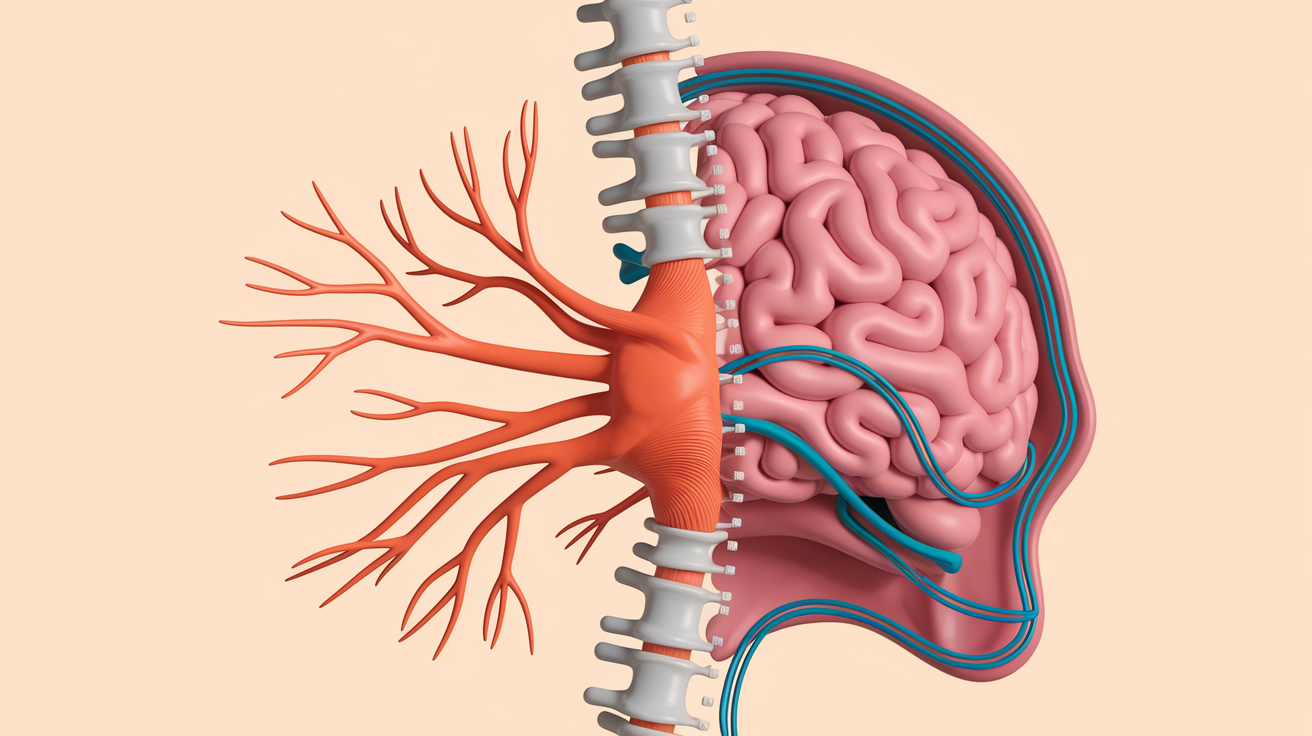
Your body runs on an autopilot system called the autonomic nervous system, or ANS. It quietly controls things you never have to think about, like heart rate, blood pressure, body temperature, and digestion. This system has two main branches that work like a see-saw, and understanding how they balance each other is the first step to figuring out why you sometimes feel wired and other times feel calm. Think of it like a car. The sympathetic branch is the gas pedal. The parasympathetic branch is the brake. You need both to drive well, and your body is constantly shifting between them to keep you steady.
When something threatening or high-pressure shows up, sympathetic nervous system activation kicks in fast, often within seconds. Your heart rate and its pumping force increase. Breathing speeds up and airways open wider. Pupils dilate to let in more light. Muscles tense up, ready to move. Meanwhile, digestion gets suppressed and saliva production drops, because your body has decided that running or fighting matters more than digesting lunch right now. Your liver even converts stored glycogen into usable glucose, and your adrenal glands release adrenaline and norepinephrine into your bloodstream to fuel all of this.
Once the pressure passes, parasympathetic nervous system activation takes over to bring things back down. Heart rate slows, breathing deepens and slows, and pupils constrict again. Muscles relax. Digestive secretions and gut motility pick back up, and saliva returns. This is the rest-and-digest state, the one responsible for recovery, repair, and the kind of calm that lets you actually taste your food. Neither state is better than the other. Your body needs to shift between them appropriately, and the rest of this article walks through exactly how that shift happens and how you can support it.
| Function | Sympathetic (Fight-or-Flight) | Parasympathetic (Rest-and-Digest) |
|---|---|---|
| Heart Rate | Increases, beats harder | Slows down, beats gentler |
| Breathing | Faster, airways widen | Slower, deeper |
| Pupils | Dilate | Constrict |
| Digestion | Suppressed | Stimulated |
| Muscles | Tense, ready for action | Relaxed |
| Energy Use | Mobilized (glucose and fat released) | Conserved and restored |
How the Autonomic Nervous System Pathways Work
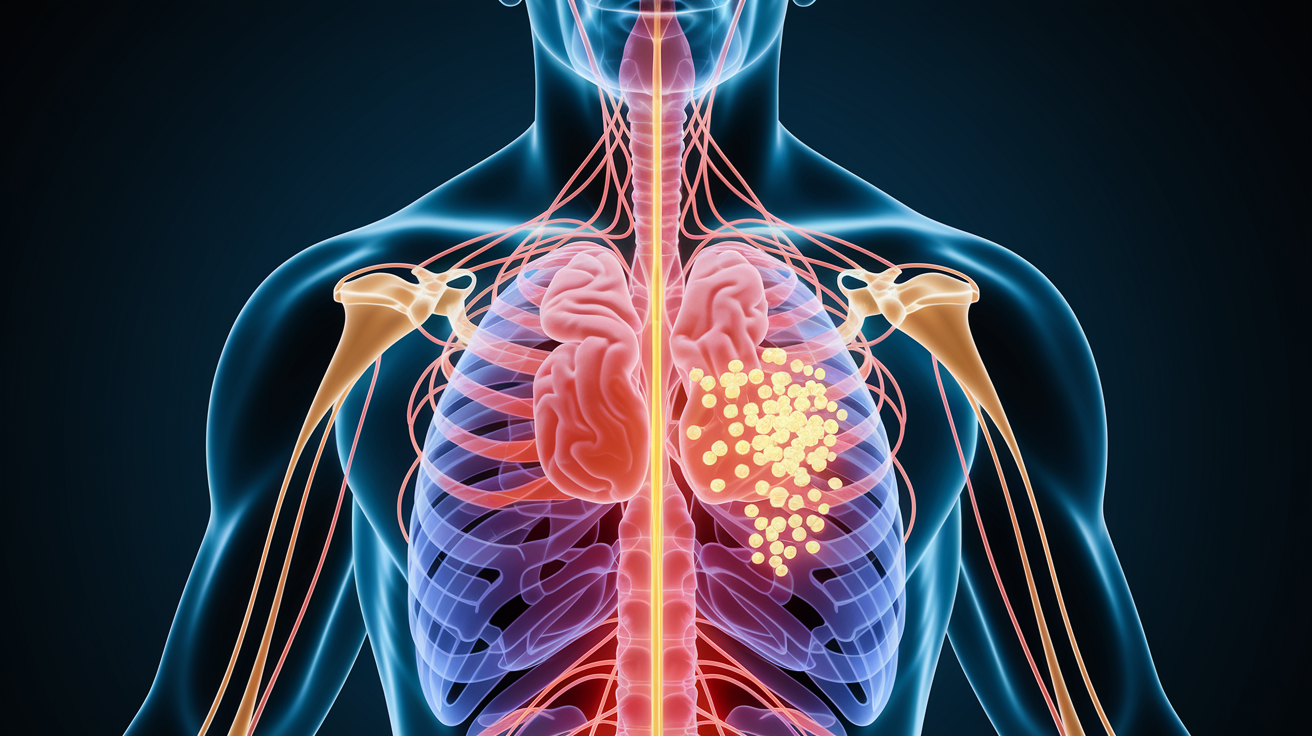
The sympathetic side of your autonomic nervous system relies on a fast, wide reaching wiring setup. Short preganglionic neurons connect directly to a chain of ganglia running along your spine, part of what’s called the thoracolumbar division. This setup is built for speed and breadth, so one signal can ripple out to affect your heart, lungs, and muscles almost simultaneously. It’s also tied to your body’s alarm system. When your brain detects a threat, whether it’s a car swerving toward you or a stressful email, your amygdala signals your hypothalamus, which fires up sympathetic nervous system activation and triggers your adrenal glands to flood your bloodstream with adrenaline and norepinephrine.
The parasympathetic side works differently. Its signals come mostly from your brainstem, traveling through cranial nerves, especially the vagus nerve, and also from your sacral spinal cord near your lower back. That’s why this setup gets called the craniosacral division. Rather than firing broadly, parasympathetic nervous system activation tends to be slower and more targeted, adjusting specific organs rather than flipping a full body switch. The vagus nerve plays a particularly interesting role here, since it doesn’t just send calming signals downward. It also carries information upward from your organs to your brain, creating a two way conversation that helps your brain track what’s happening in your gut, heart, and lungs in real time.
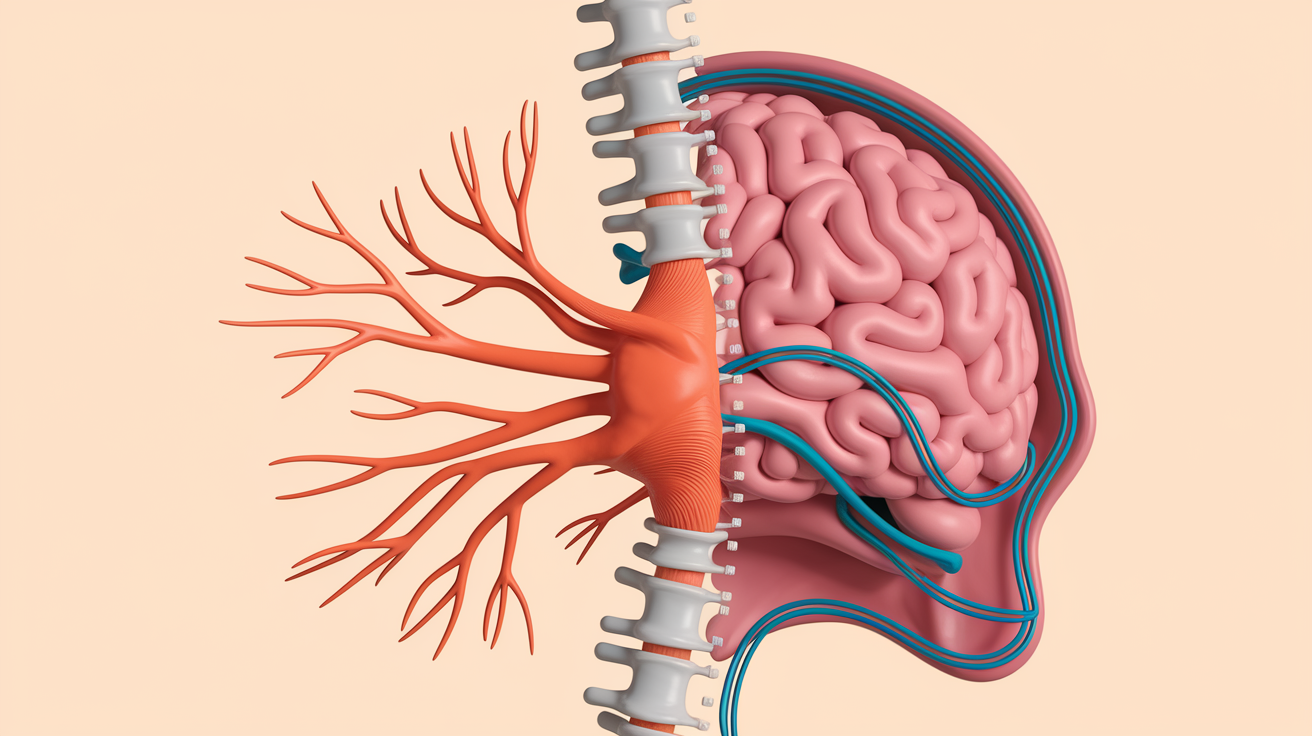
The vagus nerve’s role in relaxation sits at the center of something called polyvagal theory, a framework that helps explain why vagal tone (basically, how responsive your vagus nerve is) affects not just physical calm but also your capacity for social connection and emotional regulation. A useful visual here would be a side by side diagram: one side showing the sympathetic chain ganglia running along the spine, the other showing the vagus nerve’s winding path from brainstem to gut, illustrating just how differently these two systems are built.
Sympathetic Energy States: Triggers, Symptoms, and Impacts
Sympathetic nervous system activation doesn’t wait for genuine danger to show up. Sure, it fires during an actual threat, like swerving to avoid an accident, but it also fires during a rough commute stuck in traffic, a tense family argument, an intense workout, or right before you stand up to give a presentation. Even getting sick can trigger it, since your body treats infection as a kind of internal emergency. Basically, anything your brain reads as high pressure or demanding can flip this switch, even when there’s no actual danger involved.
Here’s the tricky part. In short bursts, this response is incredibly useful. It sharpens your focus, gives you a burst of energy, and helps you react quickly. The trouble starts when it doesn’t turn off. Chronic stress impact on the ANS shows up as ongoing high blood pressure, disrupted sleep, and a nervous system stuck in overdrive. Anxiety symptoms and sympathetic overdrive often go hand in hand, since a body that can’t downshift out of alert mode starts treating everyday situations like threats.
Final Words
In the action we laid out how the autonomic nervous system balances a fast gas-pedal sympathetic response and a slower brake-like parasympathetic response.
We walked through common triggers, the sympathetic chain and vagus pathways, and the signals you notice — pounding heart, shallow breathing, relaxed digestion — plus why short bursts help but chronic imbalance can harm.
Try small experiments: track heart rate or HRV, pick one calming habit for a week, and note what changes. Paying attention helps you shift between parasympathetic vs sympathetic energy states more reliably. Small steps add up, and you’ll likely feel the difference.
FAQ
Q: How to know if something is sympathetic or parasympathetic?
A: To know if something is sympathetic or parasympathetic, look for signs: sympathetic brings faster heart rate, shallow breathing, dilated pupils, tense muscles; parasympathetic brings slower heart rate, deeper breathing, digestion, pupil constriction.
Q: How do I know if my parasympathetic nervous system is activated?
A: Your parasympathetic nervous system is activated when you feel a calmer state: slower heart rate, deeper steady breathing, relaxed muscles, warmer skin, more saliva, improved digestion, and a sleepy or settled sense.
Q: Is stress sympathetic or parasympathetic?
A: Stress is primarily sympathetic, causing fight-or-flight reactions like racing heart, fast breathing, and adrenaline release; long-term stress can disrupt both branches and reduce the ability to rest and recover.
Q: What are the four parasympathetic nerves?
A: The four main parasympathetic cranial nerves are oculomotor (III), facial (VII), glossopharyngeal (IX), and vagus (X), which send rest-and-digest signals to eyes, glands, throat, and many organs.