



What if your body’s alarm never shuts off?
Chronic stress isn’t one bad day or a long meeting. It’s when your stress response keeps running in the background for weeks or years, quietly wearing you down.
This post lays out how brief alarms become repeated activations, then early and established chronic stress, and how the brain and body slowly get more sensitive.
Most importantly, you’ll get simple, trackable steps to test so you can reduce strain and restore real recovery.
From Acute Alarm to Long-Term Stress: The Short Answer
Chronic stress is what happens when your body’s alarm system stays switched on for weeks, months, or even years instead of turning off once the danger passes. It’s not one bad day or one hard meeting. It’s your stress response running in the background long after it should’ve quieted down.
Acute stress works differently. It’s the short burst you feel before a presentation or during a tense phone call, something that lasts seconds, minutes, hours, or maybe a few days, then fades once the event ends. There’s no official cutoff, no single day where stress flips from “acute” to “chronic.” Instead, it depends on how often the stress repeats, how intense it feels, whether you sense any control over it, how you personally interpret the situation, and, maybe most importantly, whether you get real chances to recover in between. Chronic Stress and Mental Health digs further into this distinction if you want to see how it connects to mood and mental health over time.
| Stage | Typical Timeframe | What Is Happening |
|---|---|---|
| Acute activation | Seconds to days | A single stressor triggers the alarm response, then resolves once the event passes |
| Repeated activation | Days to weeks | Stress responses fire again and again, with only partial recovery between episodes |
| Early chronic stress | Several weeks to months | Functional difficulties start showing up, like poor sleep, fatigue, or trouble focusing |
| Established chronic stress | Months to years | Broader structural and systemic effects build, tied to sustained, unrelieved exposure |
So here’s the short version: a stressor shows up, your body sounds the alarm, and if that alarm keeps sounding without enough downtime to reset, the strain adds up. This buildup even has a name, allostatic load, which we’ll unpack more in the next section.
Why Repeated Stress Becomes Chronic in the Brain and Body
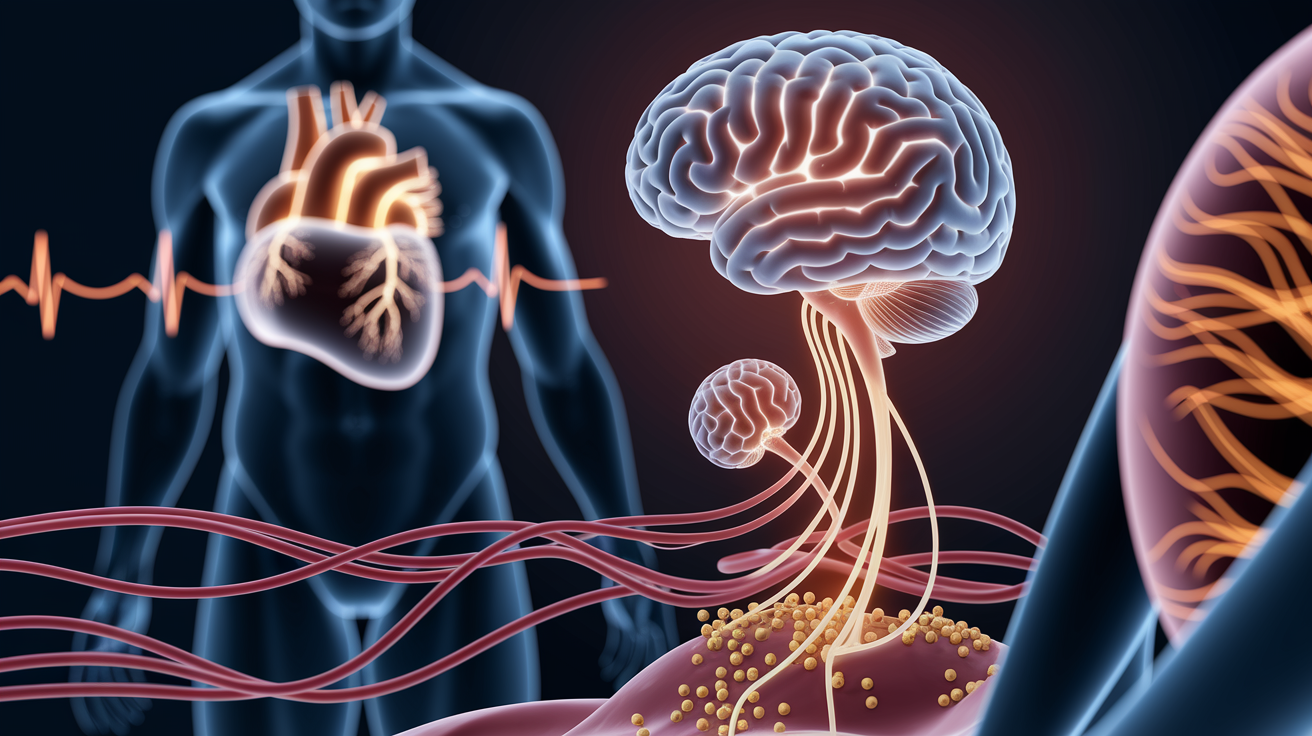
Your body wasn’t built to stay on high alert forever. It was built to spike, respond, and come back down. Chronic stress develops when that coming down part keeps getting interrupted, and the biology behind it involves a few connected systems working overtime.
The Immediate Sympathetic Alarm
When something threatening happens, your sympathetic adrenal medullary system kicks in almost instantly, releasing adrenaline and setting off the classic fight or flight changes. Faster heart rate, quicker breathing, rising blood pressure, sharpened alertness, tightened muscles. This response is genuinely useful when you need to react fast, like swerving to avoid a car accident. The trouble starts when this same full body alarm gets triggered over and over, day after day, for things that aren’t physical emergencies at all. An overflowing inbox. A tense family dinner.
The HPA Axis and Cortisol Feedback
Running alongside the sympathetic response is a slower system, the hypothalamic pituitary adrenal axis. It follows a chain reaction. The hypothalamus signals the pituitary gland, which signals the adrenal glands, which then release cortisol. In the short term, cortisol is helpful. It raises blood sugar for quick energy and sharpens focus. But when this axis gets triggered again and again, the feedback loop that’s supposed to switch cortisol off can start malfunctioning. You end up with cortisol that’s too high, too flat, or released at the wrong times, and that can throw off sleep, metabolism, digestion, inflammation, and immune regulation. The HPA Axis and Chronic Stress covers this feedback breakdown in more depth.
Incomplete Recovery and Allostatic Load
After a threat passes, your parasympathetic system is supposed to step in and help your body settle back down. But ongoing demands, repeated alarms, constant worry, rumination, poor sleep, and avoidant coping can all block that reset from happening. When this keeps occurring, the wear and tear from repeated adaptation builds up. That’s allostatic load, cumulative strain on your systems from adapting to stress again and again. Not a diagnosis or a single symptom, just a slow accumulation.
Stress Sensitisation and Brain Adaptation
Here’s the tricky part. Repeated stress can actually make your alarm system more sensitive over time, easier to trigger and harder to calm. Research links prolonged stress with amygdala hyperactivity (the brain’s fear center working in overdrive), hippocampal changes that can affect memory and learning, and impaired prefrontal cortex function, which plays a role in concentration, judgment, emotional regulation, and impulse control. These are associations, not guarantees. They vary a lot depending on someone’s exposure level and life circumstances.
Several situations tend to keep this biological cycle running:
- Workplace strain or low control.
- Financial hardship.
- Caregiving burden.
- Relationship conflict.
- Chronic illness or pain.
- Trauma or unsafe living conditions.
Preventing Repeated Stress From Becoming Chronic

Preventing chronic stress isn’t about eliminating every stressor. That’s not realistic for most people. It’s about building in reliable recovery moments while also addressing what keeps reactivating the stress response in the first place. No breathing exercise or bedtime routine can undo unsafe housing, financial strain, caregiving demands, or an overwhelming workload. Those need their own solutions. But alongside structural changes, there’s a lot you can do.
Final Words
When stress keeps firing and you don’t get time to come back down, it shifts from a useful alarm into a persistent load.
This piece walked you through a plain definition, the stages and timeline, the brain-body pathways, practical prevention (sleep, breathing, movement, daily habits), simple tracking, and when to seek professional care.
Notice how chronic stress develops: repeated or sustained alarms, incomplete recovery, and accumulating strain. Try one small test, track the result, and adjust. Small steps add up.
FAQ
Q: What is the root cause of chronic stress?
A: The root cause of chronic stress is ongoing or repeated demands that don’t allow enough physical and mental recovery, often driven by high-frequency or intense stressors, low control, poor support, inadequate rest, or maladaptive coping.
Q: What are signs your body is shutting down from stress?
A: Signs your body is shutting down from stress include overwhelming fatigue, slowed thinking, low motivation, social withdrawal, persistent sleep trouble, digestive issues, frequent infections, and increased aches, dizziness, or lightheadedness.
Q: What are 5 symptoms of chronic stress?
A: Five symptoms of chronic stress are persistent fatigue, poor or restless sleep, increased irritability or mood swings, chronic muscle tension or headaches, and ongoing digestive complaints.
Q: Can chronic stress be reversed?
A: Chronic stress can often be reduced or partly reversed by building reliable recovery (better sleep, pacing, relaxation), changing stressors or coping habits, leaning on social support, and getting therapy or medical care when needed.