



Think your afternoon crash is just not enough sleep?
Sometimes it’s glycogen depletion.
That’s when your muscles and liver are low on stored carbs.
When those reserves dip, your cells can’t make ATP (cell energy) fast enough, and energy, focus, and strength fall apart: heavy legs, brain fog, shaky motivation, and workouts that suddenly feel impossible.
This post lays out the key symptoms, how to tell depletion from low blood sugar, and simple, testable tweaks you can try to get steady energy back.
What Happens When Glycogen Runs Low
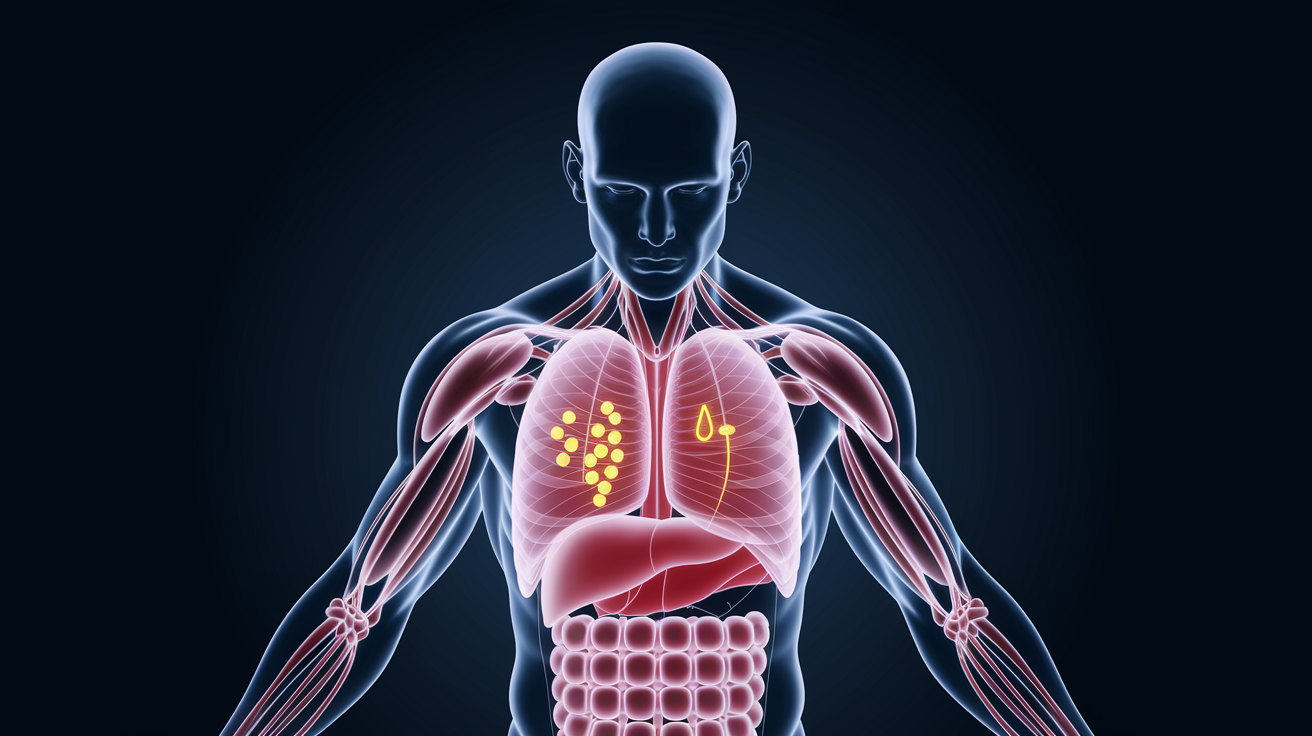
Glycogen depletion happens when your body’s stored carbohydrate reserves drop low enough to limit how much fuel is available for movement and basic function. Glycogen itself is stored carbohydrate, tucked away mainly in your muscle and liver. Muscle glycogen fuels the muscles directly, powering the reps, sprints, and steady miles you put in. Liver glycogen works differently. It helps keep your blood sugar steady between meals and overnight. Together, these stores usually add up to somewhere around 380 to 600 grams, with roughly 300 to 500 grams sitting in muscle and another 80 to 100 grams in the liver.
When these reserves run low, the effects show up fast. Fatigue, weakness, dizziness, brain fog, irritability, and a noticeable drop in exercise performance are the main signs your energy levels are running on empty. That’s because low glycogen restricts how quickly your body can produce ATP, the energy currency your cells rely on, especially when you’re pushing through something demanding like a hard workout or a long day without enough carbs.
Recognizing the Signs of Low Glycogen

Signs of low glycogen tend to show up in predictable situations. You’ll often notice them during prolonged or intense exercise, after a string of tough workouts back to back, during fasting, or after stretches of eating fewer carbs than your body actually needs. The pattern matters more than any single moment of feeling off.
Here’s what to watch for:
- Progressive fatigue and weakness that builds as you go, rather than easing up
- Decreased endurance, where your usual pace or distance suddenly feels out of reach
- Reduced strength or power, like weights that felt manageable last week now feel heavy
- Heavy or cramping legs, sometimes described as a dead or sluggish feeling
- Dizziness or lightheadedness, especially when standing up or pushing intensity
- Brain fog and slowed thinking, making it hard to focus mid workout or mid task
- Irritability or a sudden drop in motivation to keep going
- Reduced coordination or slower reaction time, which can show up as clumsiness or mistimed movements
One symptom on its own doesn’t tell you much. But when several of these show up together, it’s a stronger clue that your glycogen stores need attention.
A useful way to catch this pattern is tracking performance across sessions. If your first set of pull ups dropped from 15 reps to 10 over a few workouts, with nothing else obviously different, that decline can point to glycogen that hasn’t fully restocked between sessions. It’s a small detail, but it’s the kind of pattern worth testing against your food intake and rest days.
Hypoglycemia vs Glycogen Depletion: What’s the Difference
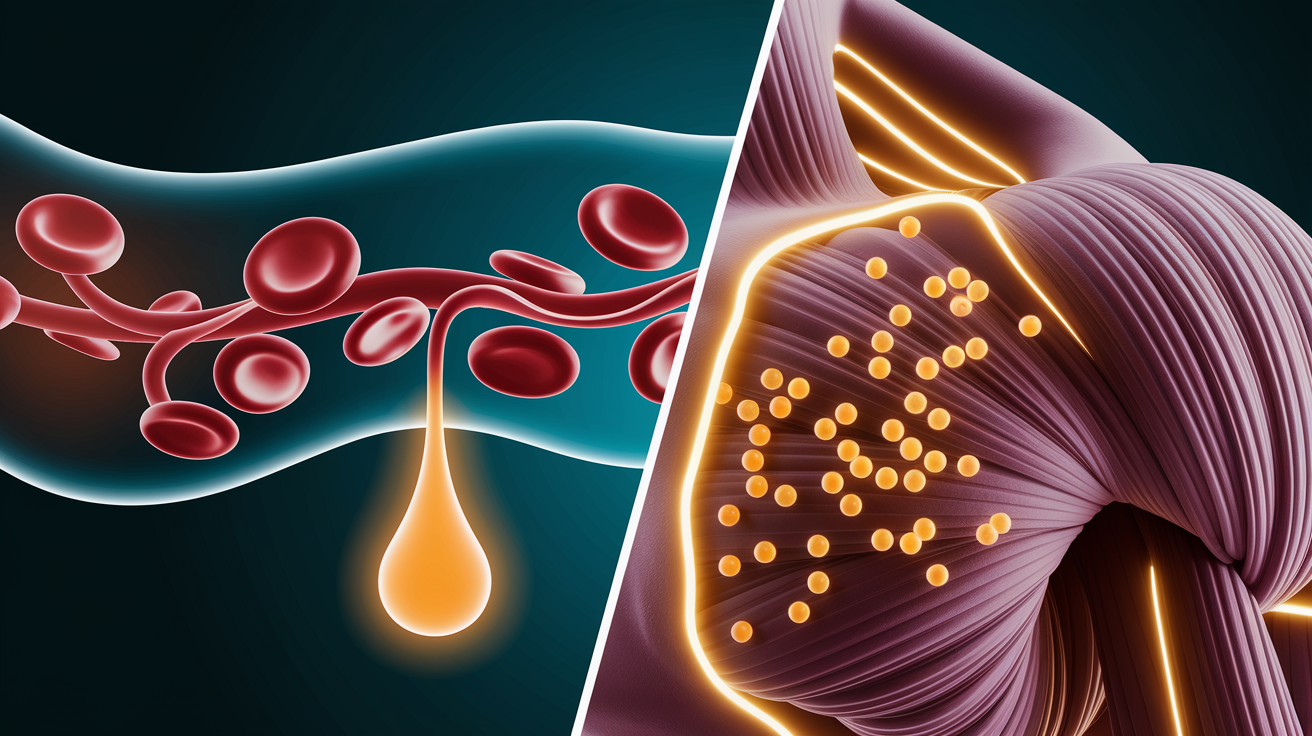
Low blood sugar and depleted glycogen stores can feel remarkably similar, and that overlap makes sense once you know how they’re connected. Liver glycogen exists specifically to help maintain blood glucose, so when it runs low, symptoms like dizziness, shakiness, nausea, sweating, and general weakness can appear. These are classic signs of low blood sugar, and they can hit fast, sometimes within an hour of skipping a meal or pushing through a long training session without fuel.
Muscle glycogen depletion is a different story, even though it can feel similar in the moment. This type of depletion shows up more specifically as reduced power, strength, and endurance during exercise, without necessarily triggering a full blood sugar crash. You might notice prolonged fatigue after a workout that just won’t lift, a slower recovery than usual, or a performance dip that lingers into the next day, even while your blood glucose reads normal. This is muscle specific fuel running low, not a systemic blood sugar issue.
If you experience confusion, slurred speech, fainting, or symptoms that don’t improve after eating carbohydrates, that’s a signal to stop guessing and get checked out. These are not patterns to self manage. A quick conversation with a healthcare professional can rule out something more serious and give you clearer direction than tracking alone ever could.
Why Low Glycogen Limits High Intensity Performance

When you’re working above roughly 70 to 75 percent of your maximum heart rate or VO2 max, your body leans hard on anaerobic glycolysis. This process breaks down muscle glycogen to produce ATP quickly, giving you the rapid burst of energy that sprinting, heavy lifting, or a hard interval demands. It’s fast, but it’s also glycogen hungry, which is exactly why intensity and depletion are so closely linked.
Here’s the tricky part. Low muscle glycogen doesn’t just mean less fuel in the tank, it can also interfere with calcium release from the sarcoplasmic reticulum, a structure inside your muscle cells that helps trigger contraction. Less calcium release means weaker signaling for your muscles to fire, which translates directly into reduced force production, even if you’re mentally pushing just as hard as before.
As glycogen continues to drop, your body starts shifting its fuel strategy. It leans more on fat oxidation, ketone use, and gluconeogenesis (your body making new glucose from non carb sources) to keep things running. These pathways work, but they’re slower to deliver usable energy compared to glycogen breakdown.
That mismatch between how fast your muscles need fuel and how fast your body can supply it explains the intensity specific drop off. Lower intensity movement, like an easy walk or light spin on the bike, often stays sustainable even with reduced glycogen. But sprinting, repeated high effort intervals, explosive movements, and heavy lifting take the biggest hit, since these efforts depend most on the rapid ATP supply that only healthy glycogen stores can reliably provide.
Final Words
You feel tired, weak, or foggy mid-session, and that’s glycogen running low. Muscle glycogen fuels movement and liver glycogen helps keep blood sugar steady.
Low glycogen shows as falling power and poor recovery, which differs from true low blood sugar. Sprints, intervals, and heavy lifts suffer first when stores drop.
Track these signs and try small fixes, like adding carbs around hard sessions. Glycogen depletion symptoms and energy are clues you can use, and with simple tracking you’ll usually get clearer workouts and steadier days.
FAQ
Q: What does it feel like when glycogen is depleted?
A: When glycogen is depleted you often notice progressive fatigue, muscle weakness, heavy or cramping legs, dizziness, and a foggy head, and your exercise power and endurance drop noticeably.
Q: How to fix depleted glycogen?
A: To fix depleted glycogen eat easily digested carbohydrates soon after activity (within an hour if possible), include some protein, rehydrate, and back off hard training until you feel performance returning.
Q: How long does it take to restore depleted glycogen?
A: It typically takes about 24–48 hours to restore glycogen with adequate carbohydrate intake and rest; full recovery can take up to 72 hours if intake is low or training continues.
Q: What depletes glycogen most quickly?
A: High‑intensity efforts—sprinting, repeated intervals, heavy lifting, or work above roughly 70–75% of max heart rate—use muscle glycogen fastest, with prolonged endurance or fasting also lowering stores over time.