



What if your “tired” is really thirst?
Even small drops in fluid can wipe out your pep.
When you lose water, blood volume falls and your heart has to work harder to move oxygen and fuel to your muscles and brain.
Electrolytes slip out of balance and your cells make less usable energy.
The result is that heavy, foggy feeling you blame on a long day.
This post walks through that chain reaction, shows the signs to watch for, and gives simple things to test right away.
Spotting the pattern helps you fix low energy faster.
Why You Feel Tired When Your Body Needs More Fluids

Dehydration causes fatigue in a handful of connected ways. It lowers your blood volume, makes it harder for oxygen and nutrients to reach your tissues, throws off your electrolyte balance, adds strain to your body’s temperature control, and makes it tougher for your cells to produce the energy they need. Add it all up and you get that heavy, low-energy feeling a lot of people just chalk up to a busy day.
Here’s the chain reaction. You lose fluid through sweat, urine, and even normal breathing (your body’s doing this nonstop, since water makes up roughly 50 to 60 percent of your body weight). That fluid loss drops your blood volume. Lower blood volume means your heart has to work harder just to keep things moving. That extra workload slows down oxygen and nutrient delivery to your muscles and brain. And once those deliveries slow down, your cells can’t produce energy efficiently. The result? A walk that used to feel easy now feels like a chore. Stairs leave you more winded than usual.
A few mechanisms are working together here:
- Reduced blood volume and cardiac output
- Less efficient oxygen and nutrient delivery
- Electrolyte disruption and muscle fatigue
- Greater thermoregulatory strain and impaired ATP production
How much fluid you’ve lost matters a lot. Even small deficits can be felt. Larger ones have a real, measurable impact on how your body performs.
| Hydration Loss | Energy and Performance Impact |
|---|---|
| 1%-2% of body weight | May produce measurable changes in energy and performance |
| 3%-5% of body weight | Produces clearer physical and cognitive effects |
| Approximately 5% of body weight | May reduce work capacity by about 30% |
Even mild dehydration can dent both your stamina and your mental sharpness. We’ll get into exactly how it clouds your thinking below.
What Are the Symptoms of Dehydration-Related Fatigue?

Dehydration-related fatigue rarely shows up alone. It usually travels with a few other clues, like changes in how thirsty you feel, how often you’re using the bathroom, or how your muscles respond to normal activity. Spotting the pattern is the first step toward figuring out if fluid loss is actually behind your low energy.
Grouping the signs into categories makes it easier to scan for a pattern instead of guessing at a single symptom:
- Fatigue indicators: persistent tiredness, weakness, and unusually high effort during ordinary activity
- Thirst and urine indicators: increased thirst, dry mouth, dark yellow urine, and reduced urine output
- Neurological indicators: headache, dizziness, and lightheadedness
- Muscular indicators: cramps, heaviness, and reduced physical endurance
If dehydration is the real cause, symptoms usually ease up once you drink fluids and rest for a bit. That’s actually a useful test. What changed after a glass of water and twenty minutes off your feet? But if symptoms keep getting worse, don’t budge even after you’ve rehydrated, or show up alongside confusion, fainting, very low urine output, rapid decline, or an inability to keep fluids down, it’s time to talk with a healthcare professional instead of waiting it out.
How Does Dehydration Affect Brain Function and Concentration?
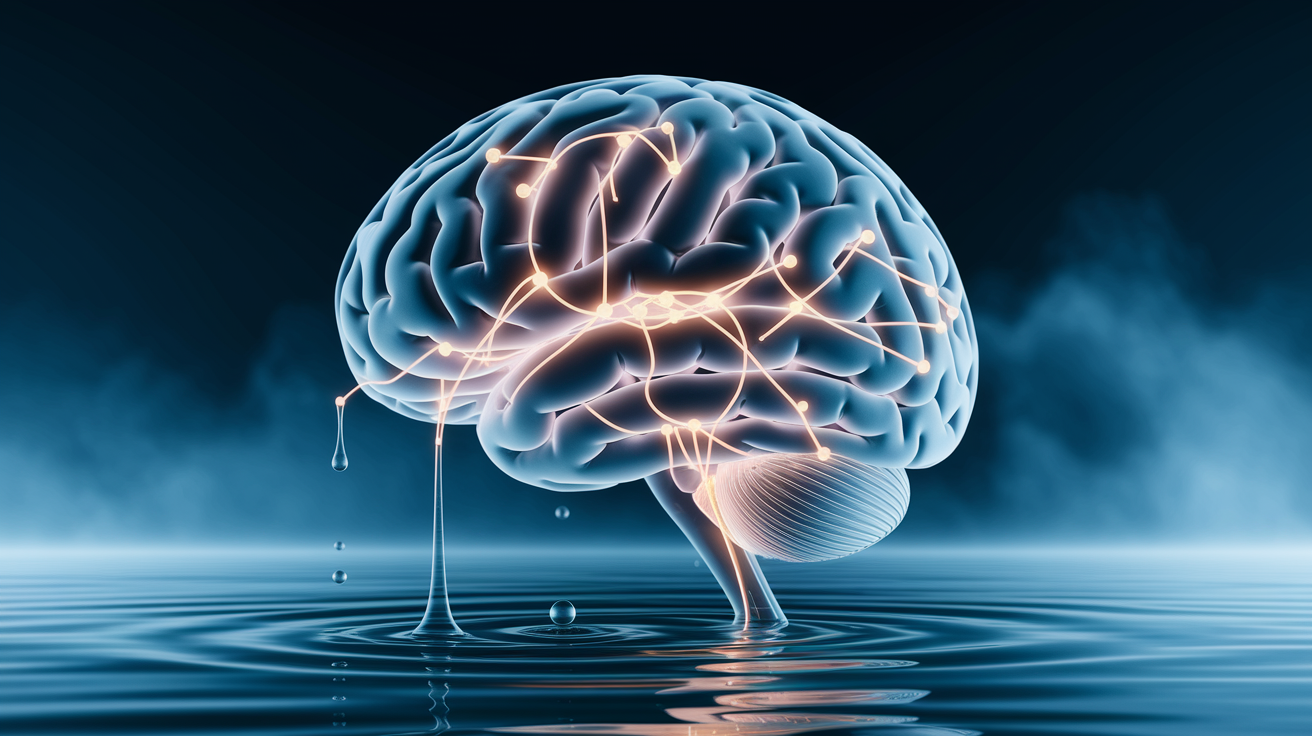
Your brain is about 80 percent water, so it’s especially sensitive to shifts in hydration. Even modest fluid loss can change the brain’s water content and disrupt the conditions your neurons need to send signals efficiently. That’s part of why a foggy head often shows up right alongside physical tiredness.
When neural signaling gets less efficient and brain tissue goes through slight, temporary shifts in water content, you might notice headache, brain fog, and slower decision-making creeping in. Staying focused on a task can suddenly take more effort than it should. Research has also pointed to changes in short-term memory, working memory, mood, and psychomotor speed, meaning your reaction times and coordination can lag too. None of this requires severe dehydration, either. It can show up well before you’d ever call yourself “very thirsty.”
And that’s the tricky part. Cognitive changes can begin before thirst becomes obvious. So if your thinking feels slower or your patience is thinner than usual, it’s worth pausing to ask when you last had something to drink. An unexplained dip in mental sharpness is sometimes an early signal worth paying attention to.
How Much Water Do You Need to Prevent Energy Crashes?

General total-water targets sit around 3.7 liters per day for men and 2.7 liters per day for women, and that includes fluid from both drinks and food, not just what you sip from a water bottle. Think of these as broad reference points, not strict rules everyone has to hit exactly.
| Group | Daily Fluid Target | Notes |
|---|---|---|
| Men | Approximately 3.7 liters | Includes fluid from beverages and food |
| Women | Approximately 2.7 liters | Includes fluid from beverages and food |
| Active adults | Above baseline targets | Intake should rise with activity level and sweat loss |
| Hot climate or high sweat individuals | Above baseline targets | Needs increase with heat exposure and sweat rate |
Final Words
We traced how small fluid losses lower blood volume, raise cardiovascular strain, and make muscles and the brain work harder, so simple activities feel like more effort.
You learned the common signs to watch for, how the brain shows early effects, practical daily targets, and which drinks help you recover faster.
Treat that shift as a clue, try a glass of water and note changes over 15-60 minutes. Tracking the dehydration effect on energy levels gives you a clear, testable step toward steadier energy and sharper thinking.
FAQ
Q: Can dehydration cause low energy levels?
A: Dehydration can cause low energy levels by lowering blood volume, reducing oxygen and nutrient delivery, disrupting electrolytes, raising perceived effort, and impairing cells’ ability to produce ATP, so activity feels harder.
Q: What are two warning signs of dehydration?
A: Two warning signs of dehydration are increased thirst and reduced urine output or dark yellow urine, often seen with dry mouth, weakness, or lightheadedness.
Q: How to get energy back after dehydration?
A: To get energy back after dehydration, drink water for mild loss, use an electrolyte drink after heavy sweating or illness, rest, eat a light snack, and cool down; alertness often improves within 15–60 minutes.
Q: What organ is first affected by dehydration?
A: The circulatory system, especially blood volume and the heart, is the first to be affected by dehydration, because fluid loss lowers plasma volume and raises cardiovascular workload, reducing oxygen delivery to tissues.