


Think a simple cup of tea can’t tame a cranky stomach?
For many people, peppermint tea does just that—easing bloating, gas, and cramps.
That comes from menthol, a natural compound that relaxes the smooth muscle in your gut, so tight, crampy feelings often ease up.
Tea is milder than concentrated peppermint oil, so it’s a low-effort, low-risk test to see if your digestion settles.
Read on to learn when to sip, what to expect, and easy ways to track whether it helps you.
Does Peppermint Tea Really Help Digestion? A Direct Answer

Yes, peppermint tea for digestive system support has real backing, and honestly, it can ease digestive discomfort for a lot of people. The reason comes down to menthol, one of the natural compounds in peppermint leaves, which has an antispasmodic effect on the muscles lining your gut. When those muscles relax instead of clenching, that tight, crampy feeling in your stomach starts to let go.
So what does this actually help with? Peppermint tea benefits digestion most commonly when it comes to bloating, gas, general indigestion, and the kind of stomach pain or spasms that show up with IBS. Worth knowing: tea is a gentler version of this remedy. Concentrated peppermint oil, often in capsule form, has stronger clinical research behind it for these same issues. Tea works more mildly and gradually. If you’re wondering why menthol calms your gut in the first place, the mechanism is worth digging into a bit more.
How Peppermint Tea Works On The Digestive System
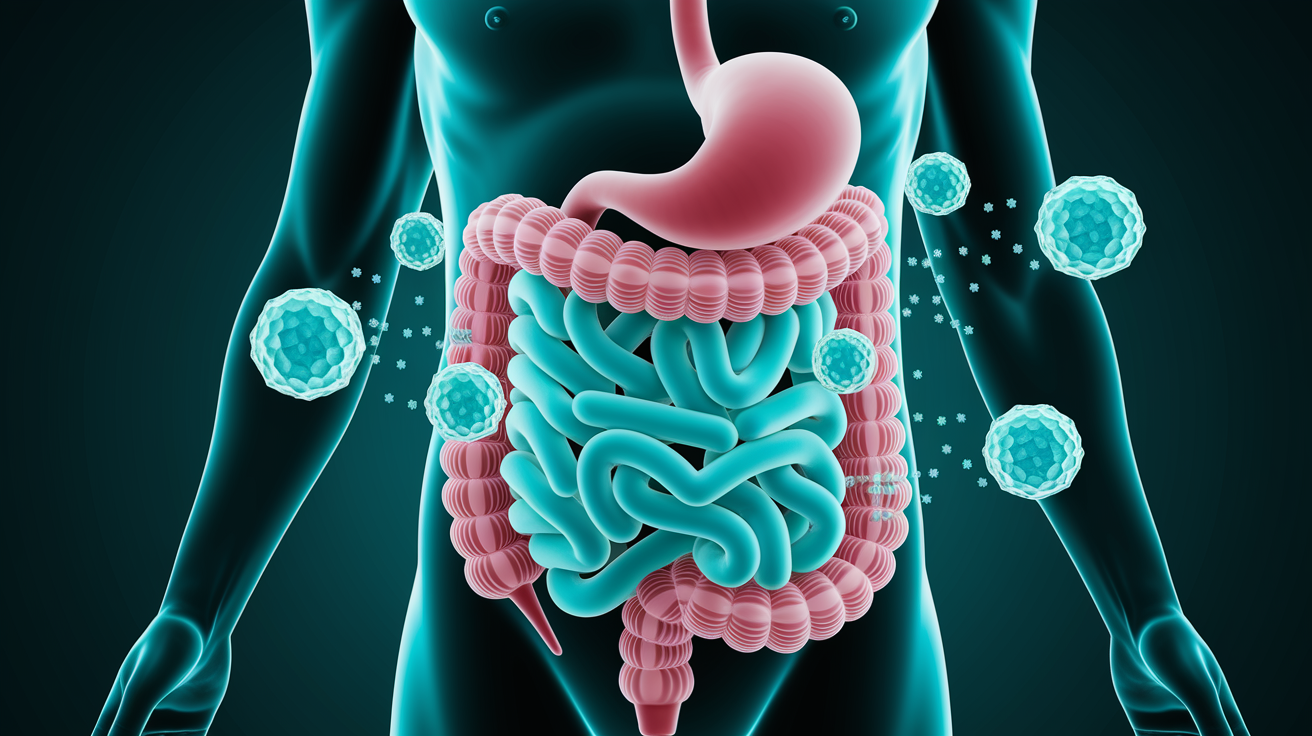
The main reason peppermint tea calms an unsettled stomach comes down to menthol. And how peppermint relaxes gut muscles is actually a pretty specific process. Menthol acts on the smooth muscle lining your digestive tract, the muscle that squeezes and moves food along. When that muscle tightens too much or spasms, you feel it as cramping, bloating, or that tense, knotted feeling. Menthol interrupts that tightening. Many people also notice a light cooling sensation after drinking it, which lines up with menthol’s known effect of increasing blood flow while triggering that cool, minty feeling on the tongue, and in a way, throughout the gut too.
Beyond the muscle relaxing piece, peppermint carries anti-inflammatory and antibacterial properties that support a calmer gut environment. Rosmarinic acid, another compound found in peppermint, has been studied for its role in reducing inflammation, particularly around allergy related responses. That research isn’t specific to digestion, but it points to peppermint’s broader anti-inflammatory profile, which likely plays a supporting role alongside menthol’s muscle relaxing action.
Here’s something easy to miss: peppermint tea antioxidant properties are part of the equation too. But just as important is what peppermint tea doesn’t contain, and that’s caffeine. Caffeine is a known gut stimulant. It can speed up digestion in a way that isn’t always comfortable, especially if your stomach is already irritated. Swap a caffeinated drink for peppermint tea and you remove that extra stimulation, letting the antispasmodic effect work without competing signals telling your gut to speed up.
As for peppermint tea and digestive enzymes, or its effect on the gut microbiome, the honest answer is we don’t have much solid data yet. Early research hints at some antimicrobial activity that could influence gut bacteria, but it’s not well mapped out for tea specifically. What we do know with more confidence is how this combination of effects can translate into relief for specific, everyday digestive complaints.
Digestive Issues Peppermint Tea May Help Relieve

Digestive discomfort shows up in a lot of different ways, and peppermint tea tends to be useful across a surprisingly wide range of them. Whether it’s a heavy, gassy feeling after a big meal or the tighter, more unpredictable pain that comes with IBS, the practical approach to drinking peppermint tea shifts slightly depending on what you’re dealing with.
- Bloating: Sip a warm cup 20 to 30 minutes after eating, especially after a large or rich meal, when that tight, full feeling tends to build.
- Gas and flatulence: Peppermint tea for gas relief works well as a post meal habit, drunk warm, since heat can help move things along a bit faster.
- Indigestion: Try a cup right after a meal that felt heavy or didn’t sit well, rather than waiting until discomfort peaks later in the evening.
- IBS related pain and spasms: Some people find it helpful to drink a cup consistently, once or twice a day, rather than only reaching for it during a flare.
- Stomach cramps: A warm cup at the first sign of cramping may ease things faster than a cold brew version, since heat itself can be soothing on top of menthol’s effect.
- Stress related gut tension: If your stomach tightens up during stressful stretches of the day, a slow, warm cup in the late afternoon or evening can double as a moment to unwind, not just a digestive fix.
Peppermint tea for functional dyspepsia and general upset stomach tends to fall somewhere in the middle of all this, responding well to the same after meal timing that helps with bloating and indigestion.
Everyone’s gut responds a little differently, and severity matters here. A mild bloated feeling after lunch is a different situation than IBS pain that shows up several times a week. If your symptoms are frequent, intense, or not budging no matter what you try, it’s worth taking a closer look at what the research actually says about how peppermint tea performs compared to other options.
The Science Behind Peppermint Tea And Digestion
Here’s the honest picture: most of the strong scientific evidence for peppermint and digestion comes from concentrated peppermint oil, not brewed tea. That distinction matters a lot when you’re weighing how much relief to expect from a cup of tea versus, say, an enteric coated peppermint oil capsule. Clinical evidence on peppermint tea and IBS does exist, but it’s thinner and smaller compared to the body of research built around oil based products.
Animal studies give us a decent window into the underlying mechanism, showing that peppermint compounds do relax digestive tract muscles in a measurable way. That lines up with what we’d expect from menthol’s known antispasmodic action. But animal studies only tell part of the story, and translating that directly into what a cup of tea does in a human gut requires a bit of an assumption gap.
Peppermint tea vs peppermint oil is really the central comparison worth understanding. Peppermint oil, usually taken in
Final Words
You learned the short answer: peppermint tea can ease digestive discomfort because menthol helps relax gut muscles and ease spasms.
We walked through how those compounds work, the common symptoms that may improve (bloating, gas, indigestion, IBS-related cramps), and how brewed tea is milder than concentrated peppermint oil.
Try a simple experiment: sip a warm cup after meals for a few days and note any change.
With gentle tracking, peppermint tea for digestive system support can be a helpful, low-risk step to try.
FAQ
Q: When should I drink peppermint tea for digestion?
A: You should drink peppermint tea after a meal or at the first sign of bloating, gas, or cramps; a warm cup 20–30 minutes after eating or before bed often eases symptoms—test it for a few days.
Q: What tea kills bad gut bacteria?
A: No tea reliably kills bad gut bacteria; some, like peppermint and green tea, contain antimicrobial compounds, but effects are mild in the gut—see a clinician for infections rather than relying on tea alone.
Q: Is there a downside to peppermint tea?
A: Peppermint tea can help digestion but may make heartburn or acid reflux worse for some, and it can rarely trigger allergic reactions or interact with medications—stop if symptoms worsen and check with a clinician.
Q: Is peppermint tea good for bowel movements?
A: Peppermint tea may help bowel movements by easing intestinal spasms and loosening cramp-related discomfort, but it isn’t a reliable laxative—track effects, and see a clinician if constipation persists or is severe.