

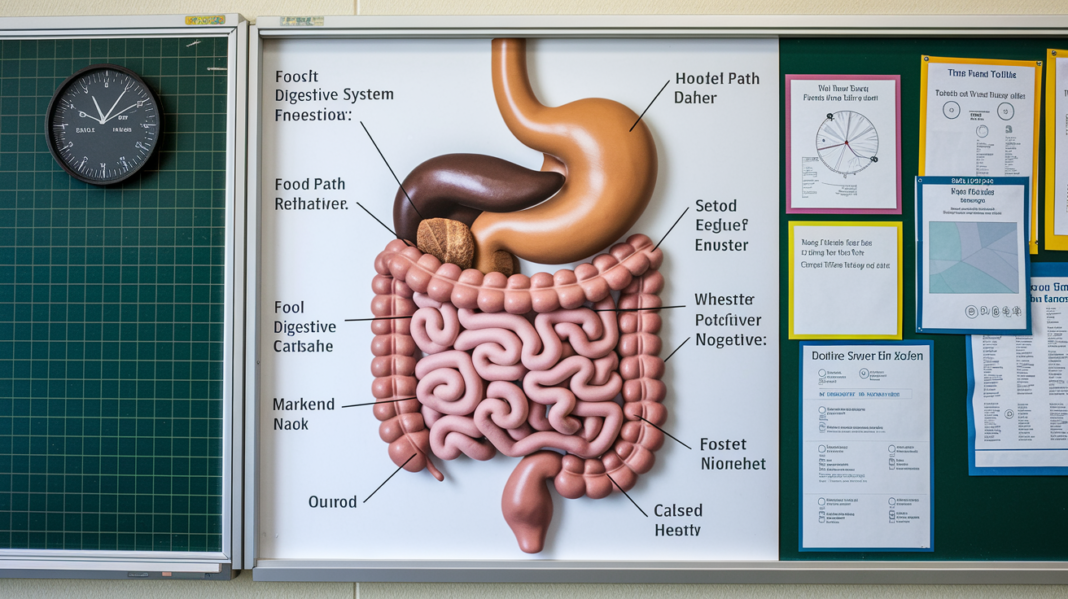

What if I told you your lunch spends up to 72 hours on a 30-foot ride inside you?
The journey of food through the digestive system really starts the moment you bite, and it moves through about 9 meters of tubes and several helper organs.
Along the way each stop takes its turn.
The mouth, esophagus, stomach, small and large intestines, plus liver, pancreas, and gallbladder all change the food and pass it on.
This post walks you step-by-step through each stage, shows what to watch for, and offers small experiments you can try to learn what affects your digestion.
The Complete Step-By-Step Journey Of Food Through The Digestive System
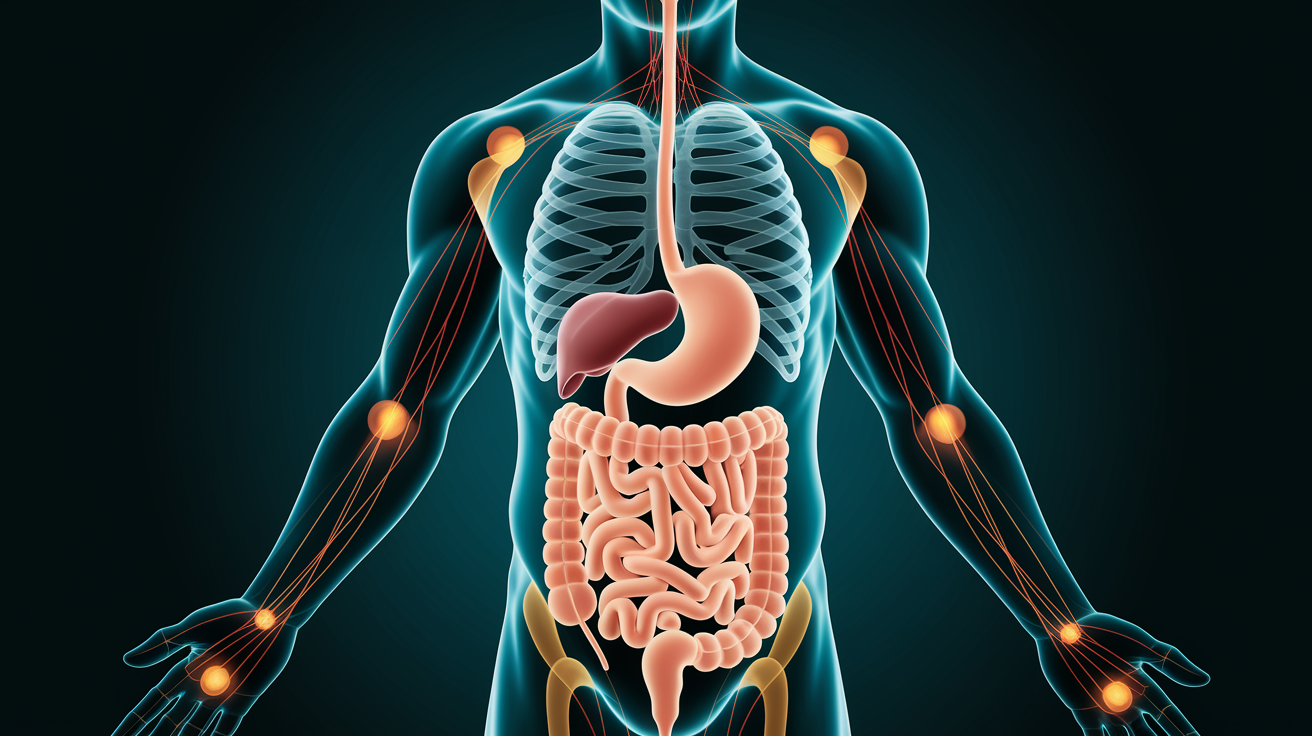
The journey of food through the digestive system starts the moment you take a bite and doesn’t finish until 24 to 72 hours later, sometimes closer to 30 to 40 hours depending on what you ate and how your body works. Along the way, food travels through roughly 9 meters (about 30 feet) of gastrointestinal tract, with help from three organs outside the tract itself: the liver, pancreas, and gallbladder. Each stop changes the food a little more, breaking it down until your body can actually use it.
Think of this whole process less like a straight line and more like a relay race. Each organ takes the baton, does its job, then passes things along to the next one. Miss a handoff, and you’ll usually feel it, whether that’s bloating, heartburn, or a stomach that just feels off. Here’s the full route, stage by stage, before we dig into each one in detail further down.
- Mouth. Teeth grind food into smaller pieces while saliva (containing amylase) starts breaking down carbohydrates.
- Esophagus. Wave-like muscle contractions called peristalsis push the swallowed food down toward the stomach in seconds.
- Stomach. Food gets churned and mixed with acid and enzymes, turning into a semi-liquid called chyme, over roughly 2 to 4 hours.
- Small intestine. Pancreatic enzymes and bile break food down further while the walls absorb nutrients into the bloodstream, a process that takes about 3 to 6 hours.
- Large intestine. Remaining water and electrolytes get absorbed as leftover material compacts into stool.
- Rectum and elimination. Stool is stored until your body is ready to release it during a bowel movement.
That’s the journey in one quick pass. But each of these stages does a lot more work than it seems at first glance, so let’s break down what’s really happening at every stop, from the enzymes involved to the timing you can expect.
What Happens To Food In The Mouth First
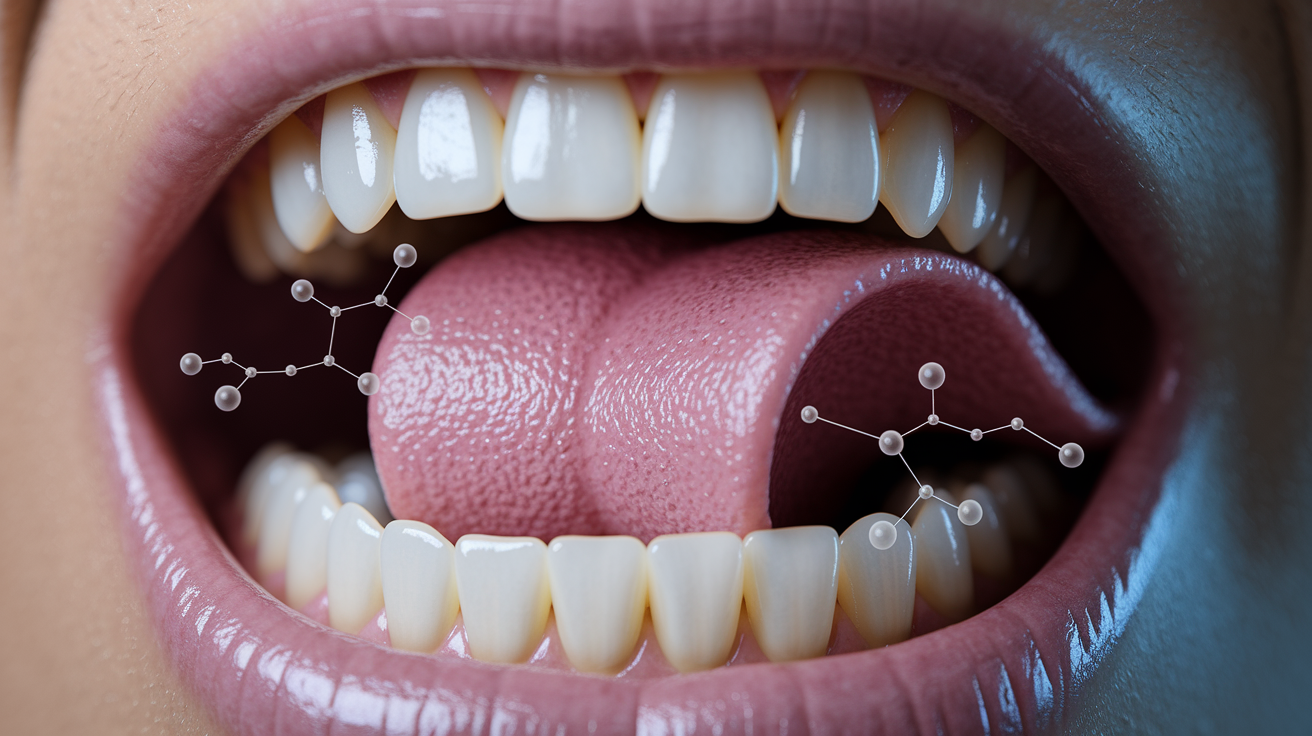
Digestion actually starts before food ever touches your tongue. Just smelling something good cooking can trigger saliva production, your body getting ready for what’s coming. Once food is in your mouth, your teeth take over the mechanical side of things, grinding it into smaller and smaller particles. Your tongue does its own quiet work here too, shaping everything into a soft ball called a bolus and pushing it toward the back of your throat so you can swallow.
At the same time, saliva is doing chemical work you can’t see. It contains an enzyme called amylase, which starts breaking down carbohydrates right there in your mouth, way before they ever reach your stomach. This is part of why chewing well actually matters. Smaller food particles with more saliva mixed in give your stomach and small intestine a head start, meaning less work for them later and often smoother digestion overall. The whole process, from that first bite to swallowing, usually takes only seconds to a couple of minutes. Fast, but not something to rush through.
How Does Swallowed Food Travel Down The Esophagus
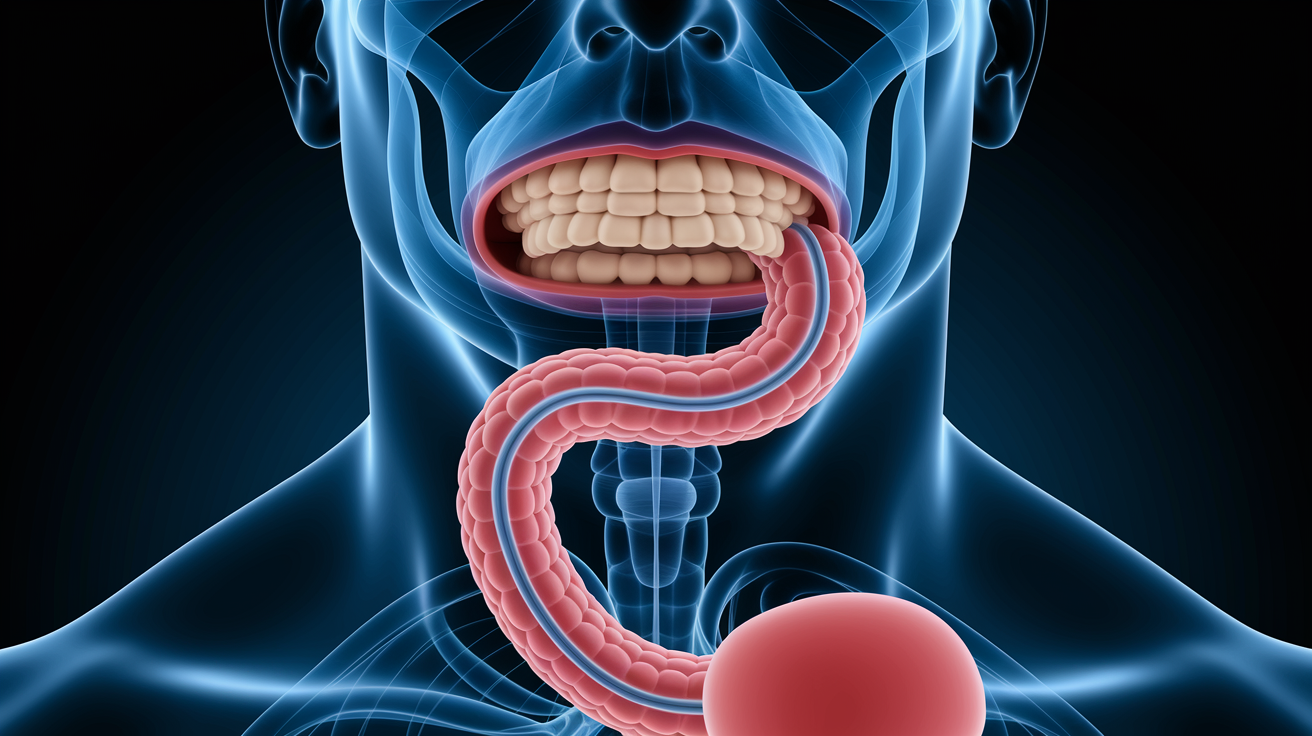
Once you swallow, the bolus doesn’t just fall into your stomach. Your pharynx (the area at the back of your throat) directs it into the esophagus and, just as importantly, away from your airway. This is your body’s built in traffic control, making sure food goes toward your stomach and not into your lungs.
From there, swallowing triggers peristalsis, a wave-like squeezing motion that moves the bolus down the esophagus in just a few seconds. It’s a coordinated muscle contraction, almost like a gentle push passed from one section of muscle to the next. At the bottom of the esophagus sits the lower esophageal sphincter, a ring of muscle that opens to let food into the stomach, then closes again to keep stomach acid where it belongs.
When this system doesn’t work quite right, that’s often where issues like acid reflux or heartburn come from, since the sphincter isn’t sealing properly. And if the pharynx misdirects food even slightly, it can lead to aspiration, where food or liquid ends up heading toward the airway instead. Both are worth mentioning to a doctor if they happen often.
What Does The Stomach Do To Digest Food
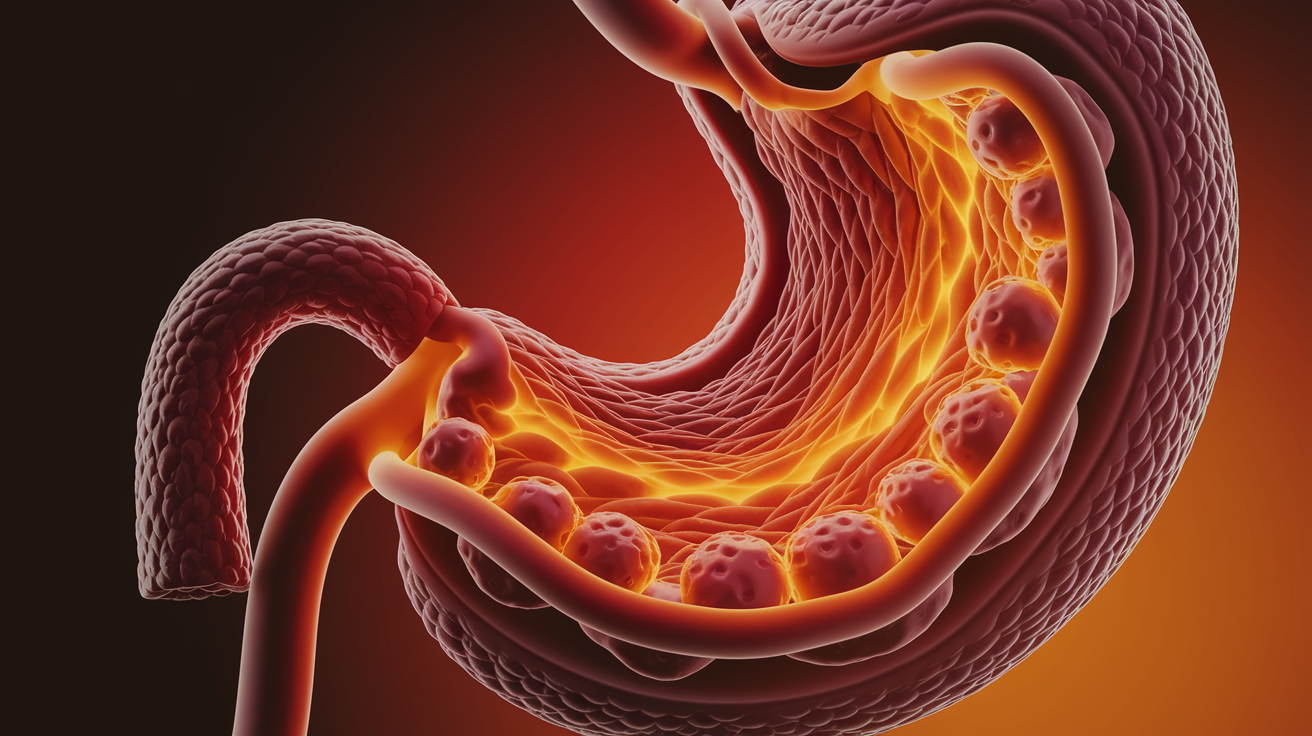
The stomach is where things get more physical. It mechanically churns food, squeezing and mixing it almost like a washing machine, combining it with gastric juices until the texture starts to change completely. This churning motion is constant, and it’s what breaks larger food chunks into something your body can actually process further down the line.
Alongside that mechanical mixing, a whole chemical process is happening too. Hydrochloric acid in your stomach, with a pH of around 1 to 3, is strong enough to denature proteins (basically unfolding their structure) and activate an enzyme called pepsin, which begins breaking proteins down into smaller pieces. Your stomach lining is protected from this harsh acid by a layer of mucus, and a hormone called gastrin helps regulate how much acid gets released in the first place.
By the time the stomach is done with its work, food has turned into a semi-liquid mixture called chyme. The pyloric sphincter, a muscular valve at the bottom of the stomach, controls how much chyme gets released into the small intestine at a time, letting it out gradually rather than all at once. Depending on what you ate, this emptying process typically takes 2 to 4 hours.
A few things influence how fast or slow this stage moves:
- Fat content. Fattier meals slow gastric emptying considerably.
- Meal volume. Larger meals naturally take longer to clear.
- Liquid versus solid. Liquids tend to move through faster than solid food.
- Fiber content. High fiber meals often extend the time chyme spends in the stomach.
How Does The Small Intestine Absorb Nutrients From Food
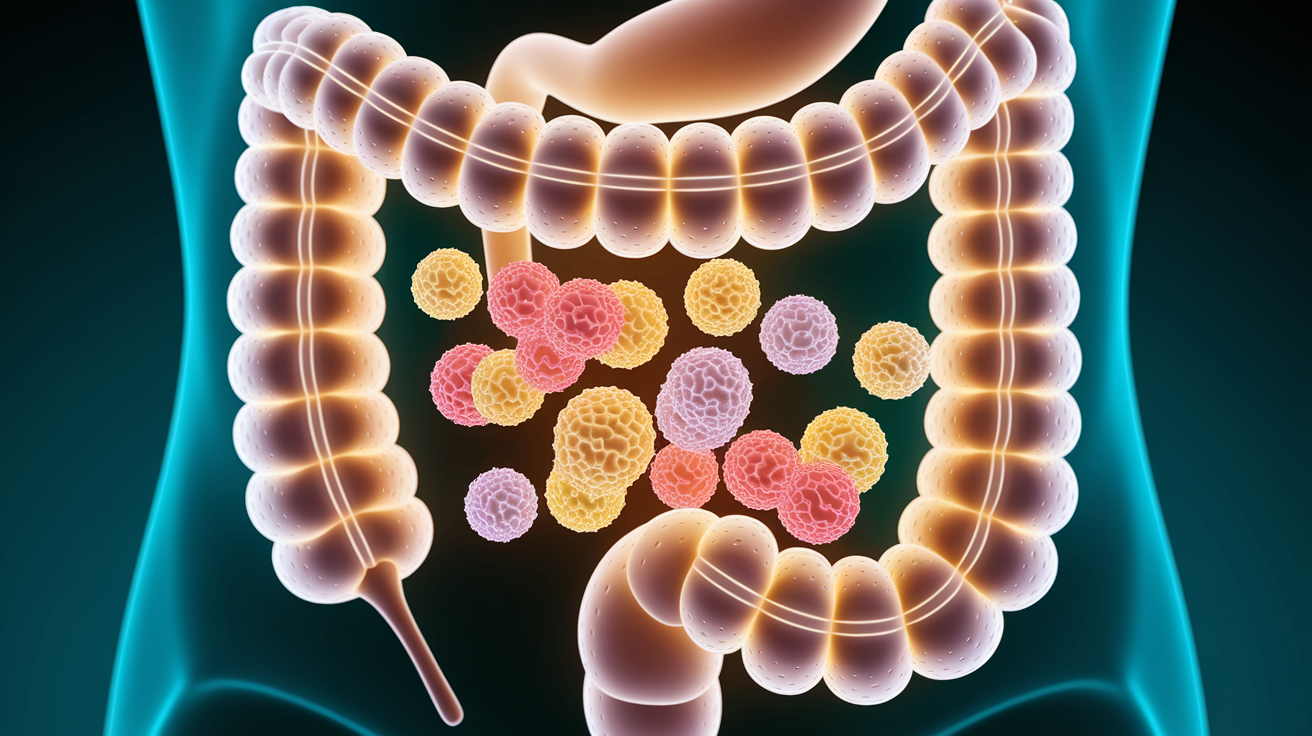
The small intestine is arguably where the real magic happens, and it’s made up of three distinct sections that each play a different role. The first section, the duodenum, is the main site for chemical digestion. This is where pancreatic enzymes and bile arrive to keep breaking down the chyme that just left your stomach, working on proteins, fats, and carbs.
Final Words
in the action we followed food from the mouth through the esophagus, stomach, small intestine, colon, and out the rectum. It shows how each stage breaks food down, absorbs nutrients, and shapes transit time, usually about 24 to 72 hours.
You got a clear map and quick notes on what speeds or slows the trip, like chewing, enzymes, bile, and water. Each stage above helps you spot digestion patterns.
Keep the journey of food through the digestive system as a simple checklist when things feel off, and try one small change to see what helps.
FAQ
Q: What are the 7 steps of digestion in order?
A: The seven steps of digestion in order are ingestion, mechanical digestion (chewing), propulsion (swallowing and peristalsis), chemical digestion, absorption, compaction, and elimination (defecation).
Q: What’s the hardest food to digest?
A: The hardest foods to digest are often very fatty or fried foods, because fat slows stomach emptying and needs bile plus pancreatic enzymes, so they tend to linger and cause discomfort.
Q: What are the 10 steps of digestion?
A: The ten steps of digestion are: ingestion, mastication, salivary digestion, swallowing, esophageal transit, stomach digestion, gastric emptying, duodenal chemical digestion, small intestine absorption, and large intestine compaction and defecation.
Q: How long does it take for food to pass through the digestive system?
A: Food typically takes 24 to 72 hours to pass through the digestive system, often around 30 to 40 hours, depending on meal composition, hydration, activity, and individual differences.